
Between Hollywood sets, stunt training, and journeys through international cinema, Brazilian actor Gerson Rocha has been consolidating a career that brings him, step by step, closer to his biggest dream: achieving worldwide recognition. Now based in Australia, he has already shared the screen with names like Mark Wahlberg, Chris Hemsworth, Phoebe Tonkin, and Rodrigo Santoro, in addition to being part of productions such as Subversion, Two Years Later, and the blockbuster Godzilla vs. Kong: Supernova, scheduled for 2027. Torn between the desire to debut in Brazilian cinema and the commitment to continuous improvement, Rocha is experiencing a moment of creative expansion—where acting, technical preparation, and entrepreneurial spirit go hand in hand.
Gerson, your journey began simply and today places you alongside some of the biggest names in world cinema. When you see yourself on a set with Chris Hemsworth or Rodrigo Santoro, what goes through your mind—does the boy who imitated characters from afternoon movies still connect with the actor you’ve become?
Absolutely. That boy still lives within me.I’ve always been very connected to art. As a child I danced forró, lambada, lambada aerobics, I did tap dancing and participated in dance and capoeira groups. I practiced capoeira for almost 10 years in the city of Piedade-SP, which welcomed me and shaped much of who I am today.
At school, I did theater, performed in plays, participated in cultural groups…I’ve always been connected to culture and the artistic movement. I come from a humble family, without access or resources, but something inside me always believed I could go further.
Coming to Australia ultimately led me down the path of entrepreneurship.Where I learned and matured a lot. But, deep down, something always called me back: the film sets, the cameras, the acting; I’ve always been addicted to watching films. Today, every time I step onto a scene, it’s as if that boy looks at me and says, “I knew that one day we would make it.”
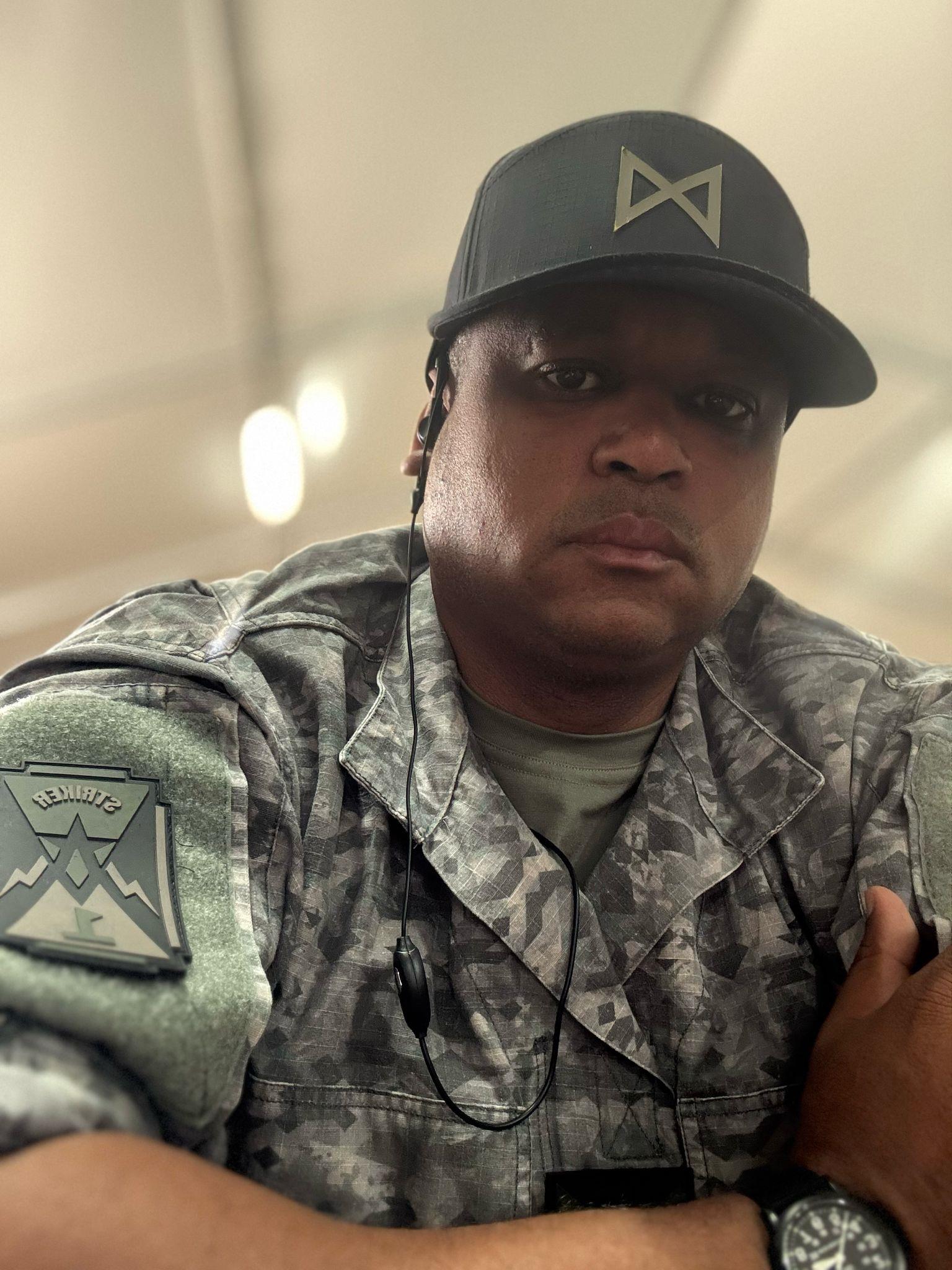
Besides Chris Hemsworth and Rodrigo Santoro, you also shared a set with Mark.Wahlberg, another big name in American comedy, in Balls Up. Could you tell us a little about your experiences on the film set?
Being in a production like Balls Up was simply incredible. I played a Brazilian fan and stayed about 1 to 2 meters away from Mark.Wahlberg and Paul Walter Hauser. They are both extremely friendly and relaxed; they joked and interacted with the audience (the Brazilian fans), creating a light and fun atmosphere on set. It was an intense 7 days of filming, but very professional.
In the film Subversion, I played a navy commander with lines and prominence, with cameras focusing on the scene from three different angles where I dismiss my…Troop, a remarkable experience. But we don’t know what’s going on in the heads of the directors/editors, and the scene I filmed might not even air.
In Godzilla vs. Kong, I filmed for six days inside the Warner Bros. studios, playing a security guard. The structure of that set was surreal: the organization, the logistics, and the gigantic level of production.
Being close to actors like Chris Hemsworth and having a quick chat with Rodrigo Santoro in Runner, I also had a quick conversation with actress Phoebe Tonkin without knowing it was her, only finding out later when I got home, those were also symbolic moments that reinforced my certainty that I’m on the right track.

You live in Australia today, but you still carry Brazil in your heart. How do you balance this dual identity—being a Brazilian artist building an international career without losing your cultural essence?
Being Brazilian is something that never leaves you.But building a career in Australia isn’t easy, especially for Brazilians. The market is very competitive and dominated by Australians themselves. That’s why I always had to work twice or even three times as hard to stand out.
I base this on my life experience: I repeat, I train, I study, and I do until I find it.The point of equilibrium. I still have the accent, I take pronunciation courses, American English language workshops, and I even do voice coaching, all to improve my pronunciation in English, but I have an Australian accent in my English.
I strive to do my best in everything I do, maintaining my essence, my Brazilian way, my culture, but also absorbing the discipline and professionalism of Australian culture. This mix has become my strength.
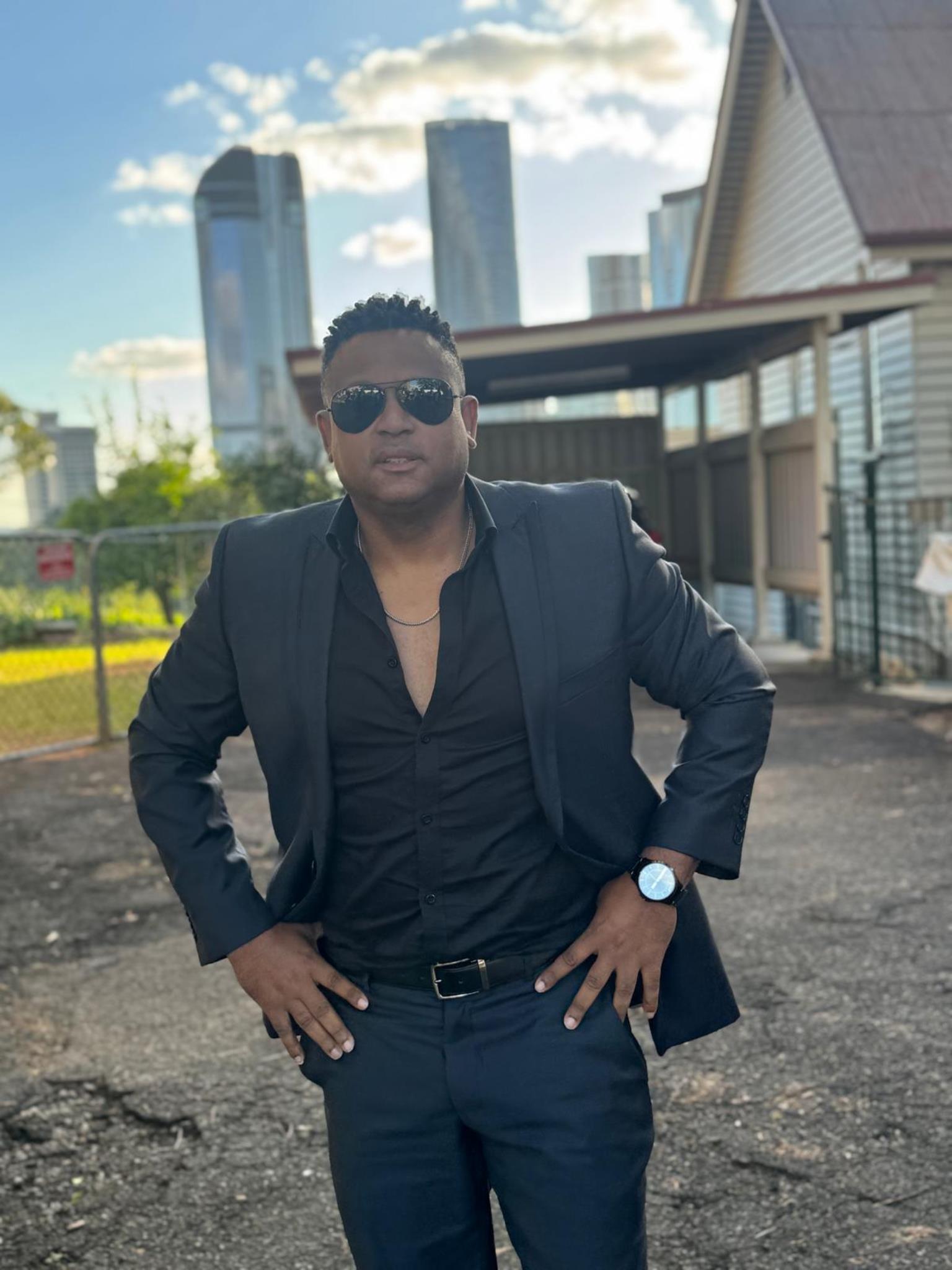
The stunt course seems to have taken you to a new level of physical and emotional commitment. What lessons did this experience teach you about courage and vulnerability, both on and off camera?
The stunt course was one of the most innovative experiences I’ve ever had.I only wanted to complement my talent, knowledge, and resume, but I soon realized that the training was much more than that. As the instructors always say, “An actor can be a stuntman, but a stuntman can’t be an actor.”
In other words, before being a stuntman, you need to be an actor, and I want to be well-rounded. However, there is…Many students don’t do acting, only the stunt course.
In my first two classes, I couldn’t handle the physical exertion: I got stomach cramps and spent about 15 minutes lying on the floor. Today I’m much more advanced and passionate about the process.
We learn choreographed fights, weapons handling, military simulations, falls, acrobatics, and various impact techniques. Being a stuntman is a true school of life: it’s about mastering the body, the mind, fear, discipline, and self-control. You end up taking all your learning off-camera and carrying it into your life.
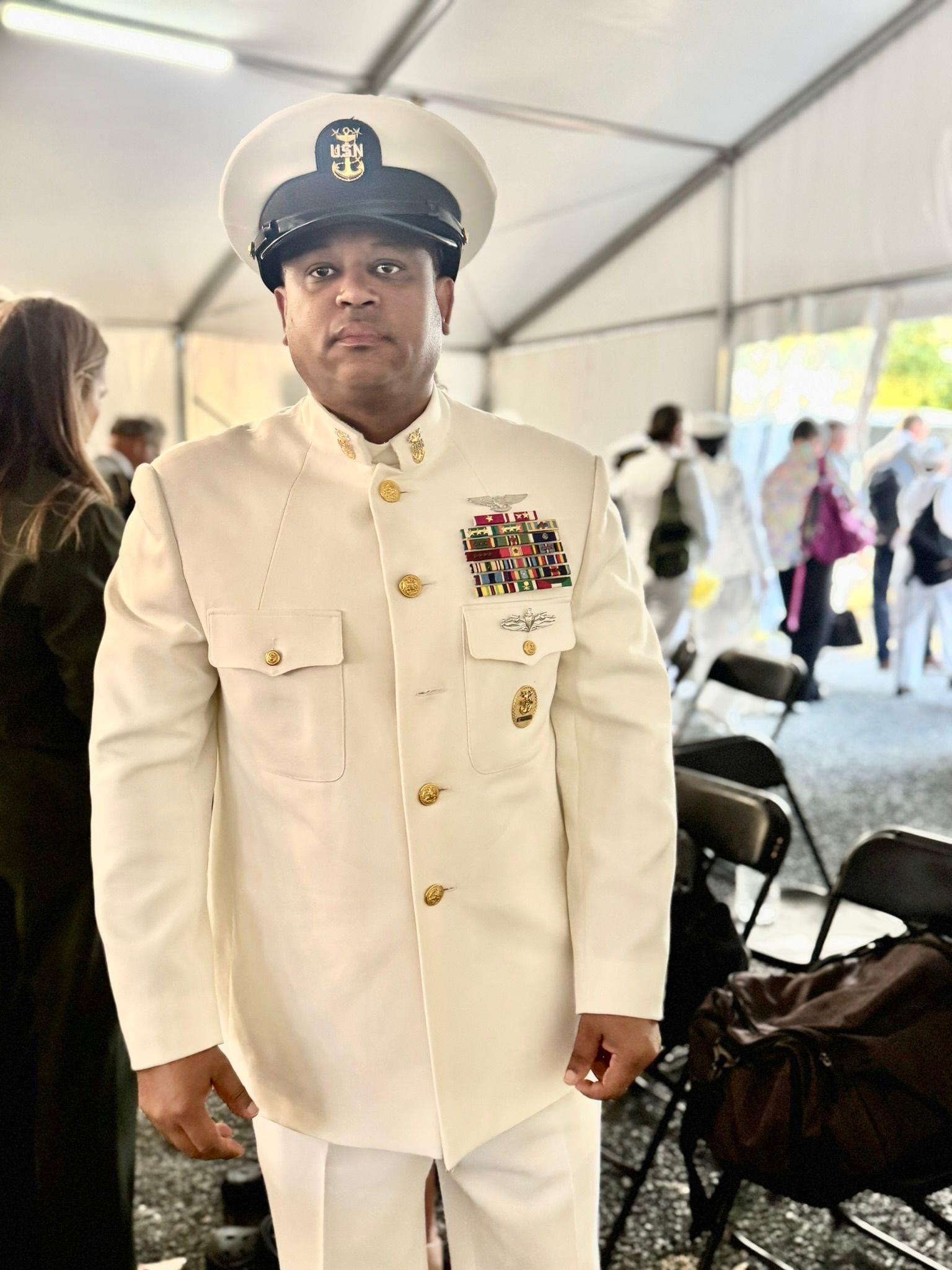
In Beach Commander, you improvised lines and ended up winning over the director in a moment that seems to symbolize the power of authenticity. How do you deal with improvisation in real life, when the script deviates from the plan?
In life, just like on set, improvisation is inevitable. The secret is to be prepared and confident. But improvising doesn’t mean a lack of preparation; it means strategy.I always plan as much as possible, I try to be one step ahead, and I maintain confidence in what I know how to do.
In the film Beach Commander, I had to improvise because the original script created a gap between my dialogue and that of the lead actor. This improvisation caught the director’s attention.who really liked my naturalness. Beach Commander is an independent Australian pilot slated to appear on Netflix, and because it’s a project of that scale, we have closer contact with directors and producers, which is a great opportunity. Improvising authentically opened doors I never expected.

You’re also an entrepreneur, with projects in technology and artificial intelligence. How does this innovative and strategic side influence your artistic vision—and vice versa?
I believe that art and entrepreneurship have a lot in common. Both require vision, creativity, and the courage to start from scratch.My entrepreneurial side taught me to think like a producer, to understand what goes on behind the camera—the logistics, the planning, the marketing. This helps me to be a more conscious actor.
On the other hand, the artist within me brings emotion, sensitivity, and purpose to my business. Technology is the new language of the world, and I want to use it to…Bringing people together, inspiring, and creating opportunities—both in film and beyond. I’ve been an entrepreneur for 14 years. I’ve created, managed, and sold more than 12 companies, operating in completely different sectors.
I stopped being an entrepreneur for a while because I really wanted to focus on acting, and I feel like now is the right time. My life experience, my background as…As an entrepreneur, communication and a strategic mindset greatly help me as an artist. Art and entrepreneurship have much in common: both require vision, courage, discipline, and creativity to start from scratch. And I carry both of these worlds with me.

Brazilian cinema is currently enjoying a period of prestige abroad. What kind of story or character do you dream of playing when you finally act in a national production?
I would like to portray characters that showcase the strength and complexity of the Brazilian people.I enjoy drama, action, tactics, and fighting films, but what touches me most are characters with emotion, truth, and resilience.
Stories that connect with the audience in a profound way, such as:
- Elite Squad, with Wagner Moura, immortalized Captain Nascimento;
- The memorable scene of Lázaro Ramos with Wagner Moura in O Pai Ó;
- John Ǫ(Denzel Washington) Very good movie, he identifies with the family;
- Seven Pounds(Will Smith) I’m speechless about this movie, overcoming adversity;
- Crash, that fits the English saying: goes around, comes around.
I also want to work on productions with social and psychological themes, like my film Collapse, which I wrote exploring racism, discrimination, corruption, faith, and moral dilemmas; next year we’re going to shoot the pilot trailer.
I want to represent Brazil with pride while playing and performing here abroad, even though I’m also Australian, when I introduce myself I say I’m Brazilian. However, above all…Everything, I want to act in Brazil. Brazilian cinema is experiencing a great moment in the world, and I want to be a part of it.
You are writing the book Breaking the Illusion, which reflects on your journey.What was the biggest illusion you had to shatter in order to continue believing in your own dream?
In fact, the book doesn’t just talk about my journey, but about the Australian system, aboutThe bureaucracy and how to deal with the challenges of entrepreneurship in this country. The biggest illusion was believing that success comes quickly or that talent is enough.
What truly makes the difference is persistence, discipline, and faith. I’ve been through many ups and downs, both in business and in art, and I’ve understood that true success is…Don’t give up on who you are, even when everything seems to be falling apart.
Australia highly values manual laborers, traditionalists, and family owners.businesses. But when you want to grow and become a real, corporate company, that’s when you face the System. You clash head-on with the System.
My book is a straightforward and didactic guide, showing how to:
- Breaking mindset limitations;
- avoid errorscommon;
- to become a true entrepreneur;
- and achieve financial independence with health and strategy.
It’s a manual for anyone who wants to build something solid outside of illusion; I’m sure it will…It will help many people here in Australia and abroad as well, because it can serve as a basis.
Her journey seems guided by a mixture of discipline and faith. When theThe cameras turn off and silence falls. What keeps you motivated to continue believing in this challenging path of acting?
What keeps me going is purpose. I believe that every person is born with a talent, and mine is storytelling. When I’m on stage, I feel like I’m fulfilling something bigger than myself. I also have a strong belief in God and the power of faith. I’ve been through difficult times—personal, financial, emotional—but I’ve always known that it was all part of the process. To this day, I wonder what my purpose is for being here in Australia. Where I came from, the path I’ve taken, everything I’ve experienced… nothing has been easy. But I continue to believe that there is a greater reason.
My motivation comes from my mental and physical health, my faith in God, and…I am certain that I can achieve my goals. I got here through merit, focus, and perseverance, and I want to be an example for those who identify with my story. As long as I have strength, faith, and purpose, I will continue.
Follow Gerson Rocha on Instagram