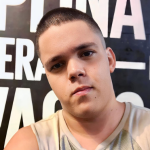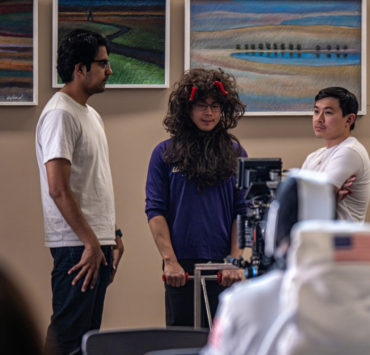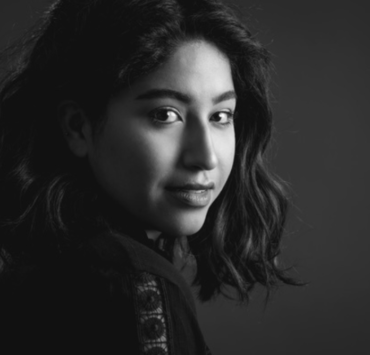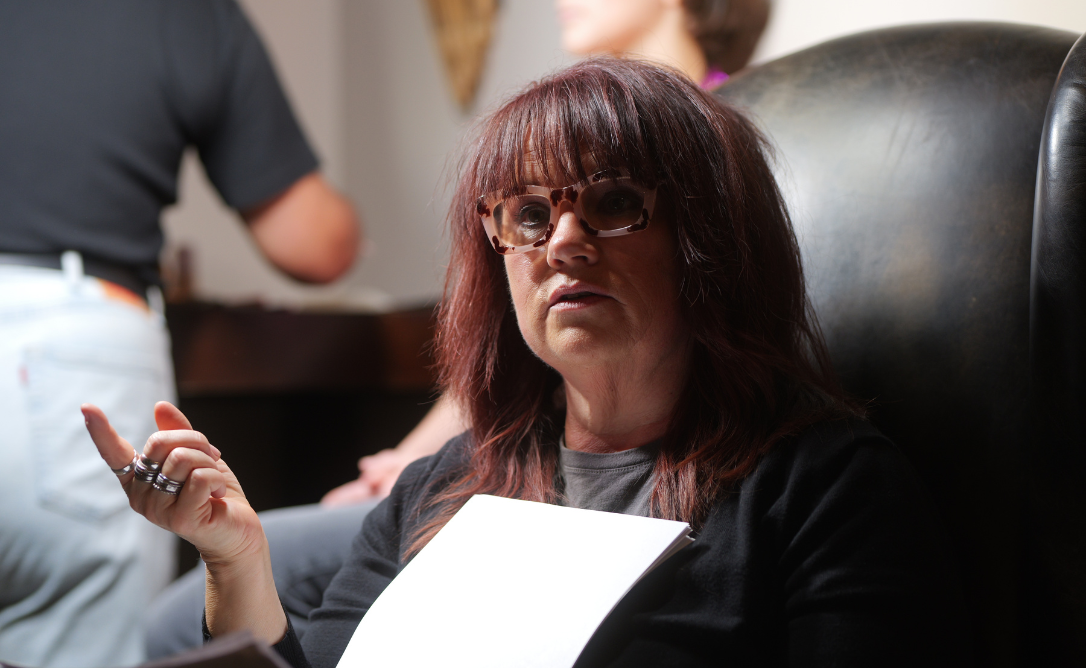
Producer Kris Flink is a key creative force behind An Old Friend, an award-winning short film that has been gaining international recognition for its emotional resonance and thoughtful storytelling. Starring Tom Skerritt and Jason Faunt, the film explores themes of nostalgia, companionship, and the passage of time through a delicate balance of fantasy and human truth.
The story follows an imaginary friend who discovers that his purpose—to bring happiness to a child—now unfolds during the final days of a 90-year-old man’s life. Through careful production and a strong emotional vision, Flink helped shape a film that transforms a simple premise into a moving reflection on memory, care, and farewell.
An Old Friend has been selected for major festivals including Hollyshorts Film Festival, Oxford Film Festival, and Newport Beach Film Festival, and has earned notable awards such as Best Drama at SISFA 2025 and Best Actor for Jason Faunt at the Puerto Aventuras International Film Festival. The project highlights Kris Flink’s dedication to intimate, character-driven storytelling with strong international appeal.
The film’s premise is simple yet deeply universal. What convinced you that An Old Friend was a project that needed to be made?
The simplicity is exactly what convinced me. At its core, “An Old Friend” is about time, memory, and how we say goodbye—experiences that touch everyone. When I read the script, it immediately connected to my own life. My father survived a massive heart attack that left him with severe memory loss, and our family spent the final fifteen years of his life never knowing what he would remember or how much time we truly had.
That experience reshaped how I see aging, legacy, and the value of ordinary moments. The script understood that quiet truth—that the most meaningful stories don’t need spectacle, only honesty. I knew then this was a project I needed to be part of.
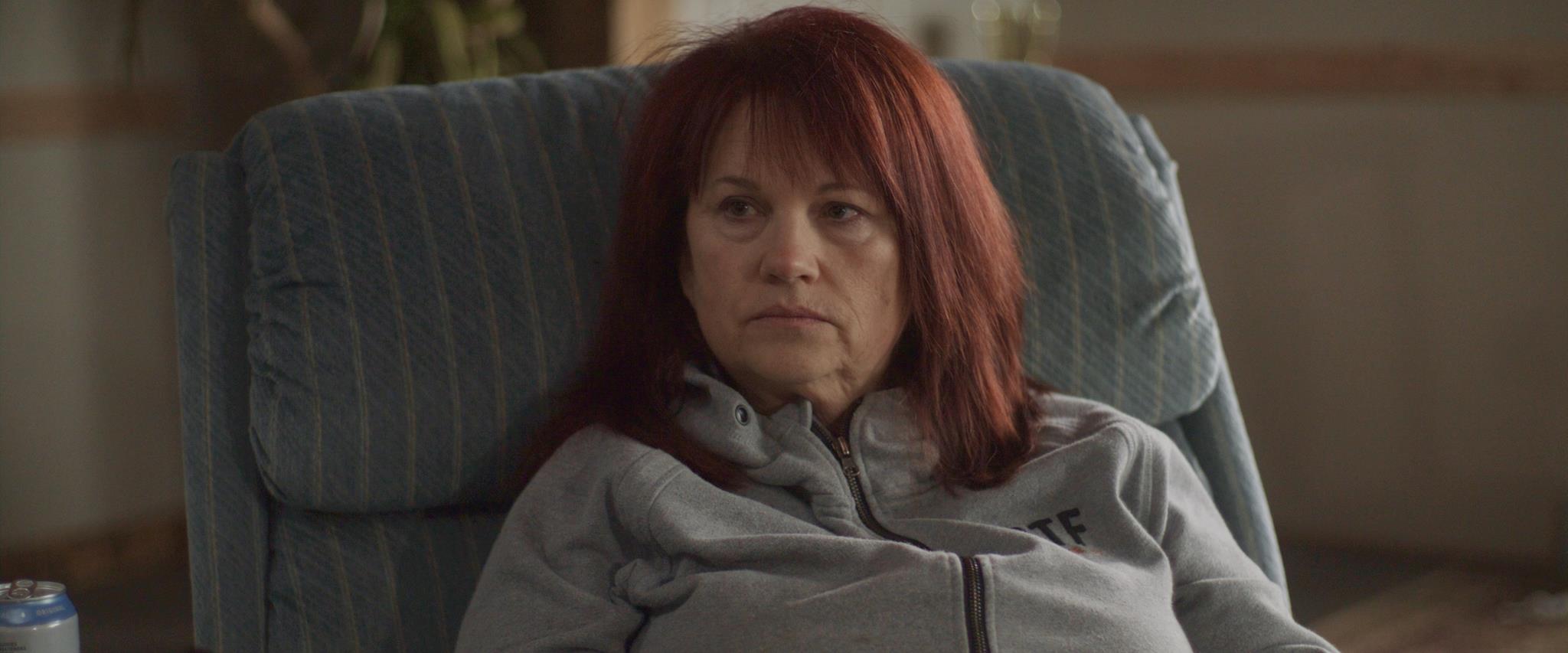
Producing a film that moves between the whimsical and the emotional requires precise tonal choices. What production decision most shaped the identity of the short?
From the start, we made a conscious decision not to overstate anything—emotionally, visually, or musically. We allowed humor to exist within a serious subject, but only when it felt natural and truthful.
It’s tempting to add elements to make a film feel bigger, especially with limited resources, but we did the opposite. By leaning into simplicity and restraint, both the whimsical and emotional moments were able to shine. That balance ultimately defined the film.
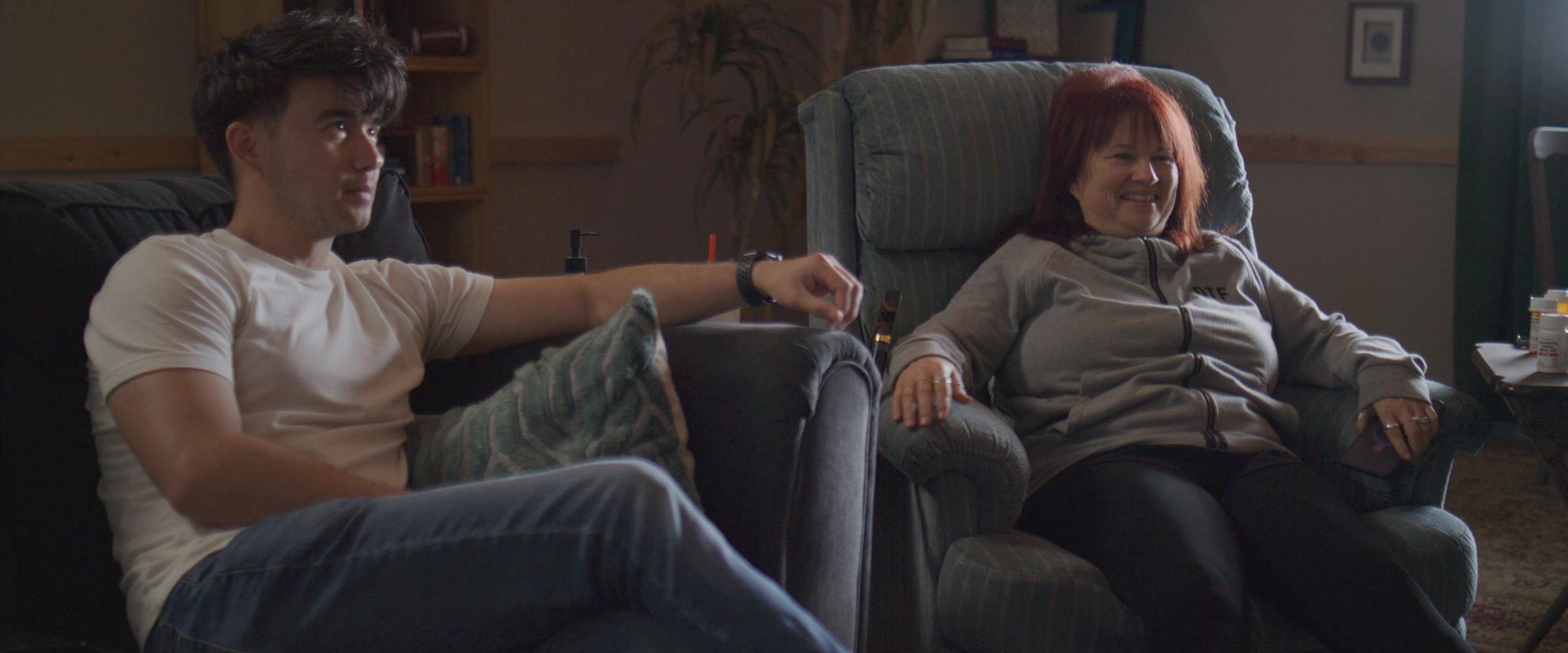
Bringing Tom Skerritt into the project added weight and prestige. What was that experience like, and what impressed you most about his performance?
Working with Tom was both humbling and inspiring. He approached the project with incredible generosity and deep respect for the team and the independent filmmaking process. What impressed me most wasn’t just his craft—though that’s extraordinary—but his restraint.
He understood that William didn’t need to be performed loudly. He brought decades of experience into the smallest gestures and quietly mentored us throughout the process. For a short film, having someone of his caliber fully committed was truly transformative.
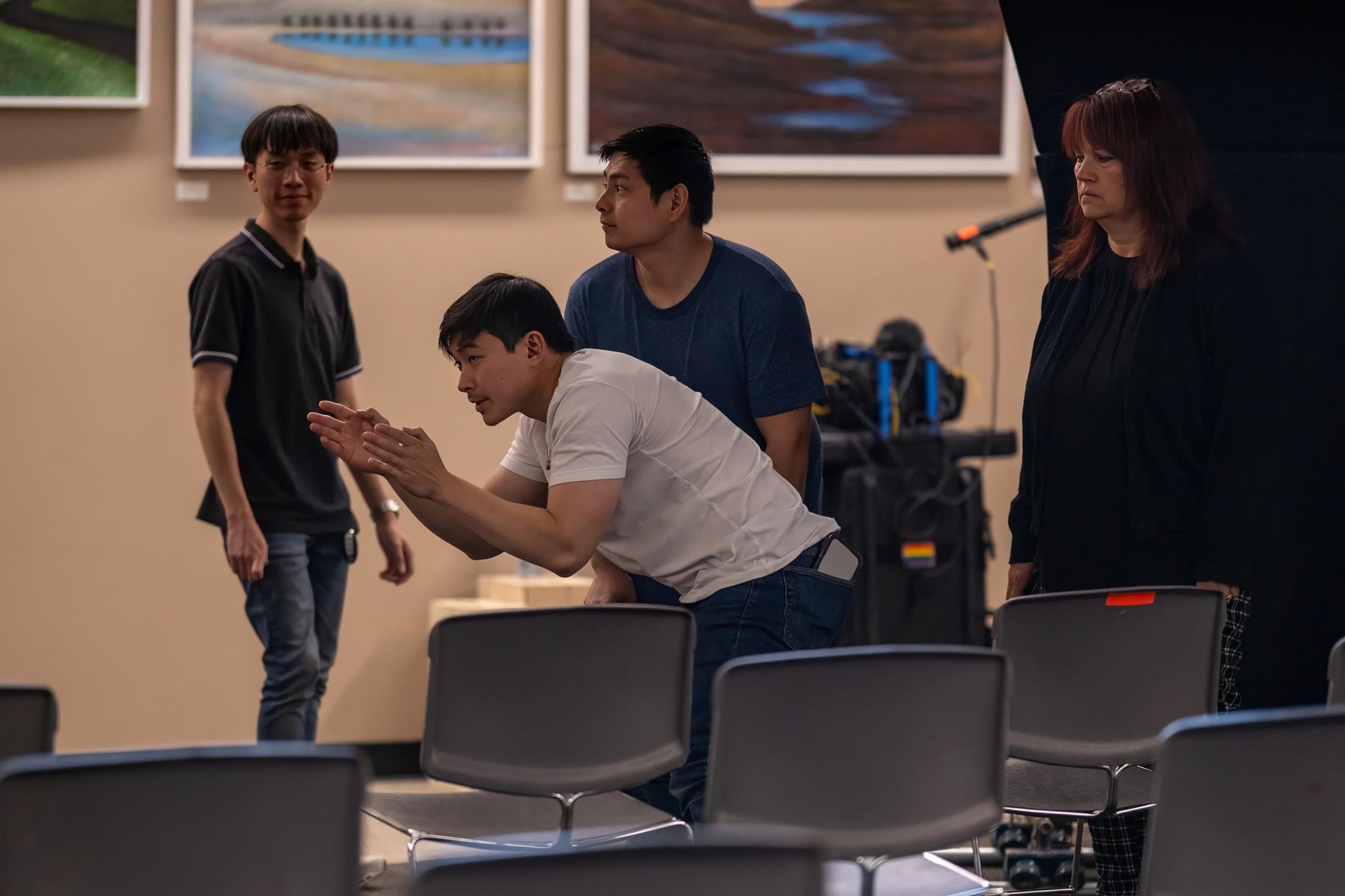
The film is traveling through major festivals and winning awards. How does it feel to see the recognition align with the care invested in it?
It’s deeply validating. This film was made with intention, vulnerability, and care, often under challenging circumstances. Seeing it embraced by audiences and juries around the world reinforces that emotional honesty still matters.
What means the most is the connection. After nearly every screening, someone tells us, “That was my father,” or “That’s what I’m living through right now.” Knowing the film resonates in that way makes every challenge worth it.
Was there an unexpected moment during filming that became essential to the final result?
Yes—the ending. We originally planned two different versions and filmed both. The team debated them heavily, each with strong opinions. Ultimately, an improvised line from Tom made the decision clear.
That moment became the emotional anchor of the film. Without it, I don’t think we would have arrived at the ending we did. Even now, that line affects everyone involved every single time we watch the film. That kind of impact can’t be manufactured.
An Old Friend speaks about memory and legacy. What personal legacy do you hope to leave through this film as a producer?
I hope the film reflects leading with empathy. As a producer, I want my work to honor emotional truth and treat stories—and the people telling them—with care. This film is deeply tied to my relationship with my father and the experience of loving someone through decline and loss.
If it encourages even one person to slow down, cherish a moment, or feel less alone in their grief, then it has already exceeded my hopes. That’s the legacy that matters most to me.
What advice would you give independent producers creating intimate films with limited resources?
Make the personal your greatest asset. When budgets are tight, emotional truth becomes your production value. Audiences can tell when a story comes from lived experience.
Surround yourself with collaborators who believe in the story as deeply as you do, and don’t be afraid of stillness, silence, or simplicity. When resources are limited, authenticity isn’t just helpful—it’s essential.
Follow Kris Flink on Instagram