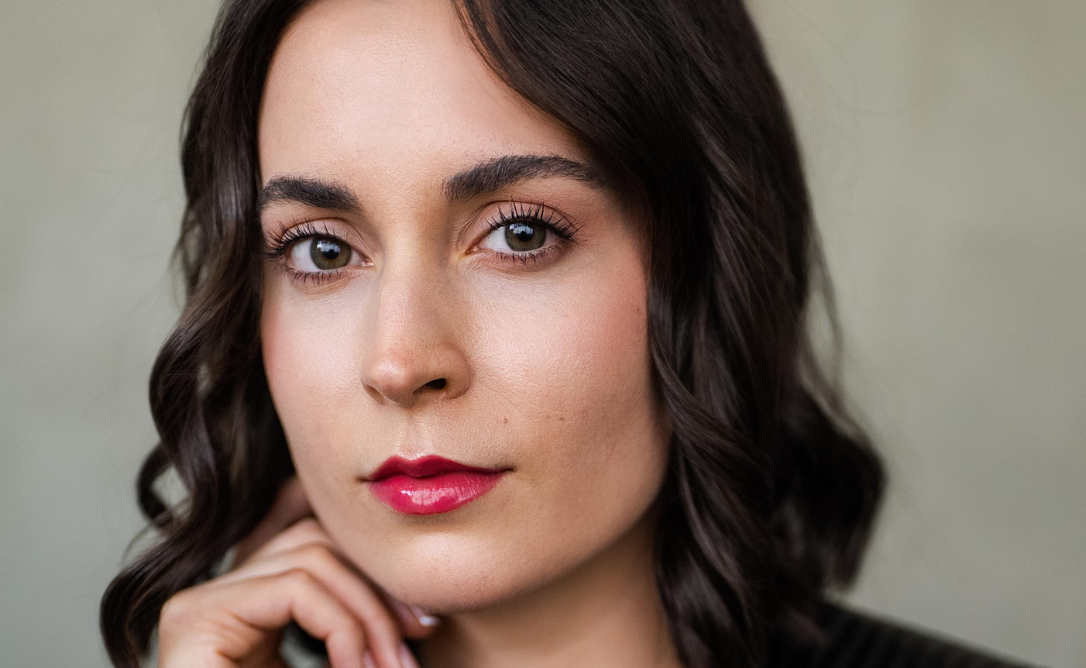
Co-founder and Executive Producer Candace Mizga believes Chera TV was born as a direct response to industry patterns resurfacing across entertainment — from a lack of diversity to narratives that romanticize violence. In this interview, she explains how the platform aims to elevate vertical storytelling through ethical, intentional creative choices and a more human emotional experience for audiences—without losing sight of commercial viability.
You’ve described Chera TV as a rebellion against recurring industry flaws. What practices most motivated you to be part of this project?
I have been working as a lead actor in the vertical space since early 2023, and while it has been incredible to be at the forefront of an explosive new format, I’ve also witnessed some deeply concerning trends. The most troubling practices have been the lack of diversity in casting and storylines, and violence and sexual assault used as an irresponsible narrative device. Art and entertainment carry enormous cultural influence, and when the same perspectives are elevated repeatedly while others are excluded–or when violence is romanticized–the work loses its meaning and humanity, and can ultimately become a harm to the audiences it reaches.
I have also personally witnessed gender-based pay disparity and unsafe set practices on productions where large corporations openly prioritize profit over the well-being of creatives. That kind of environment isn’t sustainable for artists or crews, and it ultimately limits the creative potential of the medium. To be clear, I don’t think these flaws are unique to the vertical space. These are long standing industry issues that have simply resurfaced in a new medium and become more visible again. They’ve existed across many corners of the film industry for decades and we’re all ready for a change.
While commercial success is important, there has to be room for creative risk-taking and human-centered storytelling. Right now, so much of vertical drama is driven by content built for performance metrics rather than emotional impact or artistic value. With Chera TV, we’re interested in challenging that structure. What happens when we prioritize artistic freedom and trust that audiences are hungry for something more meaningful?
The platform emphasizes ethical, intentional storytelling. How does that shape which stories are told — and which are left behind?
Ethical, intentional storytelling shapes our decisions not just in what stories we tell, but in how and why we tell them. We’re not interested in sensationalism designed purely for engagement. There’s a time and place for difficult subject matter, but as creators we have a responsibility to approach it with care, purpose, and context, not to romanticize abuse or exploit trauma for engagement.
We’re also committed to telling stories that reflect a broader range of identities, cultures, and lived experiences. Too often, I’ve seen a narrow, white-washed, Western beauty and character standard pushed onto audiences, and it limits both who gets to be seen on screen and who gets to feel represented. This feels particularly absurd when vertical audiences are a global audience from a wide range of backgrounds. When storytelling is filtered through only one perspective, it becomes alienating and, in many ways, harmful. For us, storytelling should help audiences connect, imagine, and escape. This requires voices, characters, and worlds that feel varied, honest, and human.
As an executive producer, what has been the biggest challenge in aligning creative vision with social responsibility at Chera TV?
It hasn’t felt like a challenge to align creative vision and social responsibility as I think this is something many creatives have been hungry for, but one of the biggest challenges has been learning to navigate the tension between commercial viability and social responsibility. We’re very aware that many of the tropes we’re choosing to move away from are the same ones that have historically generated high engagement and profit for other companies. So there’s an inherent risk in asking, What happens if we do this differently? What happens if we prioritize cinematic, socially aware storytelling rather than views at any cost?
We don’t yet know exactly how every project will be received, and that uncertainty can be both daunting and energizing. But for us, aligning creative vision with ethics means accepting that risk rather than defaulting to what’s already proven. It feels like we’re standing at a precipice where we can either replicate the same flawed systems or consciously build something better. Taking on that challenge feels necessary.
Many narratives still rely on gratuitous violence and stereotypes, especially against women. How does Chera TV actively push back against this?
We care deeply about our audience and the emotional environment we’re inviting them into. Stories shape the way people see themselves and others, and we take that seriously. So instead of filling our content with gratuitous trauma or reductive archetypes, we focus on complexity, agency, and character-driven storytelling that respects both the viewer and the craft.
At Chera TV, we don’t believe violence or harmful stereotypes should be used as shock devices or empty plot engines. If they appear in a story, there has to be a clear narrative purpose, emotional truth, and ethical context. We’re not interested in replicating patterns where women’s pain is sensationalized or used as entertainment.
Audiences are also part of this transformation. What kind of emotional and narrative experience do you hope viewers take away?

So many vertical audiences have shared that this format has become a source of escape and comfort for them, and we want to honor that. Our hope is that viewers walk away from our stories feeling seen, uplifted, and connected. We’re interested in telling stories that feel good without being shallow. If audiences can finish a series feeling more inspired than depleted, and more compassionate than cynical, then we’ve done our job.
In an industry driven by speed and volume, how do you advocate for slower, more thoughtful storytelling?
In a space that often prioritizes speed and volume, choosing quality over quantity can feel unconventional. In vertical storytelling, content is consumed quickly and the turnover is high. But high-quality storytelling doesn’t require excess; it requires thoughtfulness, respect for the craft, and trust in the people making the work.
By making small but meaningful shifts — like refining story arcs or resisting unnecessary escalation — we’ve seen how much the material can elevate. Ultimately, we trust our creatives and we listen to our viewers. When both feel respected, the work naturally becomes more human.
Beyond entertainment, what cultural impact do you hope Chera TV will have on how stories are told and valued?
The film and entertainment industry has historically been shaped, and often limited, by male-dominated power structures. With Chera TV, we hope to help shift that by creating more space for voices, perspectives, and storytellers who haven’t always been given the opportunity to lead the narrative. If we can help redefine success so it values integrity alongside commercial viability — and prove that diverse, thoughtful storytelling has cultural and economic value — then that’s the kind of impact we hope to leave on the industry.
Follow Candace Mizga and Chera TV on Instagram