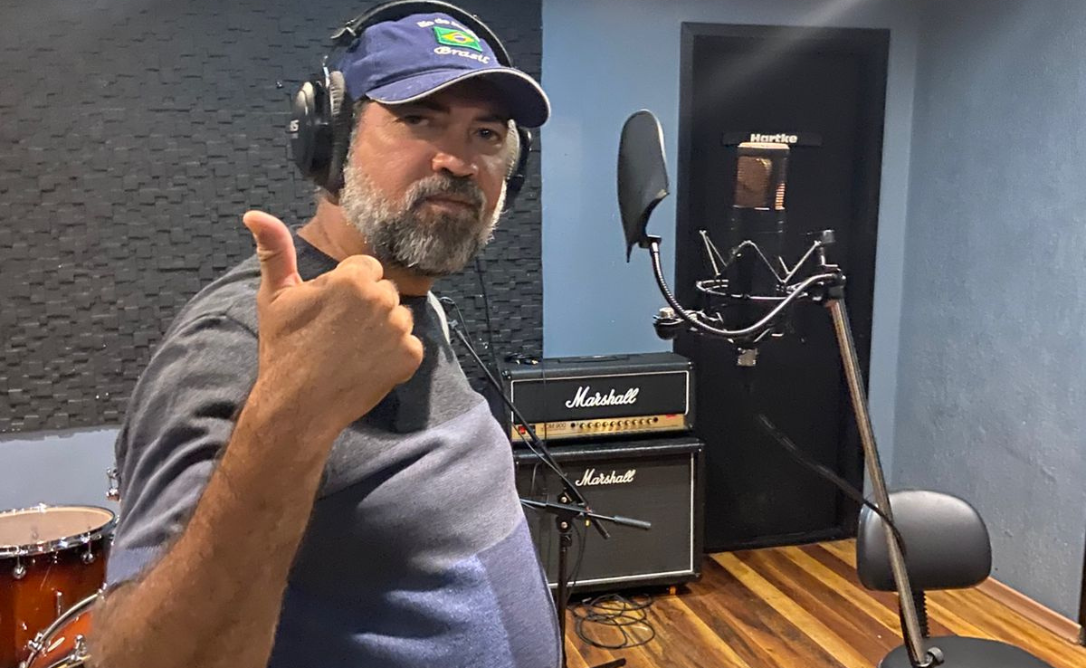
Emanuel Neri officially launches his musical career with “Fábrica,” his debut single, which will be released on streaming platforms on January 23rd by Marã Música. In a pop-rock style inspired by Brazilian rock from the 80s and 90s, the track transforms faith in the future, love, and resilience into a manifesto about new beginnings—revisiting lyrics written in 1997, when the artist was 18 years old and facing loneliness and hardship in Manaus, to give them new meaning in the present.
“Fábrica” was born in 1997 and only now has it become an official single. What needed to happen within you — as a person and as an artist — for this song to leave the folder and become a global hit?
1997 was a very defining year in my life. There was no internet, no social media, none of that stuff we have today. I had only been away from home for a few months, studying. Long-distance calls from landlines were expensive, public phone calls ran out in minutes, and letters took days to be delivered. Without family nearby, some classmates had no friends, and I had many insecurities, natural for an 18-year-old. At that time, I sang to stay strong, to release my feelings and anxieties, and to keep going. It took maturing, understanding the timing of things, realizing that it’s never too late, and with that, regaining the courage to make public something that had previously seemed so personal. The human being developed, and the Artist re-emerged, understanding that art, music, is not my creation; it exists somewhere in the universe and in
At some point I’ll meet her and be able to perceive her, and I don’t have the right to keep that to myself. It took a change in my life for things to come to fruition.
You describe the song as a “cry” to not lose the ability to believe in the future. What was the first time in your life that you felt that ability had almost disappeared? And what brought it back to you?
I can’t pinpoint a specific moment, but at 17/18 years old you feel it all the time. The frustrations, even the small disappointments, seem enormous and insurmountable. During that period in 1997, I went through a lot, and since I had no one to share it with, I would be sad at night but had to be okay the next day to move forward; if you don’t have resilience, you get tired. So I think that phase at 18 years old was when I perhaps saw the abyss from below. It was also when music entered my life for good and became my support. What brought me back? I think it was being part of a group with a good ideal, participating in material assistance activities for people who were much worse off than me, working as an evangelist for a youth group, and joining the Harmonia group, where I learned what little I know about art, music, and all the good it can bring.
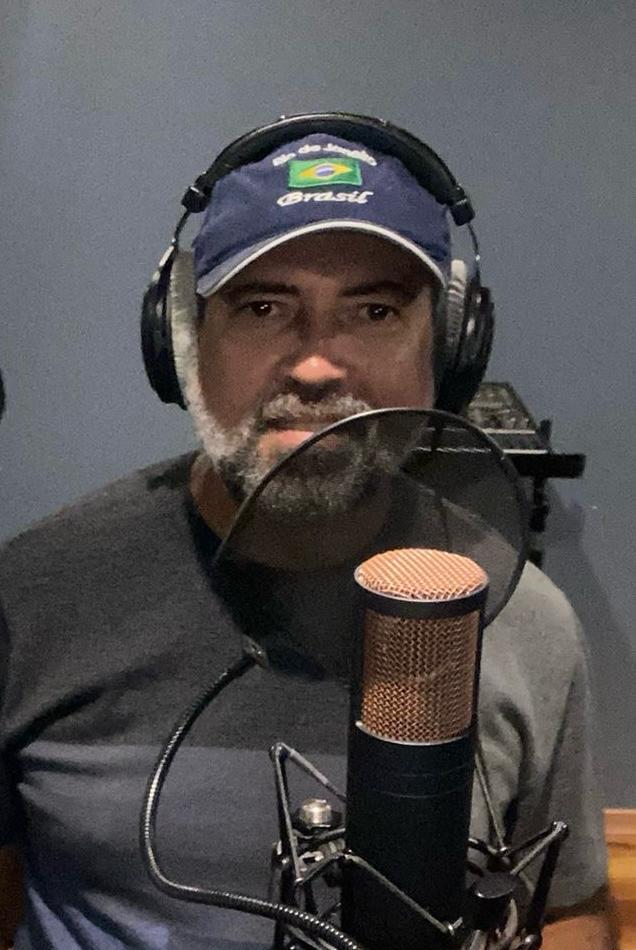
The image of the candle on top of the milk can during rationing in Manaus is very powerful. What kind of Emanuel was that 18-year-old—and what would the Emanuel of today say to him at that study table?
Eighteen-year-old Emanuel was an awkward, shy, emotional young man with many fears. Although he had a very strong conviction about objective things like studying, he was insecure about matters of the heart. The Emanuel of today would tell that boy: Believe in yourself, man, no matter what they tell you or what they think of you. Say what you feel, sing aloud what you think, don’t let the conveniences of daily life extinguish the light of the music that lives within you.
The lyrics have an intimate side, but you believe they resonate with everyone. Which verse (or passage) do you think best reflects your personal story—and which one do you hope will resonate with the audience?
The beginning of the song is very much me, who I was back then and who I continue to be, because the way it’s presented changes but not the way I exist. “Your life is full of struggles, tears and sweat, yesterday was an important day but I don’t even want to remember, today is another day.” Everyone struggles every day, everyone works hard and may even say they don’t, but at some point everyone cries. I think this mirrors people’s lives and everyone can connect with the idea that the Dream Factory is what keeps us alive, leaving yesterday behind to live today and make dreams come true.

You say that the essence came from the messages of resilience you sang in youth groups. How does spirituality appear in your creative process: as an impulse, as discipline, as solace… or as conflict?
It’s impossible to define it objectively in just one way. At the same time, it fills my creative environment with impulse, discipline, and solace. Spirituality gives me the certainty of a better future, a better world, better people, which is why I think my compositions, even though they sometimes depict scenes of a chaotic society—and here I’m already giving away spoilers of what’s to come in the next few months in upcoming releases—ultimately, they bring a message of optimism and hope.
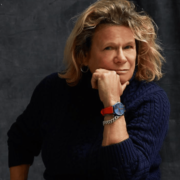
At some point, you turned criticism of your singing into fuel. What did you do, in practice, to evolve—and what still makes you insecure when you put yourself out there as a performer?
In practice, I didn’t let criticism get to me. I understood that everything in life can be learned. The first opportunity I had to learn, I dove in, and that happened when I joined Grupo Harmonia. I had to learn to listen in order to learn to sing, and that changed everything. I’ve always been very disciplined. If an exercise has 10 repetitions, I don’t do 9. So I sought to learn as much as I could, and I’m very grateful. My biggest insecurity, I think, was the fear of making mistakes, of singing off-key and disrupting the group. Perhaps I still carry a remnant of that today, even more so when singing solo.
“Fábrica” draws on references from Brazilian rock of the 80s/90s, but with a contemporary narrative. If you could choose a “bridge” between these two eras, what did you want to preserve from classic rock and what did you want to update to sound authentic today?
This is truly incredible because “Fábrica” feels timeless; both the lyrics and the melody connect the past and the future at a crucial moment, the present, where things happen. The music, like the day, begins with an awakening rhythm, grows along with the day, gains amplitude until it reaches this overflowing point. The mix of everyday things, of life, with metaphors is something that comes from the Brazilian rock bands that marked the 90s generation and continue playing today, and the sound with a more contemporary feel, I think, gave it this makeover to allow generations to find themselves within this music.
You say, “I think I’m just starting out now”—even after having been in a band, a spiritualist movement, doing live streams during the pandemic… What changes when music stops being a refuge and becomes a career? What are the fears and what are the freedoms of this new beginning?
Today I understand that life has phases, and all of them are important. Starting a career in music doesn’t take away its place as a refuge and intimate comfort for me. I see this moment, of starting a musical project, a career in music, as a real achievement, and that’s why I’m no longer afraid, only certain, and that’s because I’ve come to believe in this Factory of real dreams.