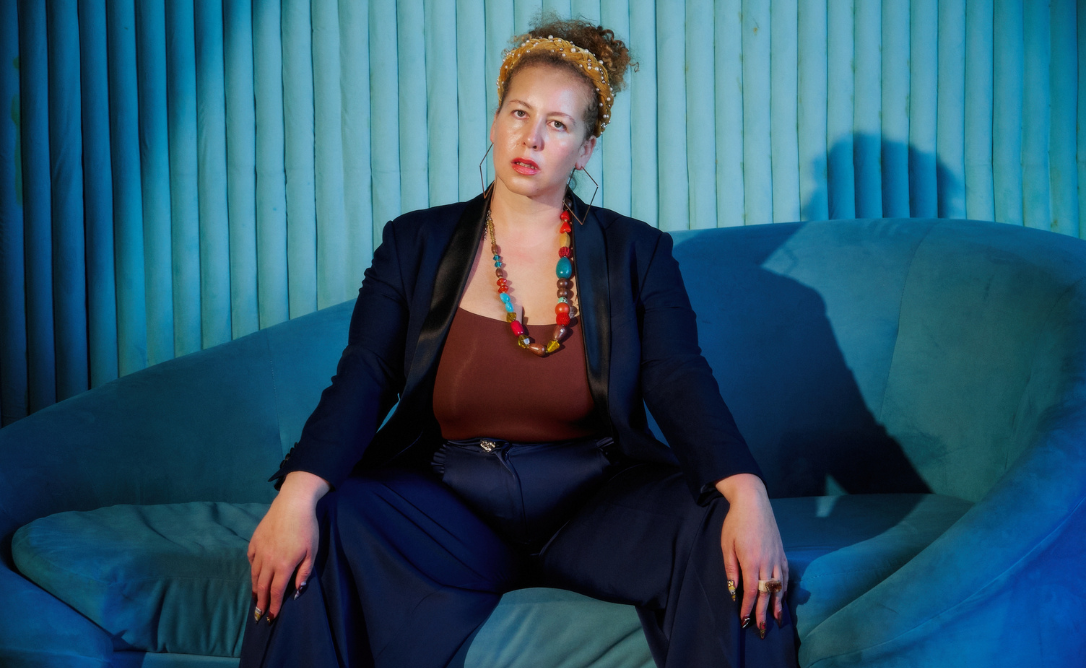
Actress, comedian, and creator Anastasia Washington is emerging as one of the most versatile voices in contemporary entertainment. In the horror-comedy anthology Grind, which connects several stories about the gig economy and late-stage capitalism, Washington takes on multiple roles that serve as a thread linking the film’s narratives. In this interview, she discusses working with director Brea Grant, balancing humor and horror to address social issues, and why building creative communities is essential in today’s entertainment industry.
Grind connects four stories about the gig economy and late-stage capitalism through your character — or rather, characters. What was it like being the through line of the anthology?
It was epic! I love working with Brea Grant. She is an epic voice in horror, and I am so proud to be on her team anytime I can. But also, I feel the stories are so relevant to my life and to so many in America. We are all living from check to check and we do things to survive that our parents couldn’t even fathom having to do. Traditional employment is rare now, and this explores that so well, and how truly horrific the gig economy can be.
The film blends horror and comedy; two genres you navigate beautifully. What draws you to that combination, and how do you balance scares and humor on screen?
Well, thank you for that. I think I love horror and comedy because they deliver messages in a palatable way. They teach without being preachy and start tough conversations, and that’s my goal as an artist…to start conversations that cause change. I also am a goofball and love all things macabre and scary. All the women in my family are horror fiends; the men in my family are all action and comedy folks. I’m addicted to it all. I love laughing. I adore making people laugh, and I laugh so much in horror anyway, so why not combine them?
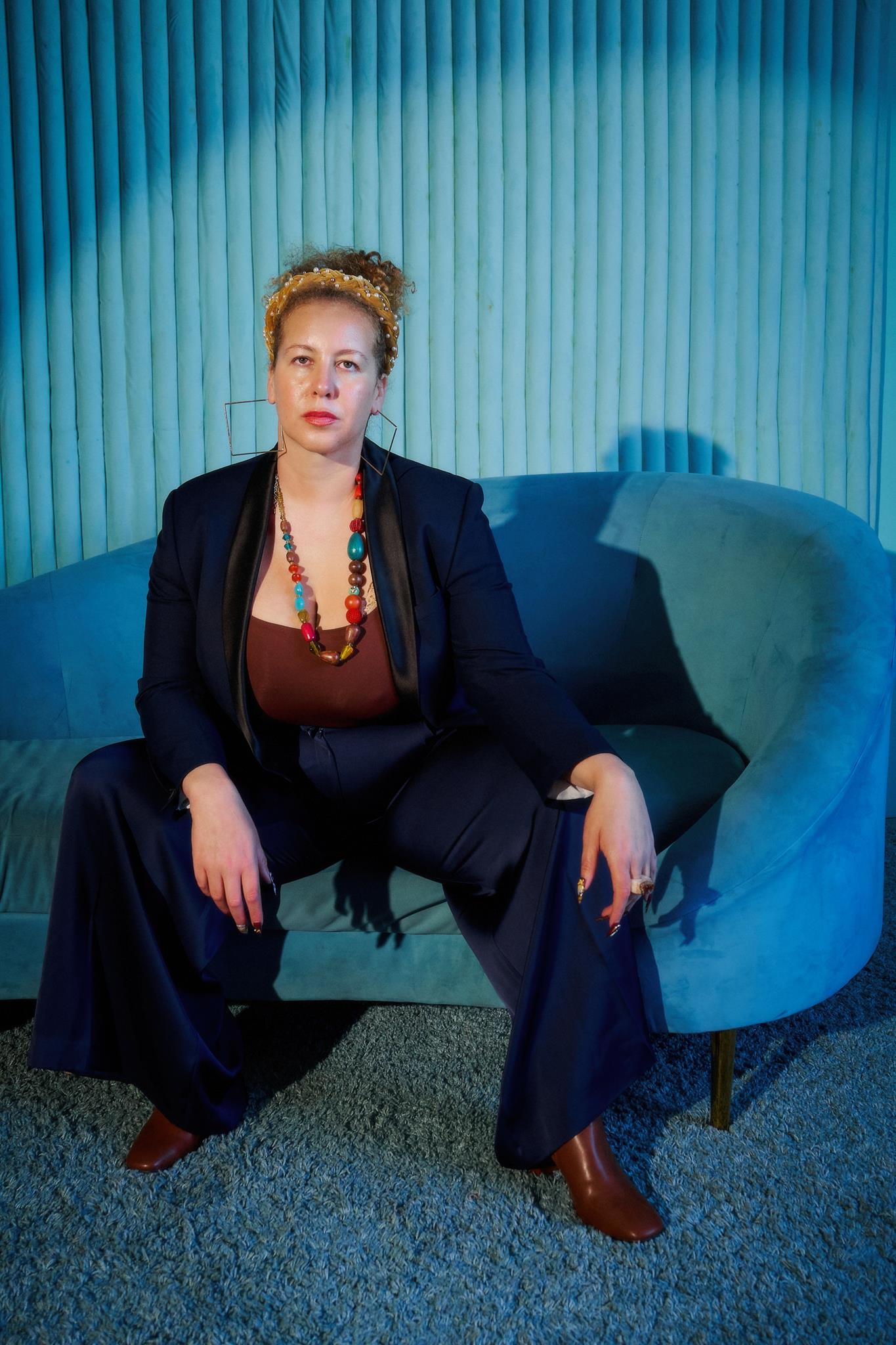
You portray multiple roles throughout the anthology. Did each character require a distinct emotional or physical approach?
Oh, for sure. At times I was a cult follower, other times I was a brutal snob, and one that didn’t make it to the cut, I had to be a demented zombie. So yeah, very different feels and takes on emotions and physicality, and I love that. I am game for it all. I think that’s my reputation. Anastasia will do it. And most likely I will. I will push it. I’ll run in heels and get into a fight, I’ll get ugly and sassy as a zombie. I’ll try it and make it work and have a great attitude about it.
Your work often tackles complex topics like police brutality, eating disorders, and colorism — always infused with humor and empathy. How do you decide how far to go when addressing sensitive subjects?
That’s a difficult balance. I have gone too far. I think if you always come at things from kindness and empathy, you will be on track most of the time. If I have gone too far, I am always willing to talk about and learn from it. That’s humanity, we make big old mistakes, and we only evolve when we take accountability and learn from it.
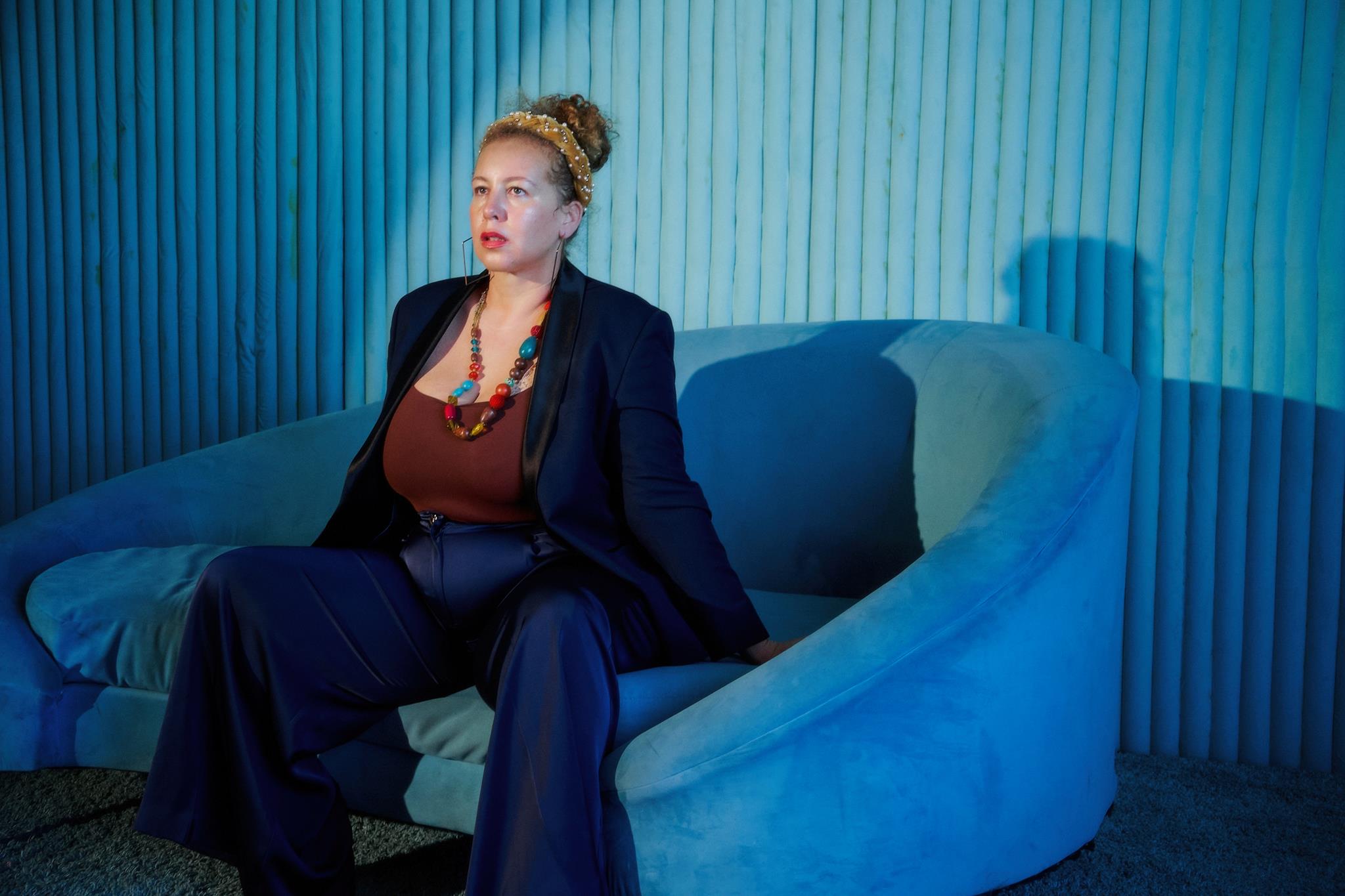
As a biracial creator working across comedy, horror, and film, what kind of impact do you hope to have within the entertainment industry?
Being biracial is like being a bridge — you are bridging communities and worlds, so code-switching is a common thing for me. Because of that, accommodating different audiences and genres is practically in my DNA. I take it as a responsibility as a bridge to make things better and to cause change in a positive way, but even just being a presence on screen. But more than that, by making choices that hopefully cause people to think and be entertained at the same time.

You’ve built your own horror filmmaker community and host a monthly comedy show. How does creating those spaces shape your artistic identity?
Community is so important to being creative and successful. No one does it alone. I always feel that being born in LA and starting so young in the industry was a lucky thing for me. I learned so much so young. Not everyone has that. As a local, I love being able to help people get introduced and welcomed here. It can be isolating and lonely, and no one should give up on their passions and dreams because of that. Instead, I hope to build community and support that can create together, have each other’s backs and lift each other up. Say people’s names in rooms they are not in. Theres room for us all. When I saw not everyone felt that way, I belt another table for people to sit at.
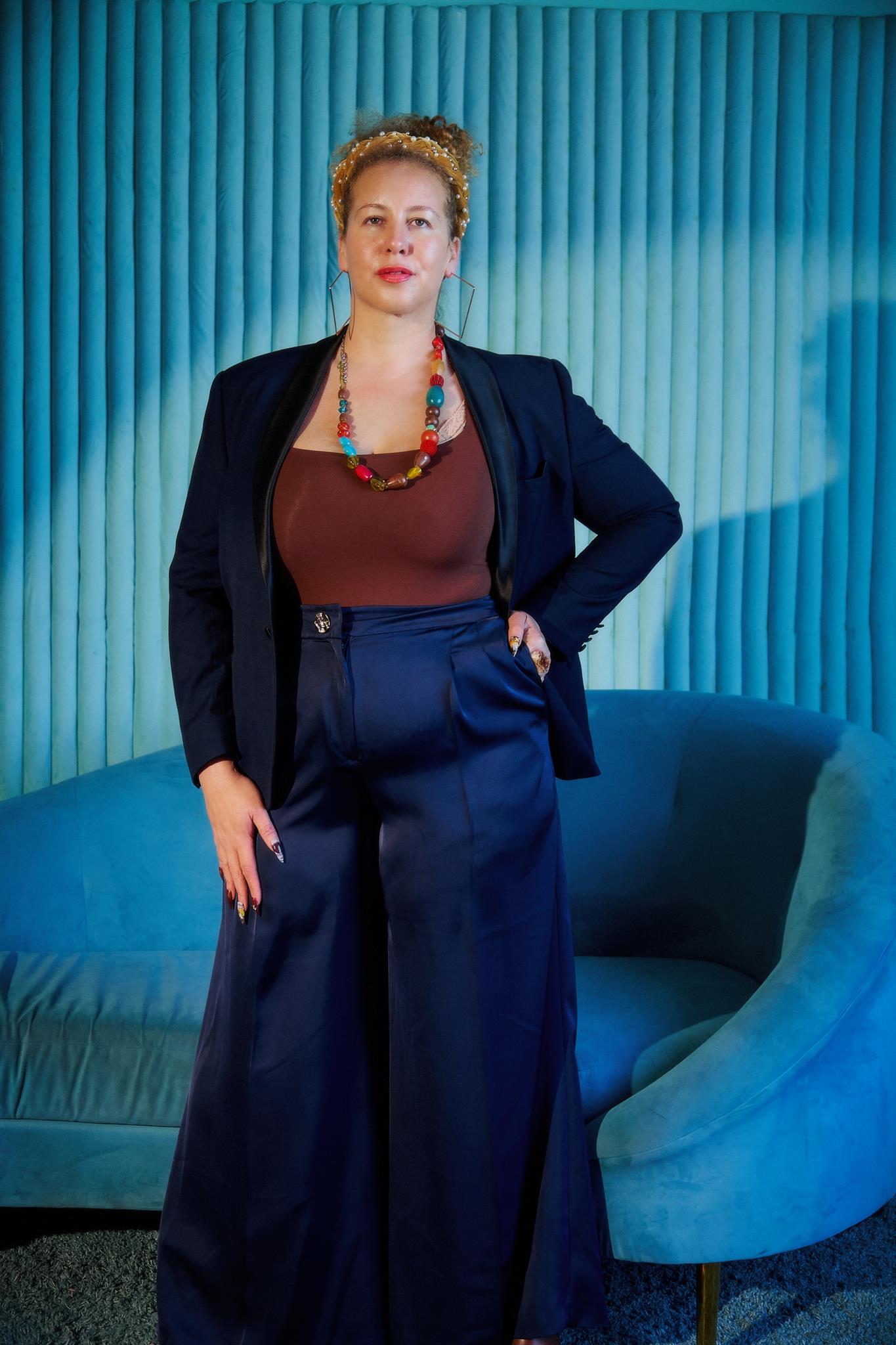
Looking ahead after Grind, what kind of stories do you feel called to tell next — or feel ready to explore at this point in your career?
I have a feature in the works that will film this Fall that tells a social justice based historical horror feature. As for my personal projects, I have so many social justice and bipoc horror comedies coming out of me right now. So, that’s an avenue that I’m definitely exploring, as well as animation and tv.
Follow Anastasia Washington on Instagram