
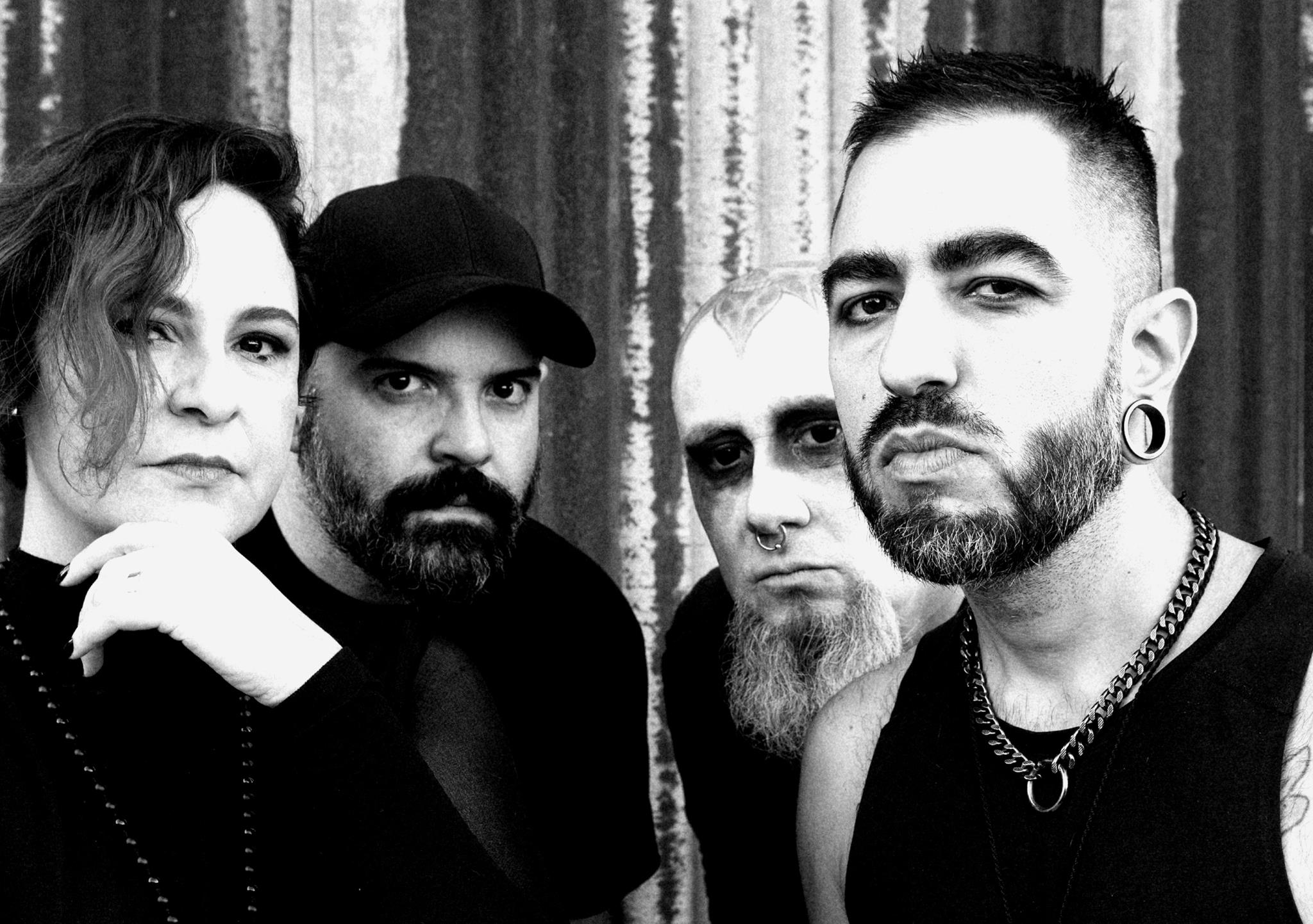
The band AÉREA presents a new interpretation of their sonic identity with the release of “Balde D’Água (Acústico)”, a reinterpretation that bets on a more organic and intimate atmosphere without sacrificing the group’s characteristic intensity. Inspired by popular Brazilian rhythms and marked by percussive elements, the track reinterprets one of the standout songs from the AÉREA EP by addressing themes such as resilience, ancestry, and everyday strength. In an interview, the members talk about the collective creative process, the connection with Brazilian roots, and the search for new artistic possibilities within their blend of heaviness, poetry, and Brazilianness.
“Balde D’Água” was already a strong track in its original version, but now it gains a more intimate and organic interpretation. What did this acoustic reinterpretation reveal about the song that was perhaps more hidden before?
This version further highlighted the Brazilianness in the conception of AÉREA. The prominence of the voice, the chorus with clapping at the end of the song, the percussions reveal the band’s references. There’s no denying the influences of Sepultura, Chico Science, O Rappa, Gal Costa, Elis Regina. (Jansen)
You mention a dive into Brazilian roots, especially rhythms like ciranda and maracatu. How does this connection to Brazilian culture help define the sound identity? From the airline?
Brazilianness is in our blood. We are Brazilians living in this sound environment, rich in art and culture, since forever. The identity of AÉREA is formed from the fusion of good old heavy metal with Brazilian popular music. (Jansen)
The song’s lyrics are born from biographies told by the mother, combined with her own experiences and so many similar stories. How did this encounter between personal memory and collective experience shape the essence of “Balde D’Água”?
Sometimes the composition process is like a download. It’s not always calculated. Balde D’água brought these biographical and collective elements together in a very natural way. Daily life and memories reside in the unconscious. And keeping the doors of the mind open is one way to channel that. (Shallana)
There’s something very beautiful about the idea of transforming a track marked by strength and resilience into a more raw and sensitive version. How did you balance delicacy and intensity in this new arrangement?
From the beginning, the idea behind the acoustic version was always to maintain the characteristic heaviness of AÉREA, allowing for a rawer sound that would create a purer, more authentic atmosphere. The arrangement’s conception and the choice of instruments, such as Tony’s nylon-string guitar, the alfaia, and the melodica, brought the balance that the music demanded. (Shallana)
The collective creative process seems to have been central to this version. What happens to music when it ceases to be just a composition and becomes a space as well? What was the discovery process like between you guys as a band?
We believe in the spontaneous creative process. For example, when the first conversations about Balde Acústico arose, we saw the chance to include the “Maria-Gorda” bass, which is already an extremely familiar instrument for Fábio, and it dialogued perfectly with the proposal. And in that same way, the whole arrangement emerged. (Jansen)
AÉREA navigates between the heaviness of alternative and progressive metal and the richness of Brazilian music. How do you build this dialogue between universes that, at first glance, might seem distant?

Perhaps that distance doesn’t really exist. Perhaps AÉREA sees this connection because what truly exists is Music. These seemingly distinct universes meet in their similarities in grooves, lyrics, and attitude. (Jansen)
The release also includes a video with footage from the recordings, bringing the audience closer to the creative process. What was important to you about also showing the behind-the-scenes and the atmosphere of that moment?
The video is a way to share the concept behind the arrangement, inviting the audience to immerse themselves in the creative process. (Shallana)
Revisiting “Balde D’Água” a year after the EP, what does this song represent today within the band’s trajectory, and what do you hope the audience will feel when rediscovering it in this new form?
The idea of making the acoustic version coincided with the 1st anniversary of the EP AÉREA. It came as a loudspeaker so that more people could get to know the band. The intention is to share our creative flow with the public. (Jansen)
Follow AÉREA on Instagram