Based in France, the Brazilian artist brings together music, literature, and film in a project inspired by her experience raising an autistic daughter; the animated short was screened in 169 Brazilian movie theaters
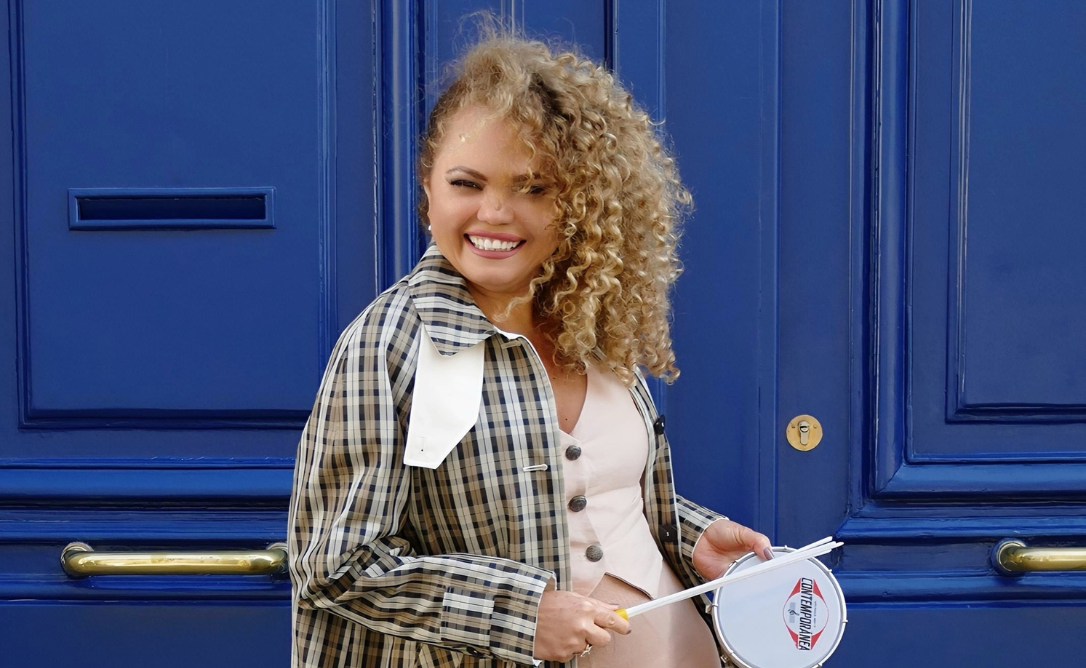
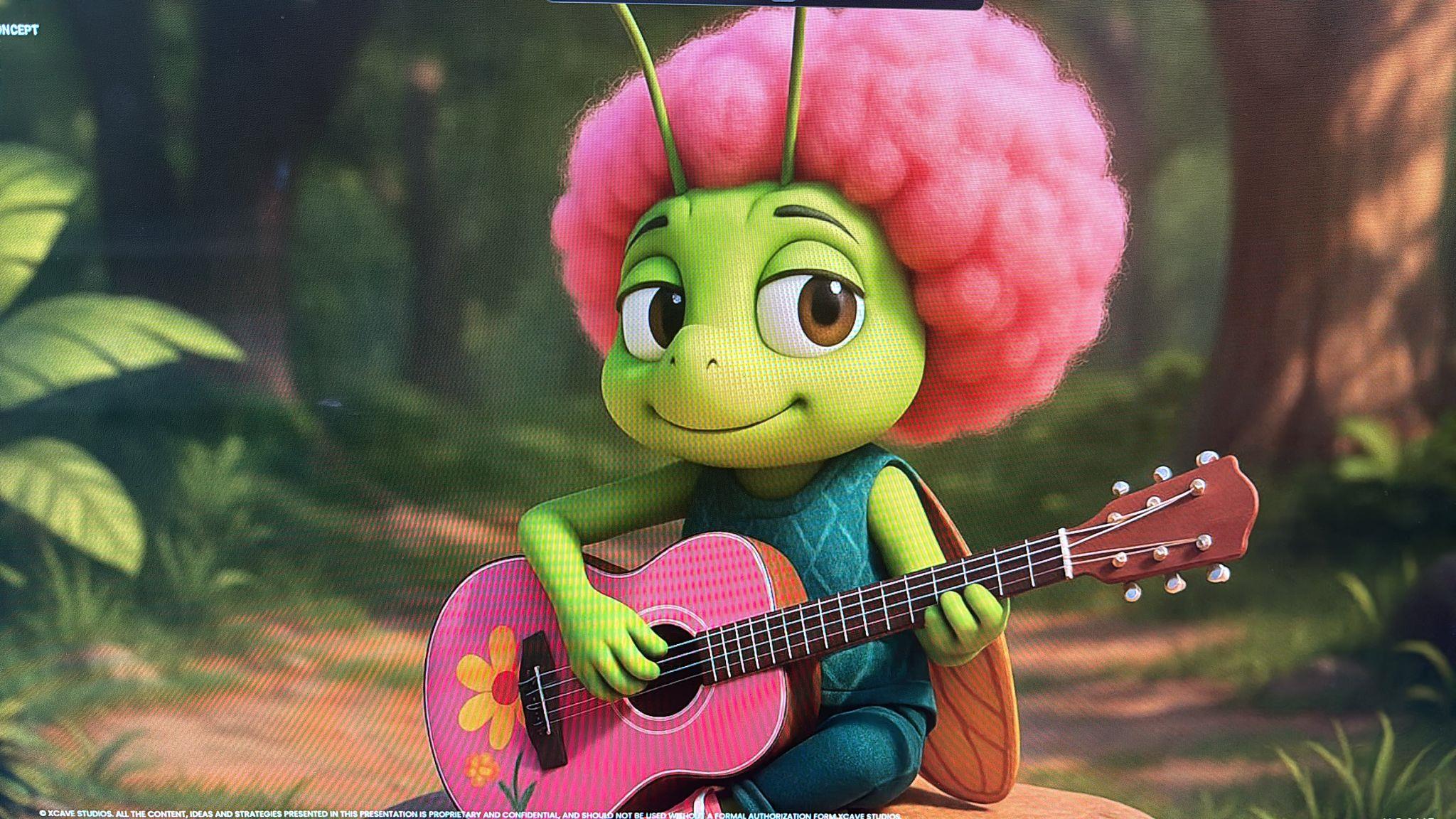
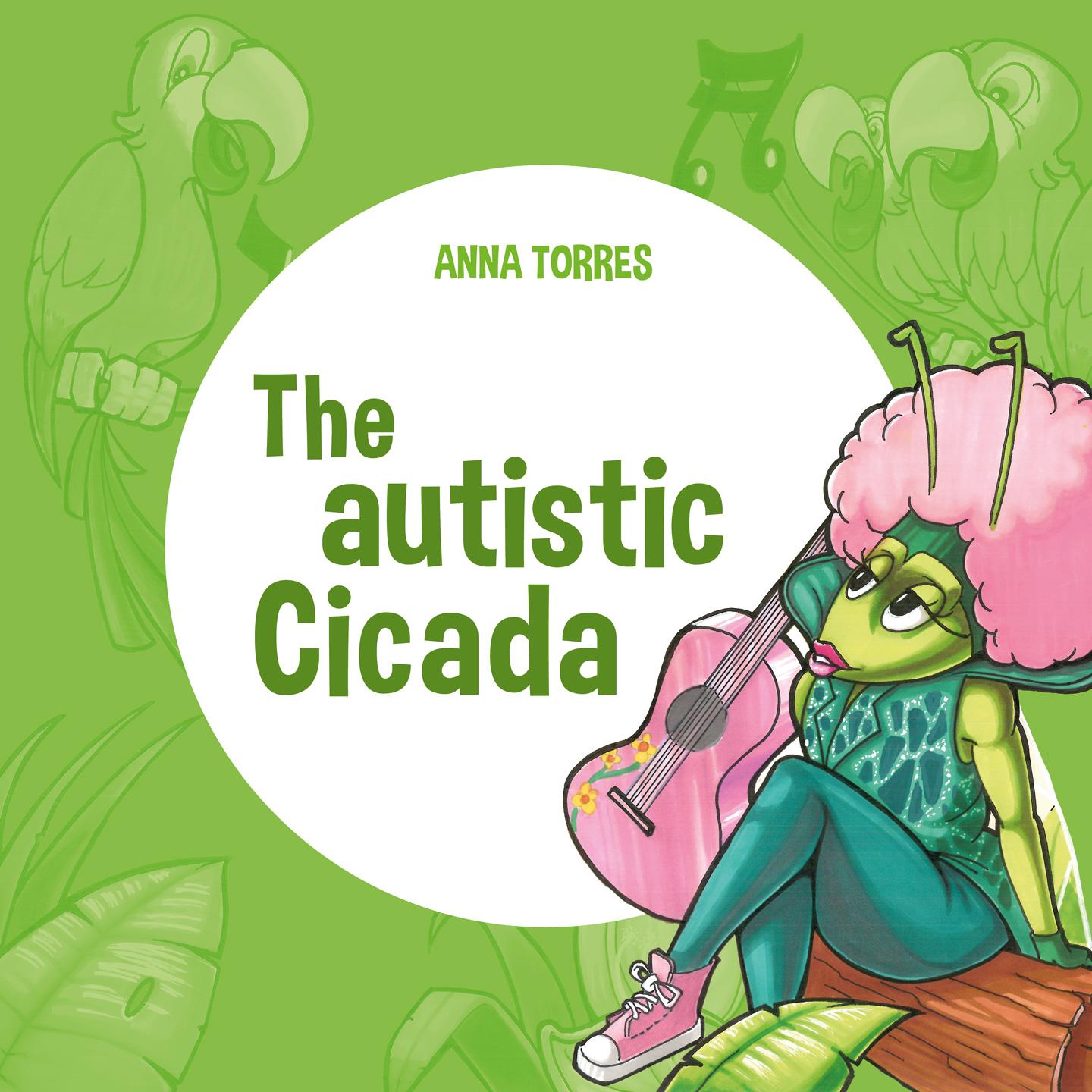
Born in Lago da Pedra, in the Brazilian state of Maranhão, and currently based in France, singer, songwriter, author, and cultural producer Anna Torres has spent 35 years building a career dedicated to celebrating Brazilian culture and connecting with international audiences. Through musical performances, cultural projects, and social initiatives, she found inspiration in her own experience as the mother of an autistic daughter to create La Cigale Autiste – The Autistic Cicada, a multidisciplinary project that uses art to raise awareness about neurodiversity, empathy, and respect for human differences.
Bringing together literature, music, animation, and musical theater, the initiative has reached audiences across different countries and cultures. Produced in nine languages, the animated short film was screened in 169 Brazilian movie theaters between September and October 2026, with an estimated reach exceeding eight million views. The project also made its way to the United States, where Anna presented the English-language edition of The Autistic Cicada and its animated adaptation at the Center for Family Support in New York in September 2026. The artist has also participated in international events, including the Best of Brazil Global Awards and performances associated with UNESCO in Paris.
Alongside her work promoting inclusion, Anna continues to develop her music career for adult audiences through SOUL BRASILEIRA JAZZ, a live performance that blends soul, jazz, funk, and Brazilian music. The show features original compositions alongside tributes to artists such as Nina Simone, Tânia Maria, Sandra de Sá, Djavan, Milton Nascimento, and João do Vale. Her artistic work also reflects her commitment to disability rights, anti-racism, women’s empowerment, and environmental preservation.
By bringing together personal experiences, artistic expression, and social commitment, Anna Torres seeks to demonstrate how culture can transcend borders and contribute to a more inclusive society. Her artistic philosophy is captured in a simple yet meaningful message: “Everyone has their own unique way of shining.” Discover more about her journey, her projects, and her relationship with the arts in this interview!
The Autistic Cicada was born from a deeply personal experience, as the mother of an autistic daughter, but it eventually became an international project encompassing literature, music, animation and theatre. At what point did you realise that this family story could also resonate with other families and people from very different cultures?
The Autistic Cicada was born out of love, motherhood and my personal experience as the mother of an autistic daughter. When I first began creating this story, I never imagined it would reach an international audience. Initially, it was a way of expressing feelings that we often struggle to put into words: love, challenges, discoveries and, above all, the importance of understanding and respecting differences.
At a certain point, I realised that this story did not belong to my family alone. It spoke about something much greater: every person’s right to be welcomed, respected and recognised in their individuality.
A Brazilian mother, a French child, a Chinese or American family may live in very different cultural realities, but love, the need to belong and the desire to be understood are universal feelings.
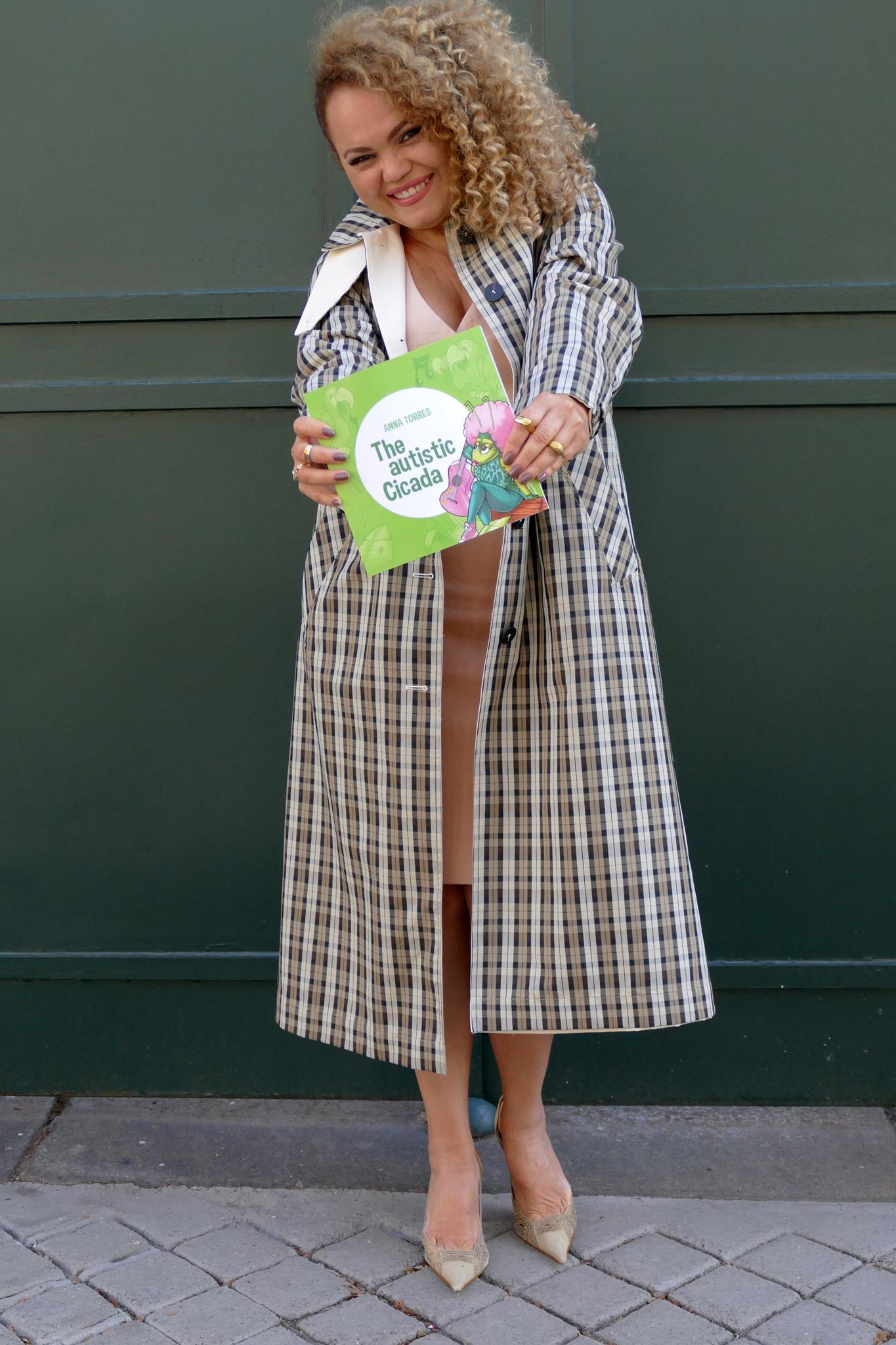
That was when I understood that The Autistic Cicada could cross borders. Today, it is a project that brings together a book, a CD, an animated short film and a musical, sharing a message of inclusion, empathy and respect for diversity. To me, it proves that a story born in the heart can find its way into many other hearts.
The project has already been adapted into nine languages and has reached audiences in different countries. When a work addresses neurodiversity and inclusion, what needs to remain universal in every translation, and what needs to be adapted to respect the cultural realities of each place?
The essence must remain unchanged: respect, empathy, human dignity and every person’s right to exist without having to fit into a predefined standard.
I believe inclusion should have no borders and should never depend on nationality, language or culture. However, the way we communicate this message needs to respect the sensibilities of each society.
Every language carries its own history, musicality and way of expressing feelings. That is why adapting The Autistic Cicada for different countries is not simply about translating words, but about finding the most meaningful way to convey emotions.
The project has reached nine languages, including Portuguese, French, English, Spanish, Italian, Mandarin Chinese, German, Japanese and Arabic. Each adaptation represents a cultural encounter and an opportunity for dialogue.
One particularly special experience was the Mandarin version, which was adapted and performed by Sijia Li. This encounter showed me that art can build bridges between cultures that might otherwise never have had the opportunity to meet.
The words may change from one language to another, but the message must remain the same: everyone has their own unique way of shining.
You have chosen to approach inclusion not only through speeches or campaigns, but through art. What can a song, a book or an animation evoke emotionally that a purely educational explanation about autism and neurodiversity might not be able to achieve?
Art has an extraordinary ability to reach places that words alone often cannot.
An educational explanation can provide information, clarify concepts and expand knowledge. All of that is essential. But art has the power to make someone feel, identify with another person’s experience and put themselves in someone else’s shoes.
When people listen to a song, follow a story or watch an animation, they can develop an emotional connection with characters and experiences different from their own.
That is precisely where I believe the power of art lies: it does not need to convince people that differences deserve respect. It can make them feel and understand this emotionally.
I do not want The Autistic Cicada to be seen merely as a work about autism. I want it to be a work about humanity. About the importance of looking at others without judgement, recognising their potential and understanding that there are many different ways to feel, learn, communicate and live.
And there is something very important that I always make a point of highlighting: I do not simply talk about inclusion; I strive to put it into practice. In The Autistic Cicada musical, in both its Portuguese and French versions, I work with exceptionally talented autistic artists, including Vinícius Porto, Victor Oliveira and Kevin Vaquero, who are part of my team. For me, inclusion also means creating real opportunities for participation, employment, artistic expression and recognition.
Inclusion begins when we stop asking why someone is different and start discovering the beauty of what makes each person unique.
After 35 years in the industry, your career brings together music, cultural production, literature, social causes and experiences in different countries. Was there a particular moment when you realised that your role as an artist was no longer simply to entertain, but also to create spaces for representation and social transformation?
I believe this awareness developed gradually throughout my journey.
I have dedicated 35 years to music, songwriting, artistic production and culture. I have had the opportunity to take part in musicals, release ten albums, develop original projects and bring my work to different countries.
Music has always been my language, but over the years I came to understand that it could also be a powerful tool for transformation.
When I became the mother of an autistic daughter, my perspective on the world changed profoundly. I became even more aware of the importance of representation, accessibility and opportunities for people who do not always find a place in society.
I realised that talking about inclusion was not enough. We needed to create real opportunities for these individuals to be present in books, on stages, on screens, in music and in cultural spaces.
I do not believe artists are obliged to carry every cause in the world, but I do believe they have the freedom and responsibility to choose what they want to communicate through their art.
Today, I feel that my mission is to bring together what I have always loved doing and what I deeply believe in: building bridges through culture, giving visibility to differences and contributing to a more humane world.
SOUL BRASILEIRA JAZZ presents another side of your work, bringing together soul, jazz, funk and Brazilian music while paying tribute to artists such as Nina Simone, Tânia Maria, Djavan, Milton Nascimento and João do Vale. How do you balance this musical universe, aimed at an adult audience, with your work on The Autistic Cicada, without feeling that you have to choose just one artistic identity?
For me, there is no conflict between these worlds, because they are all part of the same artistic essence.
Music has always been my home. Soul, jazz, funk and Brazilian music allow me to explore different sounds, emotions and interpretations. Artists such as Nina Simone, Tânia Maria, Djavan, Milton Nascimento and João do Vale represent musical worlds that I deeply admire and that are part of the richness of our cultural identity.
With SOUL BRASILEIRA JAZZ, I have the freedom to explore my voice, my influences, my Brazilian roots and my relationship with Black music, artistic freedom of interpretation and the richness of Brazilian rhythms.
The Autistic Cicada, on the other hand, was born from a different need: to transform a life experience into an artistic message of inclusion and humanity.
But deep down, both projects have something in common: the freedom to be who we are.
I do not believe an artist needs to choose just one identity. We are made up of many stories, feelings and possibilities. I can be on stage performing a soul classic and, at another moment, giving a voice to a cicada that wants to show the world that being different is wonderful too.
I am a singer, songwriter, writer and producer, and above all, an artist who loves to experiment, create and share emotions. Art should never limit us to a single definition.
Your journey spans Brazil and France, as well as performances and projects in places such as New York, London and Paris. How has living between different cultures changed the way you see Brazilian music and what it can communicate to international audiences?
Living between Brazil and France has greatly broadened my artistic and cultural perspective. I was born in Lago da Pedra, in the state of Maranhão, and I carry my roots, my emotional memories and the richness of Brazilian culture with me. At the same time, living in France has introduced me to other languages, influences and ways of understanding art.
Today, I see Brazilian music with even greater pride. We have an extraordinary diversity of rhythms, melodies, stories and influences. Our music carries joy, resilience, poetry, ancestry and a very special ability to connect with different cultures.
When I perform in Paris, New York, London or elsewhere in the world, I realise that audiences do not necessarily need to understand every word to feel the emotion of a song.
Music has this wonderful ability to transcend language barriers.
I believe Brazilian artists have so much to offer the international scene, not only because of the quality of our music, but also because of the cultural identity we carry.
Recently, I had the joy of launching the book, CD and animated short film THE AUTISTIC CICADA at the Center for Family Support, on Seventh Avenue in New York. It was a deeply moving experience. Seeing the director of this institution so touched by the project, to the point of being moved to tears, was one of those moments I will carry with me for the rest of my life. It reminded me once again that a story born from a personal experience can deeply touch people from different cultures and backgrounds.
I do not want to stop being Brazilian in order to become international. On the contrary, I believe it is precisely my Brazilian identity that allows me to connect with the world.
Your artistic philosophy is summed up in the phrase, “Everyone has their own unique way of shining.” After creating The Autistic Cicada, witnessing its international expansion and reflecting on your 35-year career, has the meaning of this phrase changed for you?
This phrase has taken on an even deeper meaning.
Previously, I understood it mainly as a philosophy of artistic freedom and individuality. Today, after everything I have experienced as a mother, an artist and the creator of The Autistic Cicada, I understand that it also represents a commitment to human dignity.
Every person has their own pace, their own way of feeling, learning, expressing themselves and discovering the world. We cannot measure someone’s light by using another person’s brightness as a reference.
My daughter has taught me so much about this. She has taught me to look beyond expectations, to recognise small and great achievements, and to understand that there are many different forms of communication and expression.
And today, I am especially happy to be presenting THE AUTISTIC CICADA in London, at the Inclusive Circle, bringing the animated short film and the book/CD to a new international audience.
My journey is still unfolding: on 31 December, I will perform at a New Year’s Eve celebration in Monaco, and on 30 January 2027, I will present SOUL BRASILEIRA JAZZ at La Dame de Canton in Paris.
The international expansion of The Autistic Cicada has also shown me that this message can touch people of different ages, languages and cultures.
After 35 years in the industry, I continue to believe that art is one of the most beautiful ways of bringing people together. But today, I am even more certain that my greatest wish is not simply to be heard: it is to help ensure that other people also have the opportunity to be seen, heard and respected.
Because the world does not need everyone to shine in the same way. It simply needs to learn to recognise the light that exists within each of us.
Everyone has their own unique way of shining.
Follow Anna Torres on Instagram. Visit cigarra.club.