Now Reading
From 1915 Air Thrills to 2025 Careers: SFO’s “Flying on Display” Meets a Hiring Boom

From 1915 Air Thrills to 2025 Careers: SFO’s “Flying on Display” Meets a Hiring Boom
From 1915 Air Thrills to 2025 Careers: SFO’s “Flying on Display” Meets a Hiring Boom

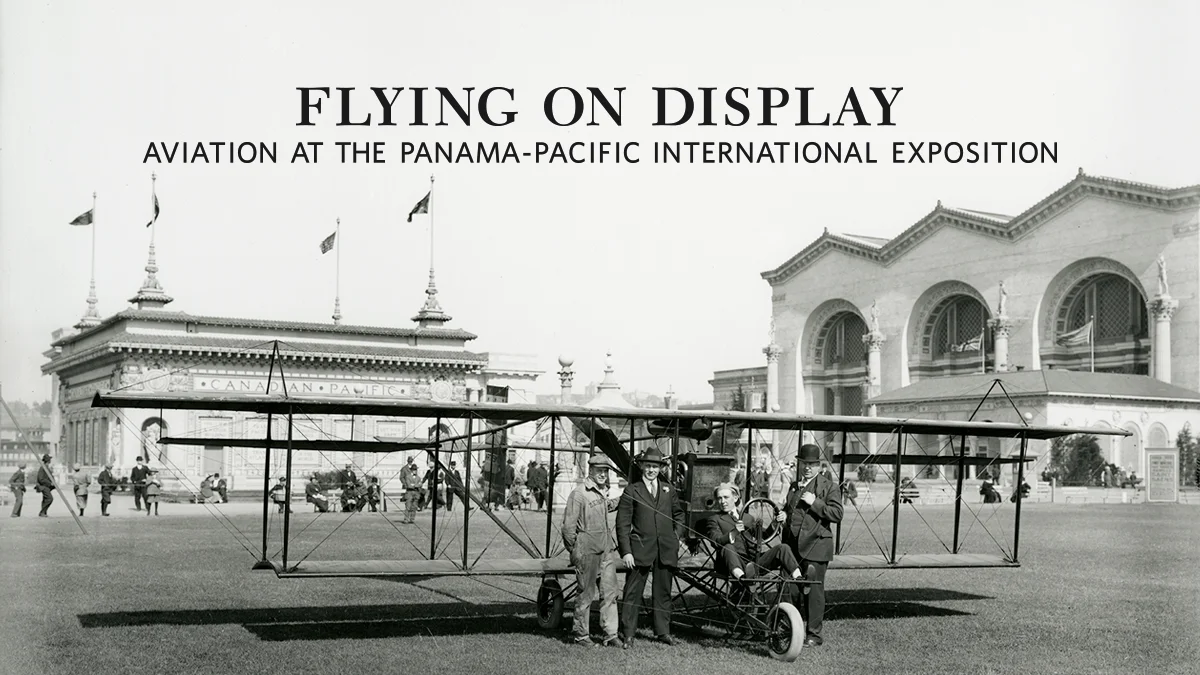
Walk into Harvey Milk Terminal 1, Gallery 1G at SFO and you’re greeted by images that once stopped a world’s fair in its tracks: Lincoln Beachey waving from his monoplane, Charles F. Niles lifting off from the North Gardens, and the Loughead brothers (who later spelled it Lockheed) turning the bay into an aerial playground. The exhibition—“Flying on Display: Aviation at the Panama-Pacific International Exposition”—runs through June 14, 2026, and pulls directly from 1915 glass-plate photographs, giving today’s travelers a front-row seat to aviation’s first blockbuster era.
The PPIE exhibit supplies the spark; the modern training pipeline turns that spark into skills. “Inspiration never goes out of style. Crowds saw Beachey and thought, maybe that could be me. Our work is taking that spark and turning it into safe habits, ratings, and a first cockpit job,” says Mario McGee, founder of Bario Aviation in San Antonio. His school is built as a one-stop shop—flight training, aircraft rental, maintenance, and air tours—so beginners can progress from a discovery flight to their first checkride without losing momentum.
McGee’s favorite historical echo is the Loughead brothers’ 1915 operation—famously offering $10 sightseeing flights that proved aviation could be both thrilling and practical.
“A century ago, the Lougheads turned awe into access. Today, we do the same with structured training, modern avionics, and clear steps from discovery flight to commercial checkride,” he says. The through-line from fairgrounds to flight schools is simple: give people a taste of what’s possible, then give them a path.
What does that path look like in 2025? At Bario’s Kelly Field (KSKF) base in Port San Antonio, students start with focused ground lessons and frequent, efficiently scheduled flights—helped by uncongested airspace—and progress to instrument and multi-engine work in avionics-equipped trainers. The practical setup matters: currency and cockpit time are what move a student from enthusiasm to employability. “That moment you rotate and feel the airplane fly—that’s the hook. We guide students from that first lift-off to real-world proficiency and a career path,” McGee says.
The SFO show makes an ideal peg for telling this broader workforce story because it reminds us how public demonstrations once built the talent pipeline. In 1915, daily flights by marquee pilots didn’t just entertain; they recruited the imagination of the next generation. Today, Boeing’s forecast formalizes what those crowds intuited: aviation thrives when there’s a clear runway from inspiration → instruction → industry. That means accessible discovery flights, competency-based syllabi that compress time-to- proficiency, and schools configured to keep students flying often enough to build skill—and confidence.
As McGee puts it: “Aviation has always grown on inspiration. Exhibits like this supply it; schools like ours convert it into skill.”


Exhibit details: “Flying on Display: Aviation at the Panama-Pacific International Exposition,” Harvey Milk Terminal 1, Departures Level 2, Gallery 1G, June 17, 2024 – June 14, 2026.


See Also
Luxury just crossed a threshold the industry has never faced before: five generations are simultaneously shaping what prestige means, and their definitions don’t simply differ. They collide. For Baby Boomers, luxury is still rooted in achievement, craftsmanship, and the symbols of earned success: a Rolex, the Hermès Kelly, the heritage hotel that feels like a private club. Gen X prizes functional excellence with minimal theatre. Millennials expanded luxury into experiential ecosystems of wellness, values, and meaning, not just products. Gen Z is rewriting the contract entirely, demanding ethical alignment and cultural fluency over legacy prestige. And Gen Alpha is emerging as the first generation that doesn’t distinguish between physical and digital status at all. Here’s the strategic reality: by 2030, Millennials and Gen Z are projected to represent roughly 80% of global luxury spending. That’s not a gradual shift. It’s a transfer of influence and market power happening in real time. Yet many luxury brands are still optimizing for the buyer profile of the past—customers who will soon represent a fraction of their revenue. The brands that win this transition won’t necessarily be those with the longest heritage or the highest prices. They will be the brands that can preserve a coherent identity across five value systems without diluting what made them valuable in the first place. In other words: they will be the brands that understand trust. Luxury has always been about trust. Not the marketing version of trust. The lived version. If there’s a single idea that should anchor luxury’s next decade, it’s this: heritage without relevance is just expensive nostalgia. Prestige Just Got Complicated The old prestige model was beautifully simple: exclusivity plus price equals desirability. Display the logo, demonstrate the cost, collect the status. That formula is dead. Today, prestige is multidimensional and unforgiving. Younger consumers reward substance over signaling. They evaluate brands not by press releases but by measurable performance—how brands behave, what they support, who they include. They want storytelling that connects heritage to contemporary culture without the corporate museum tour. Increasingly, they expect digital sophistication that strengthens (not replaces) human connection. This has created an uncomfortable truth for many legacy brands: reputation now expires faster than it used to. Prestige isn’t inherited anymore. It’s continually renegotiated. Luxury is no longer a guarantee of loyalty. It’s a test of relevance. We can already see the fault lines. “Hard luxury” categories such as watches and jewelry often retain cross-generational loyalty because craftsmanship translates across age. But fashion, beauty, and accessible luxury are experiencing unprecedented switching. Trend acceleration, resale culture, and price scrutiny are making younger consumers ruthlessly pragmatic. They’ll wear vintage Chanel but purchase new from The Row. They’ll inherit a Patek Philippe but spend their own money on a pre-owned Rolex. The implication is clear. Product alone no longer protects market position. Category dynamics matter, but customer experience is more significant. Luxury is still supposed to feel like a relationship. And too many brands have forgotten that. The $80 Trillion Question: Influence Comes Before Inheritance Everyone in luxury knows about the great wealth transfer, more than $80 trillion projected to move between generations by 2045. But too many brands talk about it as if it were a future event. They’re missing the real story: influence precedes inheritance by decades. Within UHNW households, young adults increasingly shape decisions on travel, art, fashion, dining, philanthropy, and real estate long before they control assets. The 28-year-old heir may not sign the wire transfer for the villa, but they are choosing the destination, the architect, and the sustainability standards. Luxury brands focused exclusively on current wealth holders are quietly losing family lines of loyalty. The mistake isn’t ignoring young consumers. It’s treating them as a separate segment rather than the decision influencers they already are. The smartest operators aren’t waiting for assets to change hands. They are building relationships before the money moves. Brands Don’t Notice Until It’s Too Late Luxury relevance rarely collapses overnight. It fades through muted cultural presence, creative stagnation, and misalignment with emerging values. By the time leadership sees sales decline, the brand has already lost years of momentum. And rebuilding takes time. Three to seven years, minimum. That’s why short-term tactics often fail. Brands attempt shortcuts through hype cycles or rapid creative pivots, and the market punishes inconsistency harder than it rewards boldness. The strongest recoveries share a pattern: coherent long-term direction, elevated craftsmanship, renewed emotional storytelling, credible ESG integration, controlled distribution, and pricing integrity. Notice what’s missing: trend-chasing, influencer saturation, and defensive discounting. Hermès, Chanel, Rolex, Patek Philippe, Louis Vuitton, Porsche succeed because they understand strategic restraint. They know what is untouchable in their DNA. They evolve aesthetics without abandoning foundations. They participate in culture intelligently, not reactively. Luxury isn’t built through constant reinvention. It’s built through disciplined relevance. What Department Stores Reveal About the Industry The luxury press loves to frame recent department-store disruption as “distribution model failure.” It’s a convenient story. It’s also incomplete. The deeper issue isn’t logistics. It’s not merely balance sheets. It’s the breakdown of luxury’s core differentiator: relationship. In the past, the department store existed to give customers access to maisons they couldn’t easily reach, and to deliver a level of service worthy of those maisons. But today, many customers can go directly to the brand online and be treated with extraordinary care. So why would they pay the same price (or more) to be treated as anonymous? To put it bluntly: if you remove service, what makes luxury better than a mass retailer? And customers notice. They don’t stop buying luxury altogether. They stop buying luxury from places that don’t respect them. As I’ve said privately and publicly: the luxury market hasn’t “softened.” Consumers still spend. They just don’t waste money. That’s the shift many leadership teams still don’t fully acknowledge: today’s luxury buyer is highly discerning, highly informed, and fully willing to redirect loyalty. Tech Isn’t the Enemy of Luxury—Misuse Is Some luxury brands claim they “can’t scale intimacy.” They say relationships are too expensive, too complex, too personal to deliver at scale. This is no longer true. The real innovation in luxury isn’t visible technology—it’s invisible technology that enables a more human experience. When done well, clients don’t see AI. They feel remembered. There are brands already executing this brilliantly: you walk into the store, and you are greeted by name. The associate knows your last purchases, important dates, preferences, and likely intent without ever holding up a tablet like a script. That doesn’t happen by magic. It happens because technology now allows luxury to deliver personalized service at scale if the brand chooses to invest in it. The brands who say they can’t do this aren’t blocked by technology. They’re blocked by priorities. The Strategic Recalibration Most brands approach the generational transition with the wrong question. They ask: “How do we attract younger consumers?” The better question is: How do we remain coherent across five different definitions of prestige? The answer lies in identity clarity. The brands leading the next decade already know what cannot change about them. They modernize thoughtfully. They evolve design and storytelling without erasing heritage. They invest in ESG with measurable action because transparency has replaced reputation as trust currency. They create omnichannel personalization that adapts the client experience to life stage without fragmenting brand voice. Most importantly, they rebuild luxury where it belongs: in the relationship. What Happens Next Between now and 2035, luxury will complete its transition from a heritage-led industry to one shaped by values-driven, digitally native consumers who view prestige as emotional and ethical. The future luxury ecosystem will be more experiential, more ethical, more digital, more community-driven, and globally interconnected. It will be shaped more by identity and wellness than by traditional status markers. And it will be led by brands with consistent identities rather than those who mistake adaptability for strategy. Gen Alpha is already arriving fully shaped by AI, immersive technology, and hybrid physical-digital identities. Their definition of luxury will make today’s debates about quiet luxury versus logomania seem quaint. The strategic imperative for luxury leadership is straightforward: clarify what is untouchable, evolve what is necessary, and protect long-term vision against short-term pressure. In the end, the brands that survive this collision won’t be the loudest. They’ll be the ones that remember luxury’s oldest truth: trust is built one detail at a time. Christopher Olshan is the CEO of The Luxury Council, which provides strategic intelligence and advisory services to luxury brands, hospitality properties, and C-suite executives navigating generational transformation, UHNW market dynamics, and competitive positioning across global luxury markets. He is the author of White-Glove Trust (releasing globally in February 2026).

From 1915 Air Thrills to 2025 Careers: SFO’s “Flying on Display” Meets a Hiring Boom

View Comments (0)

Leave a Reply

Your email address will not be published.

Scroll To Top