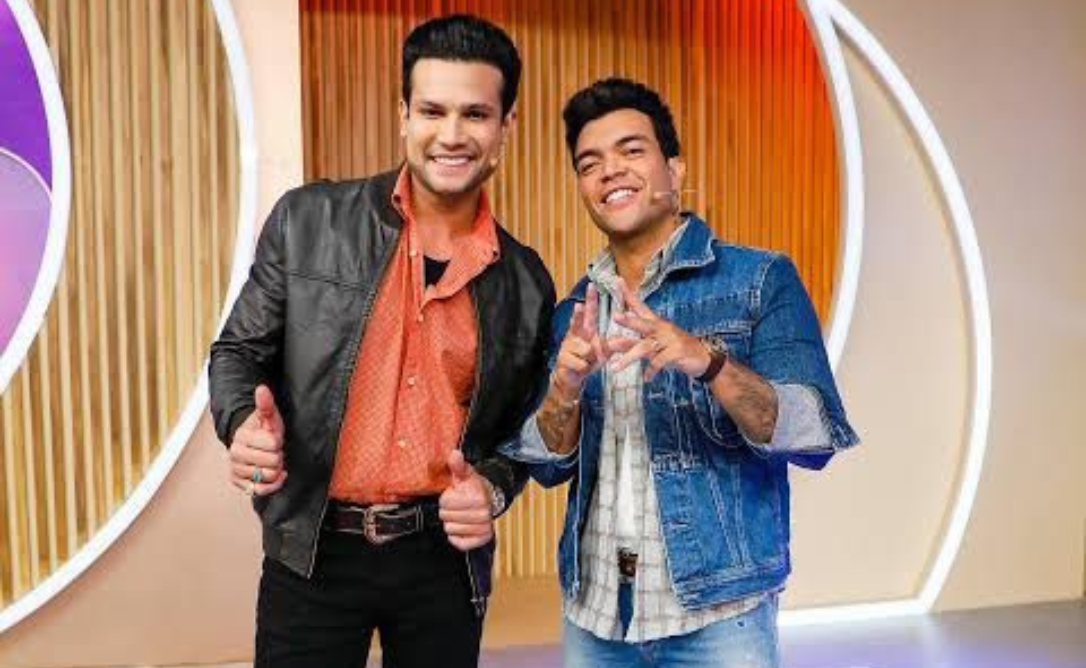
Arrocha, a rhythm that filled parties, radio stations, and love stories between 2011 and 2015, returns to the stage in 2025 with the voices of Os Caras do Arrocha , a project that reunites Israel Novaes and Thiago Brava . Driven by a strong sense of nostalgia, the artists decided to revisit the musical aesthetic that marked their careers and became an emotional memory for an entire generation, also fueled by the growing wave of nostalgia that has taken over social media in recent years.
With the DVD “Os Caras do Arrocha e a Turma de 2012” (The Arrocha Guys and the 2012 Crew), the duo celebrates an era that revealed great names in the national scene and made the genre a true popular phenomenon. The repertoire includes hits that remained on the charts for months throughout the country, as well as unreleased tracks that maintain the light, engaging, and danceable essence of arrocha, seeking to introduce the rhythm to new generations without abandoning its original identity.
The project’s shows have filled venues like Villa Country and brought together audiences of different ages, confirming that arrocha has not only withstood the test of time, but remains alive in the collective imagination. Between memories of a magical era of Brazilian music and plans for new compositions and collaborations, Israel Novaes and Thiago Brava emphasize that the movement continues to evolve and that there is still much to be explored within this universe that has conquered the country.
Check out the interview with Israel Novaes, one member of the duo:
Arrocha music marked an entire generation. What sparked your desire to revive this rhythm now, in 2025, and bring it back to the stage in grand style?
The “arrocha” style, with its country music twist, was very significant between the end of 2011 and 2015. It revealed many artists and remains in the fond memories of a generation across all regions of Brazil. Since the pandemic, a wave of nostalgia has begun to emerge on social media, and we were sensitive enough to understand that it was the right time to remember all of this by coming together again. If reliving it is already powerful for the fans, imagine how it is for us, who lived through that period as one of the most important—if not the most important—of our careers.
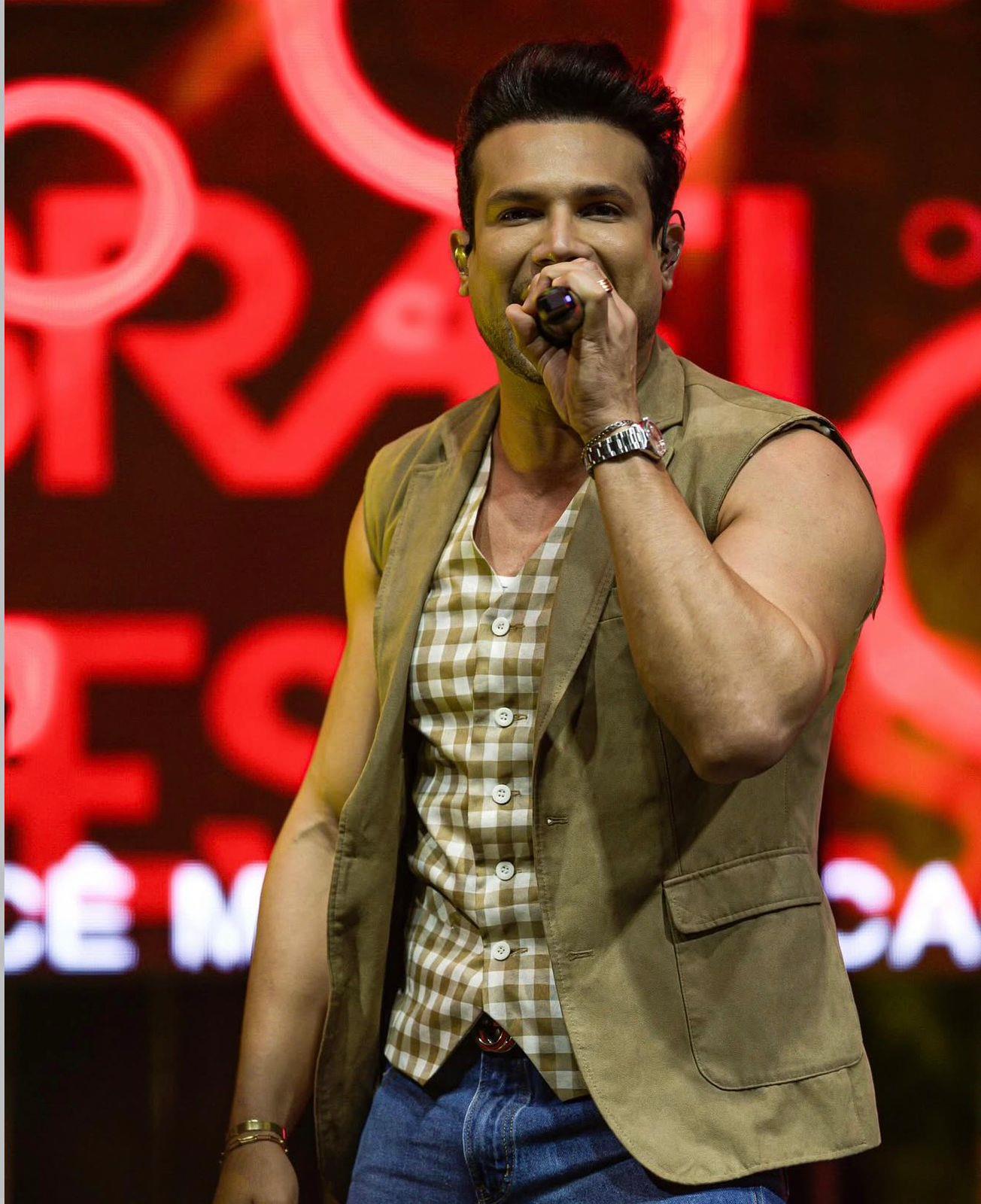
The DVD “Os Caras do Arrocha e a Turma de 2012” celebrates an era that the public cherishes. What was the process like for choosing the repertoire and reliving songs that were part of so many people’s history?
On the one hand, choosing the repertoire was easy because there are a huge number of good songs that were hits. On the other hand, it was difficult because there are always other great songs that get left out. But we have other plans ahead that will involve even more songs.
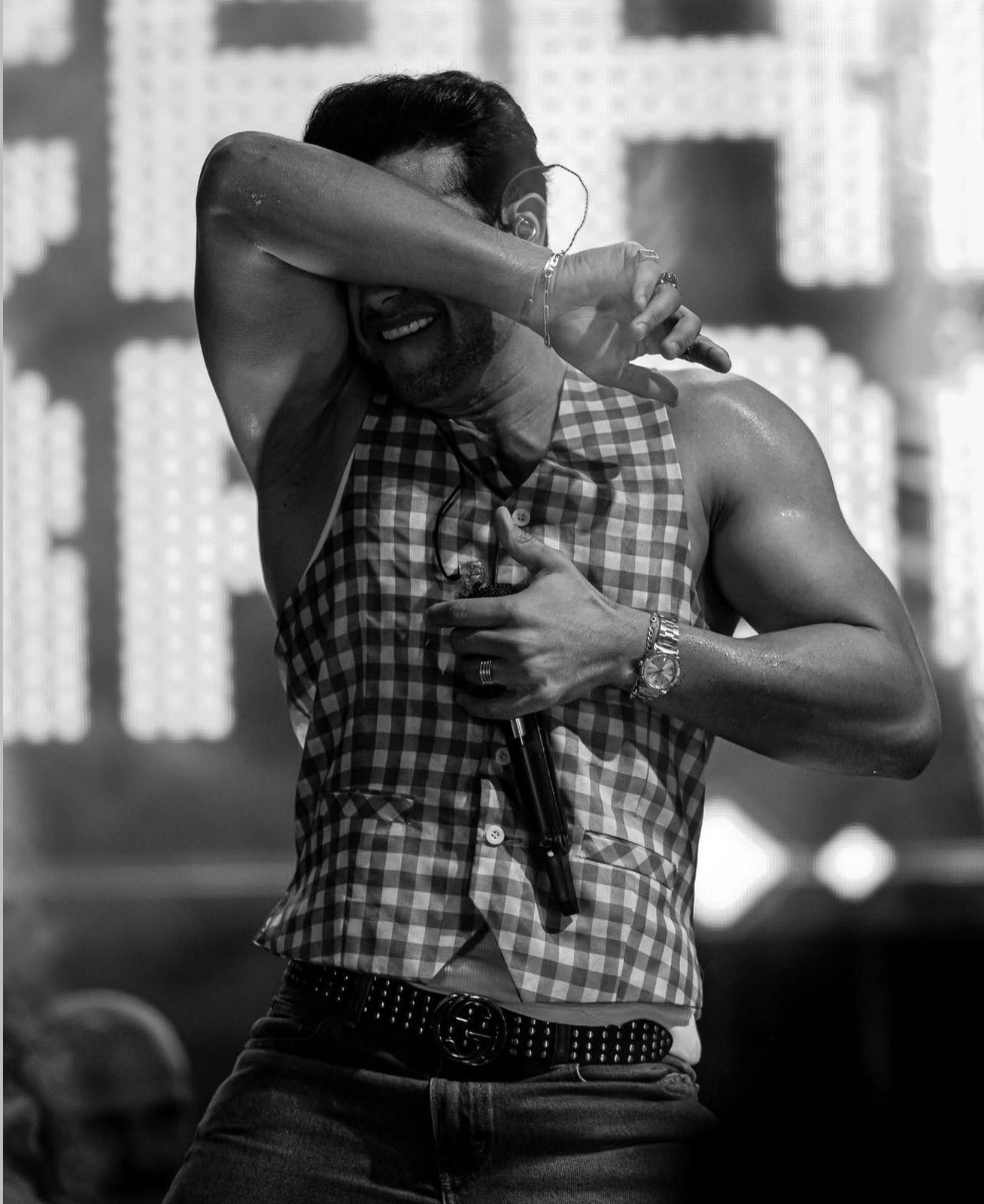
Resurrecting the past without becoming trapped by it is a challenge. How do you balance the nostalgia of the classics with the modern approach that today’s audience expects?
In this latest project, we have two unreleased tracks, but without losing the essence: joy, upbeat rhythm, and contagious energy. There are many re-recordings because our main differentiator is bringing back hits that marked an era for a generation and presenting them to new audiences.

The project’s shows have been filling venues like Villa Country. What moves you most about seeing people of different generations singing the same songs?
This comeback shows that music will never be ungrateful to those who dedicate themselves to it wholeheartedly. We’re talking about a time when a song could stay on the charts for up to a year, so there was enough time for it to become the soundtrack to many people’s lives. Because of this, even parents passed the songs on to their children!

What was the experience of recording the DVD like — both from an artistic and technical point of view? Was there any behind-the-scenes moment that particularly stood out for you?
It wasn’t easy recording a DVD and simultaneously performing a show, practically without breaks. The most remarkable thing was deciding everything at the last minute and being surprised by an audience of over 5,000 people on a Tuesday in Goiânia. Everyone, just like us, was mesmerized by reliving something so magical again.

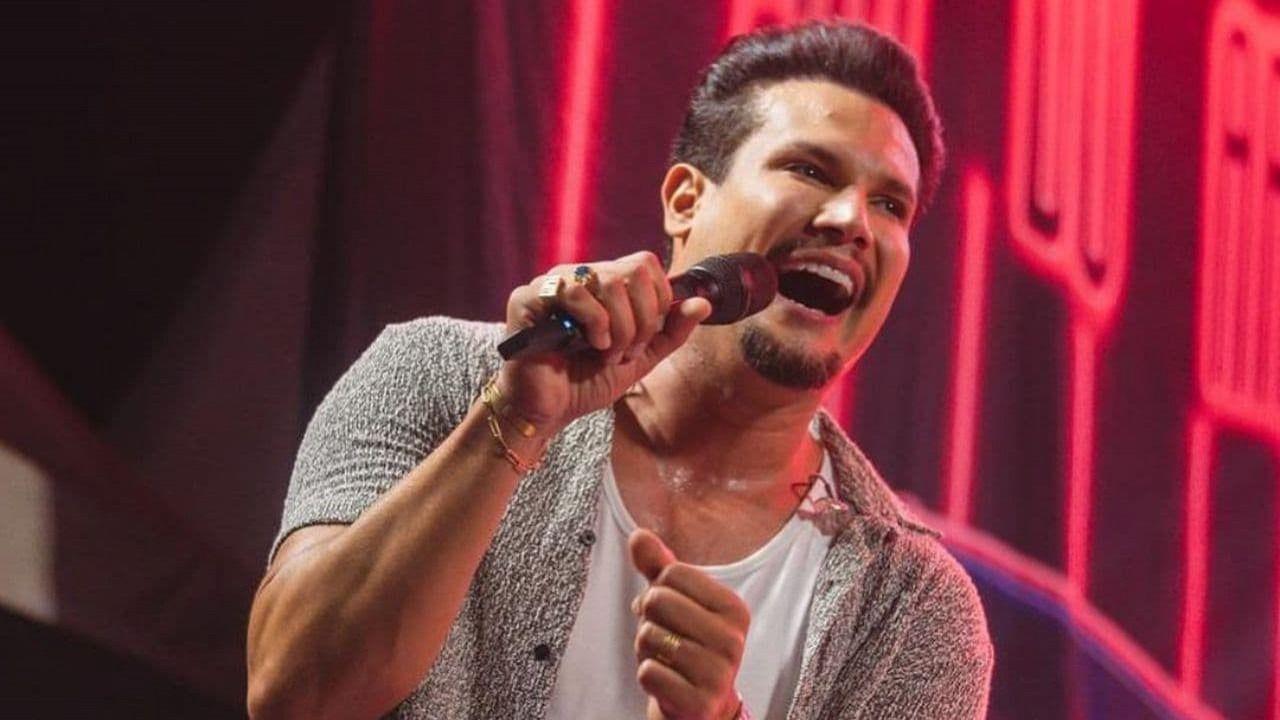
The music market today is dominated by genres like sertanejo universitário, piseiro, and pop. Where do you think arrocha fits into this new scene?
For us, arrocha was never just a musical style. Given the context of the time, it was a movement, and it has always been present. It has never lost its place. There’s room for everything in a continental and eclectic country like ours!
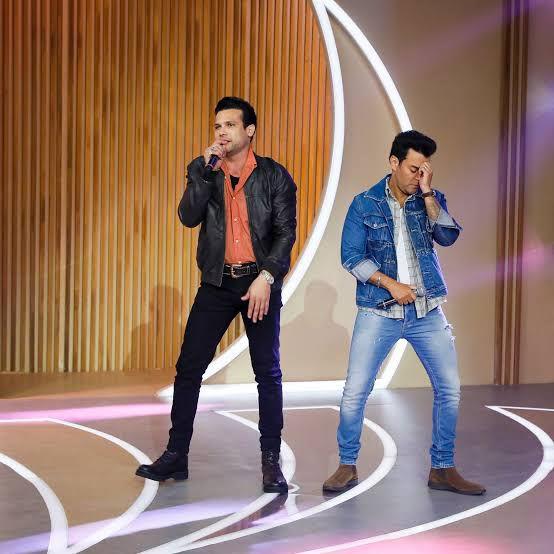
Israel Novaes and Thiago Brava have solid careers in sertanejo music. What is it like when two already established artists come together to revisit a style that was part of both of their youth?
We’ve always frequented the same places and shared stages all over Brazil. It wasn’t difficult to unite something that, in practice, has always had so much in common.
After the DVD and the tour, what’s next? Do you have plans for new compositions, collaborations with artists of the new generation, or even a second volume of the project?
There’s still so much to explore in a project that has been so successful. The re-recordings were just the starting point, and while maintaining our essence, we have plans, new songs, and other collaborations ahead.
Follow on Instagram: Os Caras do Arrocha | Thiago Brava | Israel Novaes