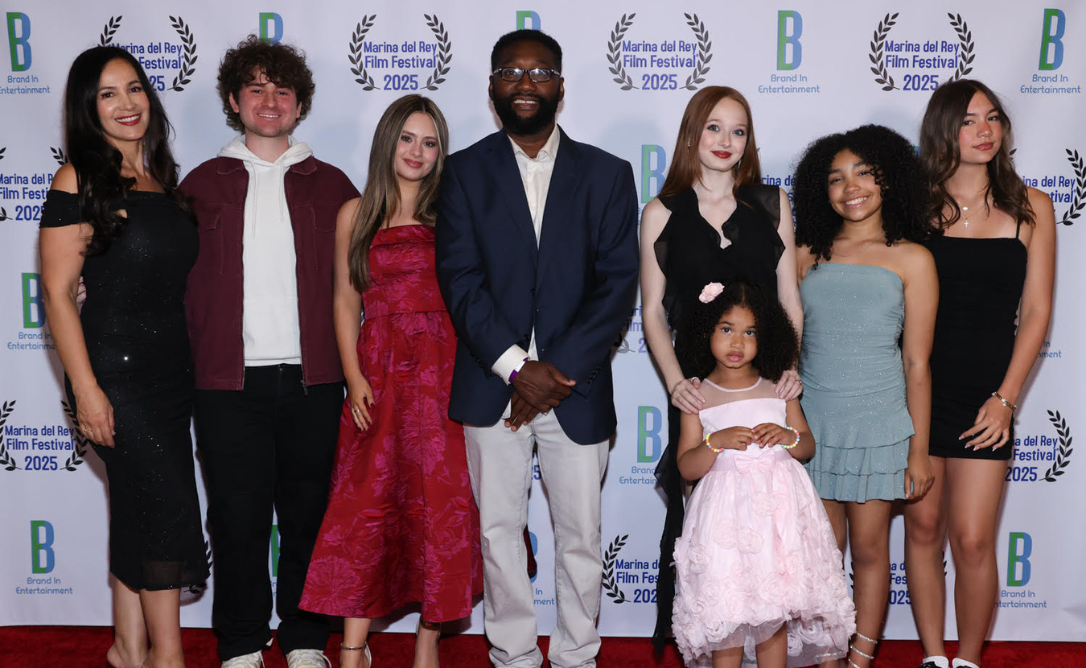
The Film Fest LA spotlighted the distinctive vision of filmmaker Dr. John Neal, whose feature-length horror film Coral left a strong impression on audiences. Blending psychological tension, supernatural elements and an emotional undercurrent, the film was one of the evening’s highlights within the Kash Hovey and Friends Film Block.
Neal’s work was further recognized when the official trailer for CORAL – The Haunted Assignment won the award for Best Horror Trailer, underscoring his skill in building suspense and crafting genre-driven imagery that resonates with viewers.
The festival also screened The Haunted Assignment, starring Ayla Rae Neal, Charlie Townsend, Reese Herron, Jaime Adler and Jax Malcolm. Neal’s direction once again demonstrated his ability to guide young actors while creating haunting atmospheres that elevate the emotional stakes of each story.
With a voice that merges mystery, fear and human vulnerability, Dr. John Neal continues to emerge as a standout figure in independent horror cinema. Film Fest LA celebrated not just a filmmaker, but a growing artistic signature that leaves audiences both captivated and unsettled.
Coral – The Haunted Assignment won Best Horror Trailer at the festival. What was the original spark behind a story that blends haunting, investigation, and youth?
The concept of revenge emerged as a central theme after witnessing numerous instances where children lost their lives for reasons that remained unclear. These experiences led to profound questions about the motivations of parents and guardians who committed such unimaginable acts against their own children. The unsettling nature of these tragedies sparked a deep desire to explore not only the haunting elements within the story but also the underlying forces and emotions that drive individuals to such extremes.
Horror often reflects collective fears. Which fear did you most want to explore in this film — the fear of the unknown, of control, of memory, of loss?
In this film, I wanted to explore the fear of the unknown. The story delves deeply into the anxieties that arise when individuals face situations or forces they cannot fully comprehend or anticipate. By centering the narrative around this fundamental fear, the film invites viewers to confront the unsettling emotions that surface when certainty gives way to ambiguity, and when mysterious or supernatural elements blur familiar boundaries. This focus on the unknown is woven throughout the haunting, investigative, and youthful aspects of the story, amplifying the emotional resonance and psychological impact for the audience.
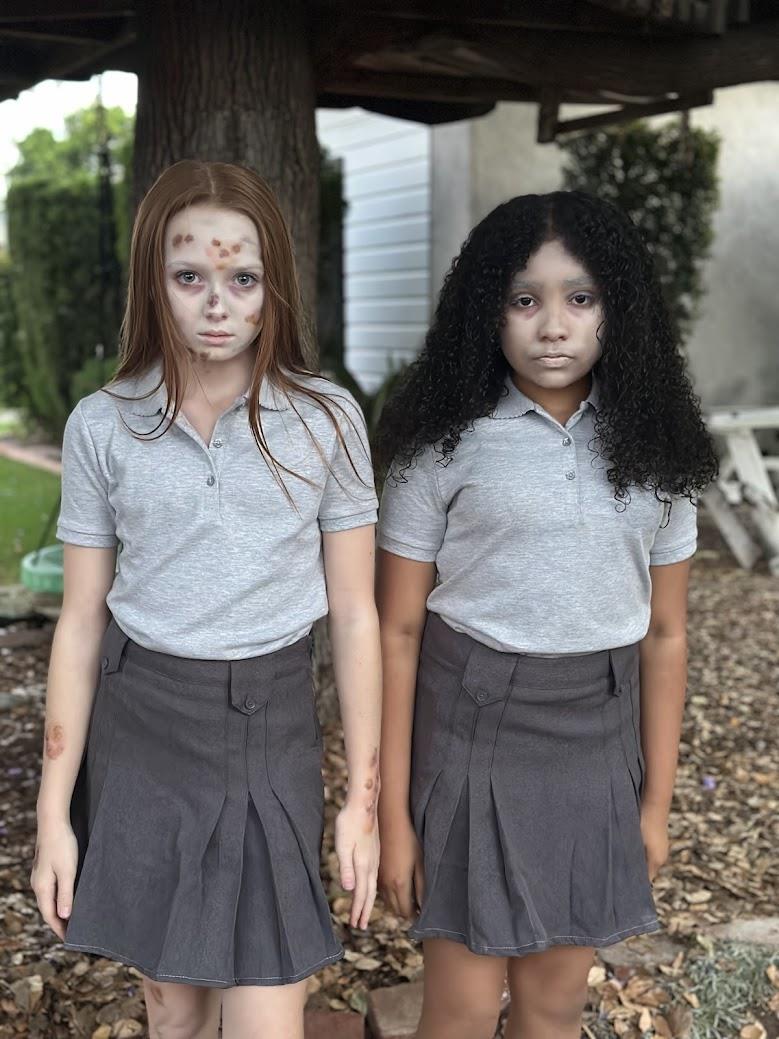
The cast includes Ayla Rae Neal, Charlie Townsend, Reese Herron, Jaime Adler, and Jax Malcolm. What qualities were you looking for in young actors to make the horror feel more emotional than purely visual?
When selecting the young actors for the film, there was a strong emphasis on finding individuals who could bring a sense of realism to their performances. It was essential that each actor could genuinely connect with their character and convey authentic emotions on screen. This emotional resonance was crucial in making the horror elements of the film feel impactful and believable, moving beyond purely visual scares to create a deeper emotional experience for the audience. Additionally, it was important that the young cast members possessed an understanding of what it would feel like to interact with the supernatural. Their ability to convincingly portray reactions to otherworldly encounters added a layer of credibility to the story, drawing viewers further into the haunting and investigative aspects of the narrative.
Modern horror increasingly embraces psychological depth. In Coral, is there a core trauma or unresolved question that drives the narrative?
At the heart of Coral lies a profound trauma: a child who was deeply betrayed by the very person they trusted most. This foundational wound serves as the emotional engine of the narrative, influencing both the haunting atmosphere and the investigative journey that unfolds throughout the film. The story’s supernatural elements are intertwined with the pain caused by this betrayal, creating a compelling exploration of loss, trust, and the lingering impact of unresolved trauma. By focusing on this central experience, the film invites viewers to reflect on the lasting effects of such a profound violation of trust within the context of youth and the unknown.
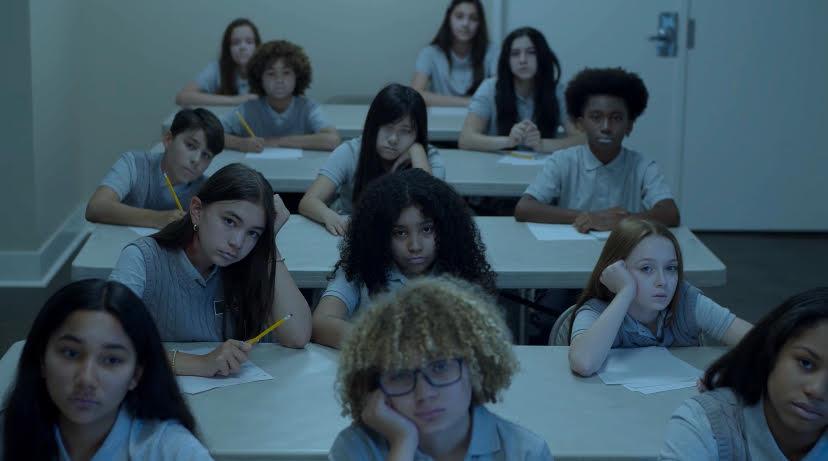

You move between education and cinema. As a filmmaker with an educational background, do these worlds collide or strengthen each other when you create supernatural stories?
I believe that the worlds of education and cinema strengthen each other in meaningful ways. Education provides essential tools that allow a filmmaker to explore subject matters with greater depth and complexity. This foundation enables the creation of stories that are not only layered but also resonate more profoundly with audiences. By drawing on educational insights, a filmmaker can craft narratives that engage viewers on multiple levels. The ability to delve deeply into themes and ideas results in films that are more immersive and intellectually stimulating. As a result, the audience experiences a story that is both entertaining and thought-provoking, enhancing their overall engagement with the film.
Some directors say that shooting terrifying scenes is more fun than scary. What was the most intense or unexpected moment on set?
Among the many emotionally charged moments during filming, the most intense and unexpected occurred when Coral confronted her father regarding his failure to protect her from her mother’s harmful actions. This pivotal scene demanded a raw, honest exchange between the characters, heightening the psychological tension and emotional stakes for both the cast and crew. Coral’s interrogation was not just a confrontation; it was a reckoning with betrayal and vulnerability, amplifying the core themes of trust and trauma that ran throughout the film. The atmosphere on set shifted palpably as the actors immersed themselves in the emotional complexities of the moment, underscoring the powerful impact of unresolved familial conflict within the narrative.
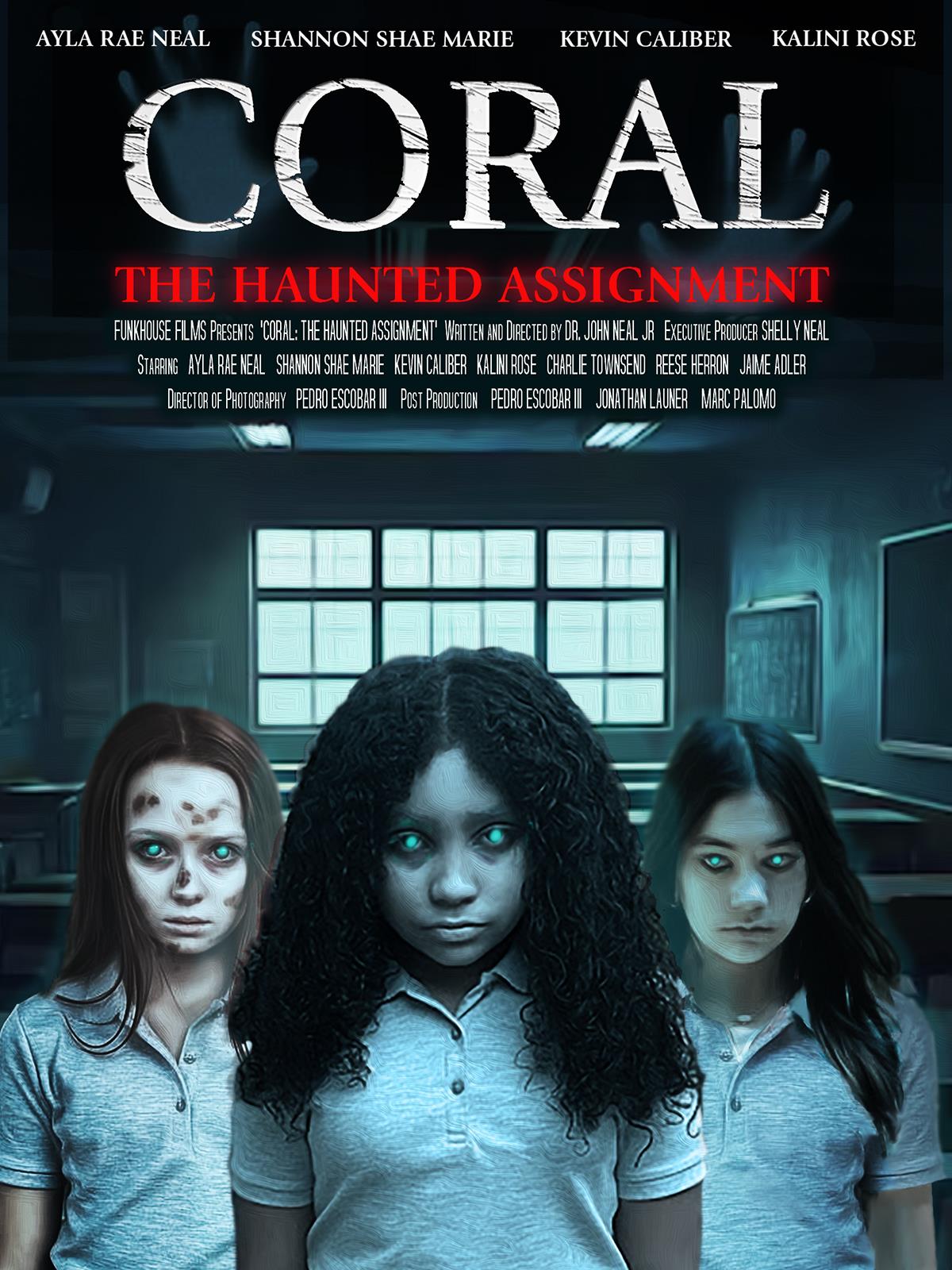
Your film premiered at a festival that celebrates independent voices. What does it mean to you to bring a story like this to the screen at such a complex moment in the world?Bringing this story to the screen holds profound meaning for me. I believe it is essential to tell stories like this, especially when they reflect experiences children often endure in silence. All too frequently, when difficult events occur in the lives of young people, their voices go unheard. Through this film, I aimed to change that narrative by providing a platform where those voices could be expressed. By centering the story around a child’s perspective and the challenges they face, the film gives voice to those who are typically overlooked, ensuring that their experiences are seen and acknowledged by audiences. This act of storytelling not only sheds light on their struggles but also affirms the importance of listening to and empowering children through cinema.