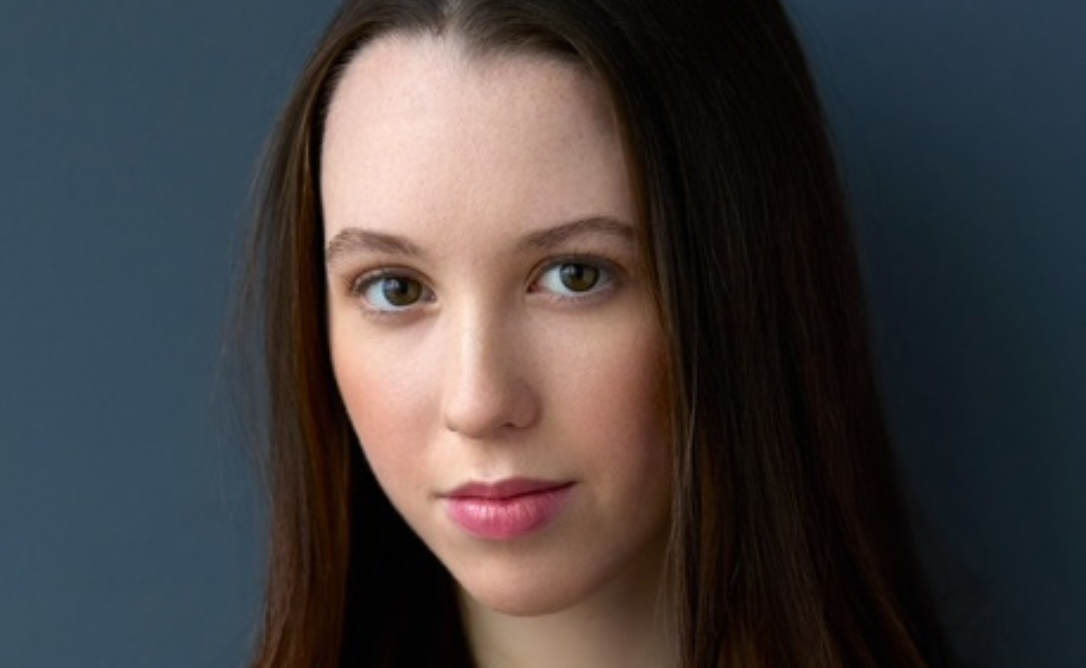
At just 17 years old, Abbey Anderson is emerging as a compelling new voice in Canadian pop, blending emotion, performance, and authenticity in her music. With roots in competitive dance from a young age, Abbey transformed movement into musical storytelling, discovering songwriting and singing as deeply personal forms of expression. In this interview, she reflects on her artistic evolution, the challenges of growing up in the music industry, her inspirations, and her commitment to creating songs that connect and make listeners feel seen.
You began your artistic journey through competitive dance at just six years old. How has that experience shaped your stage presence and your identity as a singer today?
Starting out in competitive dance at such a young age gave me a really strong foundation in discipline, confidence, and storytelling through movement. Being on stage from the age of six made performing feel natural to me early on. It taught me how to command a space, connect with an audience, and stay present under pressure. Dance trained me to be expressive not just vocally, but physically, so when I sing, my body instinctively supports the emotion of the song.
That experience also shaped my identity as a singer because it helped me understand music as something you feel as much as you hear. Rhythm, dynamics, and emotional nuance were ingrained in me through dance before I ever stepped up to a microphone. Today, when I perform, I’m not just singing a song, I’m telling a story with my whole body, and that comes directly from those early years on the dance floor.
The transition from dance to music happened very naturally in your life. When did you realize that songwriting and singing would become another form of expression?
The transition really happened in a quiet, gradual way rather than one big defining moment. Dance was my first language, but as I got older, I started looking for another way to express myself. Singing and songwriting became that outlet. I realized pretty early on that writing lyrics allowed me to process emotions and experiences on a deeper, more personal level than movement alone.
There was a point where I noticed I wasn’t just dancing to music anymore. I was listening to it differently, paying attention to lyrics, melodies, and the way a song could hold a feeling. When I began writing my own songs and felt that same sense of release and honesty I used to feel after a great dance performance, it clicked. That’s when I knew singing and songwriting weren’t just interests. Along with dance, they were going to be another way of telling my story.
Even at such a young age, you’ve already built a strong artistic foundation. What inspires you most whether in life, music, or the people around you when you sit down to write a new song?
What inspires me most is real life, especially the emotions that come with growing, changing, and figuring out who I am. I’m very inspired by personal experiences, whether they’re my own or things I’ve witnessed in the people around me. Conversations, moments of vulnerability, and even small everyday experiences often spark ideas for songs because they feel honest and relatable. Musically, I’m inspired by artists who aren’t afraid to be emotionally open and tell the truth in their writing. They motivate me to be fearless and authentic when I sit down to write. At the end of the day, inspiration comes from wanting to turn feelings into something meaningful, something that makes people feel understood and less alone when they hear my music.
The current pop landscape is vast and diverse. How would you define your sound, and what do you believe sets you apart within this universe?
I would define my sound as emotionally driven pop, music that’s melodic and catchy, but rooted in honesty and storytelling. It lives in that space where vulnerability meets confidence, blending modern pop production with a strong emotional core. My background in dance also influences my sound, so rhythm and movement play a big role in how my music feels, even in more stripped back songs.
What I believe sets me apart is how instinctive my connection to performance and emotion is. I don’t separate the song from the feeling behind it. I want every lyric, melody, and movement to feel intentional and real. I’m not trying to fit into a trend. I’m focused on creating music that reflects where I am emotionally and artistically, and I think that authenticity naturally stands out in such a crowded pop landscape.
What have been the biggest challenges you’ve faced so far as a rising artist—and what have those challenges taught you?
One of the biggest challenges has been learning to trust my own voice, both creatively and personally at such a young age. When you’re growing as an artist, there can be a lot of outside opinions and expectations, and it takes time to understand that not every voice needs to shape your direction. That process taught me the importance of staying grounded in who I am and why I create in the first place.
Another challenge has been balancing growth with patience. Wanting to move forward quickly while still allowing myself the space to learn, make mistakes, and evolve hasn’t always been easy. But those challenges have taught me resilience, self-awareness, and confidence. Every obstacle has helped me become more intentional, more independent, and more committed to telling my story honestly through my music.
You’ve been capturing more space and attention each year. How do you envision your artistic evolution over the next few years, and what dream motivates you most right now?
I see my artistic evolution as a continual deepening, becoming more confident in my sound, more intentional with my storytelling, and more fearless in my honesty. Over the next few years, I want to keep growing not just vocally and musically, but emotionally as an artist, allowing my experiences to naturally shape the music. I imagine my sound expanding while still staying true to its core, with performances that feel even more immersive and expressive. The dream that motivates me most right now is creating a body of work that truly connects, music that people grow with and see themselves in. I want to build a career where my art feels meaningful, not just successful, and where I can stand on stage knowing that my songs have made someone feel understood. That connection is what drives me every day and keeps me excited about what’s ahead.
If you could send a message to other young artists who are just starting out, what advice would you give based on your own journey?
I would tell them to trust themselves and be patient with their journey. I’m only 17 so I don’t have it all figured out yet. I do know it’s easy to compare yourself to others or feel like you need to have everything figured out right away, but growth takes time, and every step matters. Don’t be afraid to experiment, make mistakes, and learn as you go, that’s how you discover what makes your voice unique. I would also say to create from a place of honesty. Trends will come and go, but authenticity lasts. If you stay true to what you feel and why you started, your art will naturally find the people it’s meant for. Most importantly, enjoy the process because falling in love with the journey is just as important as reaching the dream.
Follow Abbey Anderson on Instagram