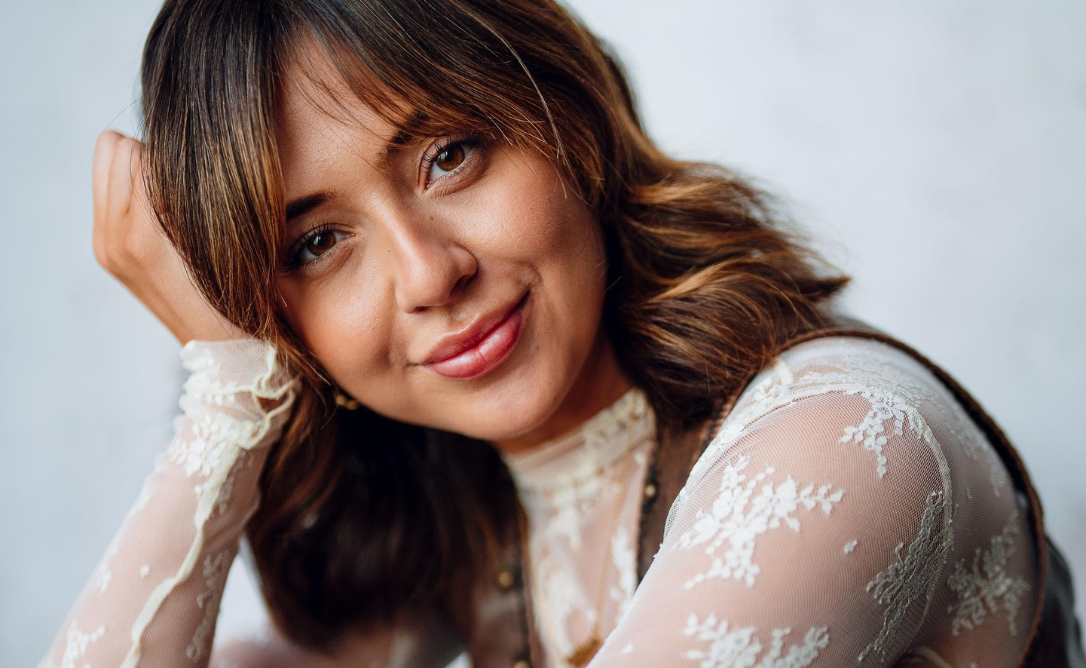
Kylie Karson, Co-Founder and VP of Production & Development at Chera TV, believes the future of streaming is vertical—but only if it’s built on ethical standards and a truly creator-first model. In this interview, she reflects on witnessing power abuse and unsafe environments early in her career, explains how vertical content has often been handled in exploitative ways, and outlines how Chera TV is designed as an artist-led “creative ecosystem” with healthier on-set practices, realistic schedules, and an unwavering commitment to safety and respect. Ahead of its 2026 launch, Chera TV aims to expand opportunities, create more jobs, and make room for original stories beyond “safe” industry formulas.
Chera TV was created as a female-founded, creator-first platform. When did you realize the industry needed something entirely new?
Honestly, the moment I joined it. You hear these horror stories about how “bad” or “scary” the industry can be for women, and unfortunately, they’re true. I entered the industry at 24, and I was immediately exposed to environments where power was being abused, often quietly, often normalized. I worked alongside men who took advantage of the system, and I watched friends be put into uncomfortable or even dangerous situations that absolutely could have been avoided with better leadership and accountability. When I later got involved in the vertical space, I saw something else very clearly: the potential. Vertical content is incredibly powerful and accessible, but it was also being handled in a way that felt deeply exploitative. Platforms were making millions while paying actors a flat $400 a day, with no ownership, no backend, no real stake in the success of the work. It’s the same structural problem Hollywood has always had: artists carry the value, but they rarely see the return. That disconnect made it obvious to me that something new wasn’t just exciting, it was necessary.
You describe Chera TV as a creative ecosystem. In practical terms, how does this model differ from traditional streaming platforms for creators?
The biggest difference is that our entire executive team is made up of artists. My co-founders and I have spent years, in some cases decades, actually working on sets. We’ve been actors, directors, writers, producers. We’ve run sets, been on sets, and experienced firsthand what works and what absolutely doesn’t. Because of that, our decisions come from lived experience. We understand how creative choices impact morale, safety, and the final product. We’re not removed executives making calls from a distance, we’re people who know what it feels like to show up vulnerable on set. At Chera TV, we’re not building around creators; we’re building with them, and for them.
Vertical content is often seen as limited or superficial. How does Chera TV challenge that perception and elevate storytelling in this format?
I think vertical content only feels limited because the people in charge haven’t fully explored what it can actually do. We’re starting to see experimentation now, but for a long time, executives were afraid to take risks. That fear isn’t unique to verticals; we see it in traditional studios too. That’s why we keep getting remakes and sequels. They’re “safe.” They make money. I understand the need to be profitable, but new stories matter, and they work. Original, well-told stories consistently perform well when they’re given the chance. Vertical is just a format; it’s not a genre. It can hold depth, tension, and genre-bending narratives, people just have to be willing to try.
As both a producer and executive, what values are non-negotiable for you when developing projects at Chera TV?
I don’t care how famous you are, how much experience you have, or how impressive your resume is, if you’re not a good person, it’s a no. Collaboration, kindness, and a genuine desire to make people feel safe on set are non-negotiable for me. I would take someone who is supportive, fun, and eager to learn over someone with ten years of experience who is rude or dismissive. A healthy set creates better work, every time. As a director, an actor, and especially as an executive, my number one priority is fostering an environment where people feel respected, heard, and excited to be there.
Creator care is a core pillar of the platform. How does that philosophy show up in day-to-day production practices?
It shows up in the small, consistent choices. We prioritize communication, not just top-down, but across the entire team. We actively ask for feedback and stay involved throughout production. A lot of our approach comes from asking ourselves, What went wrong on sets we’ve been on? What could have been done differently? Sometimes it’s as simple as being more mindful. Following labor laws. Making sure people get real breaks. Treating cast and crew like humans, not machines. It sounds basic, but those basics are often ignored, and they make all the difference.

Short-form content is growing fast but often leads to creative burnout. How does Chera TV aim to protect creators’ mental and artistic well-being?
I actually believe burnout happens when creation stops being fulfilling. When it’s rushed, unsupported, or unsafe, that’s when people break down. Creating is my life force. I don’t mind being on set for 12 hours when I’m enjoying it, when it’s collaborative, when it’s fun and respectful. That said, we’re very intentional about boundaries. We prioritize 12-hour turnarounds, proper lunch breaks, and realistic schedules. On our next show, we extended the shoot from seven days to eight. It might sound small, but it made a huge difference. We saw how exhausted our cast and crew were on the previous project, and we wanted to give them the time they actually needed to do their jobs well without feeling constantly rushed. We’re not yet in a position to do much longer shoots, but my dream is a minimum of ten days. That’s the goal.
Looking toward the 2026 launch, what legacy do you hope Chera TV will leave for the next generation of creators?
I don’t know if our biggest impact will be on creators themselves, I think it might be on executives. Something has to change in Hollywood, and it has to change now. Creatives deserve to work. We need to create more jobs, more opportunities, more access. Someone said it perfectly at the Oscars: “Instead of making one $200 million movie, try making 20 $10 million movies.” That’s exactly what verticals are doing. We need to stop putting all our resources into one massive project and start investing in many smaller ones. That means more stories, more voices, and more people getting a chance, not just the few at the very top, but the ones who are still trying to break in. If Chera TV can help push that shift, even a little, then we’re doing something right.
Follow Kylie Karson and Chera TV on Instagram