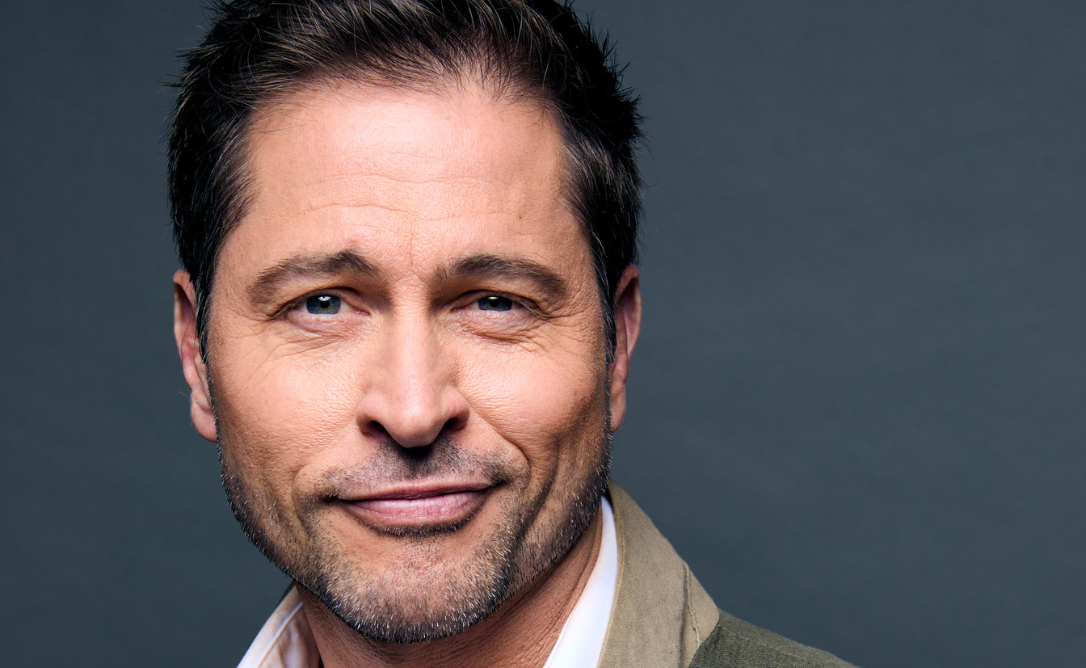
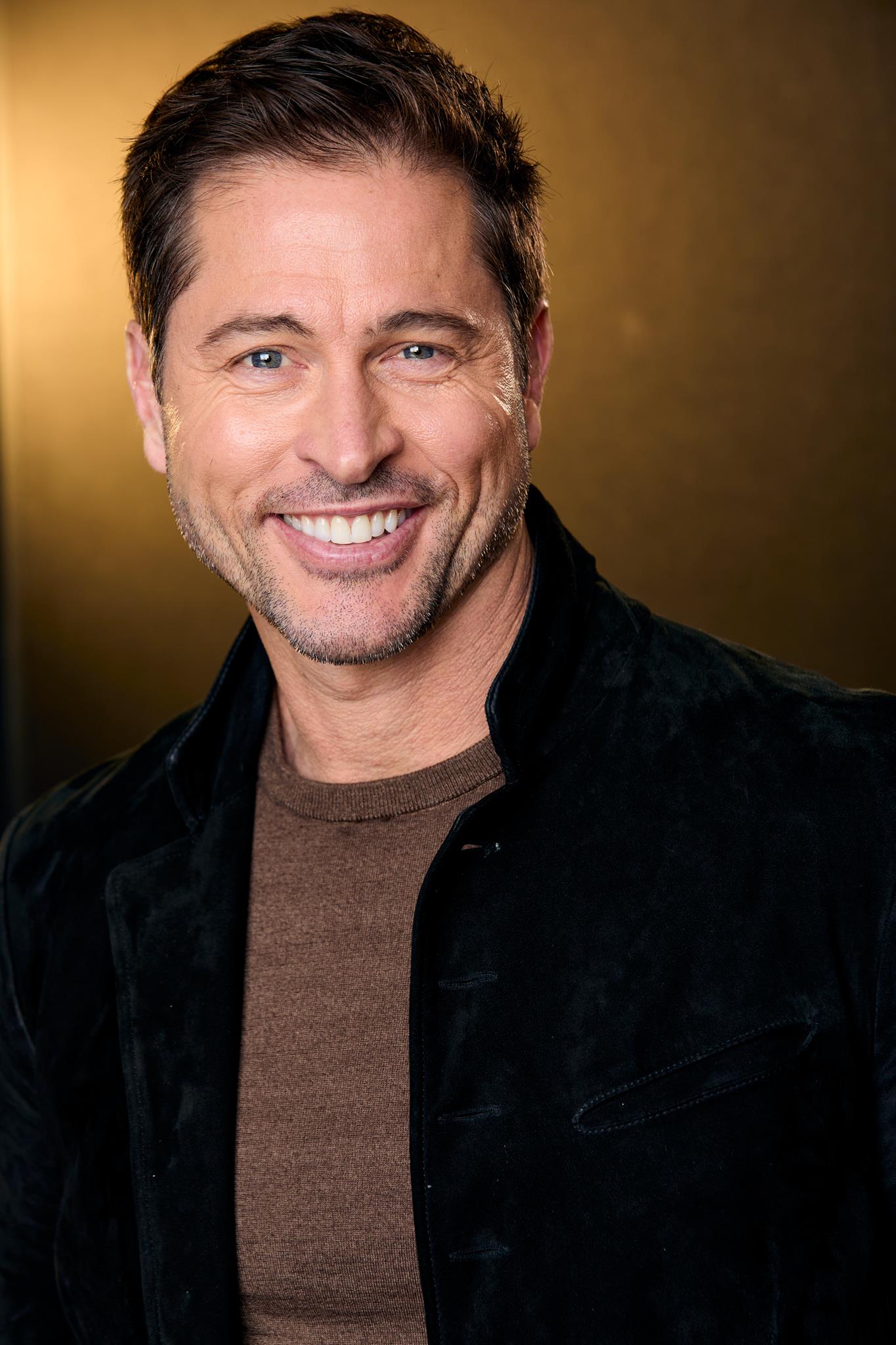
Globally recognized for his iconic role in the Power Rangers franchise, Jason Faunt enters a new chapter in his career with the short film An Old Friend. Stepping away from the superhero universe, the actor embraces a deeply emotional and symbolic role that explores themes of time, loss, and personal growth. In this interview, Faunt reflects on this transformative project, its personal impact, and how it marks a significant moment of artistic maturity in his journey.
In “An Old Friend,” you play an imaginary friend who must confront the impact of time — a rare and deeply symbolic character. What moved you the most emotionally about stepping into such an unusual role?
As an actor, at least for me personally, I always try to embrace roles that challenge me or show a different side of me that typically fans won’t see. It’s not often that I get these opportunities, but when the script came along, I jumped at it immediately. Unfortunately, I was going through a very similar situation with my father, who was battling cancer, so this script specifically spoke to me.
You share the screen with Tom Skerritt, a true cinema legend. What was it like building such a delicate relationship between fantasy and mortality alongside an actor with his level of experience?
I wish I could answer this question differently, but unfortunately, Tom and I had very limited time together on set. I love to meet with veteran actors and soak in their stories and hear their journeys because I find it fascinating. But when we got to set, Tom was only there for a brief amount of time, so I didn’t get a chance to really break down the characters or spend a lot of time with him offset.
The story navigates nostalgia, childhood, and farewells. What personal memory did you draw from to access the emotional sensitivity this role demanded?
Well, not to repeat the same answer, but this ran parallel to my real life in which my father was battling cancer and that last scene as he was passing away was something I had just experienced. The parallels were all too real, so the emotions came quickly and easily. This part of life is such a battle and something unfortunately we all have to go through so seeing it play out in real life and then again on the screen brought back such real raw emotion.
Although you’re globally recognized for your iconic role in Power Rangers, this short film showcases a very different side of you as an actor. How did this project allow you to explore something the audience may not have seen from you before?
I think coming from the world of superheroes, you’re put in a box as the good guy can only push so many emotions, positive or negative. When you get to play a role like this, the sky is the limit, and you can let the emotions run freely! It’s nice to be able to show this side to the fan base.
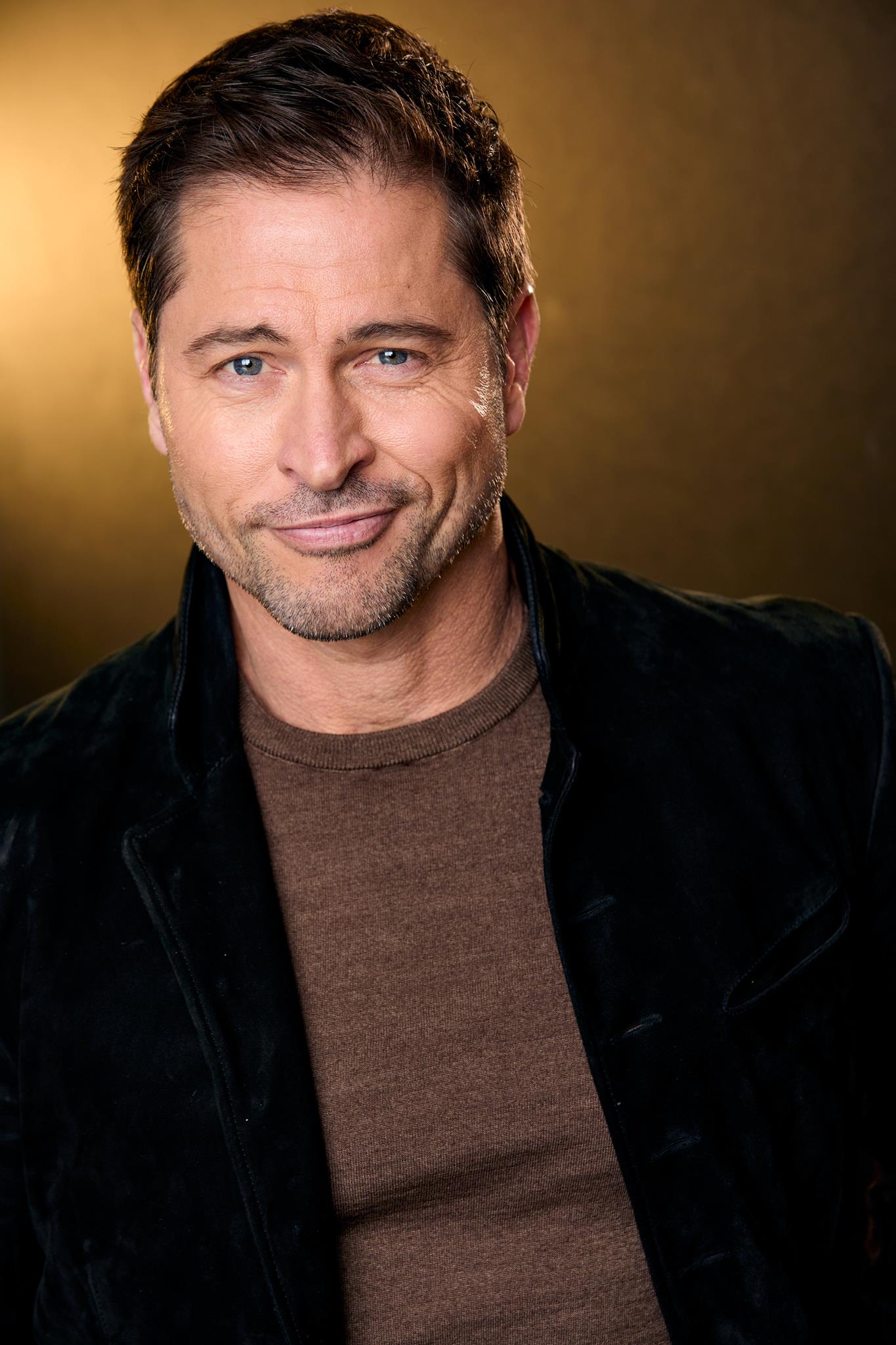
The film has been receiving strong praise at festivals, and you won Best Actor at the Puerto Aventuras International Film Festival. How did that recognition resonate with you, especially for a project that is so intimate and emotional?
The film has won a ton of awards, and I’ve won several best actor awards as well! I think it’s cool because when you’re in a show, especially a kid show like Power Rangers, people think you have limited acting ability. To showcase this side is a nice change to let them know that I have a lot more vulnerability than they might think.

During filming, was there a moment — an improvisation, an exchange with director Nuk Suwanchote or with Tom Skerritt — that shifted your understanding of the character?
There actually was a moment that I haven’t spoken of yet that just came to mind. During that last scene, Tom says, and this was not scripted, “Dad, did I do good?” That hit me like a ton of bricks. That line wasn’t in the script, and it was that first moment when my character realizes that the relationship between him and his child had a deeper meaning than I had imagined. That quickly brought me back to my father and I, and at that point, the emotions ran wild. We didn’t know how we were going to end the film…did my character Calvin know that he was his child’s father or did the movie end with him never really understanding the significance of this relationship. Obviously, we went with the latter, but both endings would have been very interesting.
After portraying a character who confronts the weight of time in such a metaphorical way, what do you carry from this experience into your life and into your future roles?
I think for me, the message of this film is very simple. Our time together is limited, so embrace these moments and these times while we have them. I think when people pass away, the remaining family members typically feel very strongly about one thing. They would love to just go back and have one more moment with that person, maybe it’s a baseball game or a fishing trip or a walk on the beach or whatever they did that was special with that person; they would love to have back one more time. This film really spotlights those moments and hopefully it makes people value them even more while we are alive.
Follow Jason Faunt on Instagram