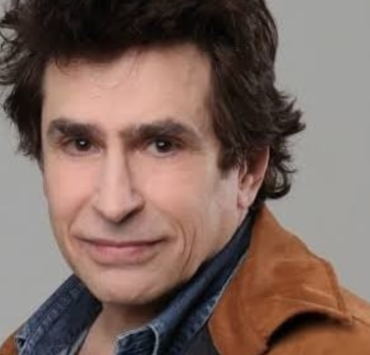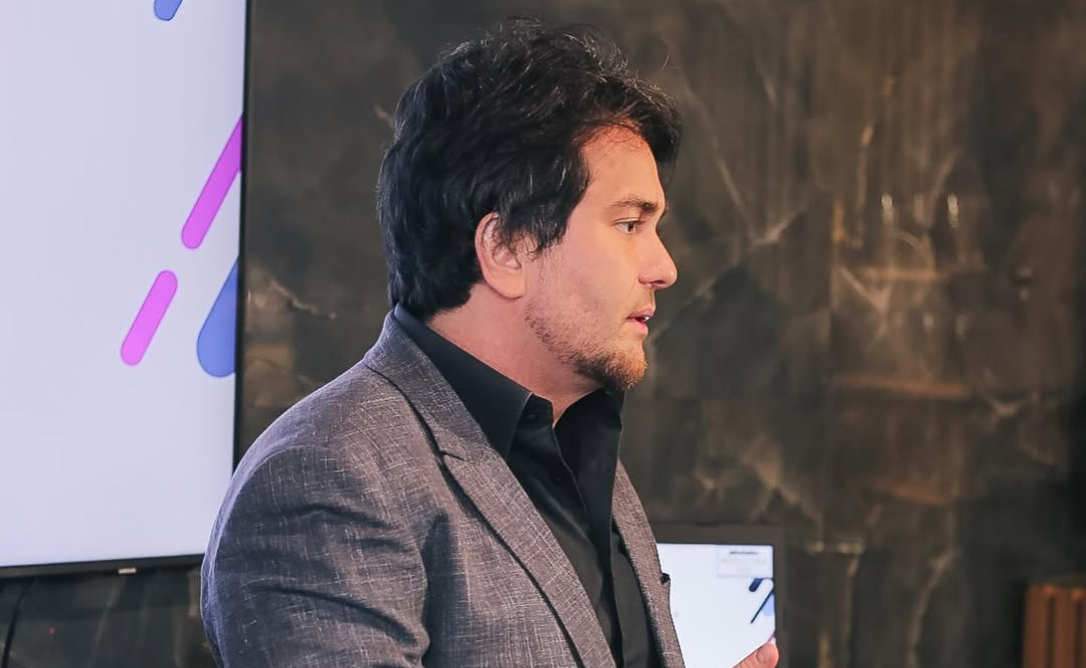
Creator of one of the most recognized PDO thread lift techniques, dermatologist Dr. Ivan Rollemberg has built his career by combining science, artistic sensitivity, and a humanized approach to aesthetics. At the helm of the Human Clinic and heir to a family tradition of over 130 years in medicine, the specialist advocates an approach that values individuality and the longevity of results, far from artificial standards. In this interview, he discusses the concept of natural beauty, the future of facial harmonization, the impact of aesthetic dermatology on self-esteem, and the challenge of balancing the roles of doctor, educator, and communicator in a scenario increasingly driven by trends.
What sparked your interest in combining science, art, and aesthetics?
From an early age I understood that the face is more than anatomy; it is language. Science gave me a foundation, art gave me sensitivity, and aesthetics became the meeting point between technique and identity. It wasn’t a career decision, it was a natural calling for someone who has always seen medicine as something that needs to heal, respect, and reveal the best side of people.
What does “natural beauty” mean in practice?
Natural beauty is when the procedure isn’t visible, but the person shines through. It’s about respecting anatomy, time, and history, avoiding exaggeration and fads. Unlike artificial aesthetics, it doesn’t standardize faces; it preserves identity and supports longevity.
How did your thread lift technique come about, and what challenges did you face?
It emerged from dissatisfaction with predictable and short-lived results. The biggest challenge was breaking patterns and sustaining a technical vision when it was still poorly understood. Today, the method is a benchmark because it was built on a solid anatomical foundation and long-term thinking.
How do you see the future of facial harmonization between 2025 and 2030?
I see a clear transition towards personalized facial strategies, with less volume and more structure, biostimulation, and regeneration. Technology will advance, but the differentiating factor will continue to be discernment, planning, and respect for the individuality of each face.
How to balance the roles of doctor and communicator on social media?
With truth and responsibility. I use communication to educate and elevate the level of conversation, not to promise miracles. When the content is technical, honest, and coherent, it strengthens ethics instead of threatening them.
What is the role of aesthetic dermatology in emotional health?
When properly indicated, it strengthens self-esteem, presence, and confidence, but it does not replace identity nor resolve deep emotional conflicts. The procedure is a care tool, not an emotional crutch, and this requires sensitivity and responsibility from the professional.
How do you deal with the title of “doctor to the stars”?
With serenity and focus on what’s essential. Visibility increases responsibility, not vanity. I treat everyone with the same technical criteria, because consistent and sustainable results always matter more than unrealistic expectations.
What are the next steps for Human Clinic?
To consolidate the brand, expand strategically, and invest heavily in medical education. The goal is not just to grow, but to train professionals with discernment, awareness, and a long-term vision, because legacy is built by multiplying excellence. And our legacy began in 1886, with the second medical class in Brazil; I am the fifth generation of doctors in my family, more than 130 years of history in medicine. I don’t build thinking only about the present, but about the continuity of a history that has always treated medicine as a mission. For us, growth means preserving principles and ensuring that excellence and ethics transcend generations.
Follow Dr. Ivan Rollemberg on Instagram