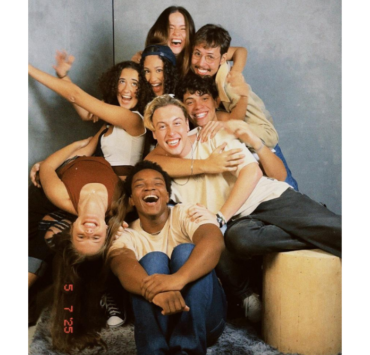
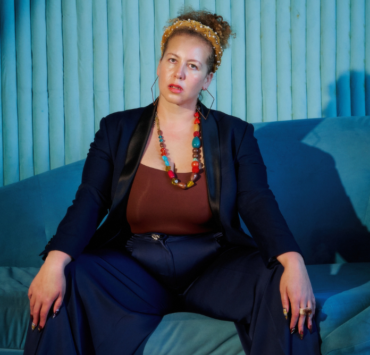
Leading the musical direction of The Send Brazil 2026, Gabriel Vicentini participated in an event that symbolizes Brazil’s shift from a mission field to a sending nation.
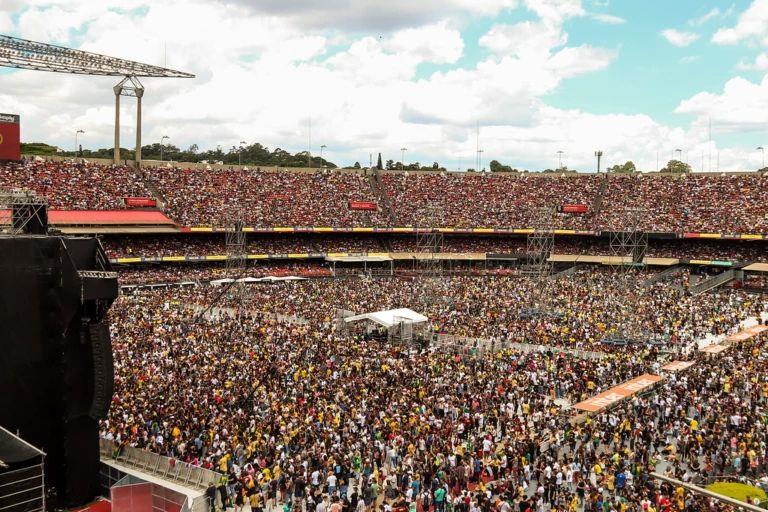
The Send Brazil 2026 brought together five stadiums simultaneously in Belo Horizonte, Curitiba, Recife, Goiânia, and Belém, with an estimated in-person audience of 300,000 people and a digital reach of nearly 3 million. Gabriel Vicentini, the music producer responsible for the overall direction of worship at the event, was in charge of the musical coordination.
More than just a large-scale gathering, The Send was interpreted by evangelical leaders as an indication of a reconfiguration in the contemporary missionary landscape.
From British influence to Latin American protagonism
The Protestant missionary movements of the 19th and 20th centuries had their main centers in England and, later, the United States. For much of this period, Brazil was primarily a recipient of these initiatives.
In recent decades, the growth of the Brazilian evangelical movement has altered this scenario. The country has become one of the main senders of missionaries to different continents.
The Send Brazil 2026 fits into this historical context.

Nationwide Mobilization
During the 12 hours of simultaneous programming, the event registered more than 34,000 missionary commitments, in addition to 41,000 participations in Bible reading initiatives and more than 12,000 mobilizations linked to social causes.
In the digital environment, the hashtag #TheSendBrasil remained in first place in Brazil’s Trending Topics for more than eight consecutive hours and reached the Top 5 worldwide during periods of highest audience.
Experts in the sociology of religion observe that large gatherings function as symbolic catalysts for cultural change.

The Sound that Accompanies the Movements
Historically, revival and missionary expansion movements have been accompanied by repertoires that have spanned generations. The Methodist revival in 18th-century England consolidated hymns that shaped Protestant spirituality. In the United States, the 20th century was marked by songs that accompanied global missionary waves.
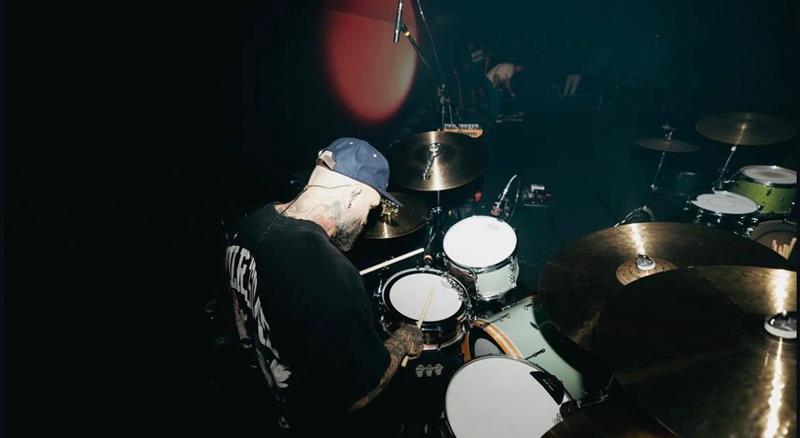
For Gabriel Vicentini, music producer of The Send, the current Brazilian moment also carries this sonic dimension.
“When you look at the history of revival and missionary sending movements, there is always a sound that marks that generation. Revival and sending go hand in hand. What we are experiencing now in Brazil has this characteristic. There is a language being formed here, and this sound has crossed borders.”

According to him, leading the musical direction in an event like The Send Brazil 2026 means participating in the construction of this identity.
“As a music producer and director, my role is to give shape to this emerging Brazilian language. It’s not just about organizing bands, but about structuring an expression that communicates this time the Church is living through.”
A milestone under construction
The consolidation of a new missionary axis is not measured only by audience numbers, but by the permanence of its effects over time.
If the 19th century was marked by British influence and the 20th century by American power, events like The Send Brazil 2026 indicate a gradual shift in the center of missionary influence.
Leading the musical direction of the event, Gabriel Vicentini, music producer of The Send, participated in a moment that may represent this historical transition.
The true dimension of this milestone will be assessed by future generations.