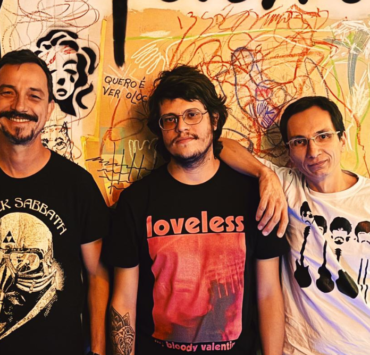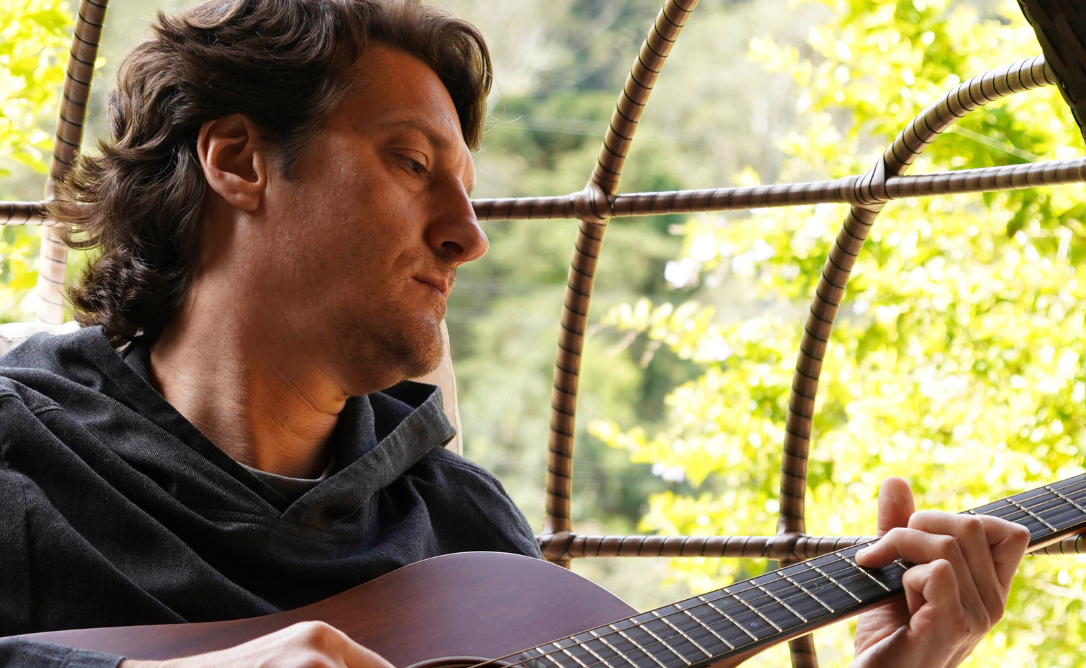
Singer-songwriter Tiago Dezordi presents the single “Um Canto de Natureza” (A Song of Nature), a track that marks the beginning of a new phase in his career, bringing, for the first time, an original repertoire in Portuguese strongly connected to his Brazilian roots. With a sound that blends traditional and contemporary elements, the song emerges as an invitation to slow down and reconnect with simplicity, reflecting on the contrast between the urban rush and the serenity of nature. In an interview, the artist talks about the song’s creative process, the rediscovery of his musical identity, and the transitional moment he is experiencing in his career.
The single “Um Canto de Natureza” marks your first original release in Portuguese after several songs in English. What sparked this desire in you to express yourself musically in your own language?
Actually, I’ve always composed in both languages. When the melody starts to come, I choose the language in a more or less natural way: if the beat is in the style of classic rock, I automatically start to conceive lyrics in English, and when the rhythm leans towards a more Brazilian beat, I explore lyrics in our mother tongue. It’s always been like that.
Music emerges as an invitation to slow down and rediscover the simplicity of nature. At what point did you realize you needed to transform that feeling into a song?
The rush is something that bothers me a little and is more common in my daily life than I would like. It unsettles me. Keeping up with everything that a busy urban life demands keeps us almost always in a state of constant alert, often in a hurry, and then time flies by and we don’t even realize it. We live at an accelerated pace, and this acceleration makes us lose the textures of the moments. Writing about this arose from this feeling and the desire I have to change this condition, even if only temporarily.
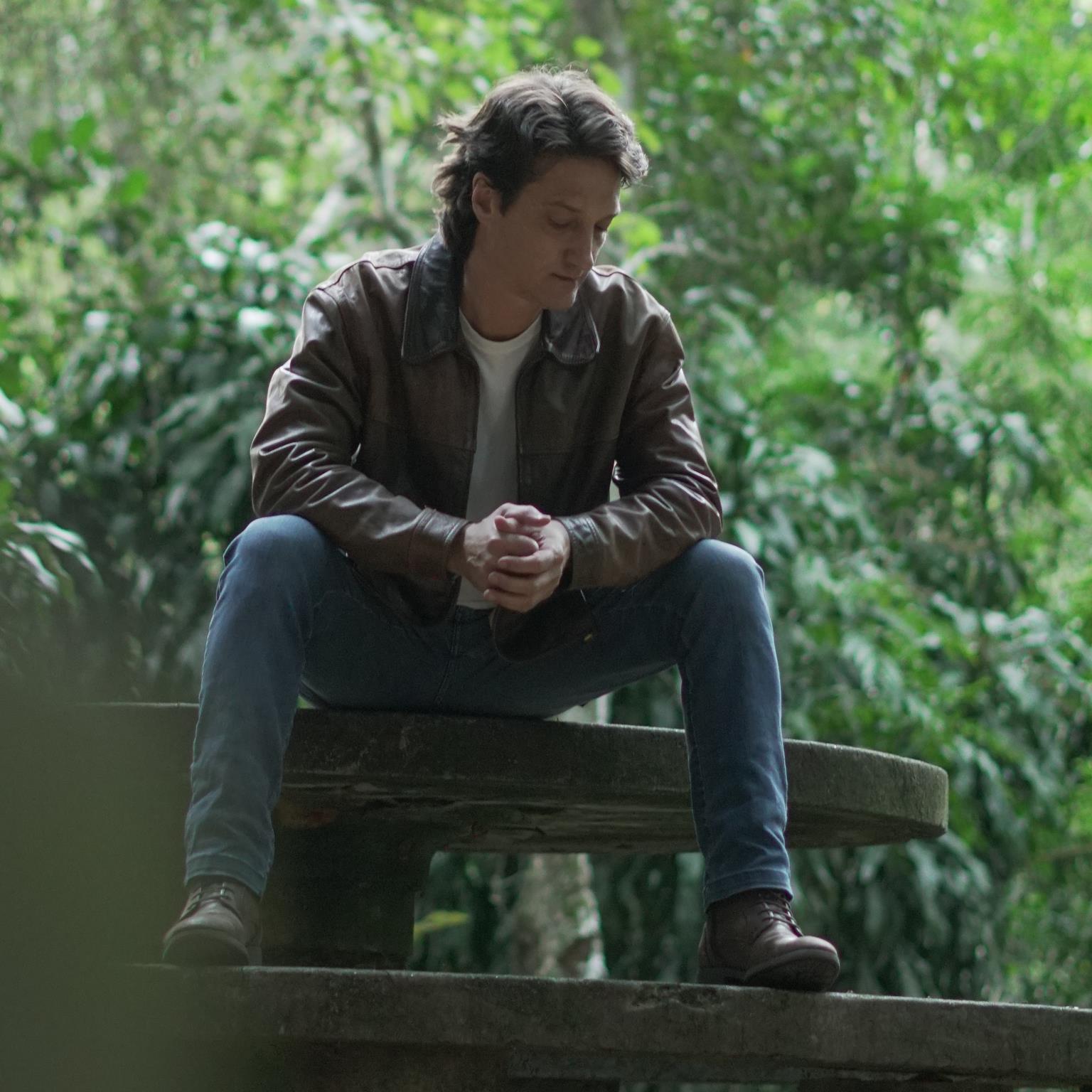
You mention that the composition was born after a walk amidst greenery. How do these moments of silence and contemplation influence your creative process?
So, walking in a quiet, peaceful place puts me more in touch with myself. Without any rush or specific goal other than getting some exercise, my mind can connect with my feelings and dreams. And it’s from this foundation that my songs are born.
The track’s sound blends traditional elements of Brazilian music with contemporary nuances. How was it to create this fusion between the roots of Brazilian music and current production?
A song of nature was born on the guitar, and little by little, ideas for instruments and arrangements emerged. Up to that point, it’s a very individual process. Then, during pre-production, I asked Guilherme Gê, the co-producer, to insert samples and more contemporary elements. First, because I like this mix of sounds, and second, to bring the music to a more current place. And then the construction of the effects was Gê’s work. They are subtle effects (because the music is also subtle). I liked the result.
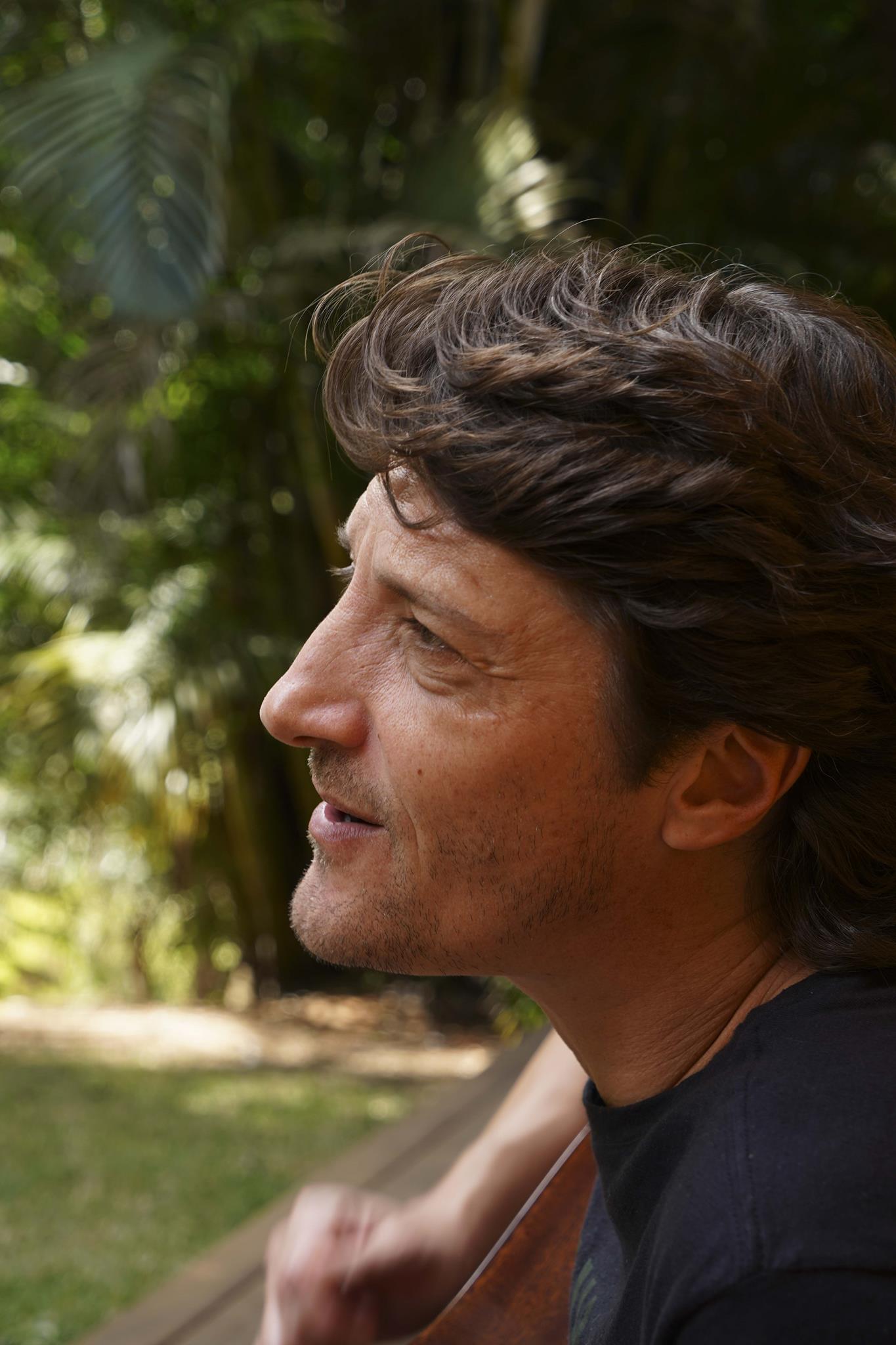
His influences range from international artists like Pink Floyd and Neil Young to fundamental names in Brazilian music such as Luiz Gonzaga and Belchior. How do these very different references coexist within his musical identity?
For me, it happened naturally. Rock music came from my older brother, Brazilian music from my sister, and in the middle of all that, there in the interior of Rio Grande do Sul, where I lived, I also had a pianist mother and a father from Alagoas. The mix was inevitable (laughs). It’s good that it was like that, it broadened my horizons.
The music video was filmed amidst nature in the interior of Minas Gerais. How did this environment help to visually translate the message of the song?

The song symbolically portrays my motorcycle trips to the mountains of Rio de Janeiro, something I do frequently, so it was natural that the music video would reflect that. It wasn’t an attempt to reproduce what happens in reality, nor to use the song’s lyrics as a script. It was something that originated from the idea of the song, but which has a life of its own to a certain extent.
During the pandemic you went through a period of introspection that resulted in new compositions. How did this pause change your relationship with music and with life itself?
Having time for yourself is fundamental to composing. You need to stop, slow down, feel, not have anything urgent to do. And the pandemic brought that. There were no comings and goings, and everything was done from home. And then the time appeared. Furthermore, the moment overflowed with sensitivity. All those deaths, the suffering, and at the same time, the hope of emerging better from it moved me a lot. And I took advantage of that to connect with myself, shape my ideas, and conceive my melodies. It was a seed I planted in those difficult days that germinated and continues to bear good fruit.
“Um Canto de Natureza” opens a new phase in your career. What sonic and thematic paths do you envision exploring in your upcoming releases?
Other songs with the same Brazilian, regional feel will follow. The cover of “Um canto de natureza” features an accordion to symbolize this shift towards Brazilian music, towards the interior of Brazil. And the next songs will have the same feel and covers with other instruments representative of this new phase. There are some songs ready, which will be released soon, and others being recorded. I’m enjoying this movement.
Follow Tiago Dezordi onInstagram