On TEST TIME, Happy Chichester delivers an album fueled by strong rhythms, rock energy, and an emotional core shaped by love, grief, compassion, and resistance. In this interview, the singer-songwriter reflects on creating the record through deeply personal experiences, choosing to keep the album off major streaming platforms, and using music as a space for connection, awareness, and strength in the face of today’s struggles.
TEST TIME arrives as an album driven by strong beats, rock energy, and funky elements, but also by reflections on the struggles of the present moment. How would you describe the heart of this record?
A beat for people that need some love. Most of the songs start from beats I come up with on a drum kit, drum practices being essential for my mental health. Singing becomes part of the practice. When I do it I feel good. Been doing it most of my life. Drawing in a sketchbook at home took the place of music while I was caring for my wife and couldn’t get to the studio, so when I did get to the studio I had to make every minute count to get the album done. It feels strong and I’m very proud of it.
I describe the album as speaking to the hardships we are all experiencing, while still offering hope, joy, and strength. How did you balance those emotions in the songwriting?
Drumming balances my emotions and practice feeds my songwriting, so joy is built in, and then I sing about whatever grabs my attention. I could sing about almost anything and make it sound fun.
Even though the tracks stand strongly on their own, the album was conceived as one complete body of work. What changes in the listener’s experience when they hear TEST TIME from beginning to end?
The LP track list differs from the CD – the CD has one additional song called Pretty Eyes – but I hope that whichever one you listen to, it takes you along on a ride like scenes in a film, and you’re eager to hear what comes next. The songs in sequence have a flow and emotional range, and move together naturally.
“Stranger Life” is described as a farewell to the artist Beoddy. What does that song represent to you emotionally and artistically?
I helped care for Beoddy, one of our greatest artists, in his home in his final months, and wrote Stranger Life for him as he faced death, and performed it for him at a retrospective of his art at The Vanderelli Room. It was important for him to know his art and life will be honored and remembered. He died less than two weeks after. Check out http://beoddy.com

“Pocket Messiah” came from a deeply personal place, written while your wife was battling cancer. How did turning such an intimate experience into music affect you as a songwriter?
I’m not a nurse or caregiver by profession, but I found myself in that role. Compassion is essential and the experience showed me that it’s the wealth of the world. I’ve always worked as a musician and songwriter, but compassion can make anyone better, no matter what they do, whatever their job is.
We feel “How Many More Months?” addresses the loss of women’s rights, showing that the album also engages with urgent social issues. What role do you believe music can play in conversations like that?
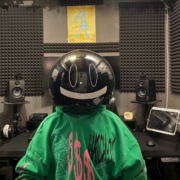
Music has always been a place for conversations like that. Thank goodness for that. I don’t think How Many More Months? sounds angry, but there’s a section where the guitars are SEETHING. My hope for that song is that it helps persuade people to make the Equal Rights Amendment the law.
The album is available in physical formats and downloads, but it was intentionally kept off Spotify and similar platforms. What motivated that decision, and what does it say about your relationship with music today?
I learned as a teenager working various jobs that corporate culture was not my thing. When I was under contract most of the time it was cold corporate vibes. These days tech corporations are extracting songs’ commercial value and investing in AI and war. You’re an artist they offer you nothing. I’d thought I was keeping my options open to streaming, but nobody’s making any persuading arguments in my ears regarding the good faith of these big tech corporations.
With a 2026 tour ahead, how do you imagine the songs from TEST TIME taking on a new life on stage in front of audiences?
Electric guitar has been my day job during most of the recording of TEST TIME. Musicians I’m working with are incredibly accomplished, inspiring and pushing me, and I have to practice my ass off just to keep up with them, so I’m getting deep into guitar and doing these songs solo with electric guitar accompaniment. I’m still doing piano songs, but most of TEST TIME is guitar.