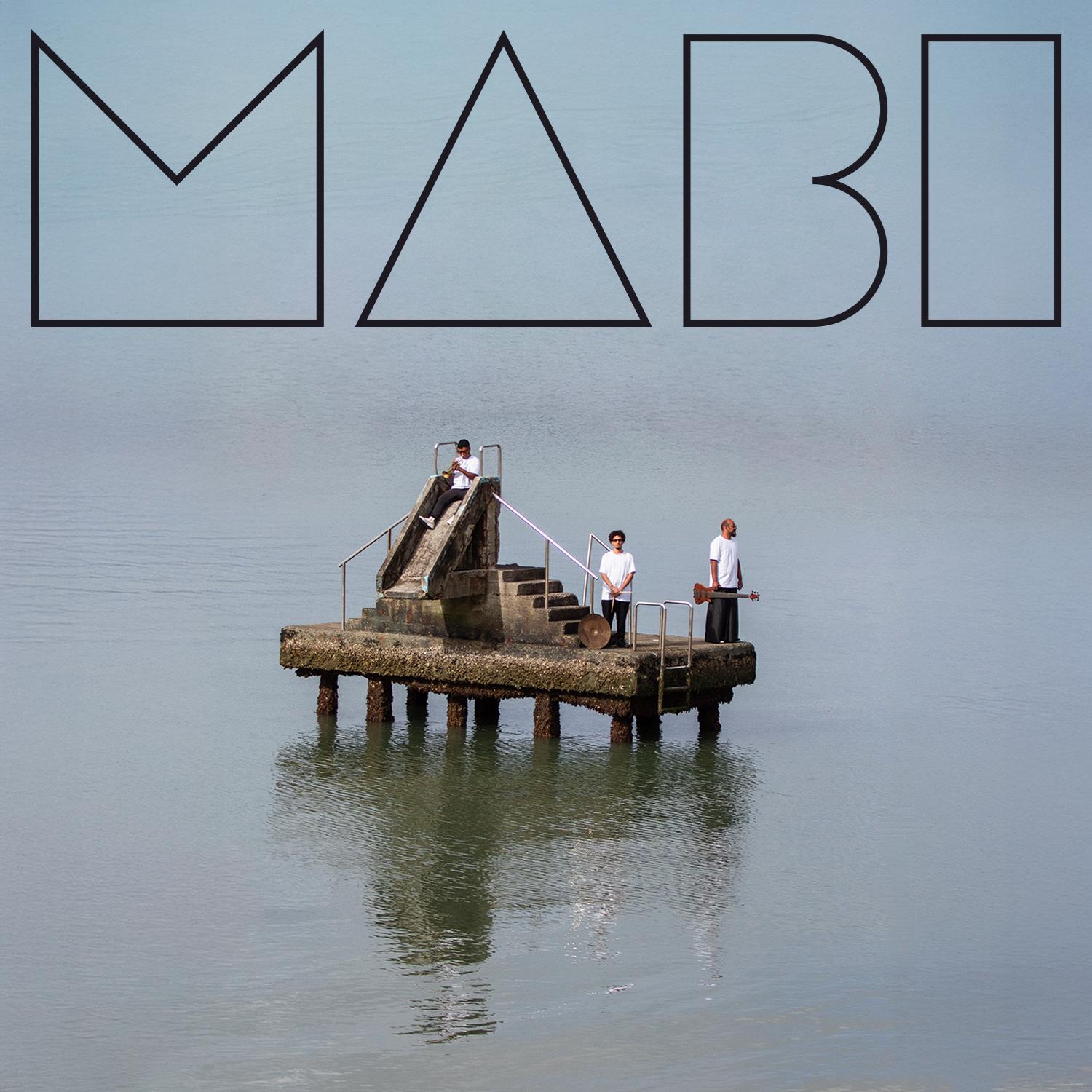
On March 26th, the trio MABI presented their album MABI, a work that emerged as a sonic and political manifesto about the erasure of Black heritage in Brazilian music. Formed by Trovão Rocha, Gabriel Barbalho, and Lucas Fê, the project was built from an immersive creative process marked by improvisation, collaboration, and experimentation, resulting in nine organically developed tracks. In an interview, the musicians reflect on the power of collective creation and the role of music as a tool for identity, memory, and resistance.
The very name MABI carries a very strong message. At what point did you realize that this project needed to be born not only as music, but also as a statement?
For us, music is always a statement, never something separate from it. And the work itself is called that because it is, in fact, a manifesto. There is a continuous effort so that those who created this language can reclaim it, because even today it is difficult to occupy certain spaces making this type of music, even though it was created and developed by Black people. Even the nomenclature weighs heavily. Elitist names, with a history of exclusion, distance Black people from the musical environment. So, when we come together to create openly, that in itself is already an affirmation. We will occupy these spaces together. And the spontaneous nature of the creation is also part of the political gesture. It’s translating daily experiences into sound and reaffirming this art as ours.
The album emerged from an intense period of shared experience, almost like a creative immersion. What did a week together, sharing space, listening, and experiences, reveal artistically to you that might not have surfaced in a more traditional process?
This project was the first time we were able to physically get together to create, and that changed everything. The shared experience brought us much closer. We shared stories, created a sense of connection, partnership, and brotherhood. Because the sound is so open, this connection outside of music is fundamental. More than individual backgrounds, what determined the result was the harmony and trust. There were moments when one note from someone was enough for the others to understand the direction. And, unlike processes where the idea arrives ready-made and is only directed, even the most structured parts maintained open spaces for collective construction.
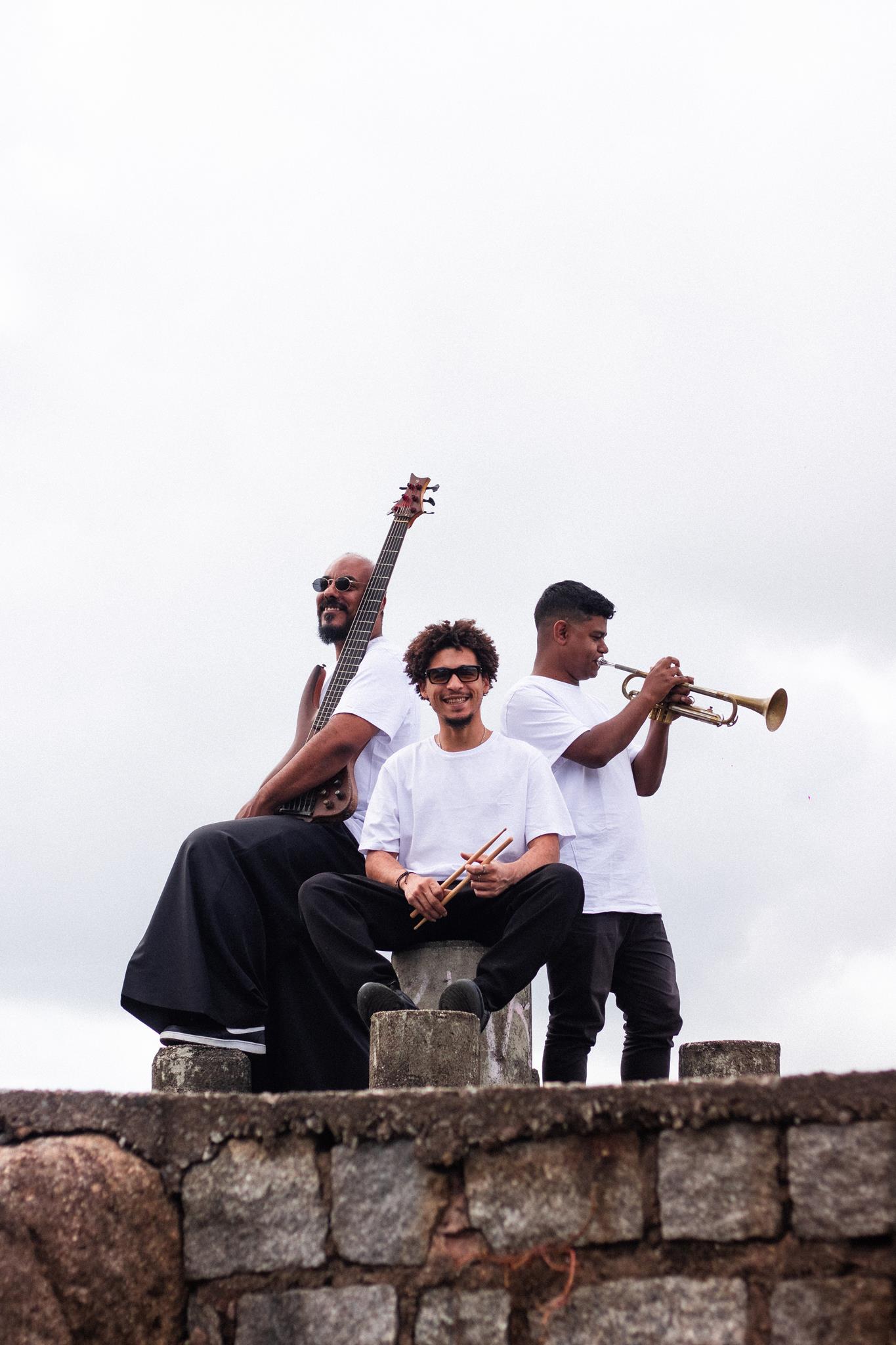
You started with the idea of creating a few compositions and ended up with an entire album born almost spontaneously from the encounter. What does this unexpected turn of events say about your musical identity as a trio?
The initial idea was to compose five tracks, but the flow was so constant that we ended up with nine songs, and at some point, we needed to set a limit to end the process. There are pre-production records of other things starting to emerge and being interrupted just so it wouldn’t become too long an album. This says a lot about our identity and comes directly from the dynamics of our live shows, where we always improvise from scratch, seeking to build complete forms with a beginning, middle, and end. What happened during the immersion reflects how we like to play. Maintaining the freshness of creation even in songs that are already in our repertoire. At the launch show, there was a real surprise at the quality of what emerged spontaneously. And collaboration is a central trait. Together we reach artistic places that would be unattainable individually. This is the pillar of our sound and our unity.
In a work born from improvisation, how do you balance freedom and intention, especially when the album also carries a political reflection on the erasure of Black heritage in Brazilian music?
We don’t even think of it as a balance between freedom and intention, because when it comes to the erasure of Black heritage in Brazilian music, this issue is already central to improvised music itself. The language we use is born from this historical and cultural context. The music is free out of necessity, and the intentionality comes from the awareness of this, not from a rationalized plan. There isn’t a separate process to address the topic. The simple fact that we get together to play this specific genre is already an affirmation. This identity appears even before anyone hears the sound. It’s in the group’s name and in the dialogues we have during performances. In the end, the music speaks for itself. Because of who we are, this heritage is inherent in the sound, it permeates everything and makes the political dimension inseparable from the art.
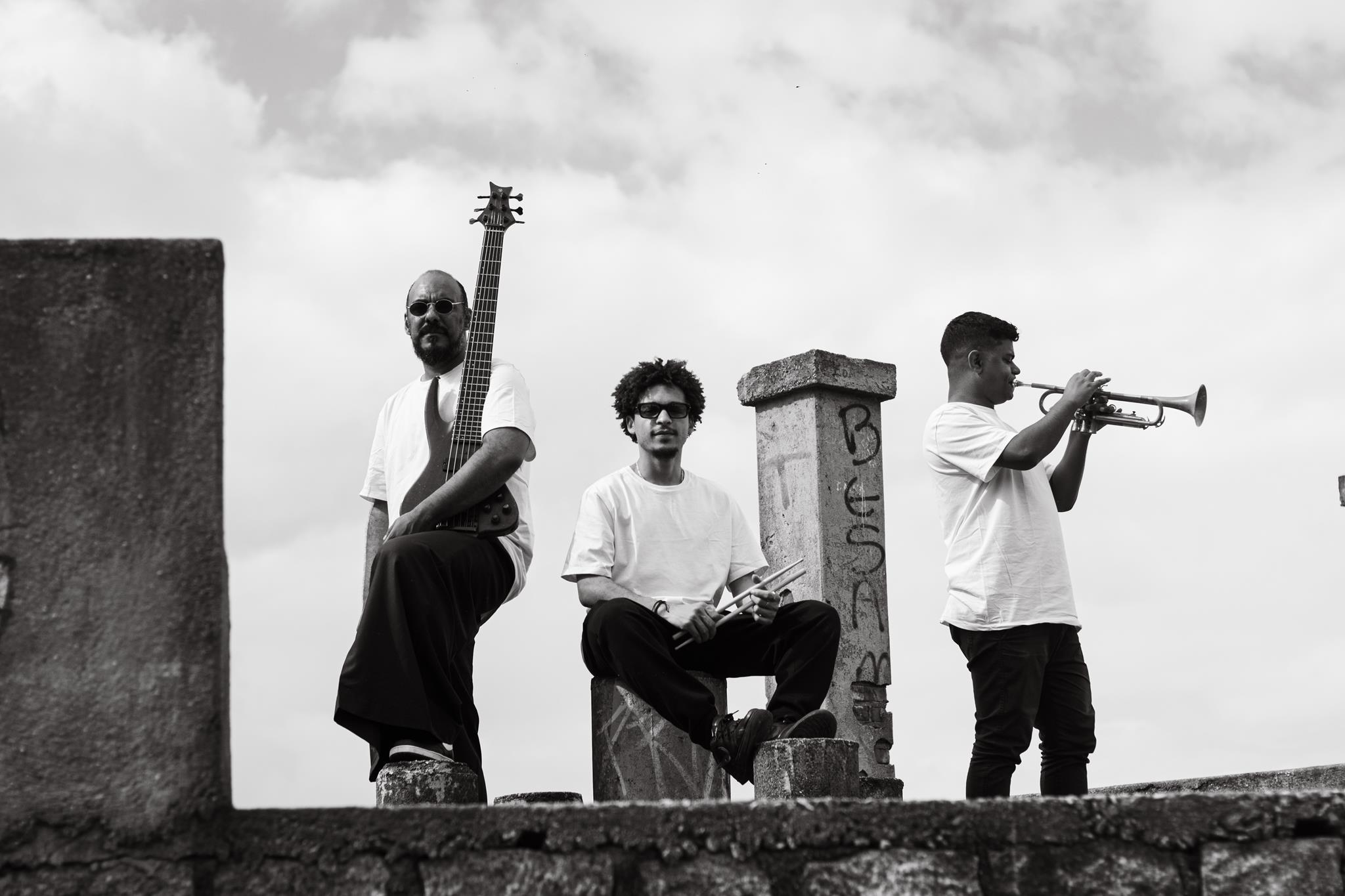
There’s something very symbolic about the fact that the album was created inside a house, in an intimate yet collective setting. How did this space influence the sound and soul of the record?
The house was a huge influence, not in the sense of the house as an object, but as a welcoming space. It was a place where, at any time of day, we could play and be together without having to leave for work. That’s very rare to achieve. To truly live an entire moment dedicated to creation. We also sought a high level of comfort for this experience to happen well. Food we like, a good bed, a comfortable house, a beautiful place. The environment becomes an element of this mental state. Having calm and space in our heads to create. And there was the view, which was truly wonderful. Waking up and being faced with the immensity, with the sea in the background. This doesn’t translate literally into the sound, but it permeates our relationship, strengthens intimacy and, inevitably, reaches the music.
You talk about orality, shared stories, and coexistence as part of the creative process. What human interactions have most impacted you during this process?

The strongest exchanges were among ourselves, in the camaraderie. Trovão Rocha, Lucas Fê on drums, and Gabriel Barbalho on trumpet, with Francis Pedemonte on musical production. Luanda Wilk, our producer, was also fundamental in ensuring that everything happened smoothly and that we felt supported in our creative process. At the beginning of the experience, François Muleka was with us making video recordings, and that was important. Being able to see in real time what was happening helped to shape the moment. And Marissol Mwaba’s participation also came about in this spirit of exchange. We sent her the tracks we had already made, and she responded very quickly, even at that early stage. All of this created a solid foundation for us to see ourselves as a group and to see this work as an album. With more certainty about what we were building.
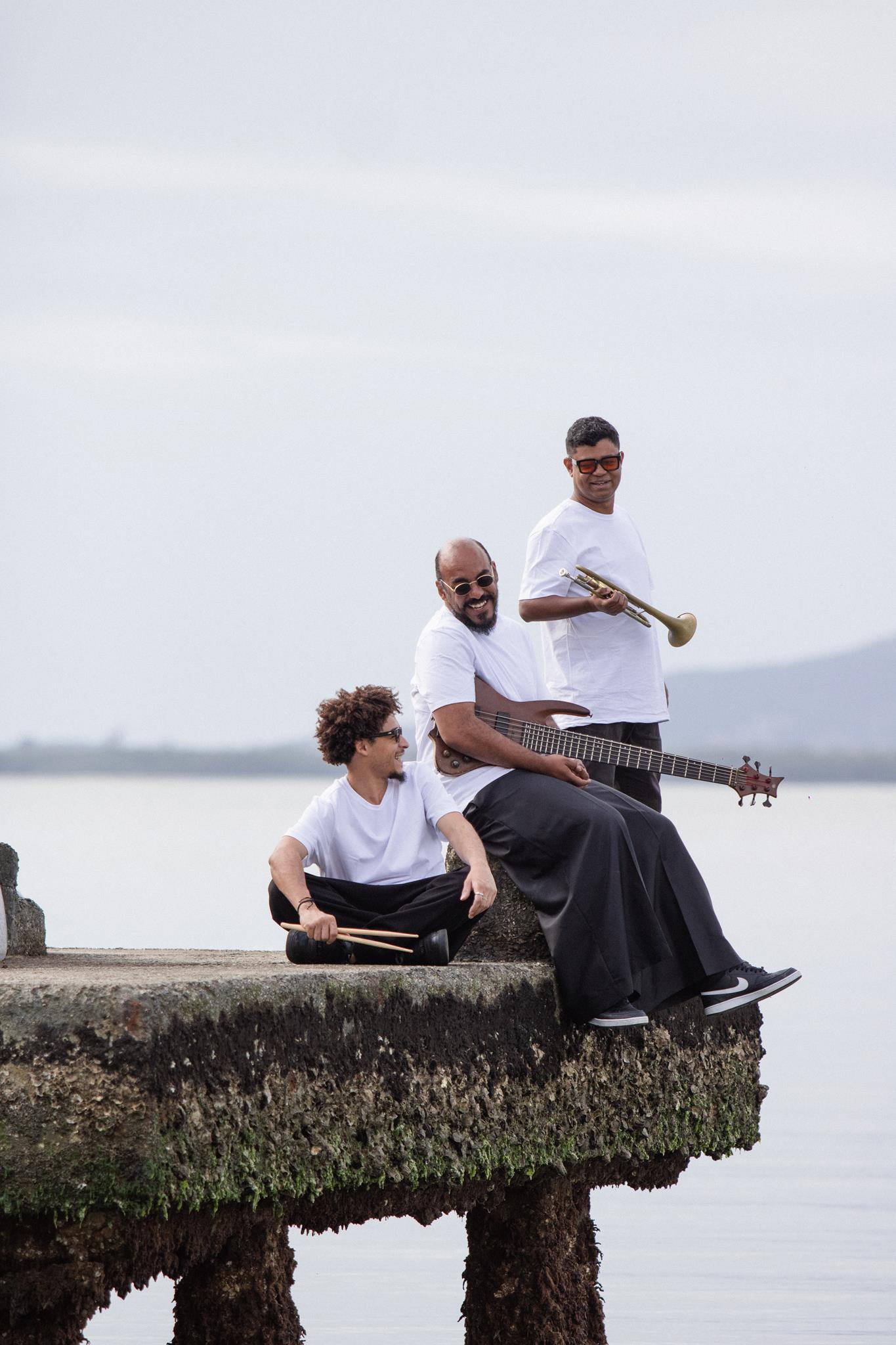
The contributions of François Muleka and Marissol Mwaba further expand this connection with Black diasporic sounds and trajectories. How did their presence permeate and transform the album?
The collaborations were completely transformative for the album’s sound. When we make these invitations, it has a lot to do with the concept that runs through the project. Naming a style, improvised Afro-Brazilian music, and understanding that every part of that name matters. The “improvised,” for example, is grounded. It helps to avoid falling into the idea of ”instrumental” as an exclusionary label, because there are many people creating from improvisation with words, with lyrics, with voice. Both François Muleka and Marissol Mwaba greatly inspire our trajectory as instrumentalists and are incredible artists. Marissol was invited while the album was still being conceived. We wanted a presence with text, with words, from someone we admire. And the invitation to François came from a different place. He was there, he sat down, talked with us, we talked about life, about experience, about what it was like to be together. It was natural that the collaboration arose from that conversation, from the text he brought, connected to that moment.
Upon completing MABI, with everything it represents in terms of sound, affection, and affirmation, what feeling did you have about who you were before this album and who you are now?
Without a doubt, it’s an album that transforms, and the experience also transforms. Living together, collectively, as a trio, changes us. Reaching the result we did and seeing that result circulating in the world, with the album released, is an experience that comes and goes. We put what we were feeling into it, and now we see it taking on a life of its own. Seeing the feedback, people connecting, touching on this more intimate place of our desires with this work, is very powerful. And there’s an important dimension to it. It’s music to embrace, to communicate, to be alive. It’s not music to exclude, it’s not music only for those who know. It speaks of collectivity and affection. And for us, speaking and putting affection into the world as Black people, the way we did on this album, changes who we are.
Follow MABI on Instagram