How Strategic Influence, Not Activity, Creates Opportunity in a Tightening Workplace
In 2026, work is not just about output. It’s increasingly about influence. Organizations across markets are tightening performance expectations, embracing new technologies, and making decisions faster and with less tolerance for ambiguity. As AI and analytics shift how productivity is measured, one trend has emerged clearly: hard work alone no longer guarantees advancement. Influence, the ability to shape perception, narrative, and strategic outcomes, does.
This is a global phenomenon. Talent strategy research shows that companies around the world are prioritizing people who can operate at strategic intersection points — those who connect work to broader outcomes, communicate clearly across audiences, and signal readiness for greater responsibility. In this environment, influence does not center on ego or title. Influence encompasses how you are perceived, how your ideas land, and how you design your next opportunity before it appears.
Below are five unwritten, universally applicable rules for influence in 2026 for both executives and mid-career leaders seeking strategic impact and career growth.

Rule 1: Don’t Wait for the Opportunity — Design It
Influence starts with intentional visibility. In many organizations today, opportunities are scarce, competition is global, and traditional promotion paths are flattening. Instead of waiting for an opening to be announced, influential professionals create the conditions where their next role becomes the obvious choice.
Designing opportunity means connecting what you do today to what the organization needs next. It starts with asking: What problem do we need solved that isn’t being addressed? Who benefits if this gets fixed? How? What unique perspective do I bring that others don’t?
Leaders who design opportunity propose solutions before they’re asked. They articulate the gap, outline a credible path forward, and position themselves as the natural person to lead it. This shift, from reacting to designing what comes next, is a hallmark of influence across cultures and industries.
Rule 2: Visibility Is a Strategy, Not a Reward for Hard Work
Hard work is necessary, but in 2026, it is expected. What distinguishes influential professionals is not just what they do, but how others perceive what they do. Visibility becomes the bridge between performance and influence.
Global workplace trends show that hybrid and remote models are making visibility more complex and more essential. Leaders who can articulate their work in terms of impact and insight are far more likely to shape organizational priorities.
Visibility, in this sense, is not about inflated self-promotion. Making your contribution legible to the audiences that matter is key. Think about the collective power of stakeholders who decide on resourcing, sponsors who can advocate for you, peers who recognize capability, and leaders who look for strategic partners. The professionals who rise are those who manage visibility intentionally and persuasively.
Rule 3: Signal Certainty by Leading With an Original Idea, Then Prove It
Everyone who has ever worked with me knows I am a staunch believer in data, data…and more data. Link passion to preparation, and you become irresistible.
One of the most consistent patterns in leadership discussions globally is that certainty, not just competence, moves people forward. Organizations can measure outputs through dashboards and analytics. But influence is human, and humans look for a sense that someone knows where they are taking them.
Emerging leaders who influence well bring original thinking to the table. They do not merely comment on what has already been said; they add something new. They form a point of view, state it clearly, and then back it up with data, research, and a strong rationale.
This combination — idea plus evidence — is powerful in any context. In analytical environments, it demonstrates rigor. In relationship-driven cultures, it signals preparation and credibility. Across regions, it shows that you are not only thoughtful but prepared to lead.
The formula is simple but powerful: original idea plus clear supporting evidence equals perceived readiness. When others can see not just what you think, but why you think it, your influence expands.
Rule 4: Build Relationship Capital That Works When You’re Not in the Room
Influence extends beyond meetings. It lives in the conversations people have about you when you’re not there.
Relationship capital is not defined by how many people you know. It consists of the value others assign to your judgment, reliability, and contribution. Organizations increasingly evaluate leaders on strategic relationships and cross-functional influence, not just individual performance.
Building relationship capital is about listening to understand, helping others succeed without immediate return, being consistent in follow-through, and communicating with empathy and clarity under pressure.
Across cultures, relationship capital is the currency of influence. In many regions, trust and mutual understanding matter as much as expertise. Professionals who cultivate trust and reciprocal relationships are more likely to be recommended for higher responsibility.
Rule 5: Speak the Language of Decision-Makers
In 2026, we’re becoming aware of the dizzying number of tools and dashboards that can measure output. But human decisions are still made by humans, and humans are influenced by clarity, relevance, and resonance.
Influential professionals anticipate what decision-makers care about and frame their contributions in that language. This means speaking in terms of outcomes rather than actions, risk and mitigation rather than activity, alignment rather than disagreement, and strategic value rather than technical detail.

For example, instead of saying, “I completed the project on time,” influential communicators say, “By completing the project ahead of schedule, we freed resources to focus on priority initiatives and reduced expected cycle time.” This shift in language turns tasks into impact statements, and impact drives influence.
Why Influence Matters More Than Ever
Across industries, the ability to influence correlates with career mobility, team performance, and organizational agility. Even as AI reshapes roles and automates routine work, research shows that human skills — leadership, communication, judgment — are becoming harder to replicate and more valuable in global markets.
Influence is essential, not optional.
Practical Takeaways Today
-
Audit your visibility. Who knows your work? Who should?
-
Frame every idea in terms of the problem it solves and why it matters now.
-
Invest in relationship capital as intentionally as you invest in task execution.
-
Don’t simply be in the right place at the right time. Make people see quickly and confidently why your contribution matters.
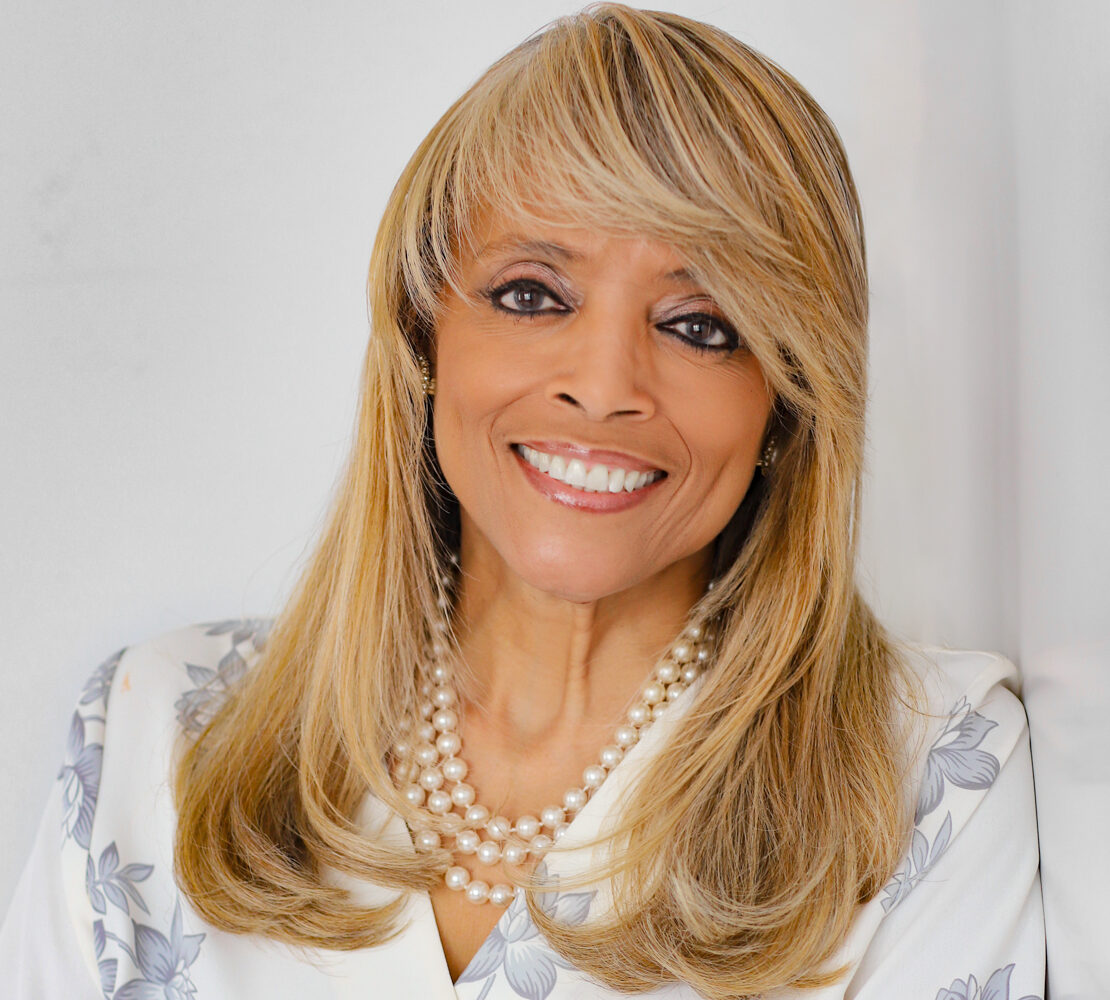
Donna M. Wilson is a veteran corporate executive, keynote speaker, and author of Behind the Glass Doors: The Unwritten Rules for Success and Fulfillment.

With nearly four decades of leadership experience in Fortune 100 environments, she is known for helping professionals decode the invisible dynamics of power, presence, and professional progress. Donna is President of Strategic Intersections, LLC, where she works with organizations and leaders to build influence, leadership readiness, and strategic visibility.

With over 30 years of experience in television, Claudia has worked as a reporter, producer, and editor. One of her books was publicly endorsed by the President of Brazil, earning her lifetime seats in literary academies in Brazil, the United States, and Europe. Having lived in Cuba, Mexico, the United States, and across Europe, Claudia speaks fluent English, Spanish, Italian, and Portuguese. With a career involving government, media and education, Claudia believes that communication is a bridge, and her mission is to make it human, strategic and transformative. She possesses BAs in Journalism and Advertising, an MS degree in Political Science and International Relations, and an MBA in Marketing. She was a UN fellow at the Hebrew University of Jerusalem and an alumna of Brazil’s Superior War College. She is currently doing a Ph.D. in Strategic Communications.