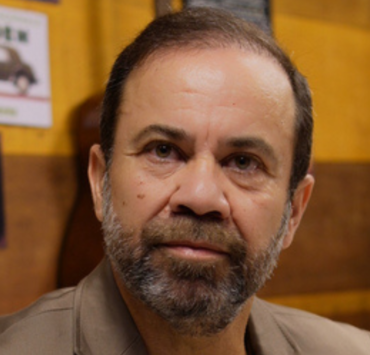
In “The Mystery of the Mamoé People,” writer and biologist Paulo Spínola takes the reader on a journey of adventure, discovery, and resistance through the Amazon. The book follows Jobim, a teenager who sets out to find his father and ends up also discovering his indigenous roots and the complexity of the peoples who inhabit the region. Inspired by real experiences lived during years of working as an environmental analyst, Spínola mixes fantasy, geography, and socio-environmental issues to construct a narrative that brings young readers closer to Amazonian culture and the challenges faced by indigenous, quilombola, and riverside communities.
In “The Mystery of the Mamoé People,” Jobim’s journey in search of his father also seems to be a search for belonging and identity. What else interested you in exploring this journey, so intimate and yet so grand?
The search for identity and finding one’s place in the world are part of being human. The text about Jobim’s trajectory portrays how the experience of knowing and working in the Amazon allowed him to outline a story based on this universe rich in stimuli, surprises, and challenges. It allowed him to blend cultural and environmental diversity with the conflicts inherent in the history of occupation of the Amazon, caused both by past interventions and recent actions.
Jobim sets off for the Amazon driven by a very profound sense of loss. How was it to create a protagonist who transforms an emotional void into the courage to move forward?
Absence can trigger different types of responses, from withdrawal and depression to coping and the search for answers. Our protagonist, the boy Jobim, finds himself at a point of choice and relies on his mother’s support to set out to fill the gaps in his story. I believe that every human being goes through similar moments during life, and each one responds in their own way, and these choices determine the future.
The book blends adventure, mystery, and fantasy, but also offers a very concrete perspective on the Amazon region and its conflicts. How did you find this balance between narrative enchantment and social reality?
I didn’t intend to create a purely fantastical text, nor to write something technical about the environment. The idea was to create a story that could explore facts about environmental crimes and the history of occupation of the Amazon, in a way that would appeal to the target audience, that is, the teenage and young adult reader, combining adventure with the magical element represented by the Mamoé People.
His experience as an environmental analyst and his travels through the region clearly permeate his work. At what point did these experiences cease to be personal memories and begin to demand literary form?
Travelogues were crucial in fueling my imagination. My work as an Environmental Analyst, in enforcement actions and meetings with communities, highlighted the significant conflict between environmental laws and the way of life of communities that sometimes directly engage in illegal activities. Contact with the Amazonian environment and experiencing these conflicts ultimately led to a desire to transform accounts and notes into a fluid and engaging text for the reader.
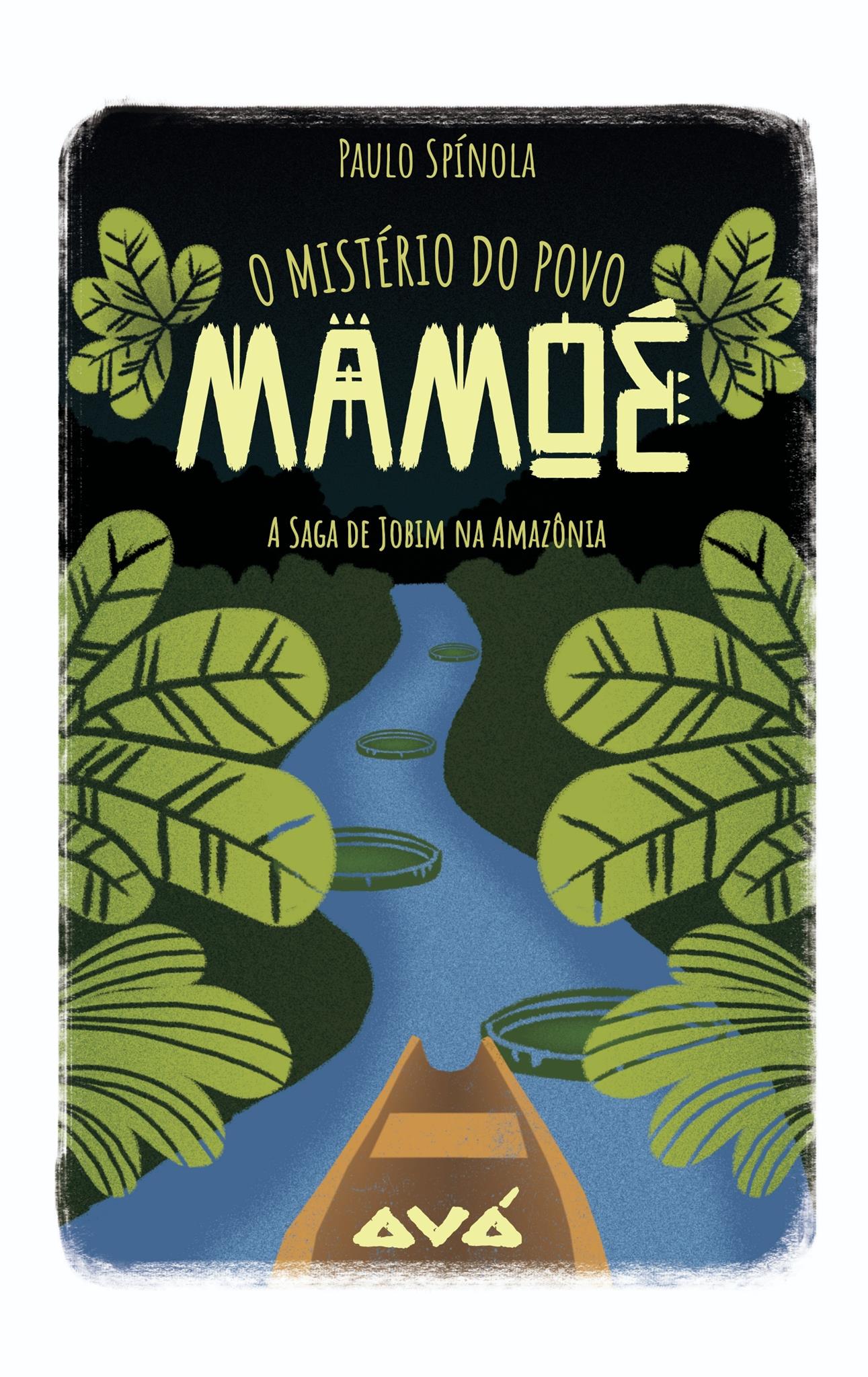
Throughout the narrative, Jobim crosses rivers, territories, and different peoples, and each encounter seems to broaden his worldview. What does this geography of crossing represent, symbolically, within the story?
Life in the Amazon is held hostage by its rivers and streams. The Amazon is managed according to the water cycle, as is the way of life of its people. Living in this environment is a constant challenge, and every experience brings gains, even the most unpleasant ones; this is part of our journey through life. I believe that experiences must be lived in the real world; conflicts, challenges, frustrations, defeats, victories, are all part of learning. Keeping young people away from life’s risks creates weak, immature, and superficial individuals. On the other hand, facing challenges tests our courage and fears, and reveals our potential and limitations.
The book introduces young readers to themes such as illegal mining, environmental degradation, and the resistance of Indigenous, Quilombola, and riverside communities. What motivated you to address these issues within a narrative aimed at teenagers?
Young people should be the main agents of environmental protection; they are not responsible for the immense variety of irregularities committed against nature, but they will certainly be the most affected in the future. Raising generations aware of the need to care for the environmental health of their city and their country is also caring for the future of the planet.
Samiris and the journey of Priestess Mamoé expand the mythical and spiritual dimension of the book. What did fantasy allow you to say about the Amazon that perhaps a purely realistic narrative wouldn’t achieve?
The Amazon is a mystical environment by nature; its people are shaped by listening to legends and tales about apparitions, about the river dolphin that turns into a man to seduce maidens, about the Curupira who watches over the forest, about the Mapinguari, and so many other spiritual beings. Hence the inclusion of the Mamoé people in the story.
The idea of creating the Mamoé came from accounts of a people who migrated from Peru to the Amazon, fleeing the Spanish invaders who decimated and plundered the Inca Empire. From there, it was simply a matter of combining the mystical aura of Machu Picchu with the spiritual connection that the forest peoples maintain with the elements of nature.
You mention that this story began when you were writing letters to friends, imagining possible adventures. After so many years and experiences, what does it mean to see this universe finally reach readers in book form?
The Saga of Jobim in the Amazon is told in three volumes, and The Mystery of the Mamoé People is the first volume of the saga. Although the plot outline was practically written since 2012, the story has been refined and enriched with new experiences over the years, and now my time has come to do as Jobim did and face this new challenge.
Follow Paulo Spínola on Instagram