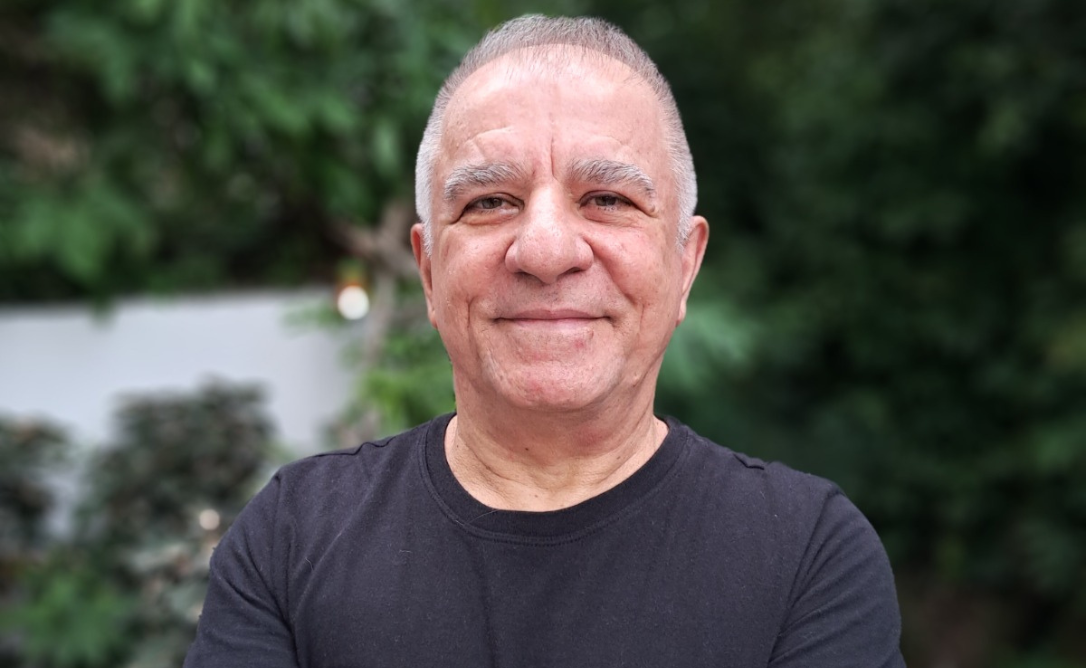
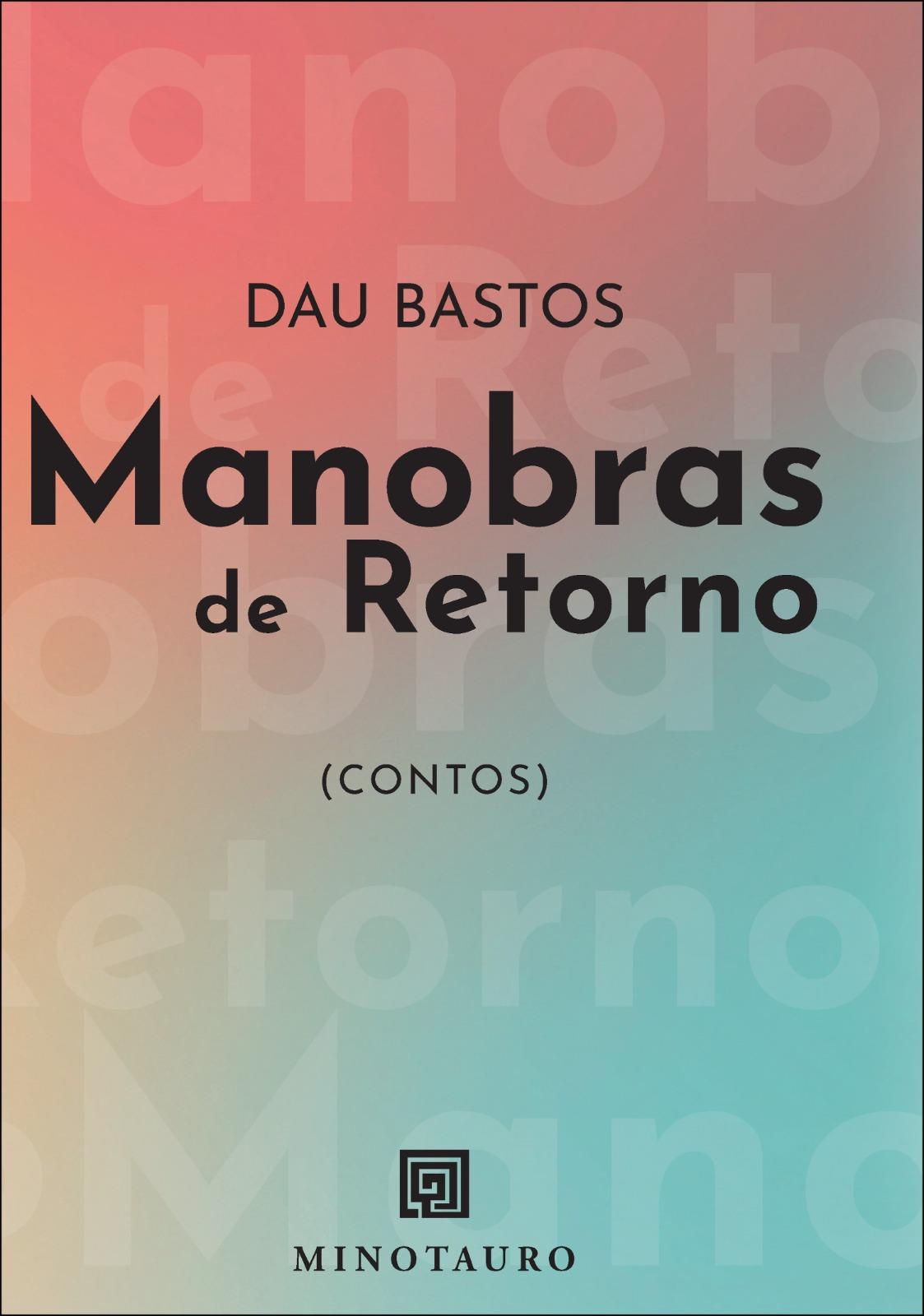
In Manobras de retorno (Return Maneuvers), writer and professor of Brazilian literature Dau Bastos constructs a collection of short stories spanning nearly five decades of recent Brazilian history, placing his characters before moral dilemmas, personal risks, and ideological disputes. From the repression of the military dictatorship to the contemporary echoes of authoritarian discourses, the work follows trajectories marked by human contradictions and turbulent political contexts. In the interview, Bastos reflects on historical memory, democracy, and the role of literature in questioning the forces that shape Brazilian society.
In “ Manobras de retorno ” (Return Maneuvers) , your characters go through extremely intense moments in Brazil. When did you realize that these stories needed to be told—and that literature would be an appropriate space for this reflection?
I grew up under the dictatorship, but, since we freed ourselves from the military yoke, I thought that democracy would never again be threatened. Hence my astonishment at seeing the far right gain power through the ballot box. Worse: they had a disastrous administration, attempted a coup, and yet remain the first or second largest political force in the country. I decided to react in the field where I have worked for decades – literature – which manages to deal with history without losing its artistic character.
The first narrative features a female guerrilla fighter confronted not only by repression, but also by her own contradictions. What interested you most in exploring: the political context or the intimate and human dimension of someone placed in that extreme situation?
The initial motivation was to open the collection with a thrilling plot, set at the height of repression. Now, the dangers themselves have invited a deepening of the protagonist’s subjectivity, whose paradoxes I emphasized because they are fundamental to every character. During the writing process, I remembered the former guerrillas with whom I lived, who, even endowed with impressive courage, were as susceptible to contradictions as all of us.
The book spans different decades and ideologies, including characters situated on both the left and the right. What was it like to write with empathy about worldviews that are often in conflict with each other?
Literature is especially adept at dismantling stereotypes. It uses fictionalization to assume different points of view and, without committing to any of them, shed various beams of light on attitudes, thoughts, and emotions. This is ideally, of course, since the writer’s worldview always interferes with the weaving of the plot. In my case, the challenge was to de-idealize the left-wing characters and humanize the right-wing ones.
You mention that the work stems, in part, from the shock of finding defenders of the dictatorship among your own students. How did this personal experience emotionally impact the writing process?
I teach Brazilian fiction, which is full of texts whose characters fight against all kinds of abuse of power. In this context, the anxiety of encountering excellent students in favor of the return of the military regime was another stimulus to the creation of narratives offering perspectives on significant events of the last half-century. Since it is literature, I emphasized its reverberation, not always rationalized, within the ranks of both supporters of democracy and authoritarianism.
His characters don’t appear as heroes, but as people full of doubts, frailties, and contradictions. Do you believe that literature has a role in humanizing history, especially in times of more polarized and simplistic discourse?
Yes, literature can contribute to the humanization of history because it doesn’t settle for caricatured and superficial realism, but cultivates a sense of reality that allows it to create characters in our own image and likeness. And what does each of us see in ourselves? A confusion of feelings and values, as well as the impossibility of maintaining coherence for very long. Recognizing this can make us more tolerant of those who think differently.
When fictionalizing real figures and periods, as in the case of Caio Fernando Abreu, where do you find the balance between historical accuracy and creative freedom?

I research as a documentary filmmaker and reinvent as a fiction writer. As for Caio, I met him in the early 80s. Until his death in 1996, we maintained a friendship that wasn’t everyday, but included conversations, drinking sessions, and even the publication of comments on each other’s books. Knowing his way of thinking about life and literature, I easily imagined him as the protagonist of a plot that, however, doesn’t correspond to any of my own experiences.
The title ” Return Maneuvers ” suggests movement, attempt, perhaps even revision. For you, is the return a possibility for correction, for understanding, or a warning about risks that never ceased to exist?
The title emerged as a reference to the most recent attacks on democracy, therefore it had a negative connotation. However, by naming the collection as a whole, it equally covers the movements in favor of the redemocratization of the country. If double meanings often enrich literature, here it also underlines what we all know: life is cyclical, but for good and for bad. Therefore, we need to be very attentive.
After emotionally traversing these decades and characters during the writing process, what has changed in your own way of seeing Brazil—and the place of literature within it?
Looking back reminded me that in 1985, the celebration of the end of the dictatorship was hampered by the lack of perspective resulting from the devastated state of the military government. Even so, the nation rebuilt itself and moved forward rapidly. In the field of writing, the mistakes and successes of political fiction from that era help contemporary authors produce short stories and novels capable of harmonizing critical and literary senses.
Follow Dau Bastos on Instagram