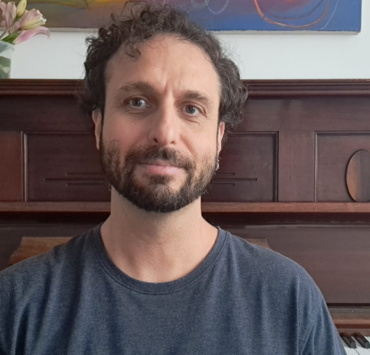
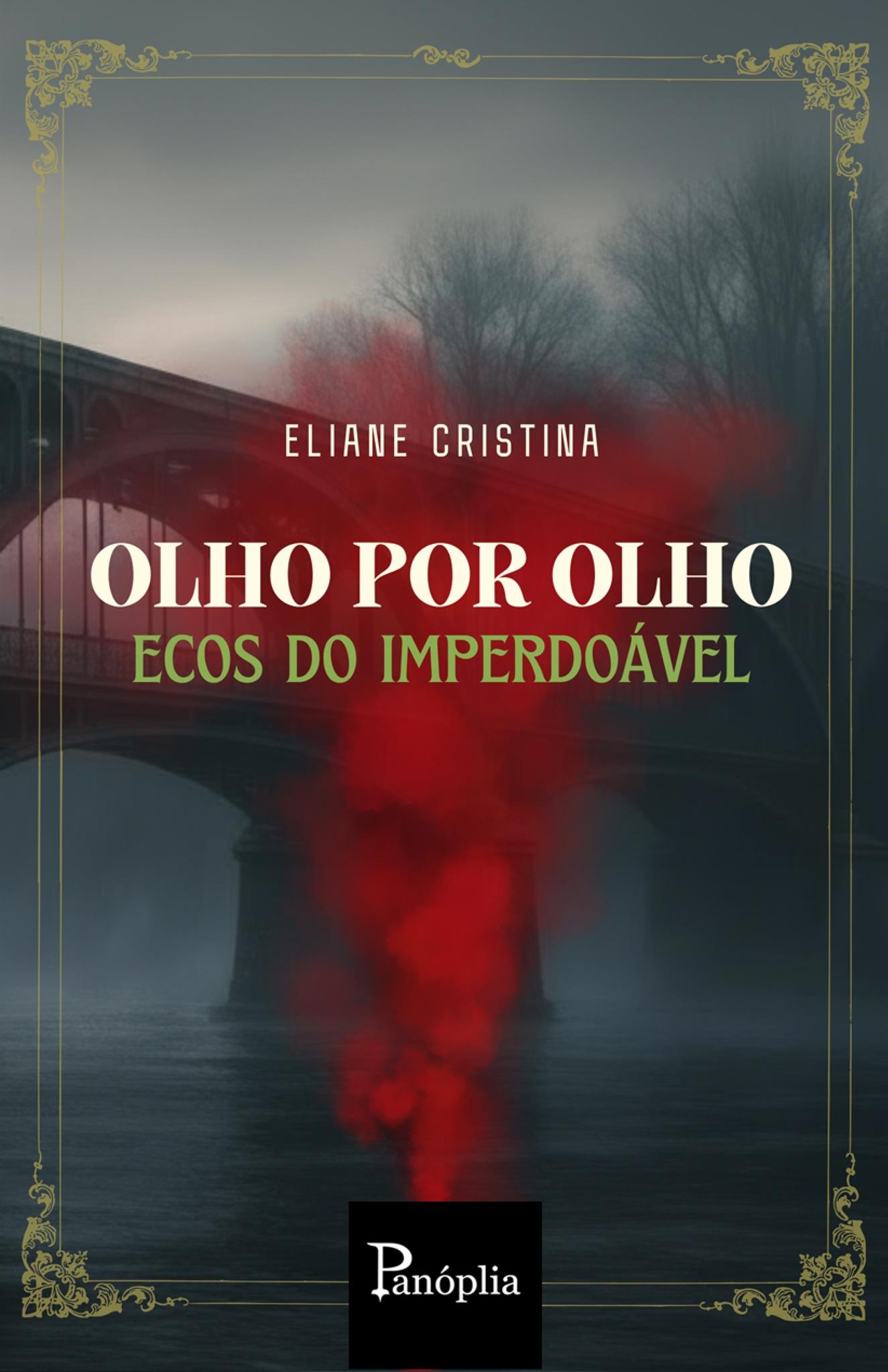
In “An Eye for an Eye: Echoes of the Unforgivable,” writer Eliane Cristina constructs a narrative marked by traumas, silences, and choices that span generations. Set in Rio Grande do Sul and inspired by reflections on the ancient Law of Retaliation, the novel investigates the impacts of violence, resentment, and the search for reparation in the face of injustices that remain unanswered. By combining historical context, family drama, and philosophical questions about forgiveness, free will, and morality, the author invites the reader to reflect on the true price of revenge and the marks left by decisions that echo far beyond time.
“An Eye for an Eye: Echoes of the Unforgivable” starts with a very powerful question: after revenge, what remains? At what point did this unease begin to transform into a novel?
The unease stems from the realization that some acts don’t end after they’re committed. In fact, they continue to echo, for good or ill, in the lives of those involved, in their families, and even in the life of the person who committed them. So, I combined this realization with the desire to write a crime novel.
The work doesn’t treat revenge as an isolated impulse, but as something that is built up over time, amidst pain, silence, and resentment. What most interested you in investigating this slow formation of the desire for reparation?
It was precisely the persistence of that desire for revenge. Nothing changed the intent to carry out the revenge. The pain and trauma permanently marked that person, coming to define their life.
The crime on the banks of the Rio dos Sinos leaves a family scarred not only by violence, but also by the censorship of the victims and the erasure of evidence. How does silence become a character within the narrative?
Silence is an omniscient observer within the narrative. Faced with the impossibility of truth, it finds a voice in the revenge perpetrated.
By setting the story in São Leopoldo and bringing in the experience of German immigrants after the 1910s, you connect individual wounds to collective traumas. Why was it important to bring together history, memory, and intimate drama?
It was a scenario very consistent with the novel’s premise. Individual trauma emerges almost as a reflection of the collective trauma experienced during that period, especially after Brazil’s entry into World War II.
Political and cultural repression, the prohibition of the German language, and the dispossession of land appear as hallmarks of a specific period, but they also resonate with universal feelings of loss and injustice. How do these experiences help shape the characters’ conflicts?
There was solidarity among the characters. The resilience of the community, even though often hampered by the fear of persecution and sanctions, was fundamental in enabling those people to face the period in the least painful way possible.
Characters like Otto and Manoel seem to carry dilemmas that don’t allow for easy answers. How was it to create characters capable of arousing, at the same time, compassion, outrage, support, and disappointment in the reader?

The creation of these characters stemmed largely from observing life, extensive reading, and human contradictions, contextualized within the time period of the novel. The central characters are followed from childhood until after the age of sixty. Their stories are built within a kaleidoscope of pain, affection, longing, and love. It is a profoundly human and captivating journey.
The book touches on themes such as free will, forgiveness, violence, and responsibility. For you, to what extent does an extreme choice stem from someone’s freedom—and to what extent does it stem from the wounds that person carries?
I believe that anything born from extremes is no longer born in balance. Therefore, we are not dealing with a free and conscious choice, but with a response to a painful event. Even with scars, a choice guided by balance will always be a better option.
The work avoids direct judgment and invites the reader to confront the complexity of human decisions. After experiencing these “echoes of the unforgivable,” what kind of reflection would you like to leave with the reader who finishes the book?
Life is fleeting; resentment or revenge shouldn’t define us. We need to find paths that don’t lead us to retaliation, but to overcoming evil instead of allowing it to continue.
Follow Eliane Cristina on Instagram