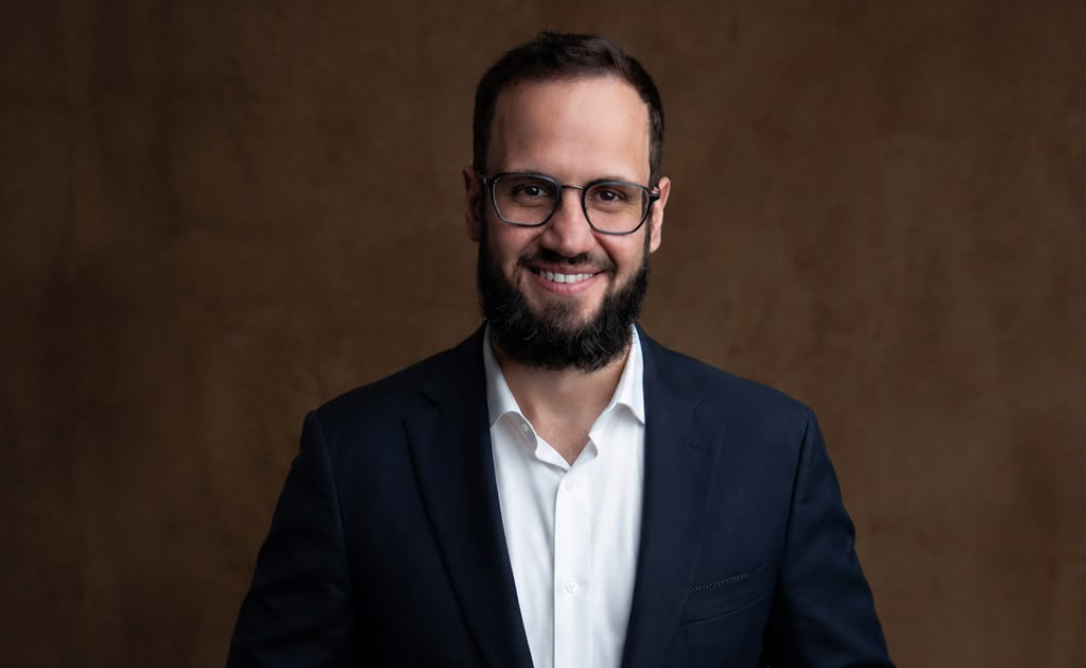
In a landscape marked by more demanding consumers, digital transformation, and constant market changes, executive Paulo Brenha draws on his experience leading large companies to discuss the paths to a more sustainable and competitive retail sector. In his book, *Retail with Purpose and Results – How to Transform Sales into Value and Margin into Profit*, the expert argues that consistent growth depends on the integration of organizational culture, customer experience, leadership, and execution. In an interview, Brenha analyzes the main challenges faced by small, medium, and large retailers, explains why purpose has ceased to be merely institutional rhetoric, and shares practical strategies for transforming financial results into lasting value for companies, teams, and consumers.
“Retail with purpose and results” stems from the idea that purpose cannot be just talk, but needs to become a method. At what point in your career did you realize that this difference was crucial for retail?
I realized this very early on, while still in daily contact with stores and field teams. Throughout my career, I’ve seen companies with inspiring speeches, well-constructed campaigns, and very clear values on paper, but which couldn’t transform all of that into a consistent customer experience or sustainable business results. It was at that moment that I understood that purpose, alone, doesn’t transform companies. It needs to guide decisions, behaviors, and processes. It needs to appear in how leadership develops people, how a salesperson serves a customer, how a manager solves a problem, and even in how the organization monitors its indicators. Working in large commercial operations, it became evident that the most consistent companies weren’t necessarily those with the most resources, but those that managed to align culture, strategy, and execution. This learning is what gave rise to the book. My main message is that purpose cannot be treated as an institutional discourse or a marketing campaign. It needs to become a management method. When that happens, the result ceases to depend on circumstances and becomes a consequence of a solid, consistent, and sustainable management model.
This book stems from approximately 20 years of experience in large commercial operations and global brands. What day-to-day lessons, especially from the “shop floor,” have most transformed your perspective on leadership and results?
The greatest lesson I learned on the shop floor was understanding that no strategy is truly good if it doesn’t work in operations. I spent a large part of my career shadowing salespeople, supervisors, managers, and customers, and it was there that I learned that the best presentations alone don’t generate results. People are what transform strategy into growth. I also learned that indicators only show part of the reality. A report explains what happened, but it’s the operation that reveals why it happened. Often, a drop in sales isn’t related to the product or price, but to a lack of training, poor leadership clarity, inefficient communication, or poorly structured processes. It was by dealing with these challenges daily that I matured my vision of leadership. Leading isn’t about controlling people, but about creating conditions for them to deliver their best. A manager who remains distant from operations risks making decisions that are correct in theory but wrong in practice. Therefore, I believe that proximity to the customer and the team remains one of the greatest competitive advantages of any retail leader.

You argue that financial results and positive impact are not opposites, but complementary. Why does this reconciliation still seem so difficult for many companies?
For a long time, the idea prevailed that companies needed to choose between caring for people or generating profit. In practice, this is a false choice. The most solid organizations understand that financial results and positive impact go hand in hand. When a company invests in people development, improves its processes, strengthens its culture, and delivers a consistent customer experience, it becomes more efficient. And efficiency generates profitability. The problem is that many companies still see purpose as a cost or a marketing ploy, while treating financial results as the only truly important indicator. I believe exactly the opposite. Profit is a consequence of a healthy management model. Companies that live only to meet targets can grow for a while, but they rarely build sustainable growth. Those that develop people, strengthen their culture, and create relationships of trust with clients and partners build much more resilient businesses. Purpose without results is unsustainable, but results without purpose are unlikely to remain relevant in the long term.
Today’s consumer quickly identifies empty promises and demands consistency from brands. What has changed in the relationship between retailers and customers in recent years?
The main change is that the consumer has ceased to be merely a buyer and has become an active agent in building brand reputation. Today, they research, compare prices, share experiences, influence others, and have access to a vast amount of information even before entering a store. This has completely changed the dynamics of trust. In the past, companies controlled virtually all communication. Today, it is the consumer who validates a brand’s promise. It is not enough to claim to offer excellent service or to place the customer at the center of the strategy. It is necessary to demonstrate this every day, at every point of contact. Consistency has become a competitive differentiator. The customer perceives when there is alignment between discourse and practice and also quickly identifies when a company promises more than it delivers. Modern retail no longer competes solely on price or convenience. Increasingly, it competes on the ability to build credibility and generate trust over time.
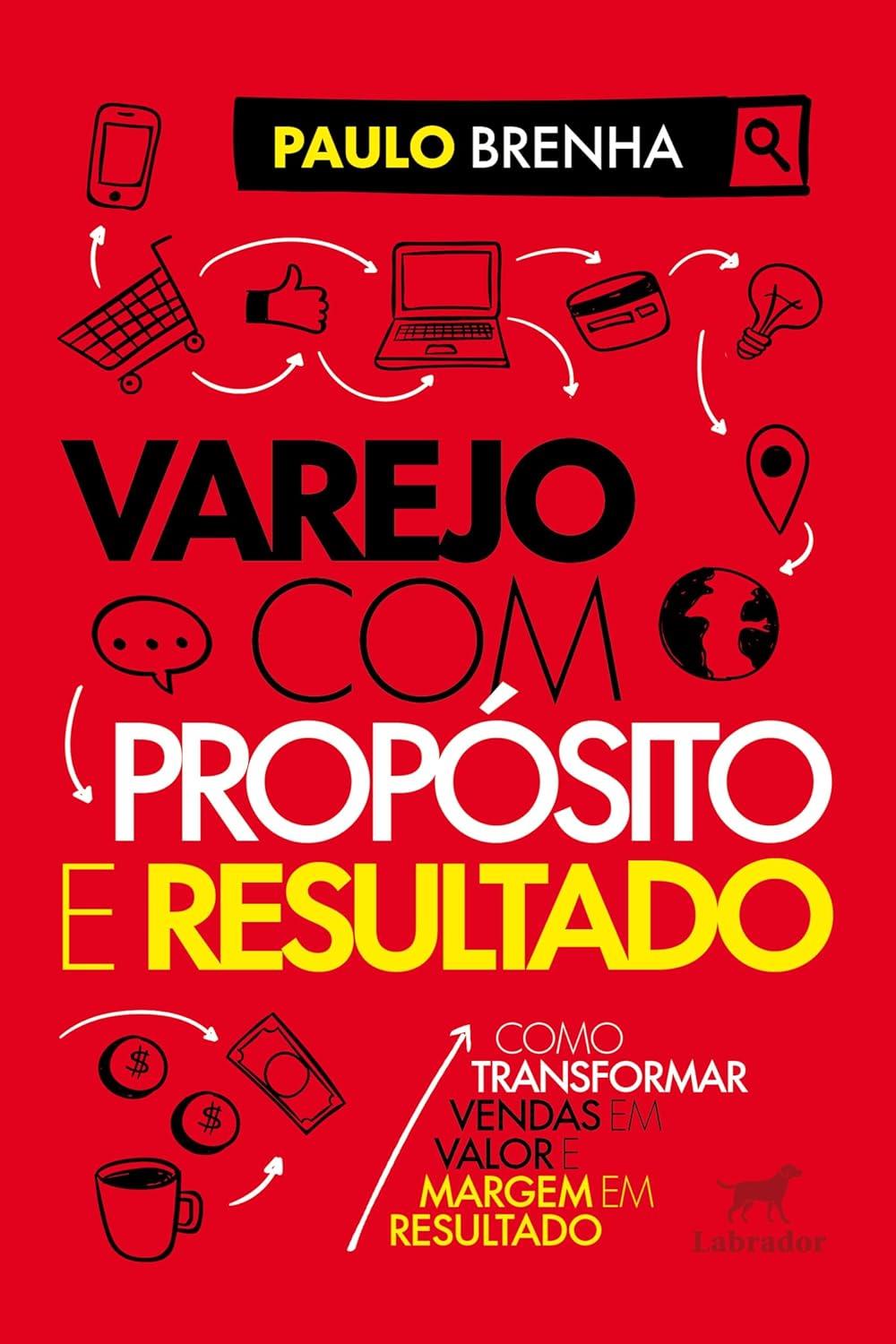
The book treats retail as a living ecosystem, where culture, leadership, margin, service, and experience need to work together. What is the risk of looking at these elements in isolation?
The biggest risk is making decisions that solve a specific problem while creating several others around it. Retail functions as an integrated system, where all areas influence each other. Unprepared leadership impacts the team’s climate. The climate directly interferes with the quality of service. Service influences the customer experience. The experience affects loyalty, which in turn impacts revenue, margin, and business growth. When a company tries to increase margins by reducing quality, for example, it can compromise the customer experience and lose sales in the medium term. Similarly, investing heavily in marketing without solving operational problems only amplifies consumer frustration. Therefore, I always argue that retail should be managed as a living ecosystem. The leader needs to understand the connections between culture, people, processes, indicators, and experience. When this systemic vision exists, decisions cease to be isolated and begin to strengthen the entire company’s value chain.
You discuss metrics like contribution margin, sell-in, sell-out, and average order value, but with a focus on transforming data into decisions. How can leaders and teams use numbers without losing the human dimension of the business?

Data is fundamental because it shows trends, reveals patterns, and helps identify opportunities. But it never tells the whole story. I often say that indicators show us where to look, while people explain why things happened. A manager who manages solely by numbers risks treating symptoms instead of the causes. Similarly, leading only by perception, without monitoring indicators, makes management subjective and inefficient. The great competence of modern leadership is to balance analytical intelligence with human intelligence. It’s about using metrics such as margin, average ticket, sell-in, and sell-out to make more precise decisions, without losing the ability to listen to teams, understand the customer, and interpret the context of the operation. Ultimately, indicators don’t exist to pressure people, but to guide better decisions. They are management tools, not punishment tools.

The book also speaks to small and medium-sized retailers, who often don’t have access to large consulting firms. What kind of clarity did you most want to offer this audience?
My main goal was to show that excellent management doesn’t depend on company size or available budget. It depends on method, discipline, and clarity. Throughout my career, I’ve met small retailers who performed better than large chains precisely because they were closer to the customer, the team, and the operation. Often, entrepreneurs believe they need extremely sophisticated tools to grow when, in reality, what makes the biggest difference is understanding their indicators, developing people, organizing processes, and maintaining focus on execution. I sought to translate concepts that are usually restricted to large companies into practical and accessible language, allowing any manager to apply the lessons learned immediately. My intention was to democratize knowledge, showing that good management practices don’t belong only to large corporations. They can, and should, be part of the reality of any business.
In the end, your proposal seems to show that great results stem from well-made choices every day, in the small actions of the team. What mindset would you like the reader to put into practice after finishing the book?
I would like the reader to finish the book understanding that great transformations don’t happen in extraordinary moments, but in the decisions we make every day. No company changes simply because it defined a new strategy or held a major event. True transformation happens when each leader better develops their team, when each employee understands the importance of their role, and when each decision strengthens the organization’s culture. Retail is an extremely dynamic environment, but it remains a business made by people and for people. Technology, indicators, and processes are essential, but nothing replaces present leadership, capable of developing talent, building trust, and transforming purpose into execution. If the reader finishes the book believing that excellence is the result of daily discipline and that the best results are built by teams engaged around a clear purpose, then I will have achieved my goal as an author. My wish is that each person leaves the reading not only with new ideas, but with the desire to act differently the very next day.
Follow Paulo Brenha on Instagram