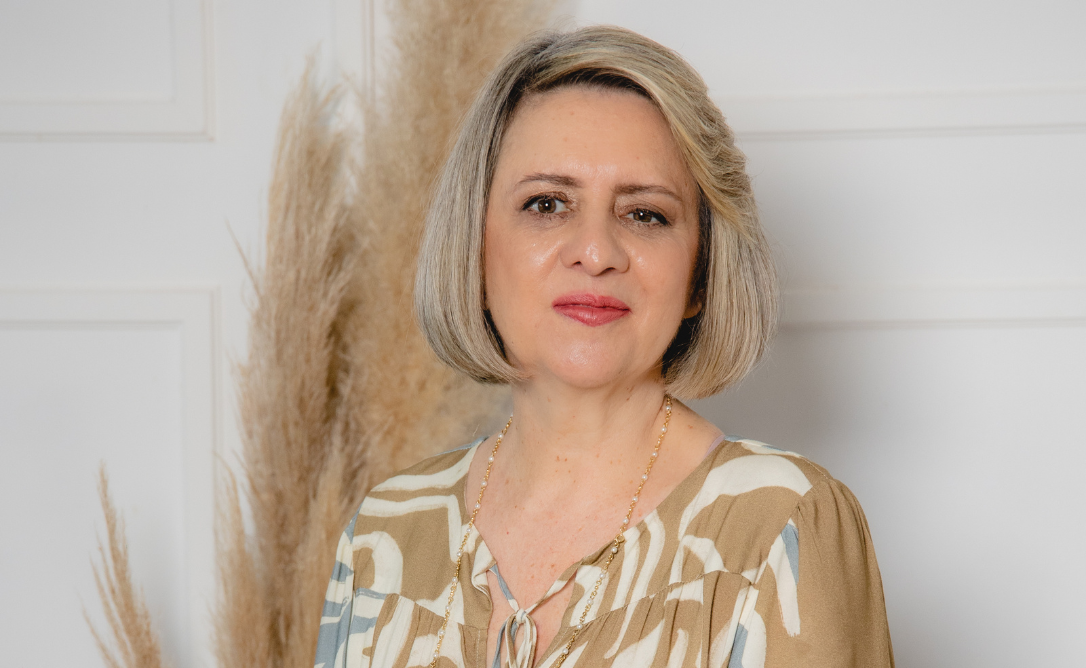
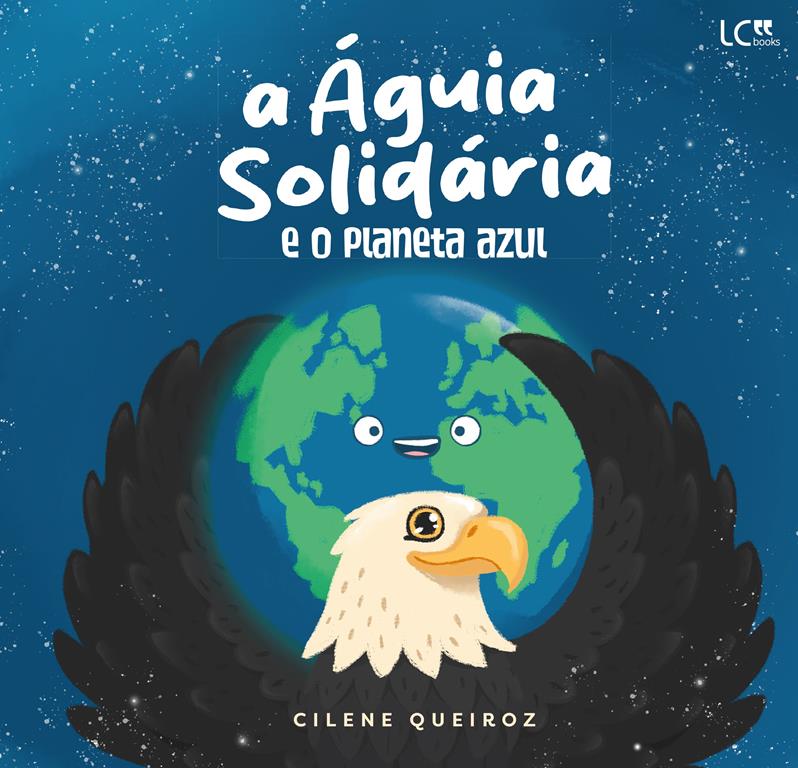
Through a narrative filled with friendship, discoveries, and sensitivity, the writer and visual artist Cilene Queiroz The book, “The Compassionate Eagle and the Blue Planet,” presents “The Compassionate Eagle and the Blue Planet,” a children’s book that transforms important environmental challenges into an adventure accessible to new generations. Following the journey of the eagle Sury and her friends in search of the origin of the planet’s mysterious tears, the book invites children and families to reflect on preservation, responsibility, and the power of small actions in building a more sustainable future. In an interview, the author discusses the inspiration for the story, the role of literature in shaping environmental awareness, and the importance of fostering respect for nature and life from childhood.
“The Compassionate Eagle and the Blue Planet” transforms the planet’s tears into a starting point for a children’s adventure. How did this sensitive image, designed to address environmental issues with children, come about?
I wanted to show that the planet also suffers from our actions. The tears symbolize this suffering in a way that children can understand and, at the same time, feel the desire to take care of nature.
Sury, Black, and Pitoco set out in search of answers and end up discovering different wounds of nature. What do these three characters represent within the message of friendship, care, and cooperation in the work?
They show that no one makes a difference alone. Each person has their own way of acting, but it is precisely friendship, unity, and the willingness to help that allow them to face challenges. They represent…Unity, empathy, and cooperation.
The book addresses urgent issues such as pollution, deforestation, wildfires, water scarcity, and biodiversity loss. How did you balance the seriousness of these subjects with accessible and playful language for a young audience?
My goal was to teach without scaring people. That’s why I used adventure, humor, and charismatic characters to address serious topics in a light and engaging way.
In the story, children are chosen as the protagonists of environmental transformation. Why do you believe that ecological education needs to start early?
Because it is in childhood that we learn the values we carry with us throughout life. When a child understands the importance of caring for nature, they grow up knowing that small actions make a difference.
The book suggests simple actions, such as planting trees, cultivating vegetable gardens, saving water, and properly separating waste. What is the importance of showing young readers that big changes can also be born from everyday gestures?
I believe that transformation begins with small actions; it’s fundamental to teach and do together how to care for the planet. Children need role models, truth, and what is natural, which is why it’s important to teach them. When children realize that they too can help, they understand that caring for the planet is everyone’s responsibility.
Guilherme Rocha’s illustrations help bring the characters and landscapes of the story to life. How do you believe they contribute to connecting readers with the book’s environmental message?

The illustrations bring the story to life and spark the imagination. They help children connect with the characters and strengthen the message of preservation.
Beyond environmental preservation, the book speaks of empathy, responsibility, and hope. What kind of sensitivity do you hope to awaken in children as they follow Sury and her friends’ journey?
I hope to awaken in children a more sensitive perspective towards nature and towards others. That they realize that caring for the planet is also an act of love, respect, care, shared responsibility, and hope for the future.
“The Compassionate Eagle and the Blue Planet” also invites families and educators to reflect together with the children. After reading, what conversation would you like to have at home or in the classroom?
I would like to spark a simple yet important conversation: what can we do in our daily lives to better care for the planet? The idea is for families, teachers, and children to think together about feasible, simple, and genuine actions. And most importantly, we must transform this awareness into truly healthy actions in our daily lives.
Follow Cilene Queiroz on Instagram