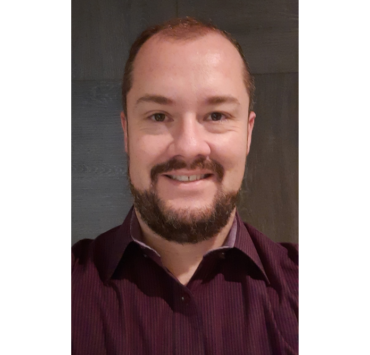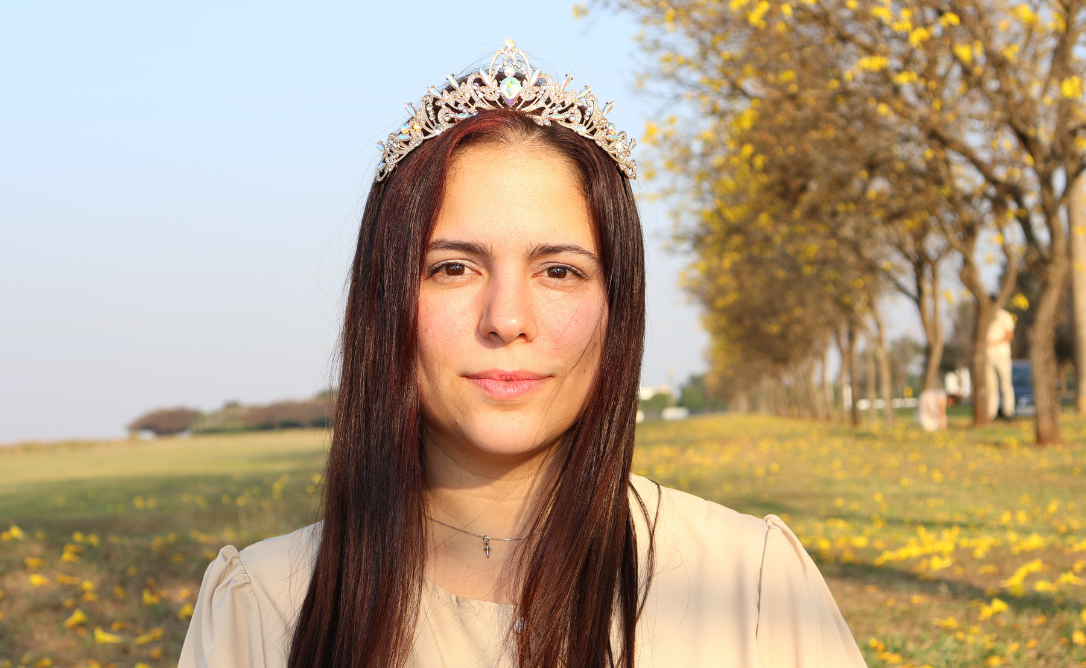
In “Things I Had to Say and Didn’t,” writer Le Savoldi invites the reader to delve into the emotions that often remain hidden throughout life. With intimate and reflective writing, the author transforms feelings such as longing, grief, love, and silence into poetry, proposing a reunion with one’s own history and with everything that was never said. The work, supported by the Paulo Gustavo Law, presents itself as a space for acceptance and self-knowledge, where words emerge as a tool for healing, reinterpretation, and new beginnings.
In “Things I Had to Say But Didn’t,” your verses seem to function like letters that finally find a voice. At what point did you feel the need to transform these pent-up feelings into poetry?
It was then that I understood that poetry liberates. For a long time, I carried within me words I couldn’t say, feelings trapped in silence, like letters never sent. Writing became a way to open the windows of my soul, to let out what no longer fit inside me. Poetry emerged as a breath of fresh air. When I realized it, what was once silence had already transformed into verse. That’s how I found a voice for feelings that had been kept hidden for so long.
The book addresses emotions that often remain hidden, such as longing, silence, frustrations, and unlived loves. Why do you think we still have so much difficulty naming what we feel?
Because there are pains that have no name. There are feelings so deep and complex that words seem too small to contain them. Often we know exactly what we feel, but we don’t know how to say it. So we keep it to ourselves. We remain silent. And within that silence grows an entire universe of emotions that remain hidden. Perhaps that’s why poetry exists: to try to say what, often, ordinary language cannot reach.
The loss of her mother appears as one of the experiences that permeate the work. How did writing become a way to process this grief and transform it into something shareable with the reader?
It took me many years to understand this loss, mainly because it happened in childhood. It should be forbidden for any child to lose their mother. A mother is a foundation, a refuge, a lap, security, the place where the world seems possible. Imagine a child losing all of that overnight. It’s unsustainable—not to mention unbearable. Writing was the way I found to breathe within the pain. It was the place where I could release the choking of my soul, the tears that were suffocated inside me. Writing transformed the pain into words, and the words, little by little, into the possibility of sharing.
Your poems stem from very personal experiences, but end up engaging with universal themes. How do you find this balance between the intimate and the collective in your writing?
I believe this happens because, deep down, we are all made of the same emotions. Love, longing, fear, loss, hope. The human heart pulsates with feelings that repeat themselves in many different stories. I don’t write trying to universalize the experience. I write because there is a “lived self” that needs to be expressed. And, curiously, when this “self” finds words, it also ends up finding the “self” of other people. It is in this silent encounter between stories that poetry happens.
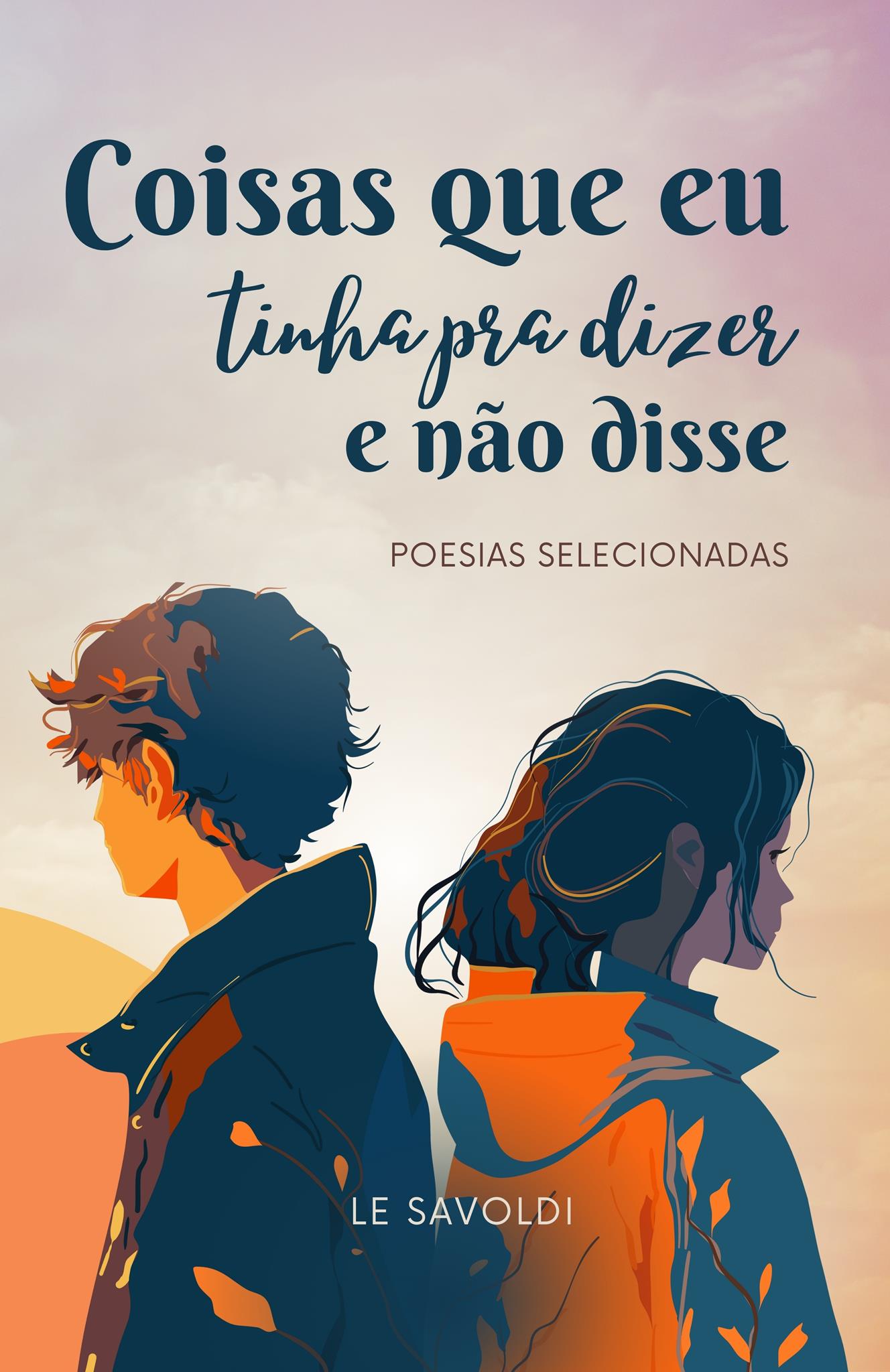
The work also invites the reader to look inward and make peace with their own history. During the creative process, did you also experience this process of reconciliation with yourself?
Yes. Writing is also an exercise in reconciliation. Little by little I came to understand that we need to accept and love our own history, because who we are today is the result of everything we have lived through—our experiences, our pain, our learning. Each scar also carries a lesson. I learned that the present always offers us a possibility for change. The now can transform the future. Poetry invites us to this perspective: to recognize who we were; to understand who we are and yet continue walking, hoping for who we will be from now on.
Besides being a writer, you are a teacher and researcher in the field of education. How does your experience as an educator influence your writing style and your thinking about words as a tool for transformation?

Being an educator carries a great responsibility. Words have power. They can uplift someone or deeply wound them. They can open paths or close doors. That’s why I’ve always tried to use words as a bridge, never as a wall. In the classroom and in writing, I believe that words need to encourage, provoke reflection, and awaken dreams. When a person begins to think about themselves and their own life, something within them begins to change. And it is at that moment that words become instruments of transformation.
Poetry appears in the book as a space for healing, reflection, and new beginnings. Do you believe that writing can help people better manage their own emotions?
I deeply believe this. When we put what we feel on paper, we’re not just writing—we’re reorganizing ourselves from within. Writing helps organize thoughts, understand emotions, and give form to what previously seemed confusing. Often, it transforms pain into understanding and silence into maturity. Writing is, in a way, a sincere conversation of the soul with itself.
After putting into words so many things that were previously kept to yourself, what do you hope the reader will feel or discover upon finishing the book?
I hope the reader understands that love needs to be spoken. That feelings need to be lived and expressed, just as dreams need to be pursued. Because, in the end, what is the value of life’s experience if we are afraid to be who we are? Afraid of not achieving our dreams? We cannot hide what we feel for fear of rejection, judgment, or the idea that it’s all a utopia. Each person carries within themselves a unique beauty that deserves to be revealed. Perhaps the greatest courage in life is this: having the courage to feel, the courage to speak, the courage to live one’s own truth and pursue one’s own dreams. What matters is the journey, for it is by walking that we live.
Follow Le Savoldi on Instagram