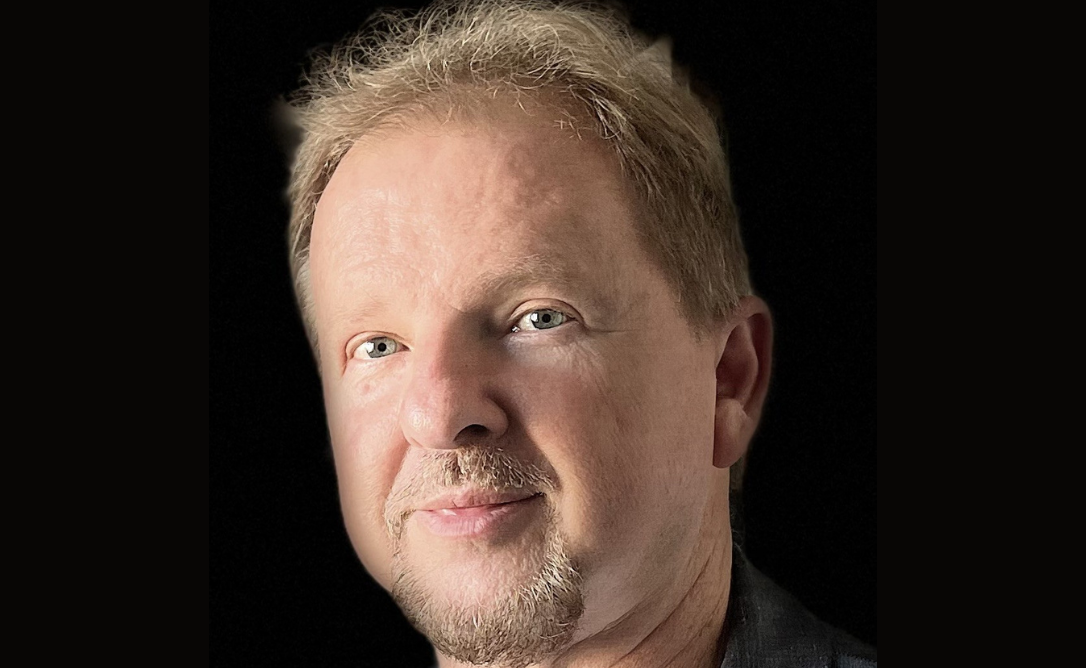
On the eve of his 70th birthday, writer and journalist Sergio Riede brings together memories, observations of daily life, and reflections on universal themes in *Nobody Lets Go of Anyone’s Coffin Handle*. Inspired by a true story from his father’s life, the book uses humor, irony, and sensitivity to address issues such as friendship, aging, politics, love, and mortality. In an interview, the author discusses the influence of thinkers like Millôr Fernandes on his writing, the construction of chronicles that transform personal experiences into collective reflections, and the importance of facing the passage of time with curiosity, lightness, and a critical spirit.
“Nobody lets go of anyone’s coffin handle” stems from a true story experienced by your father, in a situation that mixes death, friendship, cold, alcohol, and humor. At what point did you realize that this family memory had literary power?
The story happened over 50 years ago. My father died almost 40 years ago. A friend of his told me about it about three years ago. I immediately understood that it deserved a chronicle. The episode itself has a lot of power, humor, and poetry. Furthermore, it rescues and reinforces the image and figure of my father, with all the value he always placed on friendship. Since we will all die one day, I believe we should face this reality with dignity and with as much lightness as possible.
The book’s title contains a witty yet deeply affectionate phrase. What does it reveal to you about friendship, loyalty, and being there for each other during the most difficult times?
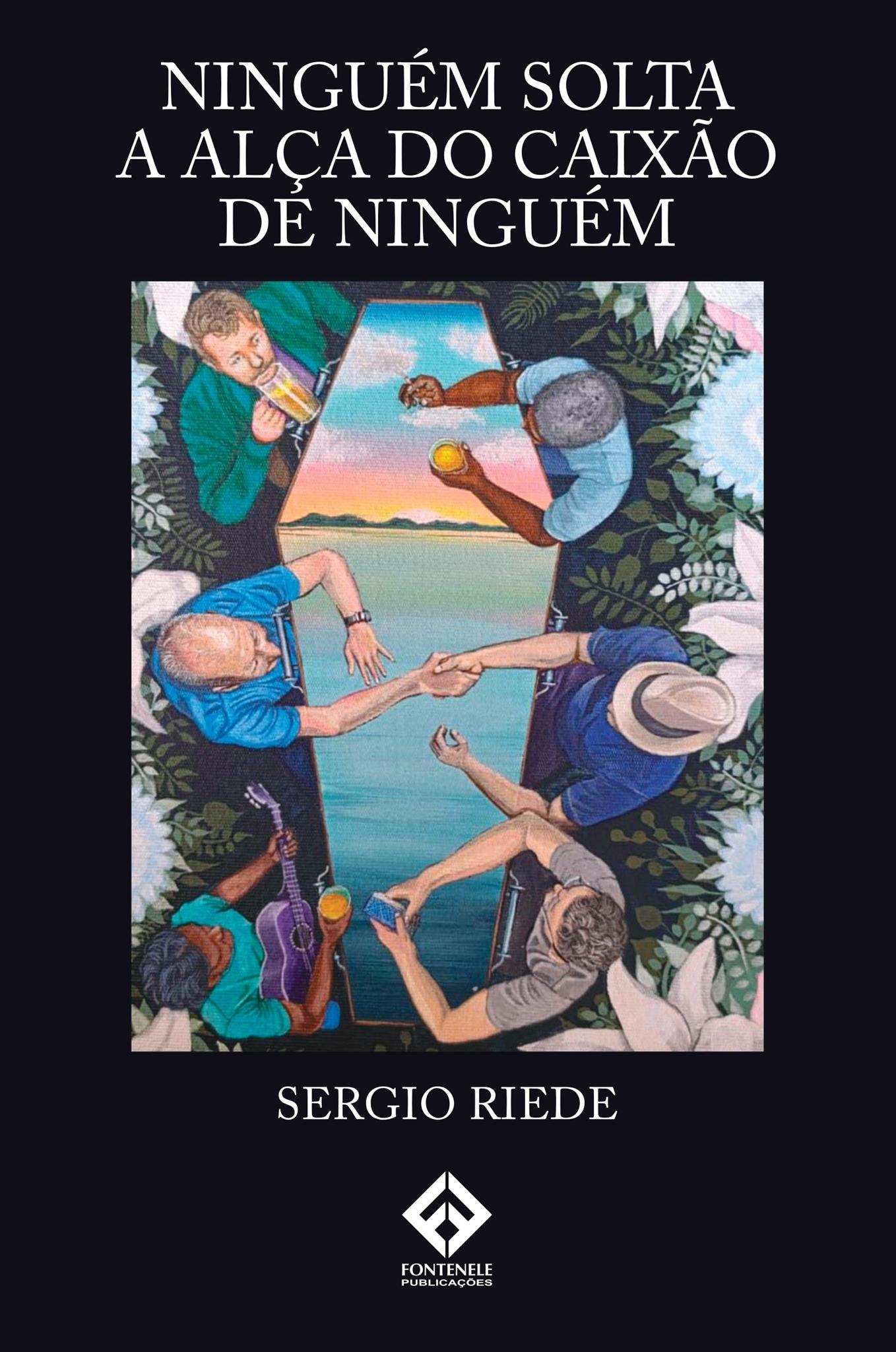
Both the title of the chronicle (and the book) and its content, as well as the cover created by the artist Karen Lou, offer a generous and affectionate perspective on death. The characters strive to maintain a sense of humor when dealing with loss. I tried to explore all these nuances of a moment that is so significant for all of us, without losing tenderness. Not letting go of the handle of friends’ coffins signifies that there is something to be revered and cherished after physical death.
The work touches on themes such as finitude, death, and aging, but without losing its lightness and irony. How can one find humor in subjects that, at first glance, seem so serious or painful?
Aging lays bare the notion of finitude, submerged throughout life. This notion appears stealthily when discussing retirement, losses, limitations, and estrangement from relatives. And it hits hard when one realizes the number of contemporaries who are dying. Talking about these facts democratizes vulnerability. Perhaps that’s why there’s so much laughter in hospitals and at wakes, jokes about age, irony about one’s own limitations. Humor doesn’t eliminate death. But it prevents it from monopolizing the conversation. In the end, aging may be realizing that the body loses vigor while the repertoire gains depth. As long as it’s possible, even respecting the longing that death evokes, to transform fear into conversation—and, preferably, into good laughs—perhaps finitude deserves a balanced understanding: inevitable, yes; forbidden, no.
All the chronicles stem from the thoughts of Millôr Fernandes. What is it about his perspective on the world that continues to inspire his writing to this day?
To speak of Millôr’s genius is commonplace. What still impacts me today in his writing is his unusual perspective, his unexpected observations, his mordacity, his raw and unvarnished recognition of human limitations. Millôr always made me reflect, made me question dogmas and hasty conclusions. In my case, I can’t read anything by Millôr and remain indifferent. I may disagree sometimes, but I always feel obligated to reassess my points of view.
You previously wrote about your experience with prostate cancer in “Cancer, Me?” and now you reflect again on time, the body, and life. How has the proximity to finitude changed your way of observing daily life?
We all know we’re going to die. But we act as if death were just a possibility, and a very distant one at that. The diagnosis of prostate cancer at age 63 accelerated my perception of finitude. It brought a sense of urgency. At the same time, learning more about death added a certain serenity to the face of finitude. In this sense, the work of physician Ana Claudia Quintana Arantes opened my mind and my heart, especially with the book “Death is a Day Worth Living.” When you discover, and above all, when you believe that it’s possible to have a beautiful death, your perspective on these issues can acquire new meaning. Perhaps that’s why I’ve developed a more generous and realistic view of finitude and death itself. By the way, the last chronicle in my book “Cancer, Me?” is called “The Death I Want to Have.” I still have no desire to die, at least for now. But I believe my fear of this inevitability has greatly diminished.
In texts like “Gerontolescence my foot!”, you discuss life after 55 with provocation and humor. What bothers you most about the preconceived ideas that society still has about aging?
Obviously, I dislike age discrimination against people, and I don’t like treating people as if they’ve lost all their abilities simply because they’ve reached a certain age. I’m disappointed by those who self-appoint themselves as relationship police, trying to meddle in other people’s lives and determine who can be in a relationship with whom based on age. In short, I detest ageism. But I also dislike the glamorization of old age. I find the use of terms like “golden age,” “being young for longer,” etc., very self-deceptive. I believe it’s possible to have a good quality of life at 60, 70, or 80 years old. I myself never thought I’d reach 70 with such fulfillment. But that’s not the case for everyone, and it won’t be that way for me forever either. In short, I’m bothered by both prejudice against old age and its glorification.
The book also touches on politics, artificial intelligence, cinema, women’s soccer, human relationships, and Brazilian culture. How do you choose the topics that deserve to become a chronicle?
With literary license, I would say that often the themes choose me. Sometimes it’s while reading a book or newspaper article; other times while watching a film; on other occasions observing daily life; occasionally listening to a story told by a friend. I have also transformed events that happen to me or that I witness into chronicles. Since I decided to publish at least one chronicle a week, my senses have become more acute regarding possible topics to write about. I recognize that some subjects are more present in my texts. I don’t refuse to talk about the pains and joys of being who we are at our age. In short, I choose, or allow myself to be chosen by, themes that enchant me, move me, make me think, and allow me to laugh – whether at myself or at the events themselves. And that I imagine will stir the sensitivity of the readers. In the end, since it is for them that I write, I always think about what could awaken the most interest, curiosity, and reflection in my audience. As for the humor, I don’t intend to provoke belly laughs, but rather that slight smile that lingers for a while after you’ve finished reading.
Approaching your 70th birthday, you seem to use time not as a limit, but as a lens to better perceive love, politics, art, and friendship. What kind of unease would you like the reader to take away after reading these chronicles?
I would like readers to feel challenged to think and reflect, both on the world we live in and on the role and degree of responsibility each of us has in the ongoing construction and reconstruction of the reality in which we live. I am aware of the beliefs that limit us, but, if it’s not asking too much, I would like my texts to contribute to people feeling encouraged to act with generous doses of affection and good humor.
Follow Sergio Riede on Instagram