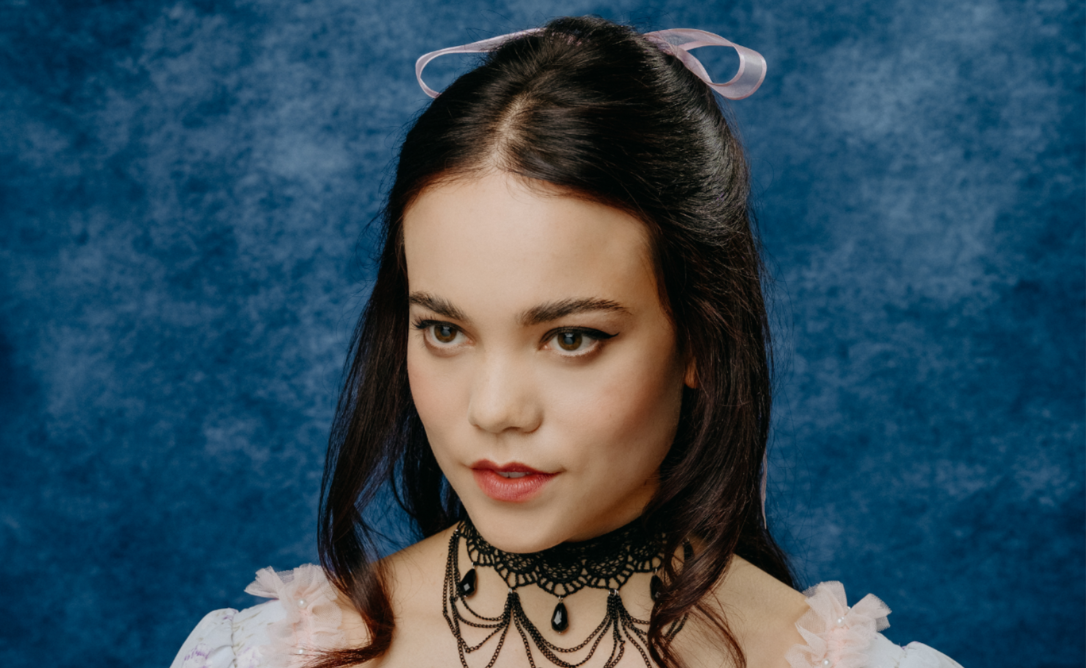
In “Jane Austen,” Juliet Daniel turns a deeply personal situation into a broader reflection on self-worth, validation, and the pressure to live up to expectations. In this interview, the singer-songwriter discusses her transition from tech to music full-time, her desire to build a more authentic artistic identity, and the way her indie pop sound speaks to a generation shaped by burnout, reinvention, and the search for belonging.
“Jane Austen” begins with a very specific situation, but it ends up touching on universal themes like validation, self-worth, and the need to be chosen. When did you realize the song was speaking to something bigger than romance?
“Jane Austen” isn’t about the act of love; it’s about the worthiness to be loved. Even though it’s romantic in some ways, I wasn’t thinking of it as a love song while I was writing the first version. The place I was in was one of doubt and anxiety – a state that I was experiencing broadly in my life, not just in the context of the one who was about to get away. Feeling insecure about how my current life performance shaped up in a romantic context was what brought the song to life.
This new artistic chapter seems deeply connected to a personal and professional redefinition. How did leaving the tech world to pursue music full-time transform your idea of success?
I left tech a little over four years ago! Or if you include internships then it was more like six years’ duration believing that this was my future. It’s funny, because recently I visited my parents’ home and noticed some notes lying around my childhood bedroom that I hadn’t picked up to read in years. They were little messages from friends when we had just completed our pre-orientation backpacking trip before starting as freshmen at Stanford. Even then, people had cared most about the joy I bring to the function and my love for creativity and music and singing. I don’t know why I put so much stock into achievement and intellect when I had those other things all along.
Leaving the tech world has validated the qualities I care about most: my creativity, originality, and joy. Midway through last year, I even changed my artist name to my legal name, symbolizing the complete transition of my identity to my musical self – and it’s certainly more myself than a resumé headline has ever been.
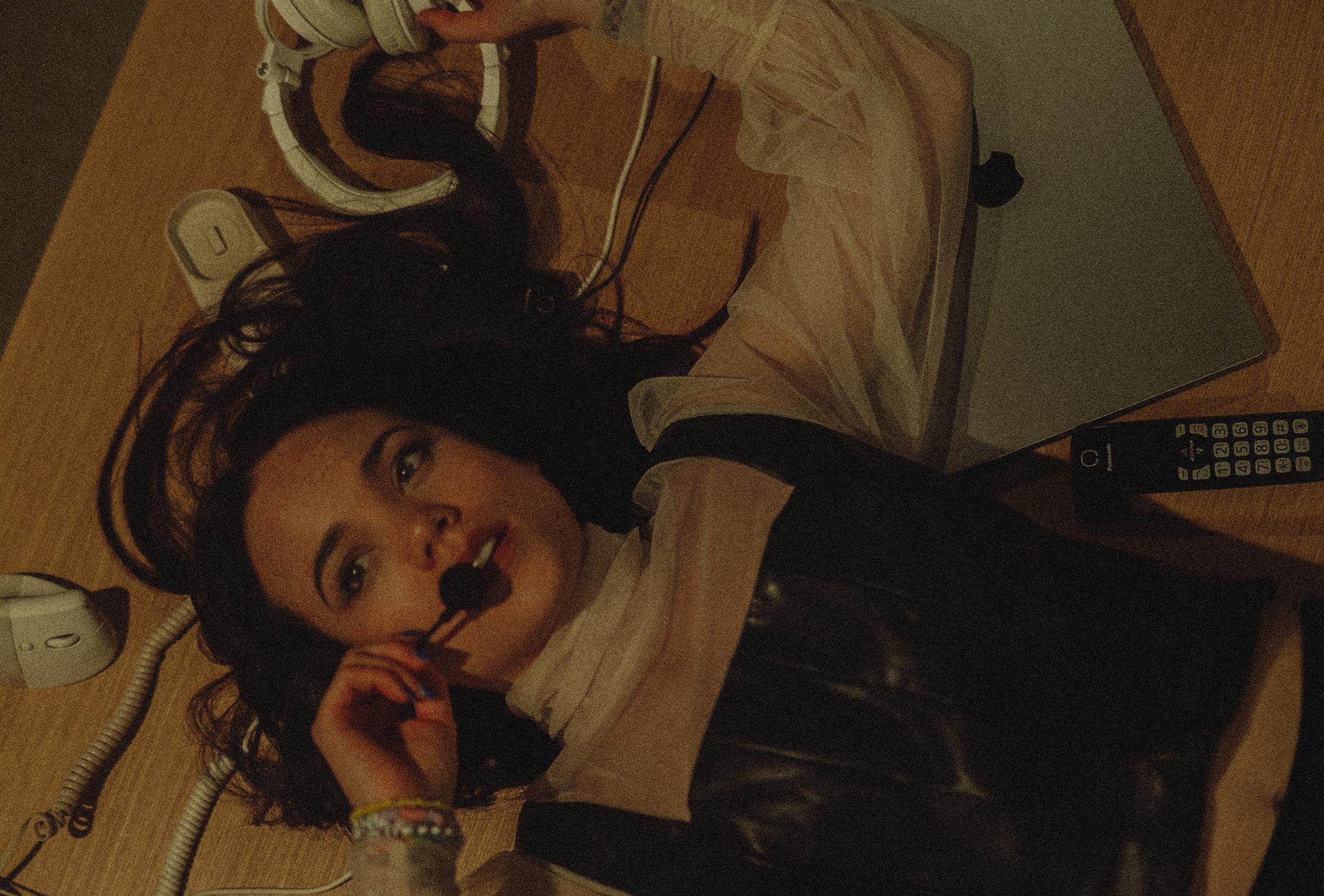
In “Jane Austen,” there is a very compelling tension between the version of yourself that performs well and the version that actually feels authentic. How have you been navigating that conflict in your life and in your art?
Being studious and well-behaved has gotten me lots of prizes in life. I enjoyed an education and job security because of it. But it’s hard not to let it get to your head that that is your primary value and identity. Even when I started to identify increasingly with my musical self, my people-pleasing tendencies continued to play a part. It’s taken me a while to start taking risks with my recorded sound and live performances, which are leaning into alt territory although I think they’ll always be pop at the core.
Your music blends contemporary indie pop with an atmosphere that recalls 2000s coming-of-age stories. What draws you to that sonic and emotional aesthetic?
With my music, I’m trying to create a coming-of-age experience not just for people going through classic coming-of-age periods like high school and college, but also for people in their 20s and 30s who might be overlooking the formative times we’re actually still living in. The 2000s and early 2010s are the aesthetic ideal of my generation. This was a time where I felt more free in some ways and less free in others – under so much pressure to perform in school and wishing nowadays that I could rewrite some of that narrative.
Returning to these times literally heals my inner child! And of course, I’ll always be chasing the late 00s/early 10s alternative sound that forever influences my taste in music. The type of songs I would listen to in the back of my friend’s mom’s car on the way to Six Flags.
Your story speaks to a very present generational experience today: the pressure to succeed, meet expectations, and at the same time figure out who you really are. Do you feel your music is born out of that dialogue with your generation?
I think this experience is pretty universal and ongoing, but there’s something about being in your 20s and 30s right now that makes all of that feel especially consequential. When you’re younger, there isn’t usually as much worry and questioning about who you really are. It’s easy to be idealistic about your potential when you haven’t finished college or started your first full-time job yet. But once you’ve logged a few years of that and committed to expectations to succeed given who you said you were going to be, you start to feel “old now”, like it’s too late to make a change. I’ve noticed a lot of my friends and their friends in their late 20s and early 30s making what seem like sudden 180s in their lives: quitting their high-paying day jobs, moving across the country or to a different one, leaving their relationships, starting over. Gen Z and Zillennials are strong in idealism and open-mindedness, and I love that about us. Even if “no one wants to work anymore” and it’s a shock for us to explain our choices to our parents.
Looking at this moment in your career, with a more alternative sound and a more direct voice, what kind of artist do you feel you are becoming now?
I feel that I’m growing into a more distinct point of view sonically and lyrically, and I hope to remain a real person building a community where people can be their nerdy, nostalgic, angsty, hopeful, even ambitious selves. I’m becoming more grounded in the references that have inspired me since childhood. And I’m also coming around to a more punk rock-esque ethos around social hierarchies and disconnects between art and capitalism. I hope to do more writing that takes on bigger issues that keep me up at night, but I want to stay directly personal with the stories I tell. I’m continuing to write from my own experiences and am challenging myself to visit darker and/or more layered places I’ve felt but haven’t vocalized yet. I’ve got a few lives to mine.
Follow Juliet Daniel on Instagram