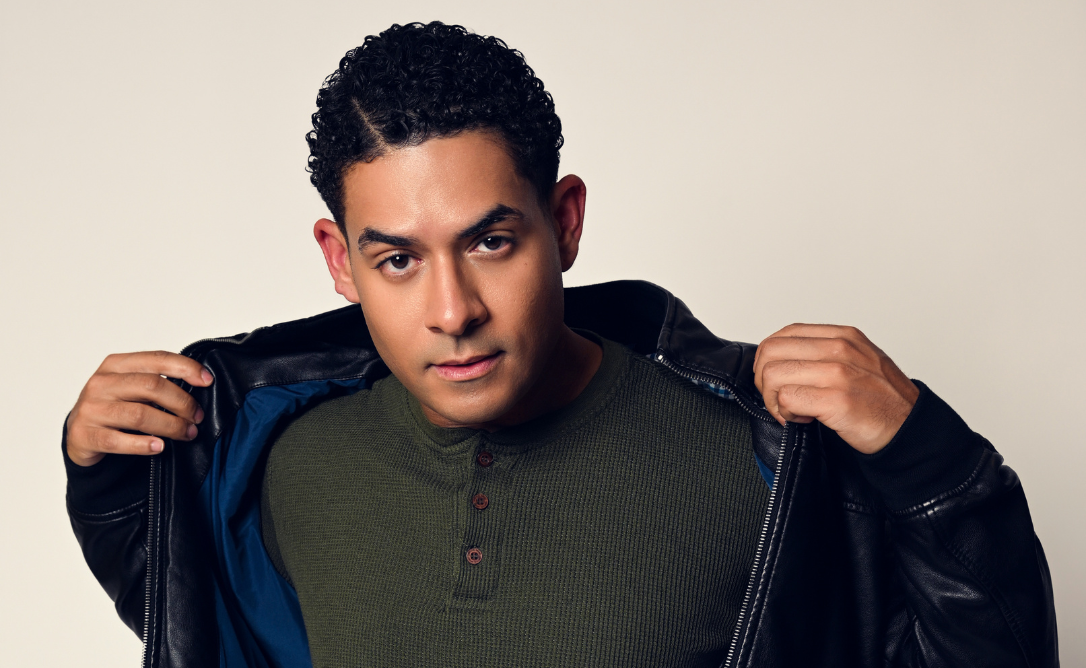
In Lincoln Must Die, Drew Dusterhoff takes on a role defined by silence, pressure, and presence, turning restraint into a source of menace. In the interview, the actor, writer, and producer reflects on building Reyes, the relationship between physicality and truth on screen, and the way he is shaping an artistic path guided by intensity, mystique, and increasingly deliberate choices.
In Lincoln Must Die, you play Reyes, a character who evolves from an operation’s second-in-command into the film’s central villain. What drew you most to that transformation?
Reyes didn’t change. The room just got smaller. I liked the gravity of a man who stops asking for permission and starts setting the temperature.
The film promises an intense story about crime, power, and high-stakes confrontations. How did you work to build Reyes’s presence and complexity within that world?
By removing the static. Most people talk to fill space when they’re afraid. Reyes waits. Silence is the heaviest thing you can drop into a room.
In addition to starring in the film, you also serve as a producer. What was it like balancing those two roles on such a demanding action-thriller?
Acting is the fire. Producing is the fireplace. You need both to keep the house from burning down. It wasn’t a balance, it was just doing what the story required.
Your career seems to be shaped by thoughtful choices and characters with a strong dramatic presence. What interests you most about roles that carry intensity and restraint?
Pressure. A volcano is only interesting before it erupts. Restraint holds the audience’s breath. Intensity makes sure they don’t exhale.

Your intense gaze and screen presence seem to become part of the identity of the characters you play. How do you see the importance of physicality and controlled expression in your acting?
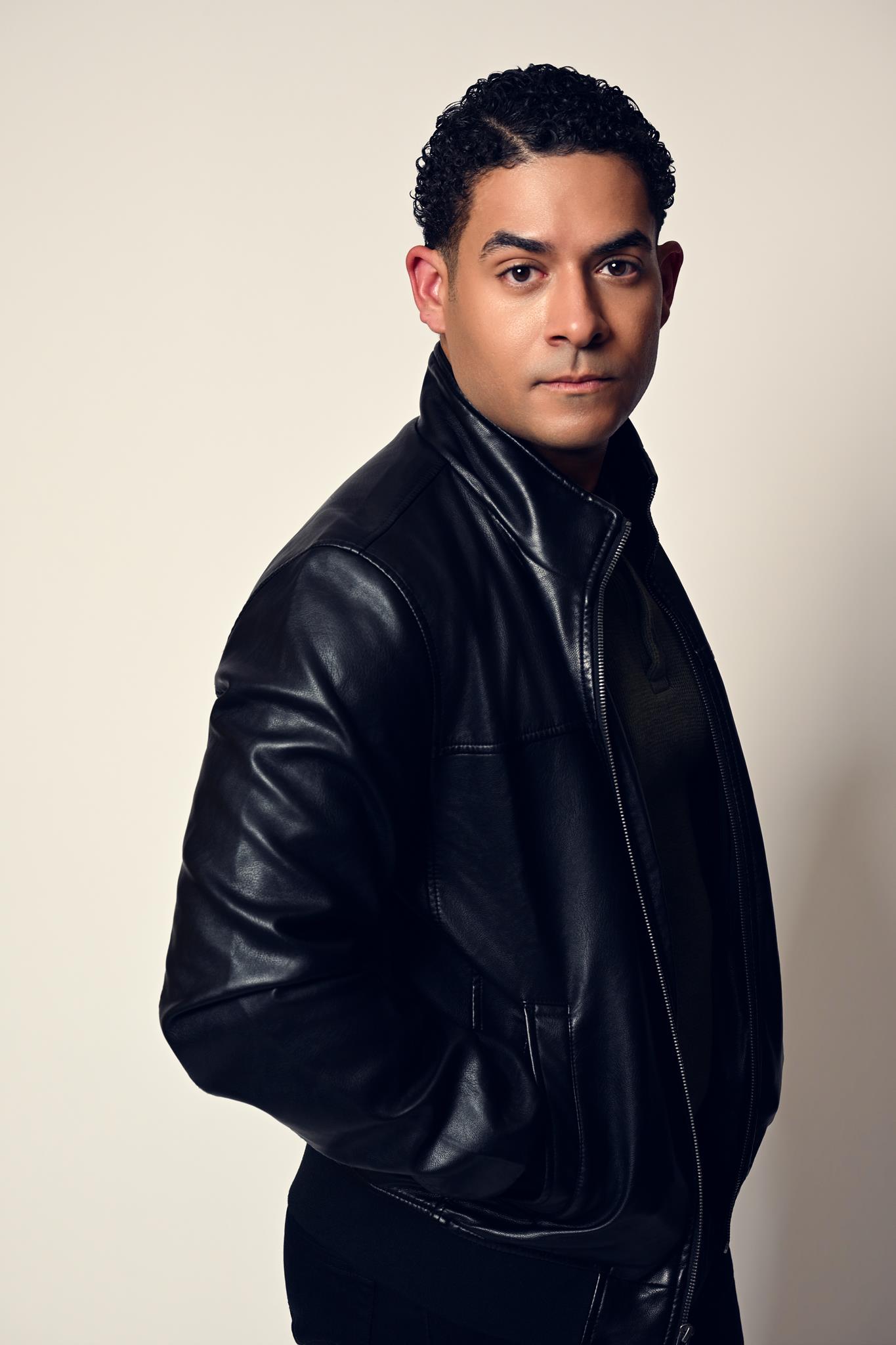
The camera catches everything, especially lies. If your eyes are moving, you’re searching for an exit. If your posture is loose, you’re weak. Control is honesty.
You also appeared in a Kid Cudi music video directed by Ty West and produced by Jordan Peele. How do experiences across such different kinds of projects influence the way you think about your path as an artist?
Different rooms, same blueprint. Whether it’s a music video or an action-thriller, the goal is unchanged: leave a dent. You show up, bring the weight, and let the directors capture the smoke.
Beyond your on-screen work, you are also building a very distinct career strategy centered on mystique, scarcity, and intensity. How do you see that artistic identity evolving in the years ahead?
By becoming harder to find. In a world where everyone is screaming for attention, the person who steps back into the shadows becomes the only thing worth looking for.
Follow Drew Dusterhoff on Instagram