In Dorothy: The Haunting of Oz, Elijah J. Alvarez transforms L. Frank Baum’s familiar world into a psychological horror story about trauma, grief, and identity. The film follows a viral challenge that unleashes nightmarish figures from Oz, using the artificial beauty of that world as a metaphor for social media, attention-seeking, and the carefully edited lives people present online.
In the interview, the writer-director discusses the influence of films including The Babadook, Hereditary, and Everything Everywhere All at Once, explains why the supernatural becomes an expression of his characters’ pain, and reflects on the emotional experience of a generation that documents everything while still struggling to understand who it is beneath the performance. At twenty-two, he also opens up about the challenges of making his independent feature debut and his commitment to creating films grounded in complex, deeply human characters.
Dorothy: The Haunting of Oz transforms one of literature’s most familiar worlds into a contemporary horror story. What made you recognize a darker dimension within The Wonderful Wizard of Oz?
I think the original Wizard of Oz has a lot of dark undertones, but what drew me to Oz is that Oz is always described as this magical fictional place or reality and that opened up a really interesting possibility for me because I started thinking, what if magic was real, but not just purely wondrous. What if magic was artificial, being manipulated and controlled by otherworldly forces beyond our understanding? That idea let me guess to explore Oz as something so beautiful on the surface level, but deeply unsettling underneath.
In the film, a viral internet challenge unleashes Dorothy, the Wicked Witch, and other nightmarish figures. How did you use online challenge culture to explore the real consequences of curiosity, exposure, and the pursuit of attention?
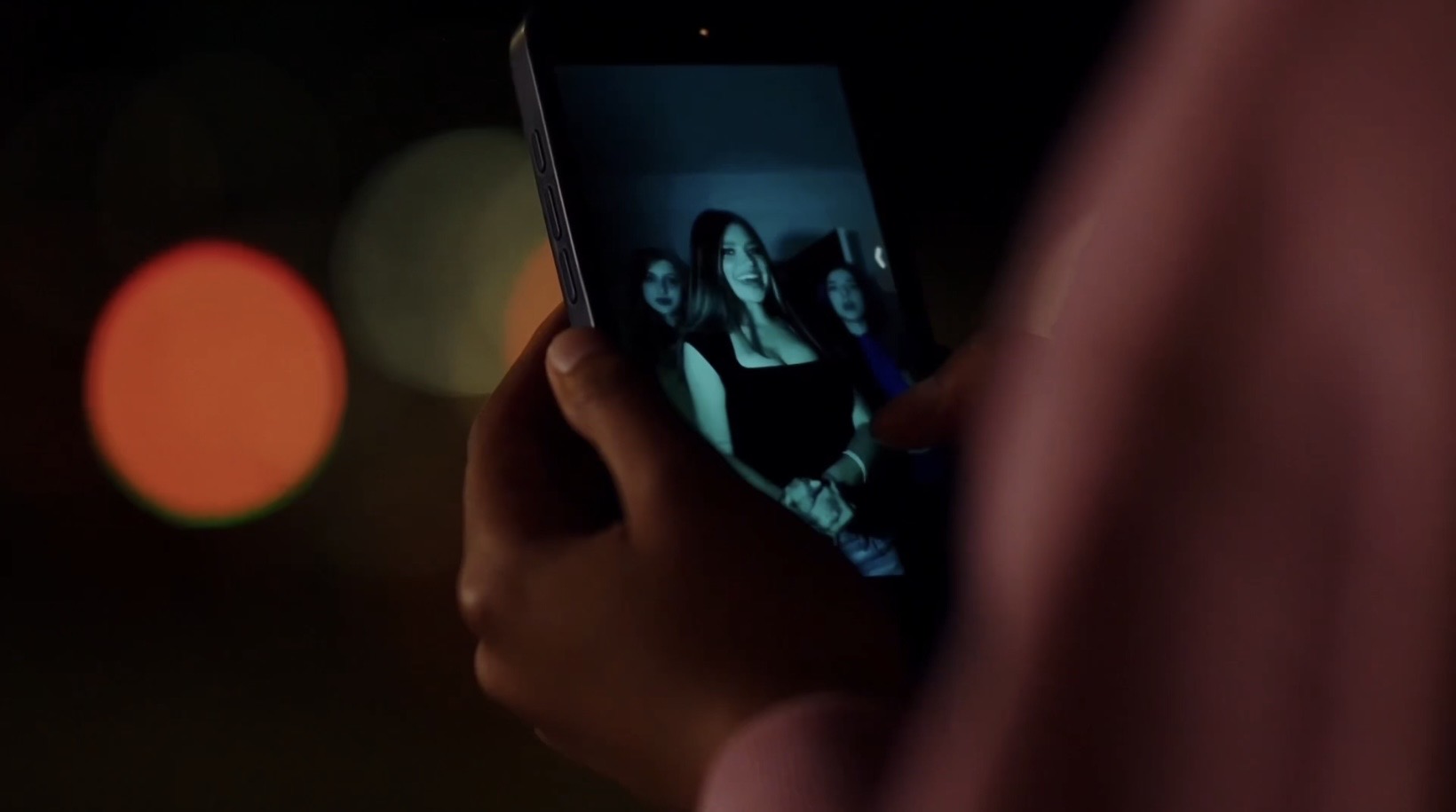
I don’t want to spoil too much, but the catalyst in the story is that three college girls film a TikTok in their dorm as part of a challenge called the “Witch Melody Challenge,” and a few days later the video leaks online and goes insanely viral. From there, a lot of young people in the film try to do the exact same thing just to get attention, which really speaks to the culture of clout chasing that’s so embedded in Gen Z and in digital culture more broadly. Growing up in Los Angeles and making films since I was young, I’ve met a lot of people who will do almost anything to get attention or buzz, and I think that instinct is very much part of the world we live in now. People edit their photos, curate their lives, and perform for strangers they’ve never even met, and that became a big theme in my movie. Oz is a fictional place that looks beautiful on the surface, but underneath it has these dark undercurrents, and I think that makes it a great metaphor for the internet and social media. Dorothy: The Haunting of Oz uses that contrast as a form of social commentary through genre.
You describe horror as a way to explore not only defeating our monsters, but learning how to live with them. How does that idea shape the protagonist’s emotional journey?
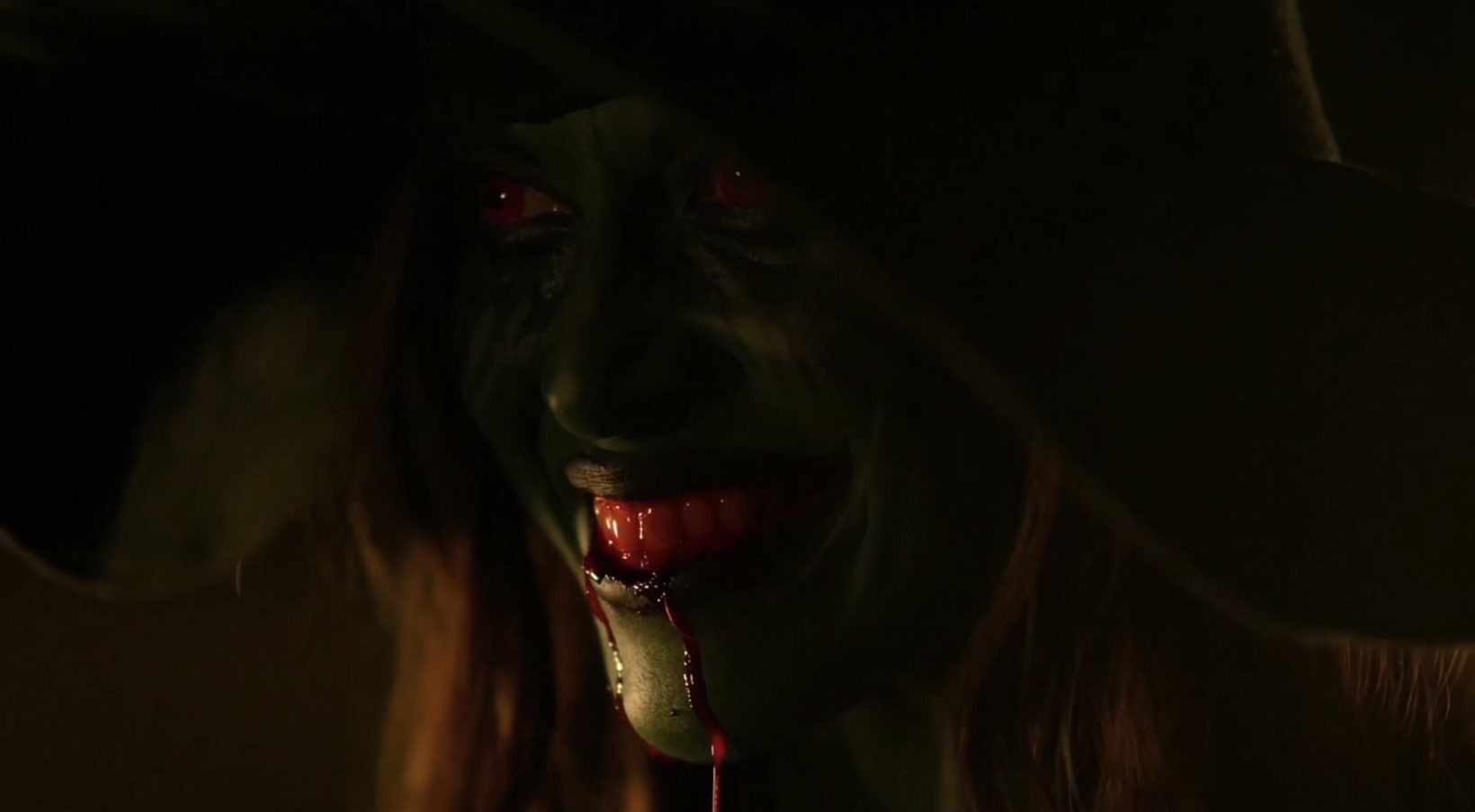
Melanie goes on a really whirlwind emotional journey, dealing with unresolved childhood trauma and a lot of other anxieties. For me, the idea comes from what I’ve experienced in my 22 years, learning how to live with the monster, and how to live with everything good and bad that I’ve gone through in life. That deeply inspired the screenplay for Dorothy: The Haunting of Oz because I’m not just introducing a villain to the protagonist or the audience. I’m asking, what if the villain had always been there? What if the protagonist had been facing this force from the very beginning? That idea fascinated me and made its way into the film.
The story explores grief-shaped identity and the possibility that the thing haunting us may also represent a part of ourselves we refuse to confront. How did you balance supernatural horror with psychological trauma?
That balance was really important to me because I’ve always believed the most powerful horror comes from something emotional first. The Babadook and Hereditary were huge inspirations because they don’t just present fear as something external. They make it feel intimate, psychological, and deeply human. That really spoke to me, because I wanted Dorothy: The Haunting of Oz to exist in that same space, where the supernatural isn’t separate from the characters’ pain, but almost an expression of it. To me, the scariest kind of horror is the kind that reaches into grief, memory, and trauma, and asks you to confront what you’ve been trying to bury.
The film blends psychological thriller, supernatural slasher, coming-of-age drama, and science-fiction worldbuilding. How did you bring those genres together without losing the central identity of the story?
For me, life doesn’t feel like one genre, it feels like several at once. You can be in a moment of grief, then fear, then growth, then absurdity, all in the same day. That’s why blending those genres felt natural to me rather than forced. Everything Everywhere All at Once was a huge inspiration in that sense because it handled multiple genres so elegantly while still staying emotionally grounded. That movie really showed me that you can move through different tonal worlds and still keep a clear heart at the center. With Dorothy: The Haunting of Oz, I wanted to do something similar, to let the film be expansive and unpredictable, but always anchored in the emotional journey of the characters.
You have said that your generation is fractured by the internet, documents everything, and is still trying to discover who it is. What does Dorothy: The Haunting of Oz hope to communicate about the emotional experience of Gen Z?
I think my generation is carrying a lot, and so much of it feels scattered, like we’re trying to hold ourselves together in a world that never stops watching. We participate in documenting everything, we filter everything, edit everything and we turn our lives into fragments online, and somewhere in all that noise, the emotional truth can get lost. At the same time, we’re constantly bouncing back from setbacks, trying to rebuild ourselves in real time, even when we don’t always feel fully put together. With Dorothy: The Haunting of Oz, I wanted to capture that feeling, the restlessness, the vulnerability, the longing to be understood, and the struggle to know who we are beneath all the performance. But I also think there’s beauty in that chaos. Gen Z may feel fractured, but that fracture is also where the searching happens, and that search is deeply human and moving.

This is your feature debut as a writer-director at only twenty-two years old. What was the greatest challenge of turning such an ambitious vision into an independent film, and what did the experience teach you about the filmmaker you hope to become?
Making a film like this taught me that it takes a village and that it also takes 110% focus and effort from everyone involved. More than anything, it taught me that I want to remain a filmmaker who always puts character first. If I can’t connect with the people on screen, or feel empathy for them, then I’m not emotionally invested in what I’m watching. I’ve never been interested in characters just existing for plot or spectacle. I want to watch complex human beings, because that complexity is where the real beauty is. That’s the part of filmmaking I relate to the most, and it’s the part I never want to lose.
Follow Elijah J. Alvarez and Dorothy on Instagram