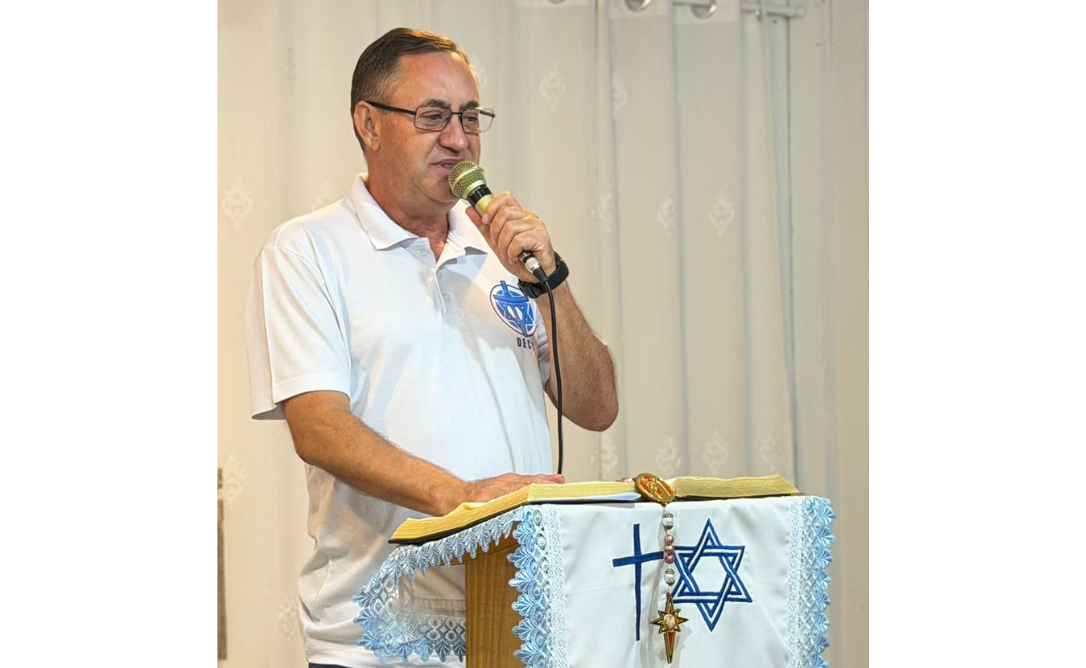
After years detached from any belief, writer and medium Odair José Celestino claims to have transformed spiritual experiences into a new way of understanding the relationship between faith, consciousness, and human evolution. In *Christian Spiritist Doctrine of Consciousness: A New Vision of Spirituality*, the author presents reflections that engage with Christian Spiritism, but propose his own interpretations of mediumship, spiritual healing, and the development of consciousness. In an interview, Celestino discusses the journey that led him from atheism to spirituality, the differences between his proposal and traditional Kardecism, as well as the importance of self-knowledge and individual responsibility in the process of inner transformation.
“The Christian Spiritist Doctrine of Conscience” was born from a very particular journey: the transition from a staunch atheism to an intense spiritual experience. At what point did you realize that those experiences were not just isolated episodes, but the beginning of a mission?
Ever since I had the opportunity to have my first conversation with one of my mentors, the spirit Mary Magdalene, she has explained everything to me.
The book begins with recurring dreams, energy waves, and apparitions that transformed her relationship with faith. How was it to deal with these experiences as someone who, until then, was distant from any belief?
It was all new to me; I had to learn on my own. First, I had proof of the existence of the spiritual world, then I learned, mainly, to distinguish what came from spirituality and what was just in my head.
The doctrine you propose values guides associated with the elements of nature — water, fire, earth, and air. What do these elements reveal about balance, healing, and the connection between human beings and the sacred?
A spiritualist can only master these energies through a profound inner reform and a search for purity, a constant pursuit of wisdom, and much meditation based on the teachings of Jesus, and Jesus left teachings that are the remedy for everything.
You break with some pillars of traditional Kardecism, such as mediumistic incorporation and the idea of infinite reincarnations. How was it to build your own spiritual vision while engaging with already established traditions?
This thought never left my mind; it was my mentor, the spirit Emmanuel, who brought these teachings to me.
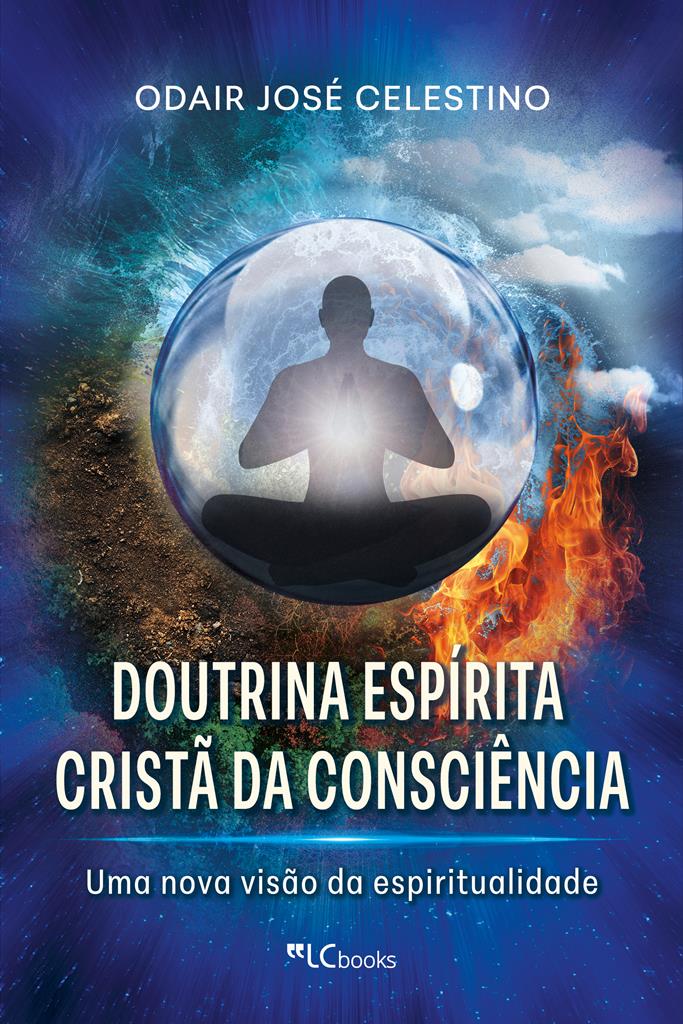
The work argues that definitive healing comes through inner transformation and a change of consciousness, without discarding medical care. Why was it important to balance spirituality, personal responsibility, and physical care?
Every human being has seven energy points in the body, called chakras, located at: the top of the head, forehead, throat, chest, stomach, navel, and genitals. When these energies become unbalanced, it also causes spiritual, physical, and emotional imbalance. Through inner transformation and awareness, it is possible to achieve self-balance and healing.
By reinterpreting biblical passages, you argue that the sacred texts do not condemn spiritism in its essence, but rather certain practices such as divination and necromancy. How has this reading helped to center your doctrine on Christ?

Through the constant teaching of my mentors, I learned to interpret Jesus’ parables in a different and simple way, not just the words but the true meaning of the messages, which allowed me a very significant advance in wisdom.
The “milestones of consciousness” appear as a kind of compass for spiritual evolution. What transformation do you expect the reader to begin to perceive in themselves upon encountering these teachings?
On one hand, we see people in need of healing and miracles, and on the other, people taking advantage of this situation with promises of frequent cures, leading people to fanaticism and worship, whereas Jesus never taught this anywhere; what he always sought was to touch hearts.
We need to understand that if Jesus healed everyone randomly, his ministry would lose its meaning. That’s why we propose inner and conscious reform, to change the heart; then healing comes through merit.
After a life marked by doubt, mediumistic experiences, and the rebuilding of faith, what message would you like to leave for people who also experience conflicts between reason, spirituality, and the search for meaning?
Constantly seek evolution through inner reform and awareness, and as the main remedy, try in every way at all times: To think as Jesus thought, to act as Jesus acted, to feel as Jesus felt, to love as Jesus loved.