What One Extraordinary Life Teaches Us About Awe, Adventure, and Staying Curious
At seven years old, Guy Van Cleve discovered there was money to be made catching poisonous snakes. Most children would have considered the word poisonous a persuasive argument against the enterprise. Guy apparently heard business opportunity. That may be the first lesson in a life spent roaming: curiosity and common sense do not always arrive at the same conclusion.
Growing up in Virginia, Van Cleve explored woods and caves with the spirit of Huck Finn and Tom Sawyer, two adventurers introduced to him by his mother through books. He caught snakes, hopped freight trains, worked at Disneyland, encountered tennis great Arthur Ashe, fell in love, lost that first love, and developed an appetite for the extraordinary moments he would later describe as “lightning in a bottle.”
Then he became a stowaway.
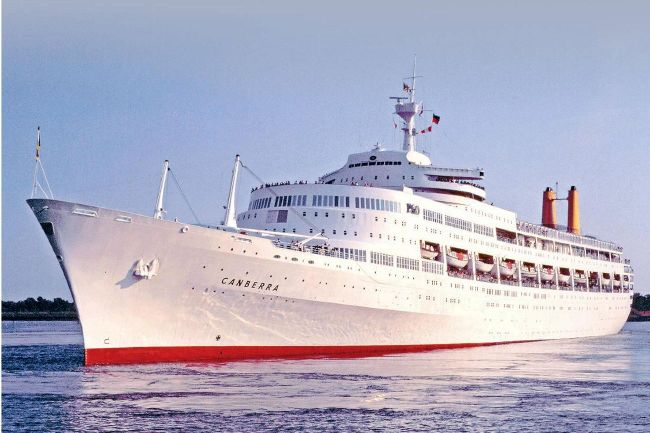
Van Cleve slipped aboard the SS Canberra without a ticket, passport, luggage, or much of a plan beyond wanting to see where the ship was going. For most people, that would be the story they told for the rest of their lives. For Guy, it was practically an opening act.
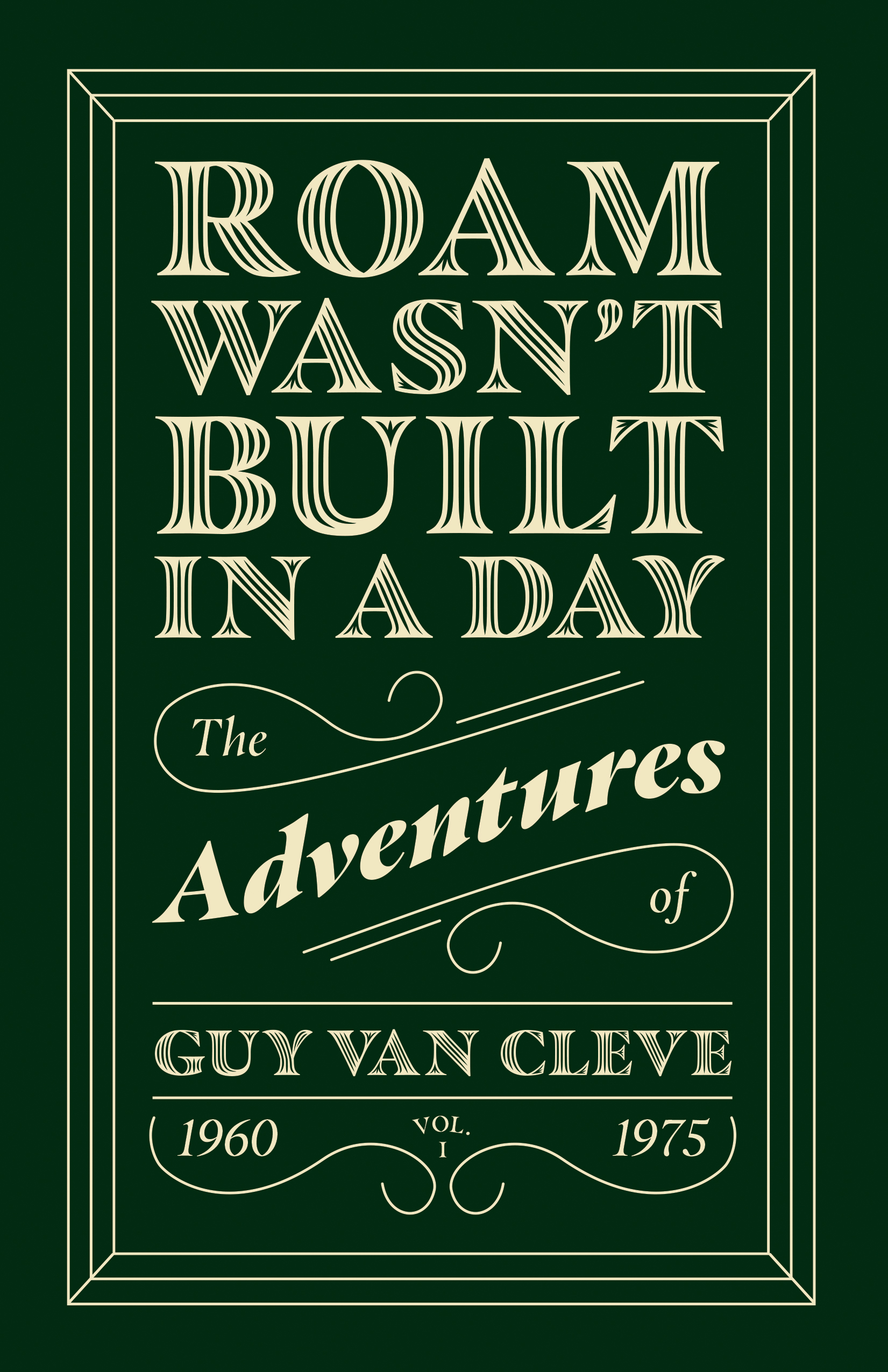
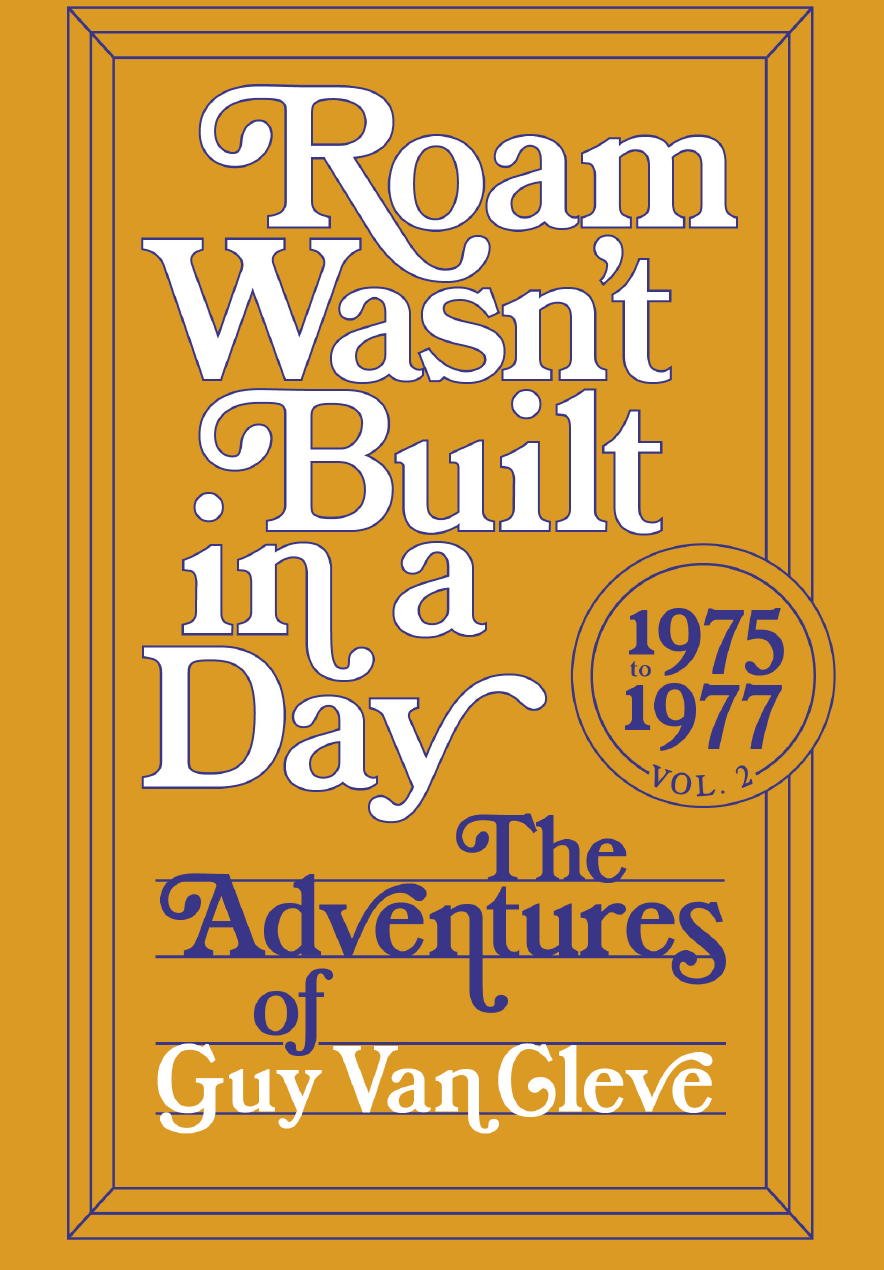
His first memoir, Roam Wasn’t Built in a Day: The Adventures of Guy Van Cleve, Volume I, captures the astonishing freedom of his youth and the curiosity that propelled him toward one adventure after another. His second volume follows the same man into young adulthood, when the geography changes but the instinct does not. Together, the books pose a question that reaches far beyond one unusually adventurous life.
What Happens If We Never Stop Roaming?
Not merely traveling. Roaming. Refusing to believe you have already seen the best of what life has to show you.
One of the most revealing images in Van Cleve’s story is also one of the funniest. When he stowed away aboard the Canberra, he brought no luggage. The captain found this so improbable that he became convinced a suitcase containing Guy’s passport and possessions had to exist somewhere aboard.
It didn’t.
By the end of the voyage, however, members of the crew had embraced the young stowaway. On his final night, they presented him with the ship’s flag. Then came the practical question: how was a young man who had arrived carrying nothing supposed to leave with a flag and all the gifts he had accumulated?
The crew found him a weathered light-blue suitcase covered with stickers from destinations around the world.
He boarded empty-handed. He left carrying stories.
There may be no better metaphor for an adventurous life. Van Cleve kept collecting them.
As a ten-year-old tennis player at a clinic in Richmond, he encountered Arthur Ashe.
What stayed with him was not simply meeting a future legend but Ashe’s generosity toward a young boy. Years later, Guy would find himself learning from another tennis icon, Pancho Gonzales, whose name had appeared on Guy’s first serious racket.
His parents had met over tennis. His mother beat his father so decisively that the wounded young man practiced for two weeks, demanded a rematch, won, and proceeded to fall in love with her.
Guy inherited both the game and the competitive streak.
He also developed an unusual form of education. Put him in a classroom he found boring and his mind might roam. Put him beside someone who had mastered a craft, crossed an ocean, built a business or lived an extraordinary life, and he became an attentive student. That instinct explodes in his second memoir.
It is the mid-1970s, and America itself seems to be roaming toward something new. Vietnam has ended. Watergate has shaken confidence in institutions. Hollywood retains its larger-than-life glamour. Rock music is helping define a generation, while disco waits just around the corner.
Guy manages to wander through an impressive amount of it.
There are Hollywood adventures, television studios and game shows. Back in Atlanta, he meets Roger Daltrey of The Who while Daltrey is releasing his first solo album.
There is one small complication: Guy is supposed to be home sick from work.
When he later tells his boss how he spent his sick day, the man’s reaction is essentially that if Guy was going to play hooky to have lunch with Roger Daltrey, he should at least have invited him.
Such is adulthood in Guy Van Cleve’s universe.
Then legendary promoter Bill Graham closes Fillmore East. Music lovers mourn.
Guy has another idea.
Why not build another one?
He and his friends dream up Alcázar, an ambitious Virginia rock venue they believe can capture some of the magic of the Fillmore. Guy writes a business plan. His friends leave their jobs. They form Rock and Roll Inc. and establish themselves at a family river house on the James, where the distinction between corporate headquarters and a ten-month rock-and-roll party becomes wonderfully difficult to locate.
Massive speakers send music across the river. Guests come and go. Bikers join the festivities. Guy works the crowd looking for anyone who might invest.
His pursuit of Alcázar eventually takes him from the riverbank into meetings with wealthy businessmen, trust-fund heirs and potential investors. Through one connection, he even reaches a business associate of Bill Graham himself and arrives at an extraordinary estate carrying his business plan in a shiny briefcase.
There, Guy learns that behind the lights, guitars and mythology of rock and roll are contracts, guarantees, insurance, liability, financing and risk.
Passion can create a dream. It cannot necessarily finance one.
Alcázar never opens.
And that apparent failure leads to perhaps the strangest plot twist in either book.
Guy Van Cleve falls in love with tax law.
The boy who hopped freight trains and stowed away aboard an ocean liner begins studying federal tax regulations with the intensity he once reserved for music and travel.
Yet perhaps he hasn’t changed at all.
He is still roaming. He has simply found a new landscape.

As American investment structures become increasingly sophisticated during the 1970s, Guy becomes fascinated by the mechanics behind them. He recognizes the significance of changes to federal at-risk tax rules and brings that knowledge back to his employer in Atlanta.
At only twenty-four, he suddenly carries roughly $50 million in responsibility.
Then Coopers & Lybrand enters the picture.
There is another complication: Guy has not finished his accounting degree. The firm sees enough promise to create an unusual full-time internship that allows him to work professionally while finishing school.
The restless student returns to college.
He earns straight A’s.
The kid hasn’t suddenly become someone else.
Curiosity Has Changed Subjects
That may be the most important connection between Van Cleve’s two memoirs. His adventures are enormously entertaining, but beneath them is a surprisingly universal lesson about remaining interested in life.
The snakes taught him to look where others backed away.
The trains taught him to climb aboard without knowing the destination.
The Canberra taught him the power of strangers, and Arthur Ashe and Pancho Gonzales the value of learning from remarkable people.
Alcázar taught him that vision requires structure, and failure can open doors we never knew existed.
The nightclub never opened.
The entrepreneur did.
The great temptation of getting older is to believe curiosity belongs to youth. Van Cleve’s life suggests the opposite.
Awe does not have an expiration date, adventure does not have an age limit, and curiosity may be one of the most powerful ways to remain fully alive.
The rest of us need not catch poisonous snakes, hop freight trains, stow away on ocean liners or build the next spectacular Fillmore East.
Roaming can mean entering a room where you know no one, talking to a stranger, learning something unexpected, or taking the road you have passed a hundred times.