Technology has bridged distances, automated tasks, and simplified daily routines. Yet, there is a growing perception that people are more tired, less focused, and struggling to slow down.
This paradox has piqued the interest of researchers studying human behavior: why does the sense of exhaustion increase precisely in an era defined by technological advances and greater convenience?
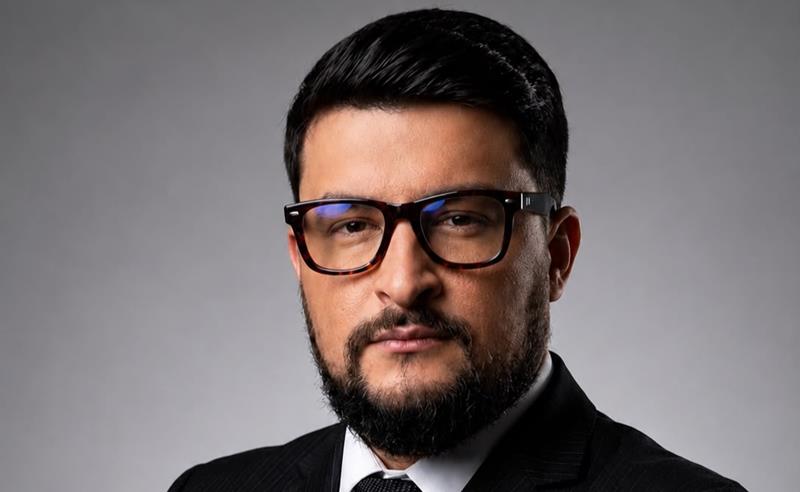
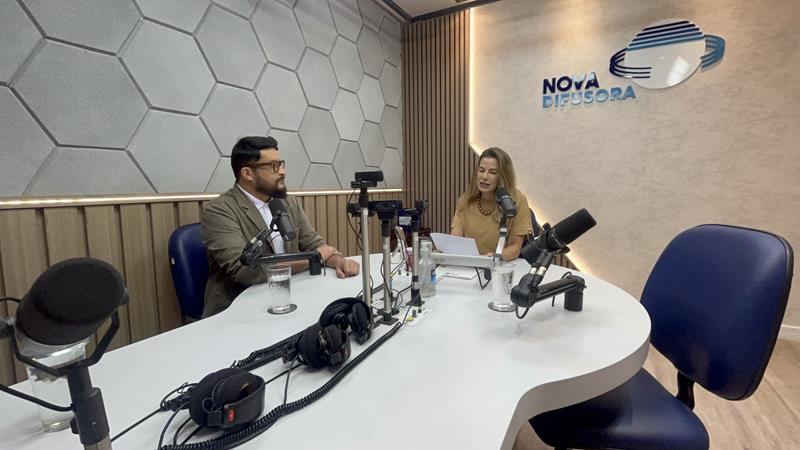
One prominent voice in this debate is Danilo Mattos, who has gained national recognition for his analyses of human behavior, neuroscience, and emotional health. For him, the answer lies not merely in the volume of work, but in how the brain has adapted to a routine characterized by sensory overload, constant availability, frequent interruptions, and performance pressure.
According to Danilo, this environment alters mechanisms related to attention, memory, emotional regulation, and the capacity for mental recovery, creating a state of constant alertness.

The discussion aims to explore why emotional exhaustion has shifted from an isolated issue to a defining feature of modern life, examine the phenomenon’s impact on mental health, relationships, and the workplace, and consider how understanding brain function can help address one of today’s major challenges.

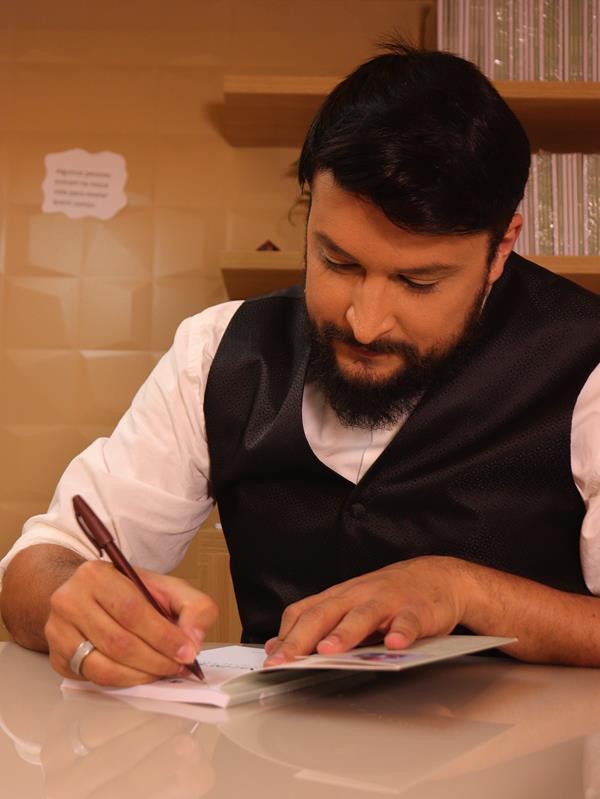
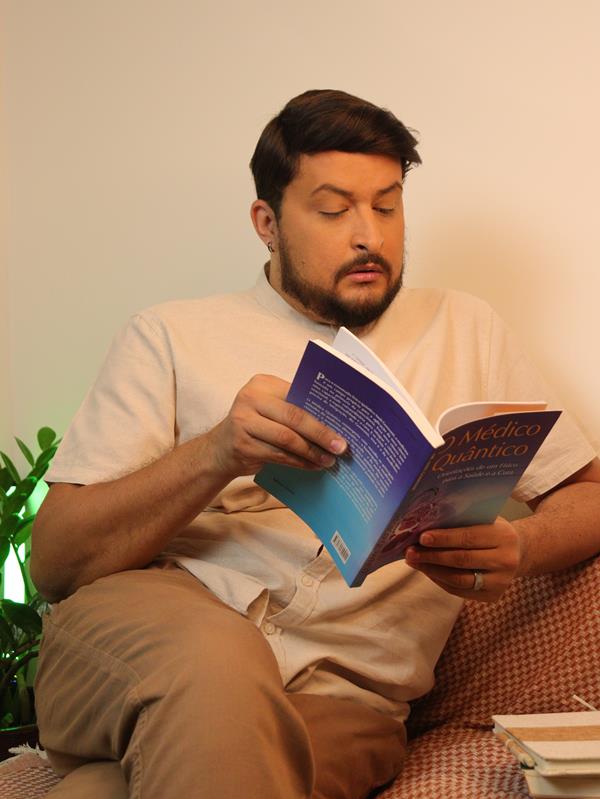
(Photos: Hi Assessoria)