
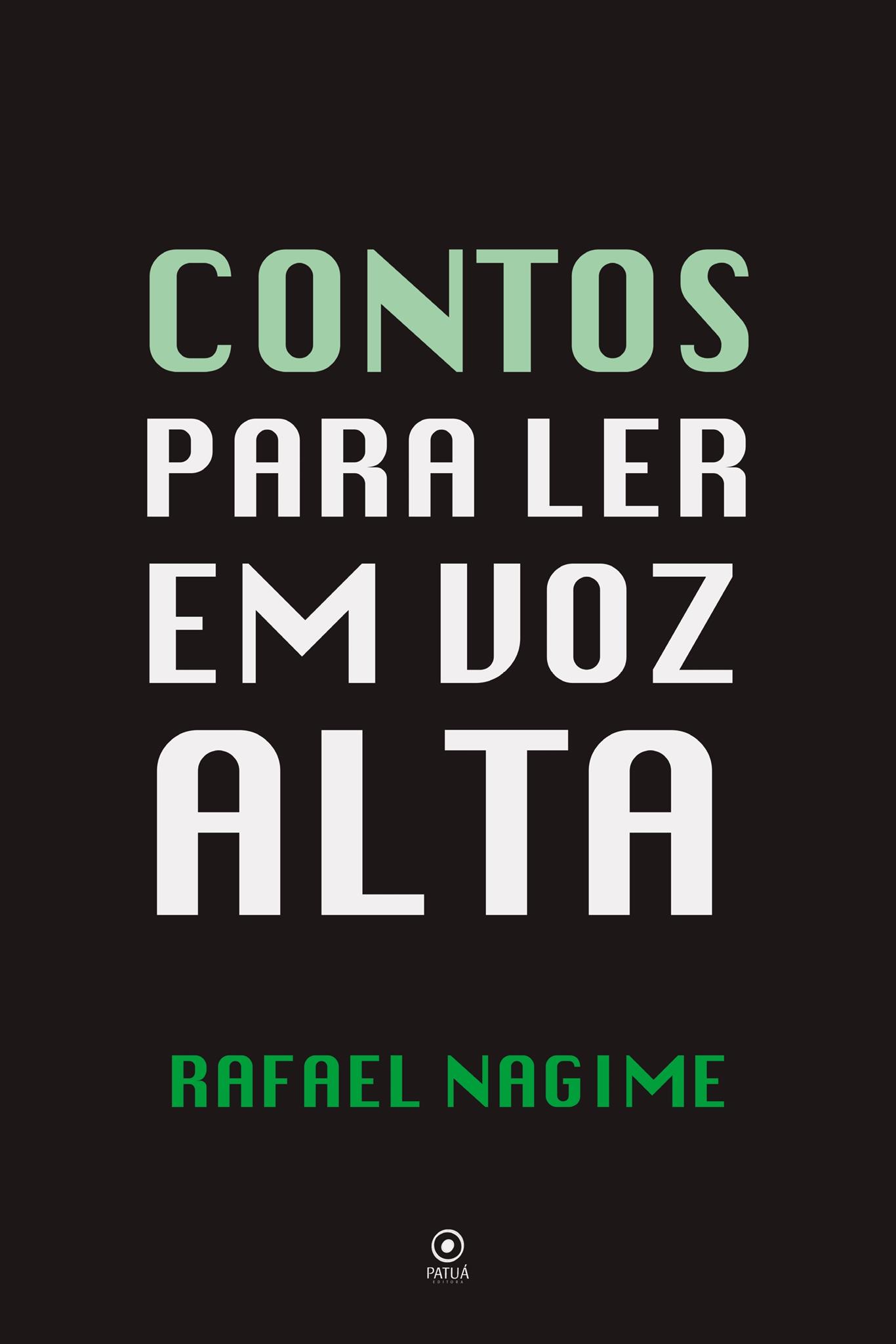
In *Tales to Read Aloud*, writer Rafael Nagime brings together ten narratives that delve into the depths of the human soul to investigate loneliness, regrets, and the small decisions that shape destinies. Inspired by the emotional memory of stories heard in childhood and the power of oral tradition, the author constructs scenarios that move between the intimate and the social, addressing everything from psychological conflicts to critiques of the contemporary political context. With fluid and sensitive language, the work marks Nagime’s literary debut and invites the reader to slow down to listen to—and revisit—the stories that inhabit everyday life and reveal the silent weight of each choice.
Stories to Read Aloud carries a very intimate and reflective atmosphere. At what point did you realize that these observations about daily life could be transformed into literature?
The habit of observing and reflecting on daily life has always been with me, but not in a subjective way or seeking to make any value judgments. My interest is not in the person, but in their actions, the unfolding of their choices, the consequences, etc.
I’ve always been very clear that life happens in the routine of the ordinary, in everyday life, and it’s this daily unfolding that goes unnoticed that fascinates me. So, shifting the spotlight away from the ecstasy of the grand moment and turning to the routine was very natural for me when it came time to write.
The book’s title strongly evokes emotional memory and oral tradition, especially the figure of the author’s grandmother. How did these childhood memories influence the tone and sensitivity of the narratives?
I was fortunate to have four grandparents who greatly enriched my life, among them my grandmother Hilda, who had the habit of telling me all sorts of stories. And, although she was a very religious woman with moral values heavily influenced by that religiosity and her time, as is the case with storytellers in general, this was never present in the moments when she was narrating the real or supposedly real stories she witnessed or heard from someone. I believe that this concern with the story and not with the moral judgment of the characters is also a characteristic present in fairy tales.
Her stories explore loneliness, routine, regrets, and unmade choices. Did these themes arise more from observing the people around her or from personal reflections?
Life is very rich, and loneliness, routine, regrets, and unmade choices are all part of it. Even a story about a life considered monotonous has nuances that, with due attention, can yield a great story and provoke a reflection that surprises the reader. I believe the book is the result of this mixture of observation and reflection. It is precisely from this light shed on a seemingly commonplace event that the stories in the book are born.
Many characters seem to experience silent and profound conflicts. Do you usually start with real-life situations to build these stories, or do you prefer to let your imagination guide the process?
The situations in the book are those present in people’s daily lives and that often go unnoticed. What I did was use my imagination to give them stronger nuances and bring attention to these conflicts that often go unnoticed, but are always there influencing life.
As a lawyer and law professor, you deal with intense human stories on a daily basis. Has this professional experience contributed to the more psychological and social perspective present in your work?
Being a lawyer and law professor for many years has taught me to pay closer attention to hidden details and people’s emotions. Often, a person presents a problem that seems enormous to them, but is actually the result of a disproportionate reaction; or they tell a story to defend their rights, when in fact the truth lies with the other side. In these situations, it’s necessary to consider not only right and wrong, but also the fact that it’s more difficult for the person involved to see things clearly. It’s necessary to reflect on the various sides of the story and have the clarity to weigh the best course of action. I believe that from this perspective, my experience can indeed help to bring a more psychological and social perspective to storytelling.
In stories like “The City That Wanted to Be Rich,” there is also social and political criticism. What was the importance of bringing this more collective perspective to such an intimate book?

Personal choices influence the lives of those who make them, or fail to make them, and this is more obvious to people. But collective choices also have a huge impact on everyone’s private lives, and this is not yet so obvious in many democracies. That is why the short story “The City That Wanted to Be Rich” seeks to shed light not on individual choices, but on the importance and consequences of the choices we make as citizens.
The book talks a lot about things that go unnoticed in the rush of daily life. Do you believe that writing was a way to slow down and see the world more attentively?
At the end of 2023, after living in Brasília and Rio de Janeiro, I decided to return to live in the interior of the state and dedicate myself to writing. This decision to slow down was necessary for me, and I believe that in the process of writing the book, it truly gave me more clarity to see and reflect.
As this is your first published book, what does this moment represent for you as an author and as someone who has always observed life with such sensitivity?
Writing is a solitary moment; we imagine, test, write, rewrite, finalize, revise… and it’s only when the book reaches the hands of readers that it truly comes to life. At this moment, receiving feedback from various people about the emotions and reflections the book has generated, and about their astonishment at how such everyday situations unfold, has been very gratifying.
Follow Rafael Nagime on Instagram