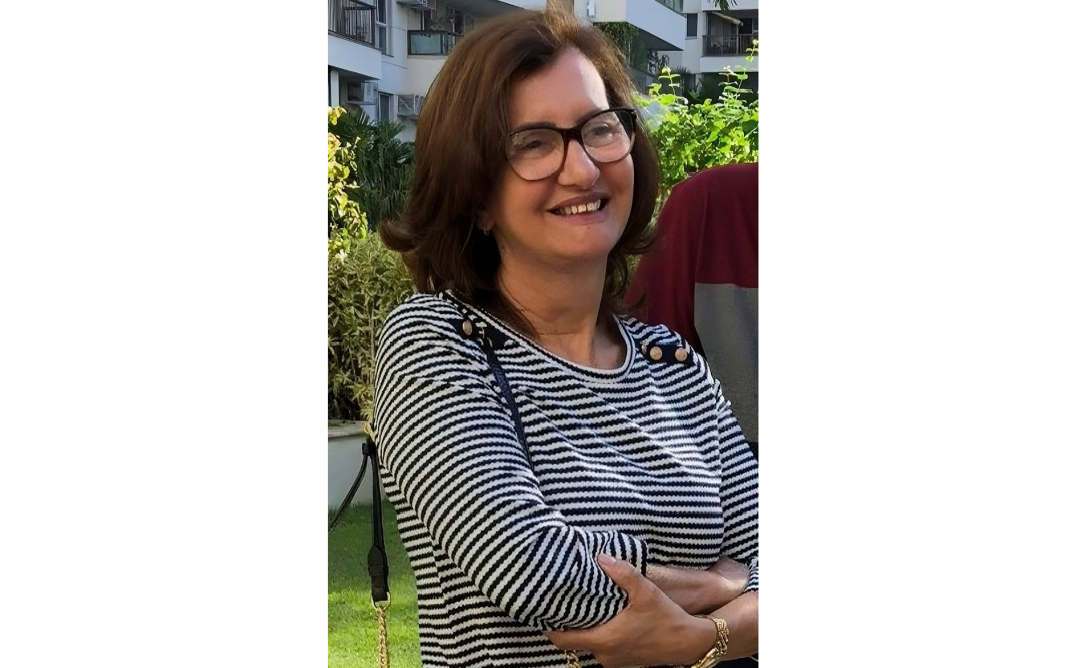
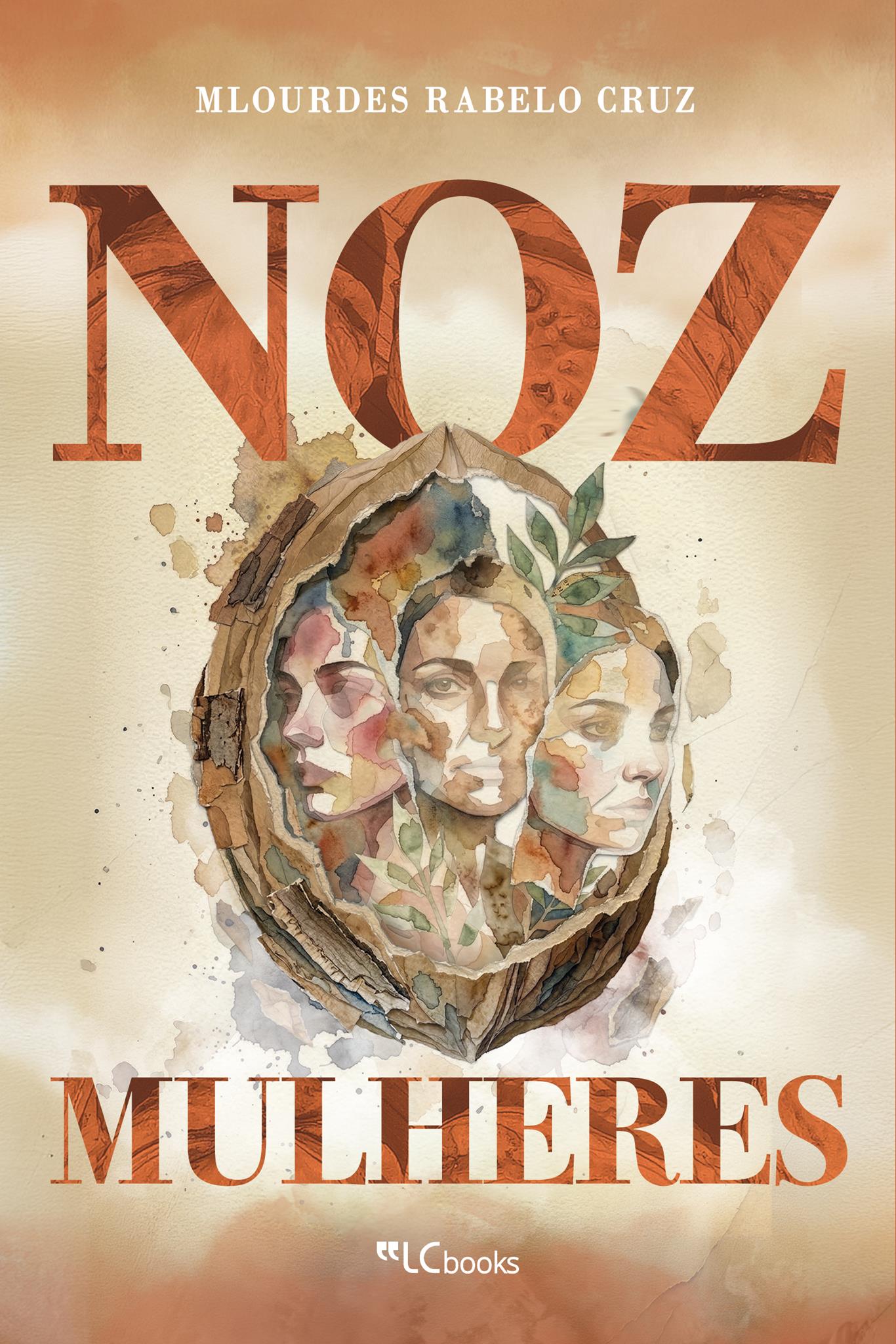
In “Noz Mulheres” (Women’s Nuts), writer MLourdes Rabelo Cruz constructs a narrative that intertwines different female trajectories marked by desire, pain, and reinvention. Through the stories of Maria, Lília, and Ayla, the work investigates the invisible challenges that shape women’s identities and the courage needed to break patterns and build new paths. In an interview, the author reflects on the emotional layers of the female experience and the process of transforming fragility into strength and freedom.
In “Noz Mulheres” (Women of Nuts), the author brings together characters who live in different times and contexts, but share the experience of breaking free from constraints and reinventing themselves. What motivated her to construct this female mosaic from such distinct trajectories?
We, women, have always fought silently for equality in all times, places, and social classes. Women have always been neglected, belittled, and diminished. The veiled competition silenced their voices and humiliated them, making them unnecessary for the smooth functioning of the world.
The image of the walnut is very powerful because it speaks of shell, protection, and hardening. At what point did this metaphor emerge as the ideal way to translate the emotional scars that permeate women’s lives?
The words “Noz” (nut), “nós” (us), and “nos” (us) revealed themselves to me almost at the end of the book. I had considered another title, but I realized that “noz” answered several questions. And “nos” (us) as ties completed what I was looking for. That’s how women are, no matter if they are eternally peaches or nuts. They are difficult to break, but they continue to have a strong, nourishing, and beautiful interior. That’s why they are so important.
Her background in psychology and psychoanalysis seems to deeply engage with the construction of the characters. How did her professional experience influence the way Maria, Lília, and Ayla gained depth in the narrative?
We are everything we read, study, and work on. Human beings are composed of everything they have lived through. Initially in the classroom, listening to students’ mothers and witnessing their arduous struggles in life, and later in my practice treating young people and adults, I saw this discourse repeating itself. Suffering women, suffering and aggressive children. The characters were a result of this. Although all three had such distinct family backgrounds, they displayed such similar wounds and constructed such similar cures.
Maria is on a quest connected to her origins, belonging, and the discovery of a truth that shakes her identity. What most interested you in exploring this experience of realizing that her own history might not be exactly as she imagined?
Maria, in “accepting” the truth told by her adoptive parents, formed a reality in which their immense love was sufficient. However, the contempt and rejection by her biological parents always seemed like a crazy truth to her. “I’m not as special as my adoptive parents say, I was despised and given to others.”
Lília seems to embody a pain very common to many women: the attempt to transform lack into love, contempt into surrender. What did this character allow us to say about affection, expectation, and liberation?
Throughout her life, Lília lived a sublime love for her children, a stark contrast to the neglect she suffered from the beginning. She was not welcomed from the start of her life, and this persisted throughout her career. She never considered any other kind of love besides maternal love.
Ayla, on the other hand, emerges enveloped in luxury and solitude, showing that power and status don’t necessarily mean fulfillment. What did you want to reveal, through her, about female strength and self-love?

Ayla, girl, teenager, woman, was never respected, never loved. Her family, her society, saw her as a bargaining chip. Women served as divine gifts, they had to be used to their full potential, that was the value they should display. They had nothing to add to society.
The book speaks of silent struggles, intimate confrontations, and new beginnings. Do you believe that one of the great strengths of literature written by women lies precisely in giving language to what has so often been experienced in silence?
Women have always had much to contribute to literature. This power has always existed. And giving space to language, to what has been lived in silence, is one of them. The power within a woman’s mind is and always has been real. We need to listen to and accept this reality. Women need to express themselves more intellectually to show the value that the world so desperately needs.
After following these three women through their processes of rupture and reconstruction, what do you hope to awaken in readers at the end of “Noz Mulheres”: identification, courage, acceptance, or a new way of looking at themselves?
Each woman has her own way of reacting to problems, but if they accept the book’s message as a form of “acceptance” or as a way to look inward and find a solution to what is troubling them, it will be positive and worth writing.
Follow MLourdes Rabelo Cruz on Instagram