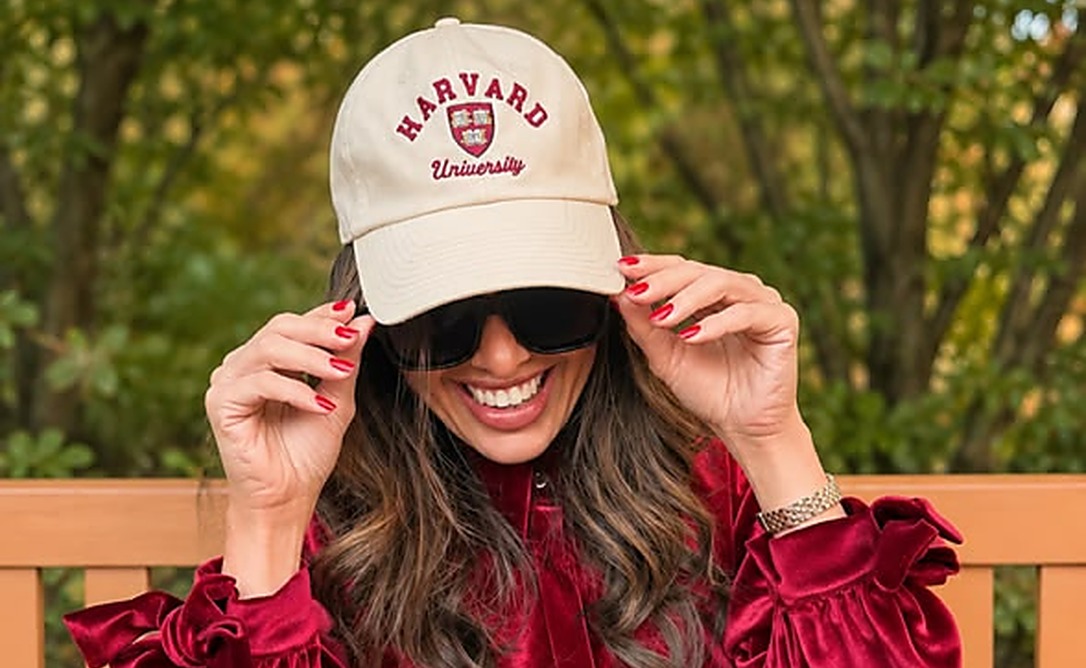
A participant in Vestra Education’s “Leadership Accelerator” program, this executive highlights the need to integrate artificial intelligence, people management, and adaptability.
For leaders, staying up to date is no longer just an individual choice; it has become a strategic imperative for organizations. Technological shifts, new ways of working, and teams with increasingly diverse expectations demand professionals who are willing to re-examine their practices and develop new competencies.
This discussion lies at the heart of the “Leadership Accelerator”—a five-day executive program hosted by Vestra Education in Cambridge, near Boston. The November 2026 edition features a mix of lectures, discussions, and practical applications covering team management, artificial intelligence, innovation, productivity, communication, negotiation, and leadership during times of change.
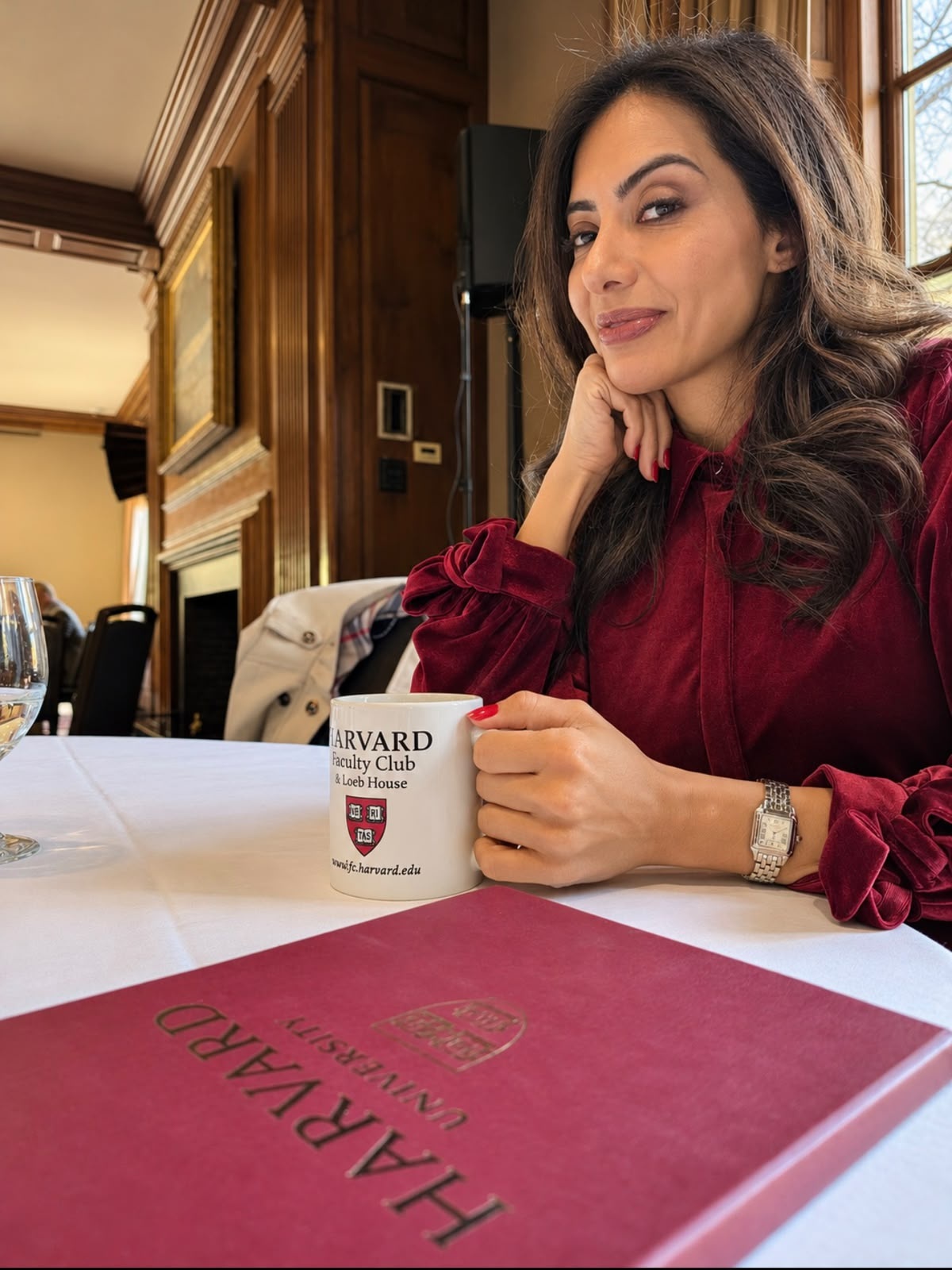
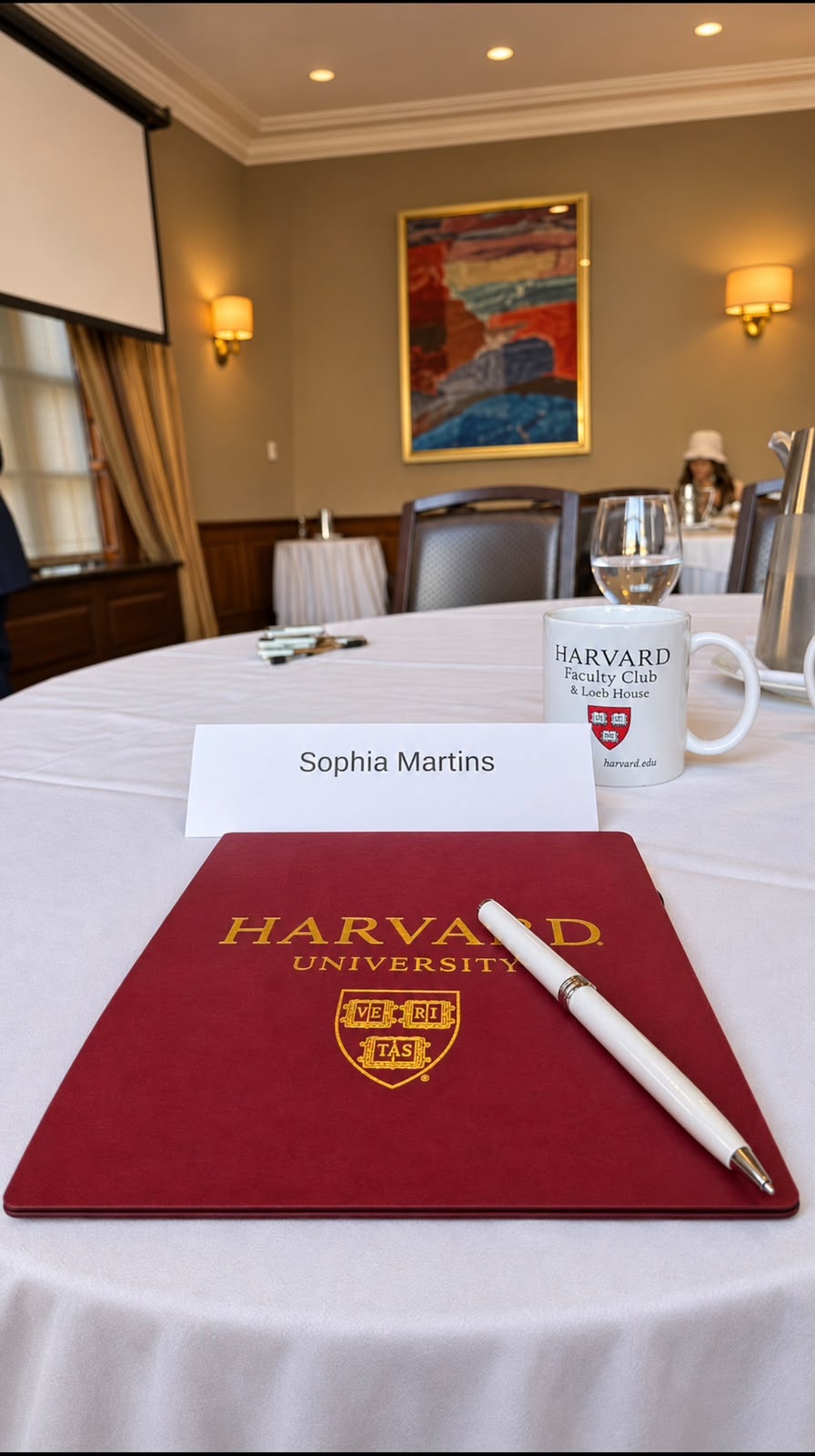
Entrepreneur, author, and board advisor Sophia Martins, who is taking part in this immersive program, asserts that continuous professional development is essential for leaders to keep pace with transformation without losing sight of the human element.
“A leader who wants to prepare their team for 2027 needs to start now. Staying current isn’t just about collecting trends; it’s about learning to interpret change, using technology responsibly, and making decisions that make sense for both people and the business,” says Sophia.
Data underscores this urgency. In the *Global Leadership Forecast 2027*—a study by DDI involving over 11,000 leaders and 2,500 HR professionals across more than 50 countries—87% of leaders expressed concern that their skills might be becoming obsolete. Only 17% felt confident in their ability to anticipate and respond to change.
The survey also reveals a gap regarding artificial intelligence: while 81% of leaders report productivity gains from the technology, only 14% feel well-prepared to use new technologies successfully. For Sophia, these figures demonstrate that digital transformation must be accompanied by the readiness to lead people through periods of change. “Technology expands possibilities, but it does not replace the responsibility of those in leadership roles. One must know how to ask the right questions, evaluate results, and maintain the team’s trust. A leader’s development must keep pace with the speed at which new tools are introduced into companies,” she says.
The need to combine human and technological competencies is also highlighted in the World Economic Forum’s *Future of Jobs Report 2025*. The study identifies leadership and social influence as skills that have seen the greatest growth in importance since 2023—alongside resilience, flexibility, artificial intelligence, and data analysis. The report projects that 39% of the essential skills required in the job market will shift by 2030.

In Sophia’s view, executive education is valuable when it enables the transformation of knowledge into daily decisions and practices.
“Professional development doesn’t end when a course concludes. It manifests in how a leader listens, navigates difficult conversations, develops talent, and adapts strategy. By 2027, this willingness to engage in continuous learning will be one of the most critical competencies for any leader,” she concludes.
The *Leadership Accelerator* is offered by Vestra Education at Harvard; it brings together content on senior management, artificial intelligence, innovation, communication, and negotiation, delivered through an in-person executive experience in the Boston area.
(Photos: Courtesy)