
In one of the world’s most emblematic cities when it comes to innovation, architecture, and real estate appreciation, one concept stands out not only for its aesthetics but mainly for its experience: Staypineapple San Francisco.
The American chain, known for combining contemporary hospitality, original design, and highly personalized service, is establishing itself as a benchmark for premium experiences in the United States, with a presence in different strategic cities and states across the country.
More than just lodging, Staypineapple works with a very clear concept of belonging, welcoming, and emotional connection—something that has become increasingly essential in the high-end real estate market.
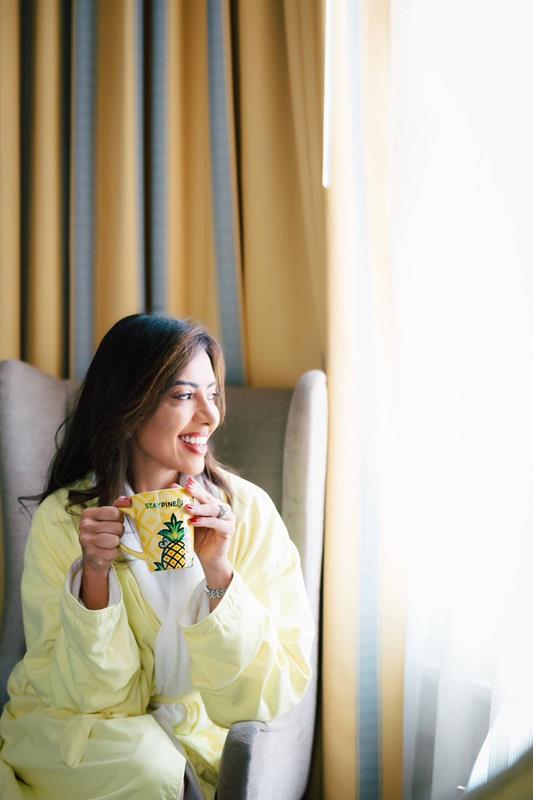
Businesswoman and real estate sales specialist Sophia Martins is in San Francisco this week at the invitation of the chain to observe trends in the American market and deliver training focused on hospitality, experience, and excellence in customer service to its team.
“Today, the most valuable ventures in the world understand that experience is no longer a detail. It has become part of the brand’s assets. The real estate and hospitality markets are increasingly connected because both work with sensation, perception, and memory,” highlights Sophia Martins.
According to her, the behavior of the high-end consumer has changed significantly in recent years.
“The luxury client doesn’t just buy square footage, location, or daily rate. They buy how that place makes them feel. And this applies to hotels, developers, real estate sales, and brands that want to remain relevant,” she states.

One of the network’s most striking symbols is precisely the pineapple, present in the name, visual identity, and details of the experience delivered to guests.
Historically, the pineapple became a symbol of hospitality between the 17th and 18th centuries, mainly in Europe and the United States. At the time, being a rare, expensive, and difficult-to-find fruit, offering it to guests represented prestige, hospitality, and the honor of receiving them well.
The concept was reinterpreted by Staypineapple in a modern way, transforming a historical symbol into brand positioning.
“There’s something very clever about that. They managed to transform hospitality into an emotional identity. It’s not just decoration. It’s building an experience. And that speaks directly to the most sophisticated real estate markets in the world,” explains Sophia.
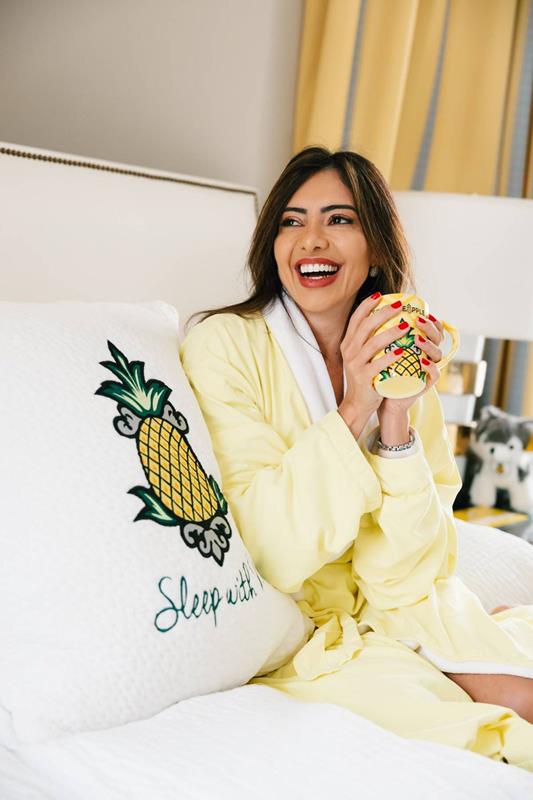

The executive also highlighted the importance of observing American trends related to hospitality within the real estate sector.
In the United States, high-end residential developments are increasingly incorporating concepts traditionally linked to the hotel industry, such as concierge services, personalized services, wellness, humanized service, sensory design, and community building.
This movement follows a global shift in consumer behavior, especially in highly competitive markets like California, Miami, and New York, where experience and perceived value have become strategic differentiators.
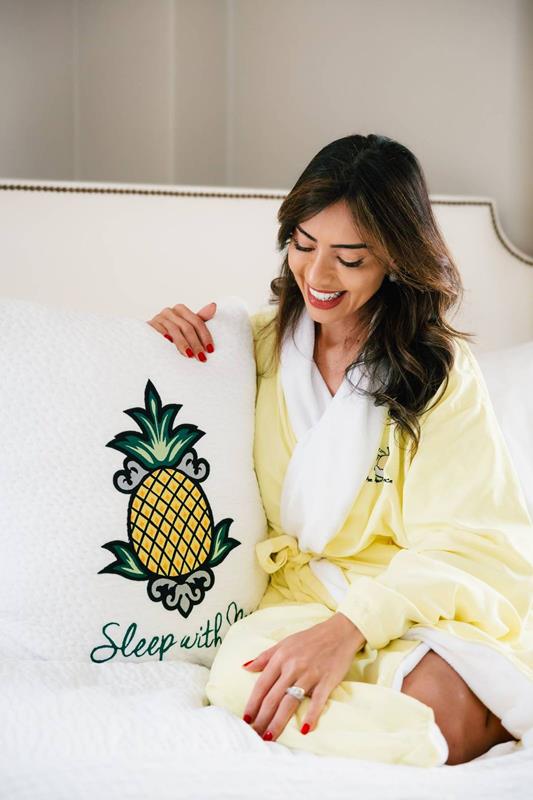
“San Francisco is a city that teaches a lot about innovation, behavior, and positioning. Being here representing Brazil, observing this market, and contributing with training and experience to such a recognized American brand is a huge honor for me,” concludes Sophia Martins.
The businesswoman’s presence in California also includes technical visits, market research, and coverage of trends related to the international financial and real estate sectors.
(Photos: @jessicasoaresphotos)