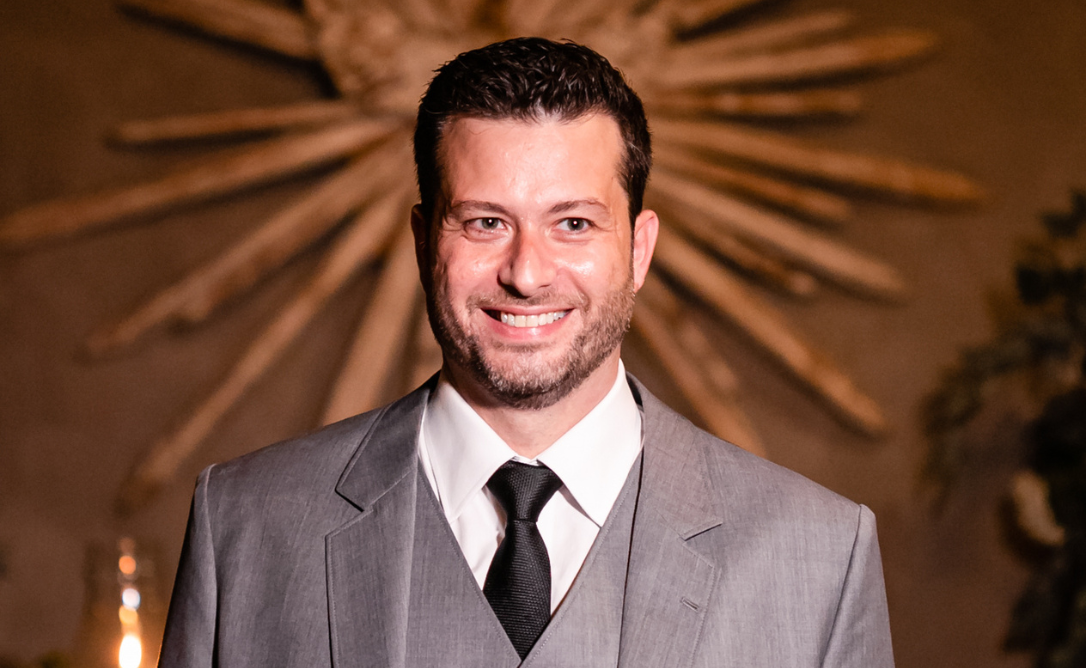
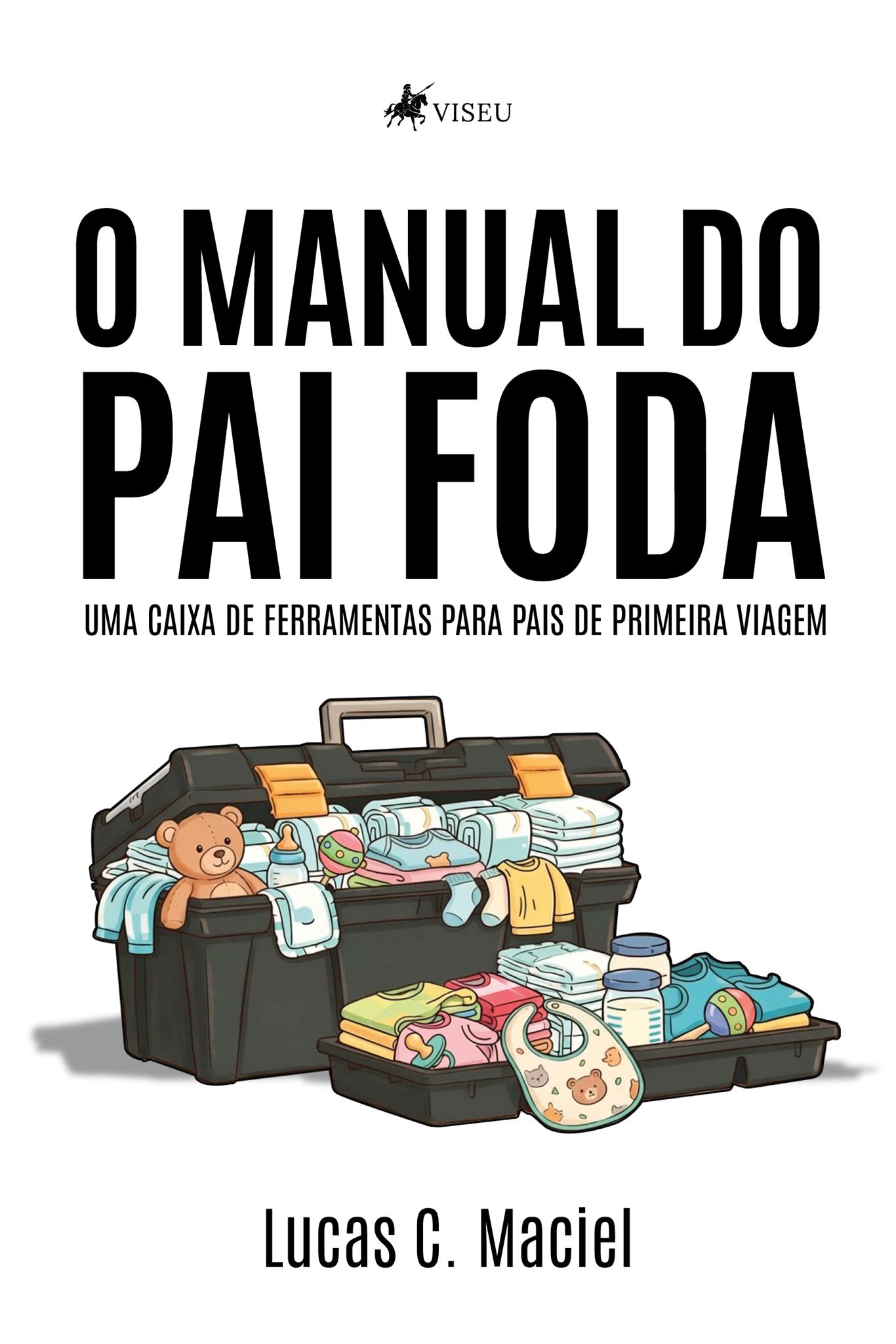
In “The Awesome Dad’s Handbook: A Toolbox for First-Time Fathers,” everyday fatherhood expert and author Lucas C. Maciel proposes a reflection on the father’s role in building the contemporary family. Based on his own experience and the perception that many men still face fatherhood without adequate guidance or references, the book offers practical ways to strengthen bonds, develop an active presence, and assume a more conscious role in raising children. In an interview, Maciel discusses the challenges of modern fatherhood, the importance of paternal involvement from the very beginning, and how small actions can have lasting impacts on the lives of children and the entire family structure.
The “Badass Dad’s Handbook” stems from a very concrete gap: that of men who want to be present fathers, but have almost never been taught how to fill that role. At what point did you realize that this lack of resources needed to become a book?
The father’s journey, from discovering the pregnancy to the postpartum period, is marked by systemic invisibility. Not intentional, of course. While the mother is surrounded by an abundant ecosystem of information and support networks, the father is often relegated to a “corner chair” in the doctor’s office. I realized that this loneliness wasn’t just mine, but that of a generation of men who wanted to be protagonists but didn’t have the script. As I became a father at 39, with a consolidated career in strategic management and governance, I looked at that initial chaos with an analytical perspective. I started writing as a personal outlet, transforming fears into processes and doubts into execution “hacks.” When a friend saw my methods and said, “You need to teach other fathers how to be awesome dads like you,” I understood that my “logbook” was, in fact, the missing manual on the shelf of thousands of men.
You propose fatherhood as something that can—and should—be learned, breaking with the idea that instinct alone solves everything. What motivated you most to challenge this naturalized view of the father’s role?
The idea of ”magical paternal instinct” is one of society’s biggest traps; it serves as an excuse for omission or amateurism. I believe in intention, study, and the courage to make mistakes until you get it right. Why not offer a shortcut? I see the father’s journey as those video game maps covered in a “fog of war”: you only discover the path after you’ve already stumbled upon it. What motivated me was the desire to dispel this fog. I propose presenting the map in advance, highlighting critical milestones and providing practical tools so that the man is not just a “survivor” of fatherhood, but a master of his own journey and a strategic partner for his wife.
The work seems to stem from a very practical, yet deeply emotional experience. How was it to transform real experiences, doubts, and stumbles into a tool for support and guidance for other men?
It was a process of “translation.” I took the pragmatic language of the corporate world, where the focus is always on efficiency and results, and applied it to the most sensitive and vulnerable environment that exists: the home with a newborn. Transforming stumbles into tools means understanding that when a father is prepared, the whole family is strengthened. The mother, who is going through a phase of profound hormonal and physical transformations, needs a “rock” by her side, not another problem to manage. The book is brutally honest because real fatherhood is like that. By sharing my vulnerabilities, I give permission for other men to feel them too, but I give them the “toolbox” so they don’t become paralyzed by them.
There’s a very powerful phrase in the press release: that without tools, even the most well-intentioned father can feel lost. What do you see paralyzing men most at the beginning of fatherhood: fear, insecurity, lack of role models, or all of these together?
What paralyzes men most is a script failure. Imagine being called upon for a highly complex mission without ever having read the operations manual. The fear and insecurity of not knowing what comes next is paralyzing. A classic example: the doctor says everything is fine during prenatal care, but then, a side conversation about vaccines or protocols the doctor didn’t mention makes the father’s world crumble. It’s like walking in the dark. This lack of a clear model of “how to be useful” causes many men to retreat to the periphery of parenting, leaving the entire mental burden on the woman. The fear isn’t of the baby; it’s of failing the family by not knowing what the next step is.
You talk about transforming chaos into intentional presence, with simple everyday actions. For you, what are the most powerful—and often most underestimated—gestures of a present father?
The most powerful gesture is anticipation. It’s the father who doesn’t ask “Do you want me to change the diaper?”, but rather the one who already has the changing table ready. The underestimated gesture is managing the environment so that the mother can have peace. It’s ensuring she has water while breastfeeding, that she can take a 20-minute shower without hearing the baby crying in the background because the father has taken control. In the postpartum period, the man proves whether he is an Awesome Dad: the one who is a safe haven and problem solver; or if he is just another “item” on the list of tasks that the woman needs to manage. Intentional presence is the end of “help” and the beginning of absolute partnership.
The book also calls on men to move from a peripheral role and assume an active partnership with the mother. What changes in the family dynamic when fatherhood ceases to be about helping and becomes true shared responsibility?
Everything changes, especially the couple’s mental health. I always emphasize that “visitors are the ones who help.” The father isn’t an intern for the mother; he’s a co-protagonist. When fatherhood becomes shared responsibility, the father takes on the logistics, crisis management, and emotional security of the home. This relieves the woman’s mental burden and allows the couple to build a real bond. Furthermore, it creates an unbreakable connection with the baby from day one. A family that operates as a high-performance team not only survives the first year, it emerges much more united and resilient.
By filling a historical gap in content aimed at men, his book broadens the debate about fatherhood beyond the individual. When a father is better prepared, what do you feel changes not only in the family, but in society as a whole?
We are transforming the pattern of masculinity. When a father prepares for and embraces his role, he becomes a mirror for other men around him (friends, brothers, colleagues, etc.). We are beginning to break the cycle of “outsourcing parenting.” In society, this translates into more emotionally secure children and women with more space to reclaim their identities beyond motherhood. A present father is an agent of social change who, in practice, combats structural sexism and paternal absence. We are creating a new lineage of men who understand that care is the highest form of leadership.
Your work seems to suggest that being a “great dad” isn’t about perfection, but about presence, learning, and a willingness to build bonds. Ultimately, what kind of father do you hope to help create with this book?
I hope to help bring about the kind of father I needed to be: the Protagonist Father. The kind who doesn’t strive for the perfection of a margarine commercial, but who has the courage to be present in the “trenches” of everyday life. I want a father to emerge who is proud to say he knows how to change a diaper, manage a crying fit, and support his wife with the same competence he uses to build her career. My goal is that, upon finishing this book, this man feels he has the tools to be the best version of himself for his child. In the end, the “Awesome Dad” is the one who leaves a legacy of presence, love, and responsibility.
Follow Lucas C. Maciel on Instagram