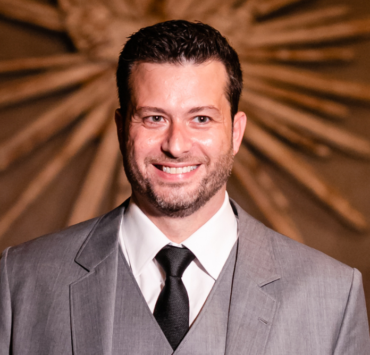
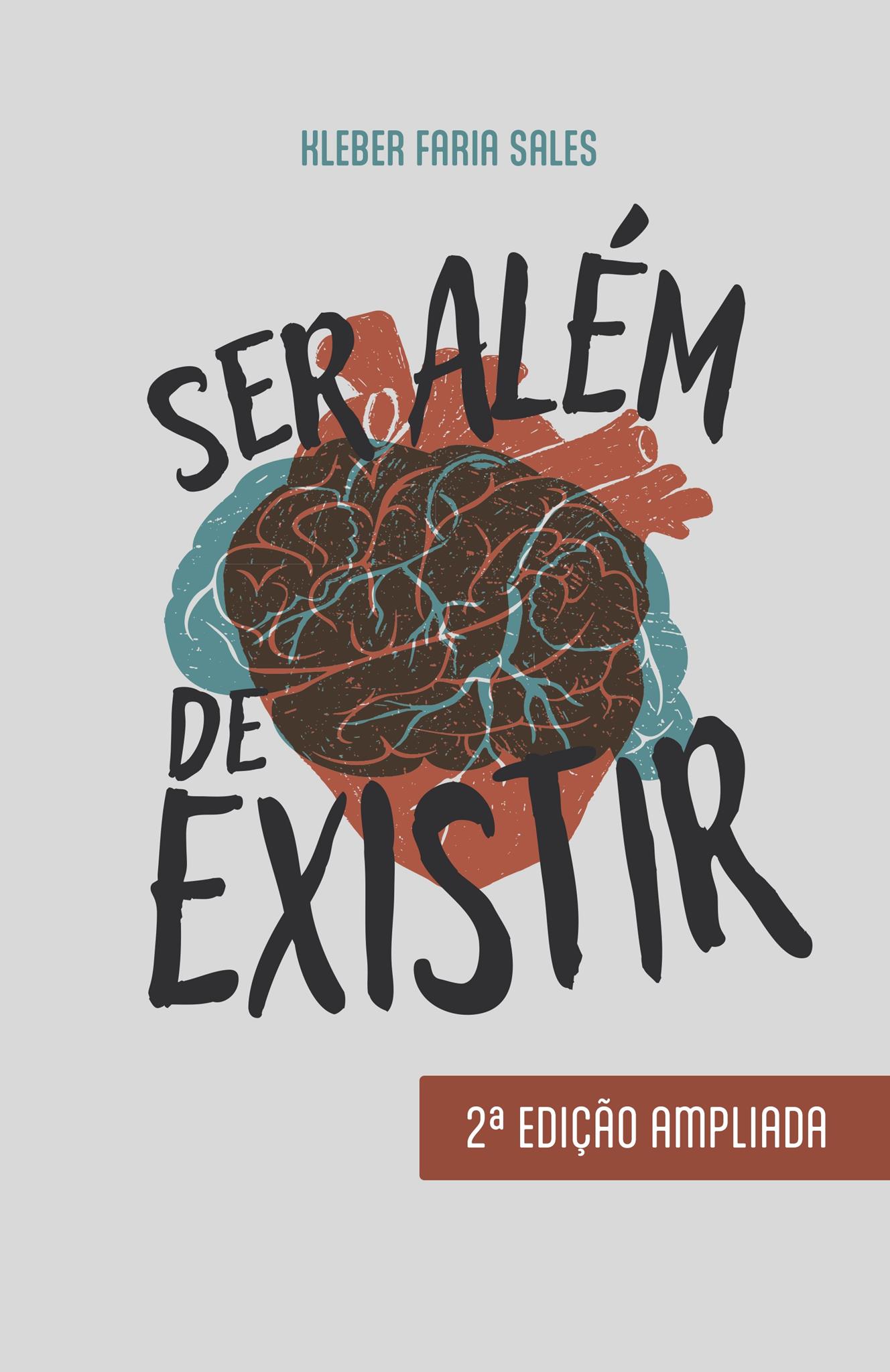
In “Being, Beyond Existing,” writer Kleber Faria Sales invites the reader to reflect on the difference between simply going through the days and living with presence, depth, and awareness. Through chronicles that address finitude, freedom, fear, belonging, and vulnerability, the work proposes a dive into human contradictions without offering ready-made answers. In an interview, the author talks about self-knowledge, human relationships, and the courage needed to abandon social masks and embrace one’s own path with more truth.
In Being, Beyond Existing, you start with a very essential question: what does it truly mean to be present in one’s own journey? What concern of yours sparked the beginning of this book?
The book was born from a very concrete concern: realizing how easy it is to get distracted and detached from real life. Today we spend a lot of time glued to screens and digital interactions, and this can cause us to lose touch with what is actually happening around us. It was from this realization that the impulse for the book arose: to reflect on lived life, on the passage of time, and on the need to be truly present in our own existence.
The book invites the reader to confront themes that many people avoid, such as mortality and so-called “social masks.” What most interested you in investigating this confrontation between appearance and inner truth?
What interested me most was showing how often we try to appear as something we’re not. We live in a time of constant comparison, and this fosters the construction of images very different from who we really are. In the book, I try to touch on this tension between appearance and truth, because it is precisely by facing our reality honestly that we begin to grow. And this urgency also exists because life passes, opportunities change, and time doesn’t come back.
You use simple yet powerful imagery, such as seeds, journeys, and ephemeral landscapes, to address such profound issues. How did these metaphors emerge as a way to explore self-knowledge?
I like to start with simple images because they arise from common experience and help to create space for reflection. Seeds, travel, landscapes, sand, sea, time: all of this is very close to our concrete lives and can carry profound meanings. These metaphors emerge as a way to make reflection more sensitive and more human, without losing touch with reality.
There’s a very strong idea in the book that growth implies rupture, like a seed that needs to be broken open to bloom. What does this image reveal to you about the processes of change we are experiencing?
This image shows that growing up is almost never comfortable. Often, change requires breaking with inertia, old habits, and even certain illusions we carry about ourselves. Just as a seed needs to break through its shell to bloom, we too need to go through internal ruptures to mature. In the book, change appears as something necessary, but one that requires courage, patience, and a willingness to start over from a different place.
His chronicles seem to suggest that self-knowledge is not a destination, but a continuous and often uncomfortable exercise. Why is this discomfort so important within the transformation process?
Because true growth often requires effort. Self-knowledge isn’t just about looking at oneself abstractly; it’s also about recognizing limitations, dealing with difficult truths, and accepting that some changes take time. This discomfort is important because it pulls us out of our comfort zone and forces us to mature. In the book, this journey appears as a continuous process that demands honesty, patience, and a willingness to improve.
In speaking of the brevity of life, you also highlight the value of encounters, listening, and genuine sharing. How can this awareness of our finitude change the way we relate to others?
When we realize that life is short, encounters take on more importance. We begin to value presence, listening, eye contact, and genuine interaction with people more. This helps us move away from excessive distractions and recognize that each shared moment has value. In the book, this awareness appears as an invitation to live with more attention, more gratitude, and more truth in our relationships.
The book suggests that living deeply is a choice—and even an act of resistance. Resistance to what, exactly, in the world we live in today?
It’s a resistance to automatism, to haste, and to a superficial way of living. Today it’s very easy to accept the comfort of distractions and stop facing what really matters. Living deeply requires silence, attention, discipline, and a willingness to endure the discomfort of growing. In the book, this resistance appears as a call to not live on autopilot and to seek a more conscious life.
After exploring so many reflections on freedom, fear, belonging, and vulnerability, what do you most hope to awaken in those who read Being, Beyond Existing: courage, restlessness, recognition, or the desire to start over?
Above all, I hope that the reader recognizes themselves in the book. If that happens, that will already be an important step. I also hope to awaken courage to face one’s own life, restlessness in the face of what needs to change, and a desire to move forward with more truth. I don’t think of the book as a ready-made answer, but as an invitation to reflect, to order one’s own life, and to keep moving forward.
Follow Kleber Faria Sales on Instagram