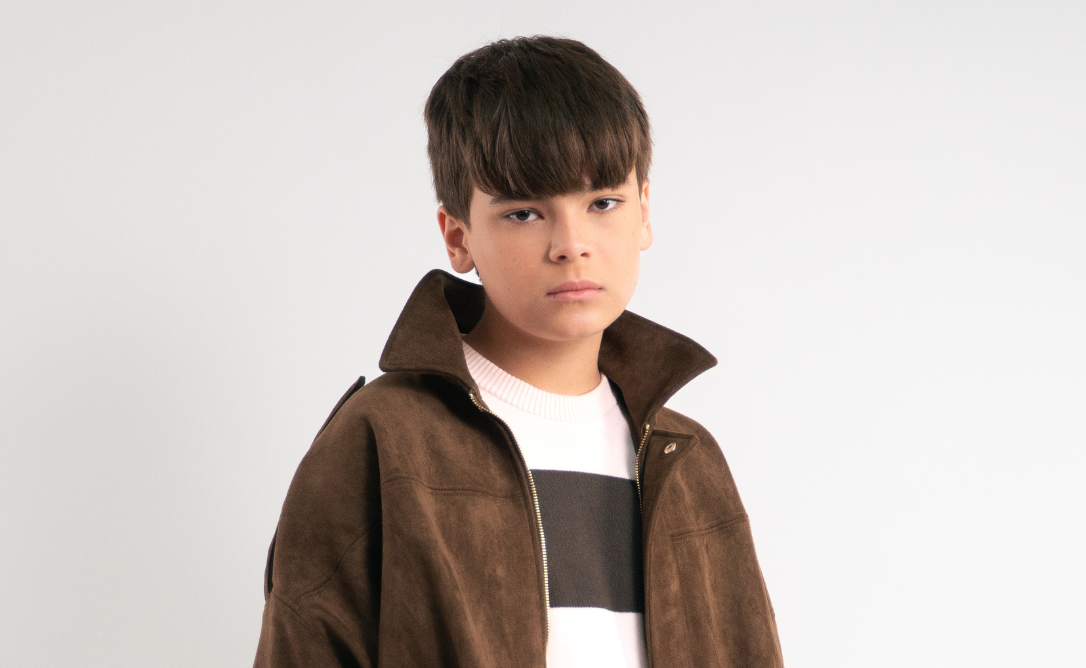
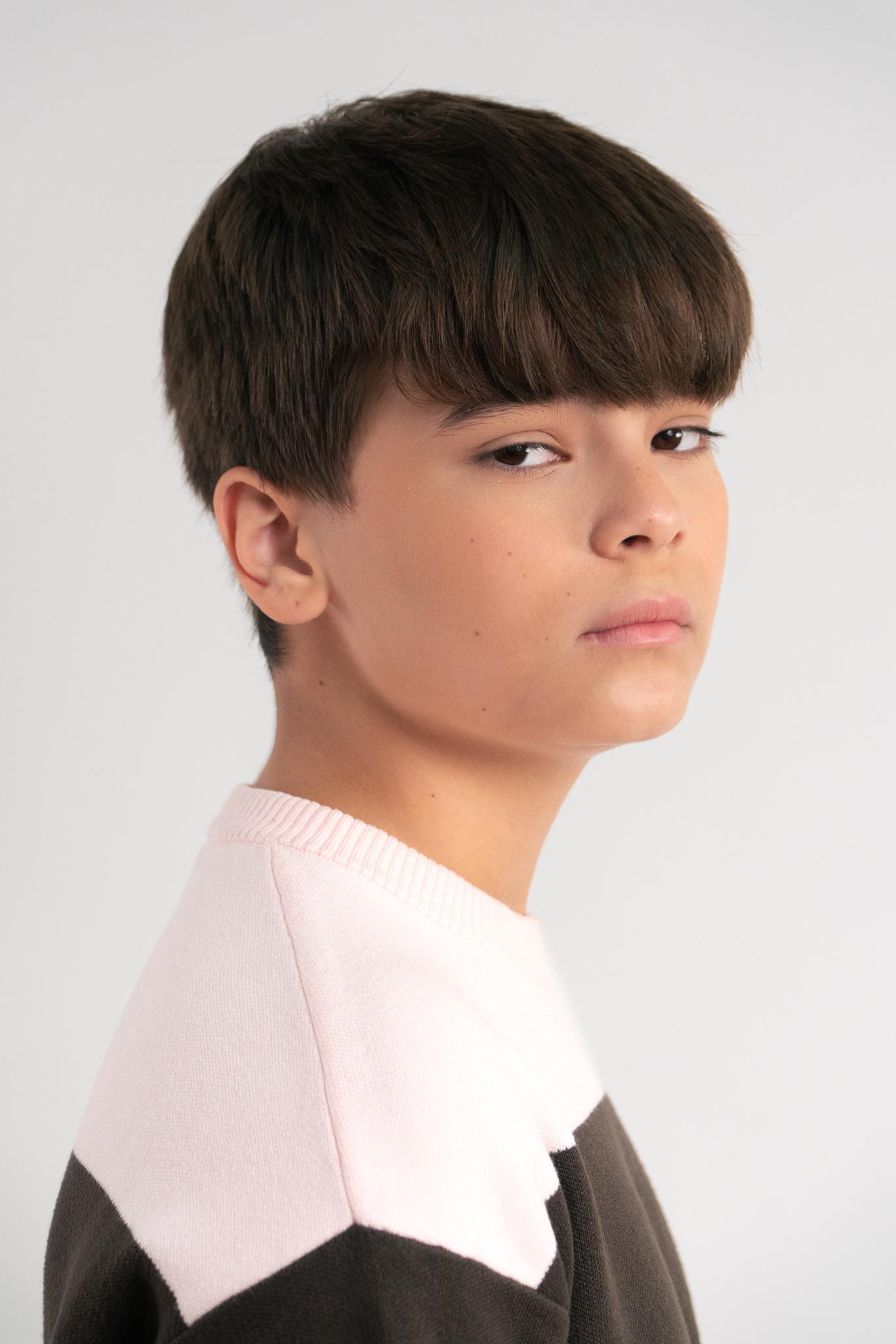
At 12 years old, actor Francisco Galvão is experiencing one of the most important moments of his young career, starring in *O Gênio do Crime* (The Genius of Crime), a film adaptation of João Carlos Marinho’s classic novel, now in Brazilian cinemas. Playing João, a character inspired by the author of the original work, Francisco leads an adventure full of mystery, investigation, and friendship, alongside a cast that includes renowned names in Brazilian filmmaking. In an interview, the actor talks about the challenges of taking on the lead role in a story that spans generations, the lessons learned behind the scenes, and the dreams he intends to continue building within the film industry.
Francisco, playing the protagonist in The Genius of Crime, such a beloved classic of children’s and young adult literature, is already a huge challenge in itself. How was it for you to receive this responsibility so early in your life?
It was very important to have this leading role. I didn’t know the book beforehand, but when I researched the work and my character, I discovered that it was a very important book and that the character was also very memorable. Precisely because he was already well-known and had been part of my parents’ generation’s childhood, I felt I needed to take on this responsibility. I tried to be as faithful as possible to the book and the character.
You mentioned that you identify with João because he’s curious, enjoys investigations, and gets involved in adventures. What else of yourself ended up showing up in the creation of this character?
I think a lot of my humor came through in him. João has a kind of sarcastic side, being in a dangerous situation and managing to relieve the tension in a funny way. That’s something I also do a lot in my life. It’s a characteristic of mine that ended up naturally entering into the construction of the character.
Since the film is based on a very well-known work, there was also an expectation from those who already love the book. How was it to find that balance between respecting the original character and bringing something of your own to it?
When I discovered the importance of the book and the character, I understood that I needed to deeply respect this pre-existing history. At the same time, each actor ends up bringing a bit of themselves to the role. So I tried to maintain the essence of João that readers know, but also let some of my own characteristics emerge naturally during the performance.
Behind the scenes, you spent two months together before and during filming. What kind of friendship or connection did that time create between you, and how did that help the group work so well together on screen?
It was very important because we had time to get to know each other better. These more natural interactions made us become real friends. Many of the laughs and spontaneous relationships that appear in the film arose from this shared experience. Some of the jokes that appear on screen were improvised precisely because there was already intimacy between us. Over time, we ended up becoming almost like family. When you spend every day with the same people, you create a very strong connection, and that helped the group function well in front of the cameras.

You said the action scenes were more difficult because of all the precision they require. What surprised you most about this more technical side of filmmaking?
What surprised me most was realizing that everything depends on collective work. It’s not just the actor and the camera. There’s the sound, the direction, the technical team, the cast—everyone working simultaneously to build a scene. In action scenes, this becomes even more evident. I was impressed by the team’s agility in moving the camera, positioning everything in the right place, and making the scene work. Even when it seems simple on screen, there’s a very complex construction behind it.
Sharing the set with experienced actors like Ailton Graça, Marcos Veras, Douglas Silva, and Rafael Losso must have been very special. What do you feel you learned most from observing these artists up close?

It was really great to have such close role models. Douglas Silva, for example, started acting very young, so he ends up being someone I look up to. In film, everything is a collective effort, and more experienced actors can teach a lot. I learned a lot by observing how they work, concentrate, and prepare. It was also very interesting to receive acting tips and better understand how they approach the profession.

Even at such a young age, you speak very clearly about wanting to pursue a career in film, perhaps also as a screenwriter or cartoonist. What do you find most fascinating about creating stories and bringing characters to life?
What fascinates me most is being able to look at a finished work and know that you were a part of it. It’s like an engineer building a house: afterwards, he can admire the result of his work. Something similar happens in filmmaking. You participate in the entire creative process and then see it reach the audience. When I saw myself on the big screen for the first time, I was very emotional because I remembered every stage of the film’s creation. Seeing people watching and connecting with something you helped create is very rewarding.
You juggle filming, school, and the life of a typical teenager, while also enjoying RPGs, pop culture, and even collecting World Cup stickers. How do you manage to balance this professional side with Francisco, who also wants to enjoy his childhood and adolescence?
As much as I enjoy playing RPGs, video games, drawing, and reading, acting is also part of my life as a teenager. I see acting as a job, but also as something that gives me pleasure. I really enjoy this artistic universe, creating stories, drawing, and interpreting characters. So I don’t feel I need to completely separate one thing from the other. It’s all part of who I am. I manage to balance it because acting isn’t just a profession for me, it’s something I truly enjoy doing.
Follow Francisco Galvão on Instagram