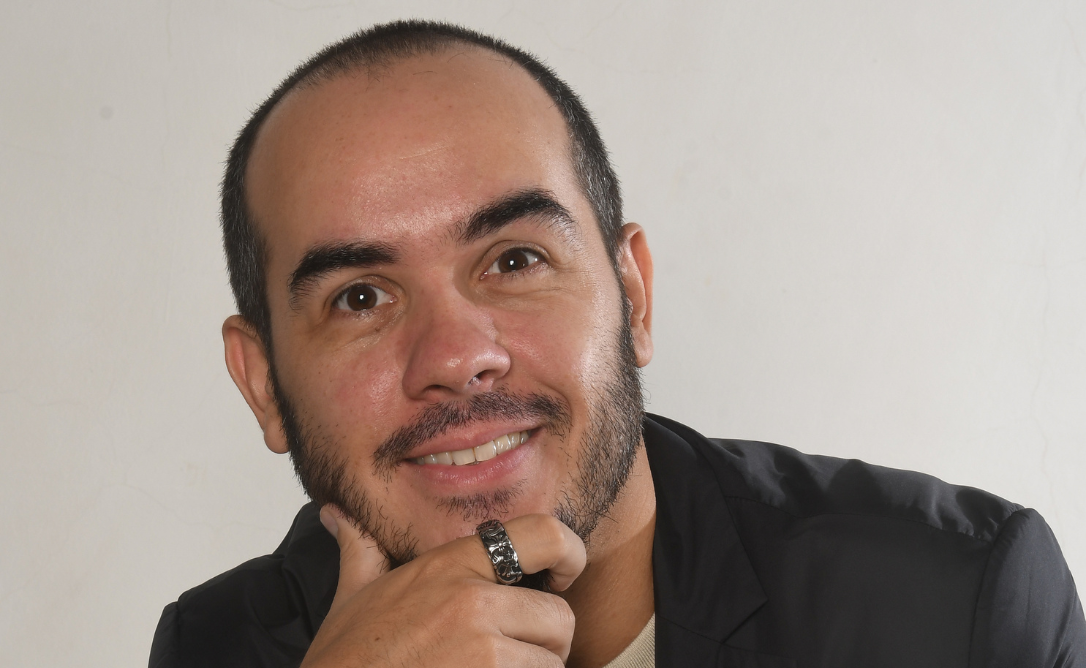
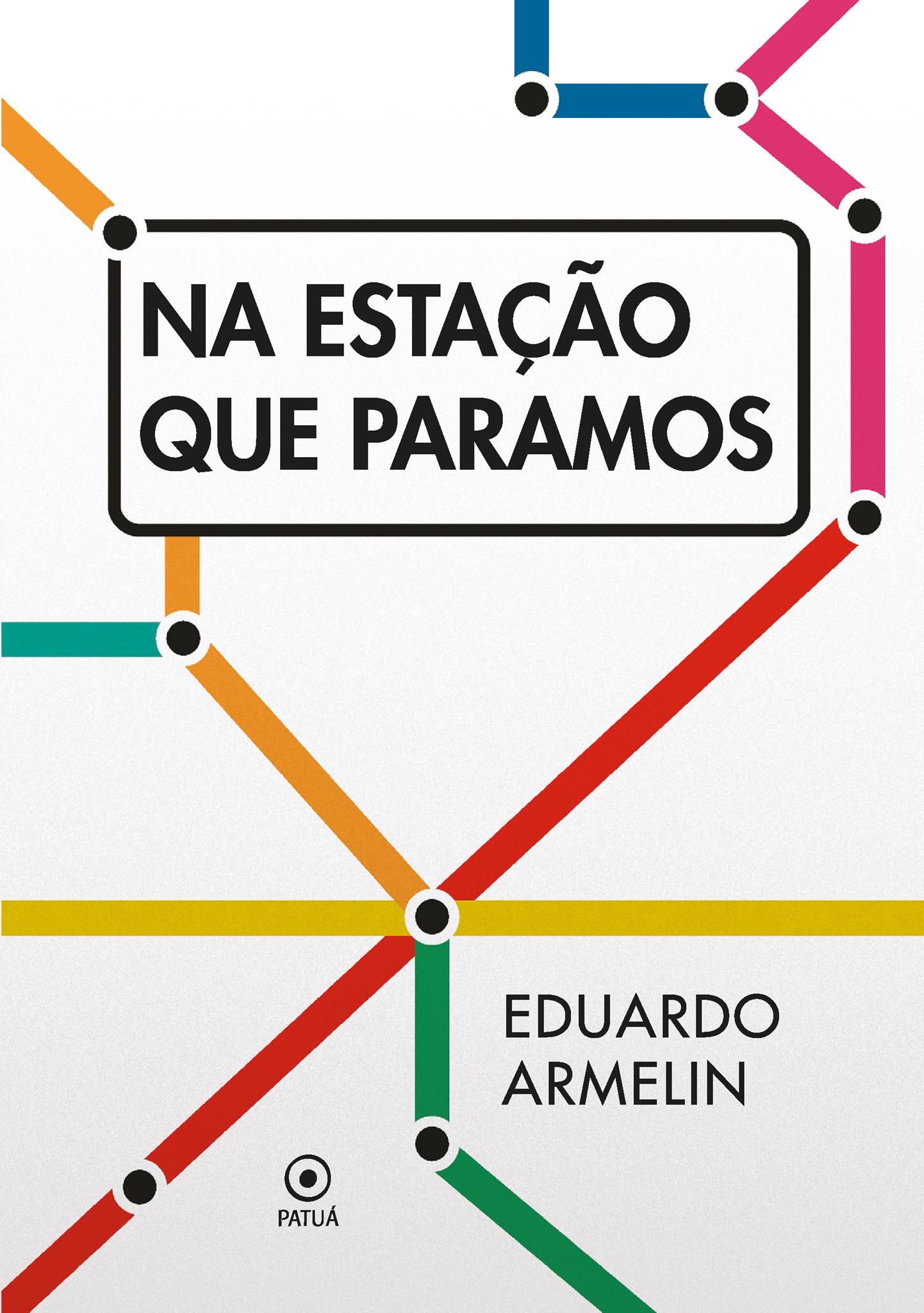
In *At the Station We Stopped*, author Eduardo Armelin constructs a sensitive narrative about frustration, new beginnings, and the surprises of fate. The work follows David, an investigator whose life is transformed by an unexpected encounter on the subway, leading him to rethink his choices and embrace new paths. In an interview, the author reflects on themes such as single fatherhood, hope, and the moments of rupture that, even without immediate answers, drive profound change.
“At the Station We Stopped” stems from a very human feeling: realizing that life may have taken a very different path than we imagined. What concerns of yours gave rise to this book?
“Na Estação Que Paramos” (The Station We Stopped At) was born from the concern that, sometimes, other people end up hindering the pursuit of our dreams and preventing us from moving forward with our original plan.
In my case, the dream was to write a book in a market that is difficult, closed, and full of threats. Where there are people who help you, but others who also hinder you or who only want to profit. I went through a situation like that in the past, and it distanced me from my dream, but only for a while.
However, upon understanding the moment and reflecting on it, I learned that I should prepare myself, understand how everything worked, and improve until I felt ready. Today, I am in the best position to do so. After study and much planning, I can affirm that I worked hard and made my own dream come true. And the most important thing was doing it while discussing such a relevant topic for reflection with others.
David is a character who lives with the weight of unmet expectations, both professionally and personally. What interested you most in exploring this feeling of “I got this far, but this isn’t exactly where I wanted to be”?
The goal has always been to emulate life in the story. To include the invisible barriers that arise in our paths, but which serve a purpose: to warn us.
For David, this obstacle arrived even before he had achieved what he wanted, and that’s not always a bad thing. Sometimes things happen, and only years later do we reflect and understand that what happened was the best thing that could have happened to us, but that at the time we couldn’t comprehend it.
Exploring this type of internal conflict and showing this character lost, yet still trying to move forward, struggling to bring movement to a life that doesn’t motivate him to continue on the established path, that was the factor that inspired me to write and tell a story that may somehow inspire others to do the same in their lives.
There’s something very symbolic about the encounter inside the subway, a space of passage, movement, and destiny. Why did this setting seem like the ideal place to transform the protagonist’s life?
The world always revolves around the subway, it’s always in motion. The idea of using the subway as an analogy and placing the character in that setting was intended to prevent him from being stuck and suffering, but rather to encourage him to continue his search, now in a new way.
The encounter on the subway brings the casualness of life, the meeting with strangers, with stories that relate to our own, but that we don’t see. That’s why it was so important to bring this moment into the narrative, because it is through an unexpected encounter that other doors open.
Furthermore, the tone of the encounter on the subway also has a reason, reflecting the protagonist’s own moment, who throughout the book has been dealing with feelings and sensations, inviting the reader to feel the same and resolve the issues that held him back at the station where he found himself in his life.
By placing David before the possibility of single-parent adoption, you open up space to discuss new forms of fatherhood. What motivated you to address this theme within the narrative?
At first, I questioned myself about it. What did it mean, what would that life be like? At the time, I had ended a relationship and found myself alone facing this question: what is it like to go through this journey alone?
That’s how a part of the book was born, which opens up space not only to discuss other forms of fatherhood, but also to create space for these paths to be “normalized.” So that we can see more or talk more about it.
Beyond the fact that the adoption process, regardless of its format, isn’t the only thing, it’s necessary to understand what the dream means. After all, the adoption process is more about doing something for someone else than about yourself. For me, this was a key point: you discuss your dream and what you want to achieve, but in the end, you shouldn’t be doing it for yourself, but for the other person. Having a character experience these conflicts opens doors for us to reflect on our role as those responsible for another.
The book deals with invisible traumas and internal conflicts that often don’t appear to the world. How was it to create a character so burdened by silent pain, yet who still needs to keep moving forward?
For me, it was interesting to think about how these traumas appear much more often than we realize. That was the motivation for creating this character, because most of the time we don’t have that clinical eye to notice that someone is not well or is suffering.
However, creating this character was a challenge; balancing the situations with his personality was a task that underwent several changes and questions about how he should behave.
In fact, in the first chapter, David observes a young woman with tears in her eyes, suffering in silence. Perhaps that’s the observant writer in me, but I’ve encountered countless situations like that in my life, where people weren’t doing well, and I wanted to convey that somehow. Not in a heavy-handed way, but in a way that could connect with the character and help him continue his journey.
Even when delving into difficult issues, your work also seems to uphold hope as a driving force. For you, what is the role of hope in stories that emerge from crisis?
Just as dreams are not a destination but rather a journey, hope follows a very similar path. This is because hope, in this case, is not tied to waiting for things to improve, but rather to doing things that will show me what makes sense and what doesn’t.

For example, it’s like a radio; when we try to tune into a station, we hear static, then we get to a certain place, that song doesn’t interest us, we move on to the next one, until we find the frequency that makes sense for that moment.
Therefore, the role of hope in stories that begin in crisis lies in the fact that we cannot know the outcome of what is to come, but we can make things happen; that is, hope lies in what we will be invited to experience, not in where we want to arrive.
At many points in adult life, moving forward doesn’t mean having certainty, but simply continuing. Do you believe that this is one of the central messages of the book: the courage to walk even without guarantees?
Why should we yearn for guarantees? I see that as the kind of question the work raises, among many others, but not as its central message.
I believe the central message is more related to learning to dialogue with ourselves in moments of uncertainty and difficulty. After all, when we are born, we don’t have a map of how we can act and what we have to do, but we still continue without any guide until the end of our journey.
If we at least learn to reflect on these things, it becomes easier to navigate life. After all, we understand that the expectations and guarantees we have or don’t have are merely projections to make us feel secure, when the most important thing is to do what warms our hearts. In David’s case, his journey was in pursuit of his dreams, but the path he traveled was more relevant than any guarantee or certainty he could have had, especially since even when he had guarantees, he was still frustrated.
After following David’s journey so closely, what do you feel this character has also taught you about dreams, new beginnings, and life’s unexpected turns?
David continues to teach me. The writing journey of this work unfolded in cycles that didn’t end when I wrote “end” in its final version. Every time I revisit or talk about it, I’m reminded to always have fun, to stay strong, and to learn from whatever I’m given the opportunity to receive.
Although much of David’s journey was inspired by things I’ve seen or experienced in some way, the process of putting it on paper isn’t just about fulfilling my dream or finishing a work, but I realized it evolved into untangling loose ends that I needed to resolve or translate in some way.
However, the most important thing was to reinforce what I love to do: tell stories, talk about unexpected journeys, full of depth and layers that can make us discuss for hours. That’s my passion, and “At the Station We Stopped” made me board a train, where I sat by the window and want to enjoy every moment and every stop.
Follow Eduardo Armelin on Instagram