Featured at JDIFF, Idol Makers offers an unsettling reflection on idolatry, image, and the structures of power that shape contemporary fame. In this interview, Portuguese actor José Fidalgo discusses the moral complexity of his character, the symbolic dimension of the film, and the relevance of a story that questions authenticity, free will, and the mechanisms behind the making of idols.
Idol Makers starts from an extremely original and unsettling idea. What was your first reaction when you encountered this universe?
My first reaction was surprise at the creativity of the story. It’s a universe that left me unsettled, especially in the way it raises questions about free will. To what extent are we really free?
The film plays with the way society manufactures idols and preserves certain images. How do you think that discussion connects with the time we are living in today?
I think the movie is particularly relevant today because we live in a time where image is constantly being constructed and curated. Social media, for example, has made it easier than ever to create and maintain a certain version of ourselves — almost like a personal brand.
What this movie does is push that idea further, showing how idols can be shaped, controlled and preserved in very specific ways. It raises questions about authenticity and about how much of what we see is real versus manufactured.
In that sense, it connects directly with our reality. We are all, to some extent, participants in this system — both as creators of our own image and as consumers of others. And that makes the discussion feel very immediate and, at times, a bit uncomfortable.
Your character exists within a story surrounded by tradition, power, and secrecy. What interested you most dramatically about this role?
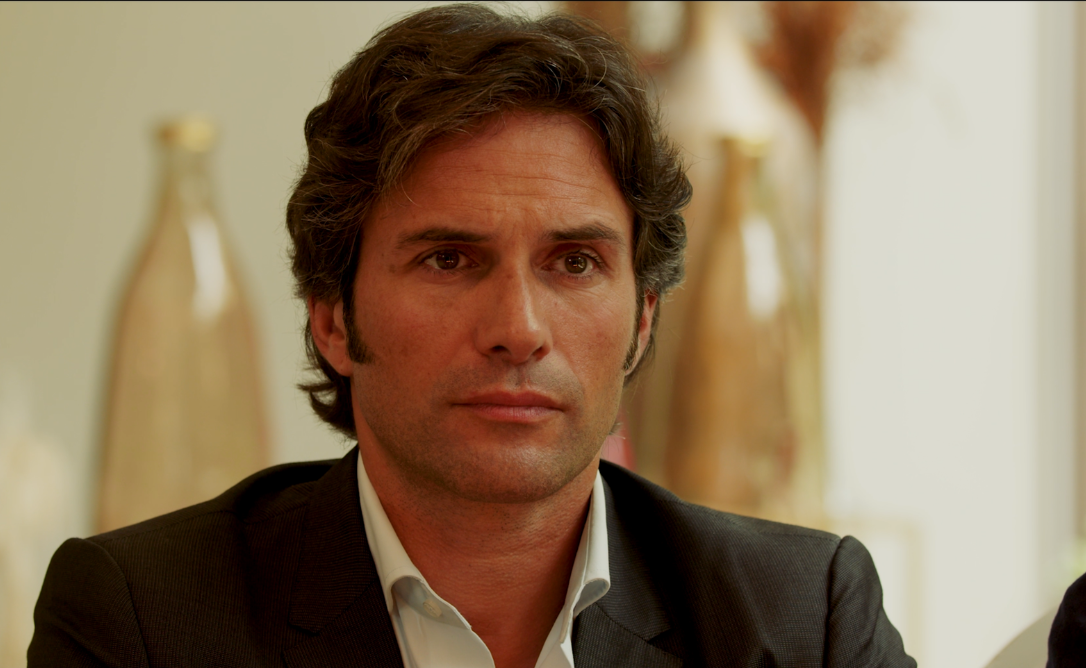
I see my character as an old-school man who has adapted to new behavioral tools. He is deeply rooted in his beliefs and tries to pass them on to his daughter, who initially sees him as a misogynist. However, as the story unfolds, she begins to understand the reasons behind the way he chose to raise her.
Being part of a secret society, his intention is not for his daughter to be “one of the sheep,” but rather the shepherd — as he believes himself to be. For me, that’s where a lot of the complexity lies. He is a man who genuinely believes he is doing what’s best, not only for his daughter, but for the humankind. In his view, the world cannot be governed by just anyone. He believes there are two types of people: those who follow and those who lead. And only through that balance can order be maintained.
That conviction is what drives him. It gives him a strong sense of purpose, but also places him in a morally ambiguous space, where his actions can be seen in very different ways.
As a very well-known actor in Portugal, was it interesting for you to take part in a film that directly reflects on the mechanisms behind idolatry and celebrity?
Of course. I think we all have a fan side — I certainly do. Throughout my life, I’ve been influenced by different references, and I continue to discover new ones even today. At the same time, I’m very aware of the other side — the way people might see me as a reference, or simply as someone who is known. That naturally creates a certain attraction, interest, even a kind of magnetism.
I had an actor who deeply influenced me, both as a teacher and as a colleague, who said that he wasn’t there to teach anyone, but to listen and share experiences. He believed that this is an ongoing, evolving process, and we must always be open to receiving and growing.
For me, that requires humility — the ability to learn from anyone, at any moment.
And I think that perspective helps me navigate both sides of this idea of idolatry: being a fan, and being, in some way, an object of that same gaze.
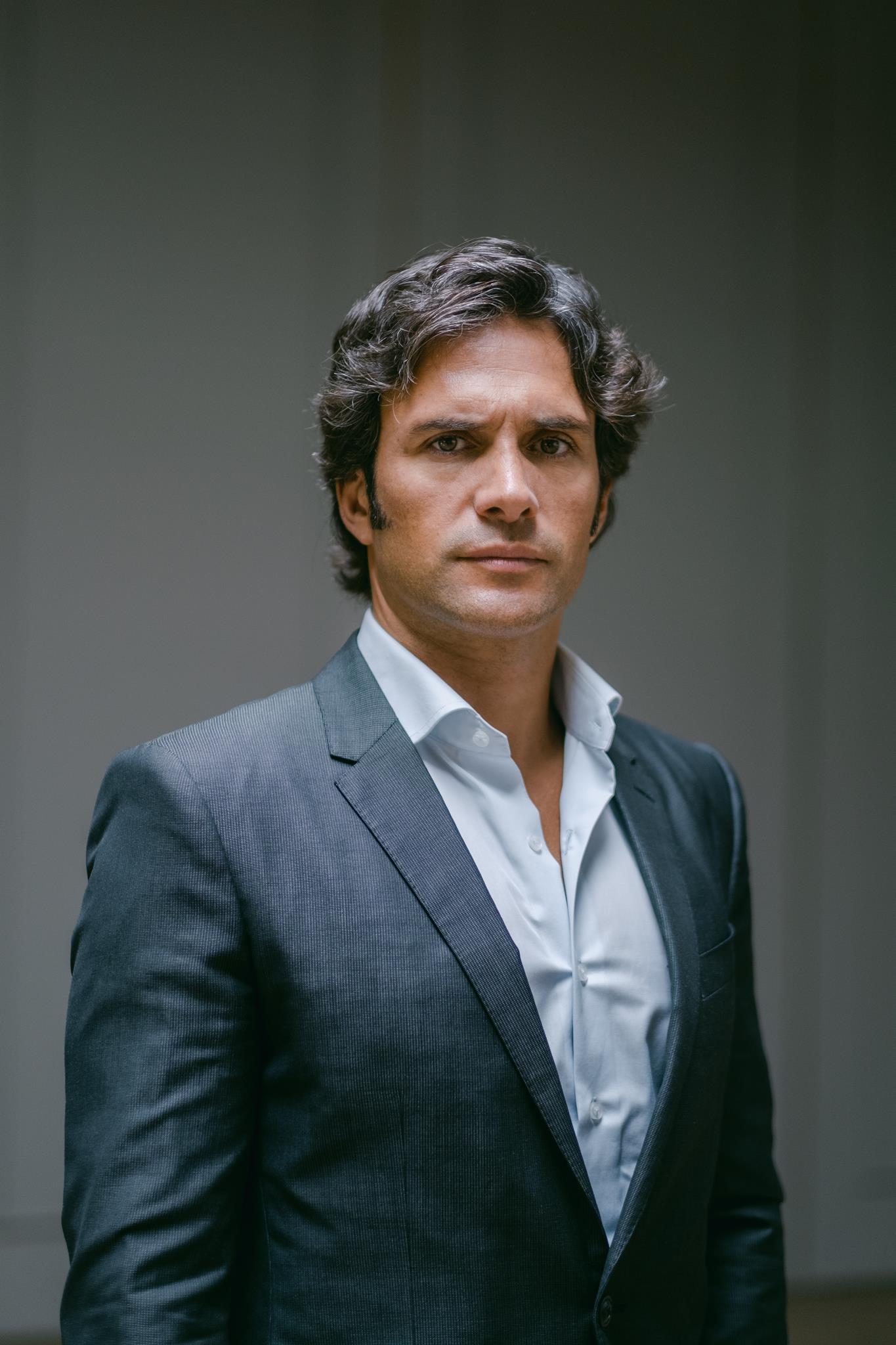
What was it like building this project with Luis Diogo, especially in a film that demands emotional commitment while also asking actors to surrender to a highly symbolic universe?
As I mentioned before, as soon as I read the script, I immediately felt it was a very interesting and contemporary story — one with a strong social and political dimension, capable of making people reflect.
From that moment on, my main concern was to ensure that we had the right conditions — both logistically and interpretatively — to truly respect the story and its intentions.
Beyond the creative freedom that Luis Diogo gave us, I had the privilege of working alongside a group of actors with great experience and a genuine desire to contribute to a theme that resonates deeply with all of us as performers.

Virgílio Castelo and Ricardo Carriço are two important references in my country, and I had already worked with them before. What was particularly interesting this time was that we found ourselves at a moment in our lives where we were all reflecting on our sense of purpose.
We come from three different generations — myself at 45, Ricardo at 60, and Virgílio at 72 — and that contrast brought a unique depth to our conversations. The questions each of us was facing at that time led to meaningful exchanges that enriched us, not only as actors, but as individuals.
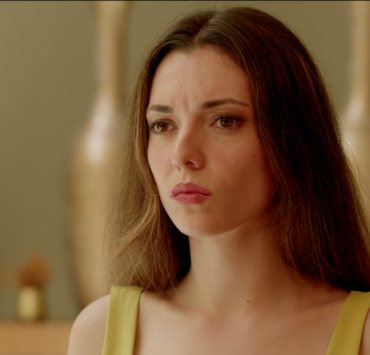
And in the midst of this whirlwind of experiences that the movie brought me, I also had the joy of meeting Rafaela Sá, the protagonist. At 26, she brought a sense of freshness and a remarkable talent — the missing piece that gave the story the perspective it needed. It was, for me, a very special and meaningful moment.
You will be attending both festival screenings. What excites you most about presenting this film to American audiences and hearing their reactions firsthand?
I feel a certain fear, to be honest, because we are talking about a theme that is deeply connected to a country like the United States — the idea of idols, icons, references, and the legends of show business that have shaped not only American culture, but the way the world sees fame.
At the same time, there is also a strong sense of pride in representing my work and the work of an entire team beyond our borders.
If I can put that aside — which won’t be easy — what excites me the most is the opportunity to witness real reactions. To see how an audience from a different cultural background connects with the movie, what resonates with them, and what challenges them.
That exchange is, for me, one of the most powerful aspects of cinema — the moment when a story leaves you and truly belongs to the audience.
Follow on Instagram: José Fidalgo | JDIFF