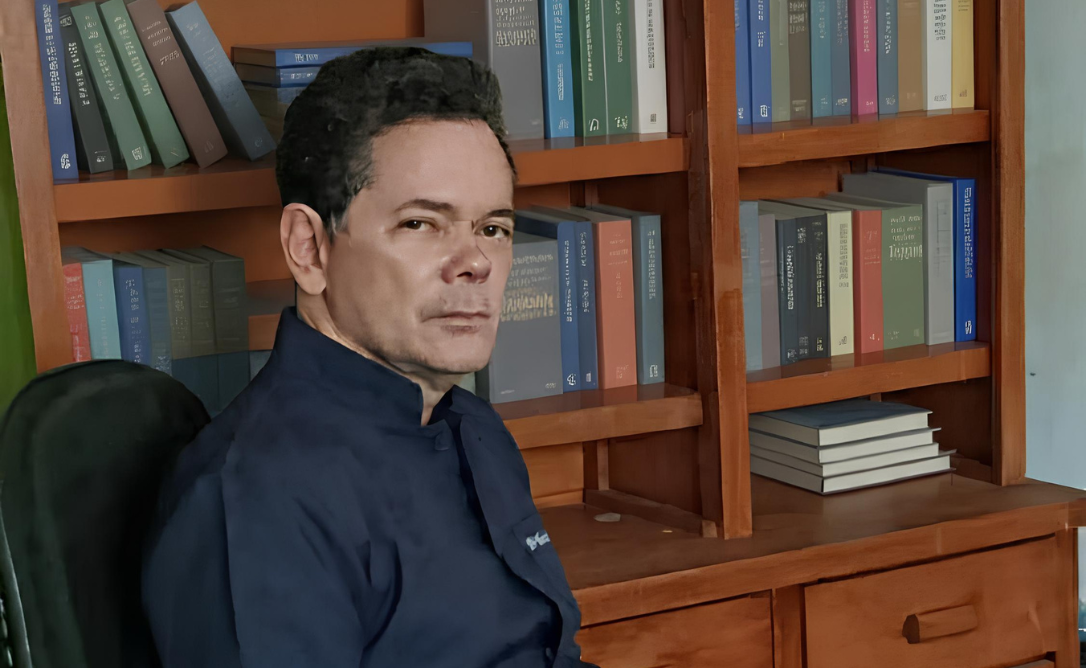
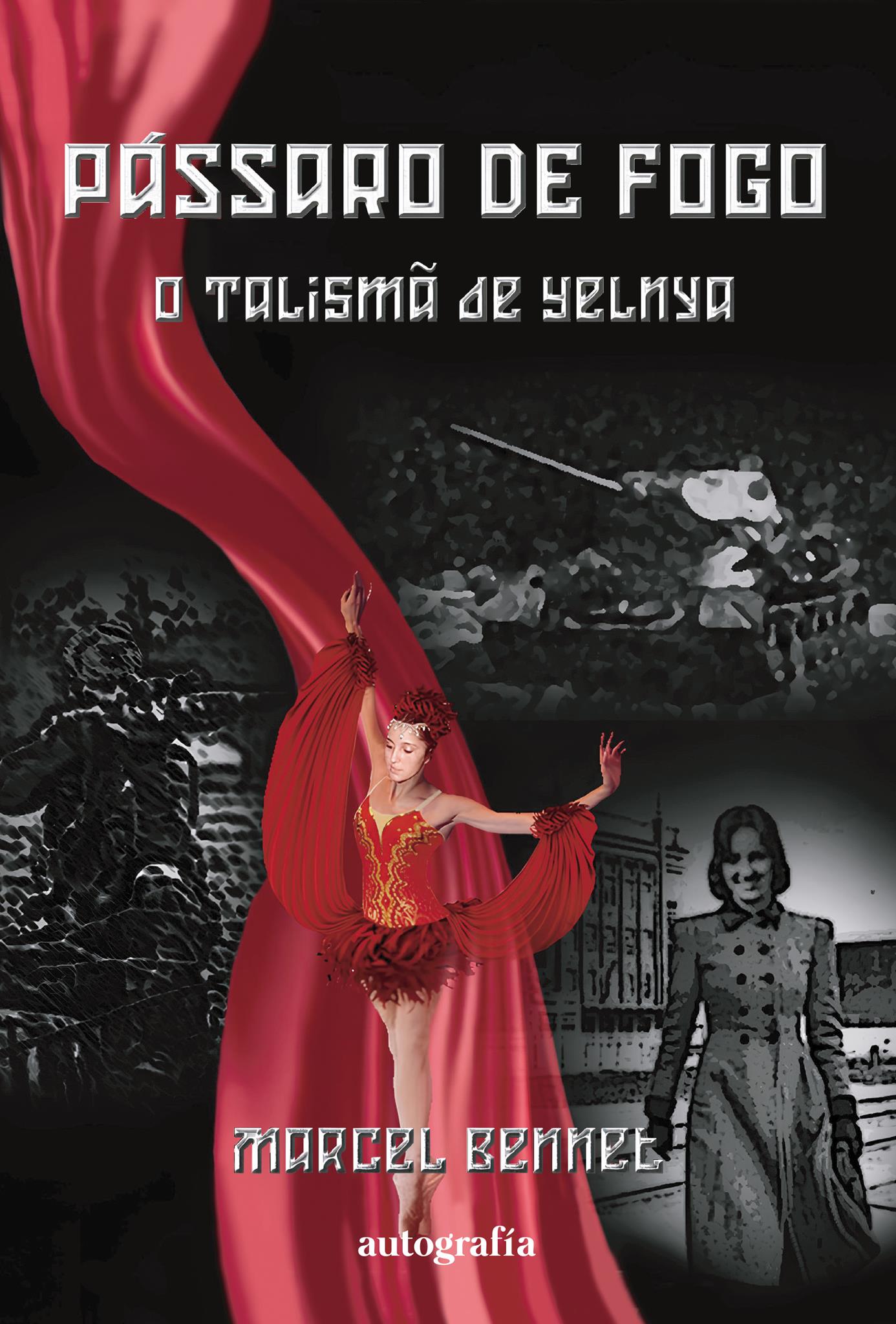
In *The Firebird – Yelnya’s Talisman*, author Marcel Bennet takes the reader to the Soviet front of World War II to follow the journey of Pavel Mchailovich Petrov, a young man whose life is violently impacted by the conflict. Between interrupted love, forced maturation, and the horror of the ruins of Stalingrad, the work articulates lyricism, historical realism, and existential reflection to investigate the limits of compassion and morality in extreme times. In an interview, Bennet discusses the construction of this narrative marked by war, memory, and hope.
In Firebird – The Talisman of Yelnya, war appears not only as a historical backdrop, but as a profound shock to the human soul. What most interested you in investigating this encounter between external violence and internal conflict?
There are intimate human aspects that, for various reasons, are destined to remain hidden under normal conditions. War and other upheavals in the web of relationships in which the individual is embedded emerge as windows through which to observe the true nature of the individual and of society as a whole. These are, without a doubt, aspects of great interest in the development of the work.
Pavel is first presented as an ordinary young man, with dreams, studies, and a forbidden love, before being swept away by the front lines. Why was it important to show, so clearly, who he was before the war?
To reveal, by contrast, the depth of the abyss into which war could plunge that man, and the pain that marked him due to the loss of his promising future. But also, to bring to light the fullness of his human dimension, in peace and in war.
The relationship between Pavel and Irina seems to function as a last link to the life that existed before the devastation. What role does this love play in the emotional development of the character throughout the narrative?
Irina is the most burning memory, the love not fully realized, and the farewell that never happened. It’s the phrase that, because of their ultimate missed encounter, was never uttered. That’s why he insists, against all odds, on searching for her amidst the ruins. Irina is his irrational hope, but also his strongest motivation in the fight for life.
In Stalingrad, the protagonist faces not only the enemy, but also hunger, cold, isolation, and moral dilemma. What was it like to write a character who needs to survive while struggling not to become dehumanized?
That’s a beautiful question. From a creative standpoint, such conditions give rise to great possibilities, as one delves into the world, the mind, and the skin of the protagonist. These are intense situations that demand deep immersion and visceral storytelling. Personally, I find it very rewarding to do so.
Your writing combines lyricism, introspection, and historical realism. How did you find this balance between the brutal harshness of war and such a sensory and poetic language?
I consider it important to portray reality objectively, while still offering my own perspective. I therefore strive to do so as a proposal, not as a finished reality. Perhaps the balance lies in the humble acceptance of the various possible meanings of the same object, depending on the observer’s point of view.
The book raises a very powerful question: is there still room for compassion amidst destruction? Was this the main concern that guided the writing, or did it emerge along the way?
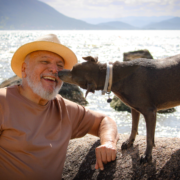
I believe that the idea, still in its embryonic stage, contributed to building a context conducive to its realization.
In addressing themes of identity, destiny, and forced maturation, the work seems to transcend the war novel and touch upon universal questions about the human condition. What do you hope the reader will recognize in themselves through Pavel’s journey?
I believe there is a determined and combative Pavel in each of us. Some are awake and in full action; others are still asleep. But all of them possess unique potential to be realized in favor of a fuller life. It is in this possibility of becoming, despite adversity, that the reader will identify with Pavel Mikhailovich Petrov.
Even amidst ruins, losses, and contradictions, his words point to a glimmer of hope at the end. For you, where does this hope come from when everything around seems to have crumbled?
Discouragement leads to lament and prostration, but hope lifts us up and calls us to action. Hope is born of faith, and faith is a virtue of a fighting heart. Let us be, despite the chaos and despair that surrounds us, good fighters!
Follow Marcel Bennet on Instagram