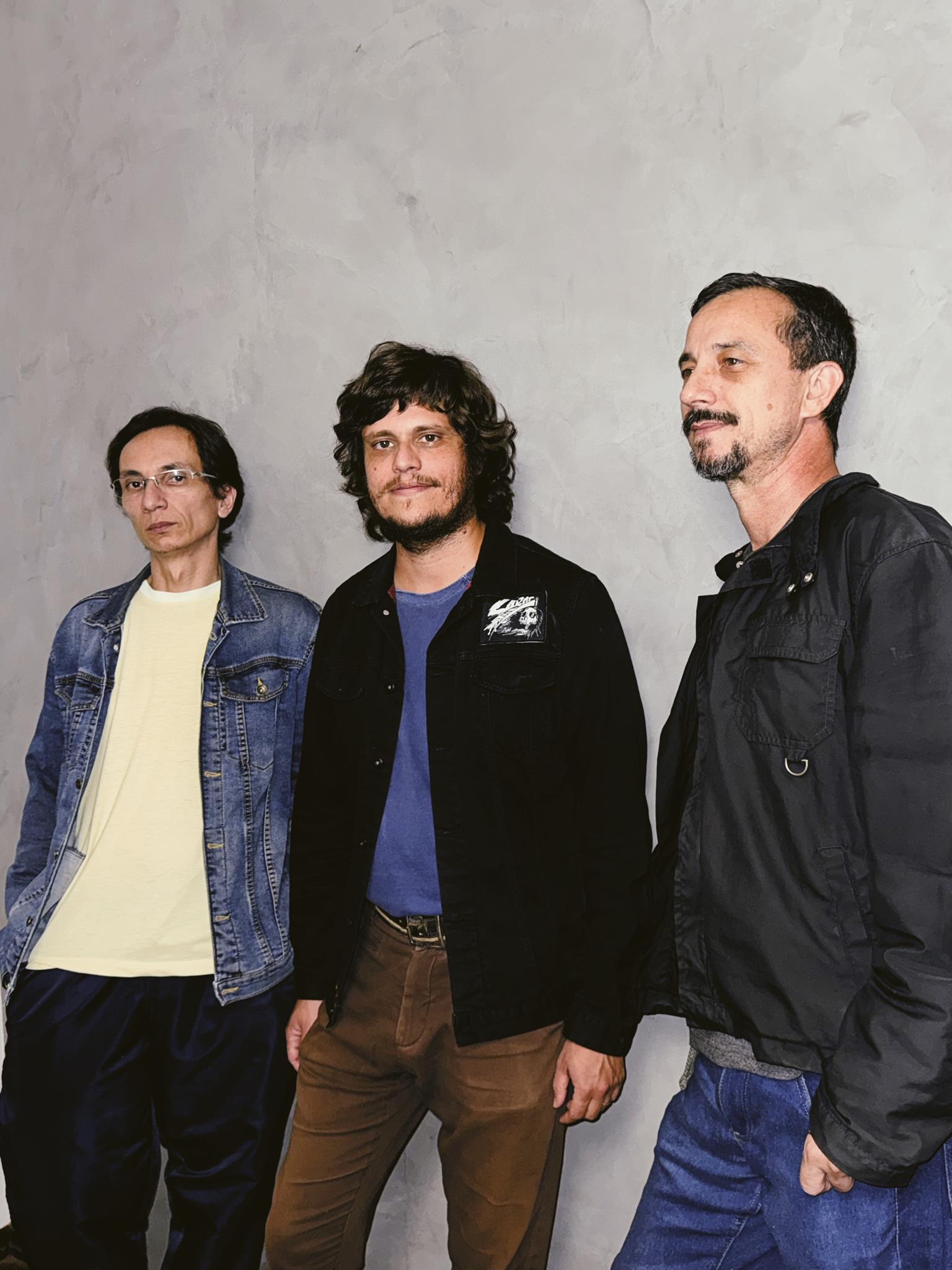
With intense guitars, a raw atmosphere, and references to 1990s alternative rock, the musical project Capim Cósmico presents the single “Capivara & Fuzz,” a track that transforms emotional anxieties, repetitive habits, and intrusive thoughts into a sonic experience full of personality. Led by musician and composer Mateus Cursino, the project inaugurates a new artistic phase marked by the band’s collective work and an even more defined sonic identity. In an interview, Mateus talks about the symbolism behind the song, the influences that shaped the release, and the next steps in a trajectory built on experimentation and musical authenticity.
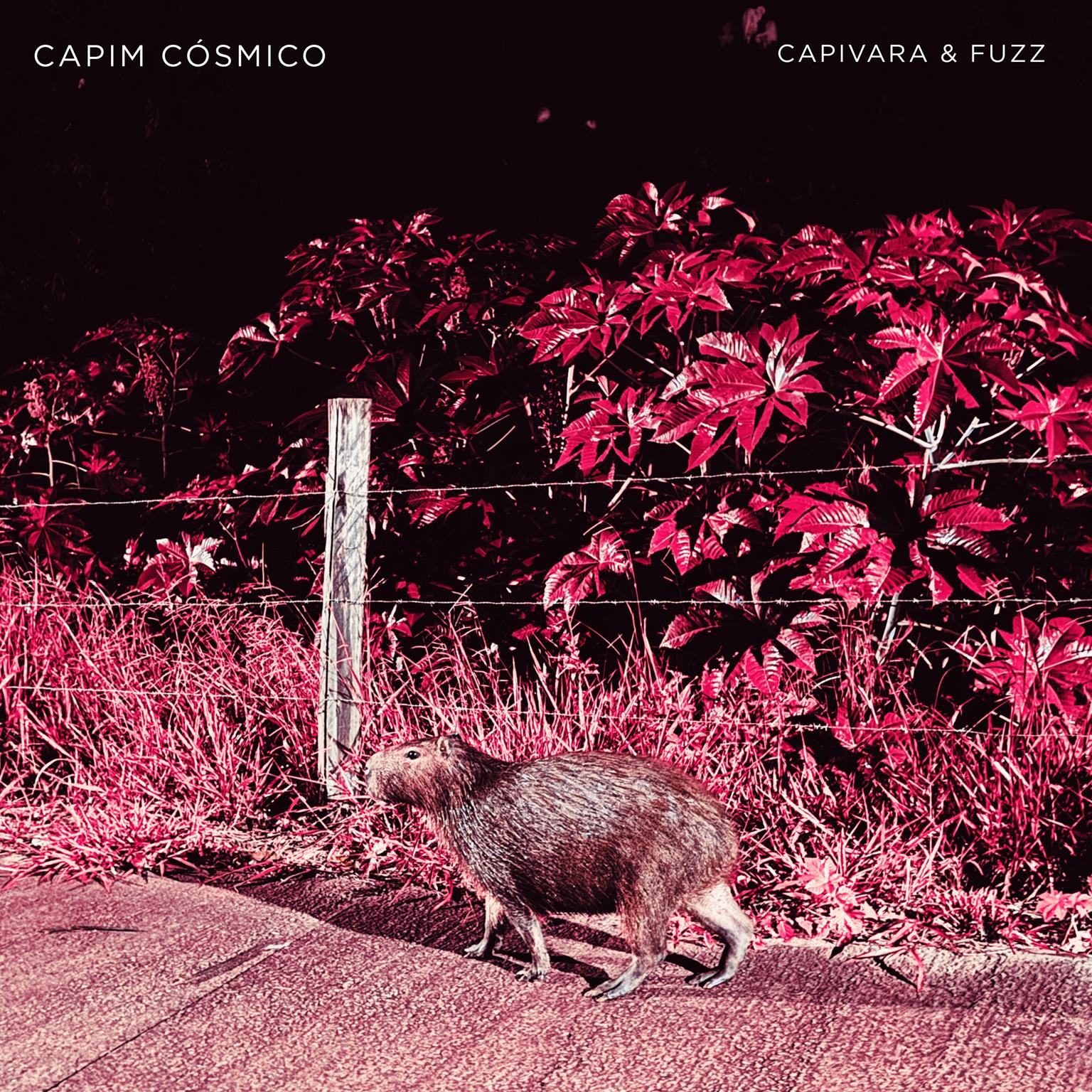
“Capybara & Fuzz” transforms the figure of the capybara into a symbol of addictions, repetitive habits, and intrusive thoughts. At what point did this image begin to make sense in translating this internal noise?
I discovered, through the internet itself, that capybara in the original Tupi-Guarani language means “grass eater.” That made perfect sense, including the capybara in my backyard, devouring “plantations.” An extremely peaceful animal that feeds on grass. Cosmic Grass has a lot to do with the delusions of the mind, the connection with the universe, with living beings, and the divine. The divine appears to me repeatedly, at various times, but with greater intensity in my delusions.
The track seems to walk a line between comfort and discomfort, lucidity and confusion. How was it to create a song that doesn’t deliver a closed message, but rather an almost physical sensation?
The lyrics were born from a moment of confusion and mental turmoil. I was trapped in a paranoia involving anxiety and some delusions. I suffered from insomnia for a while. All of that fueled the song’s creation. It arose from the need to compose during a delicate period about something personal, something that might happen to many people like me.
The “fuzz” appears as a representation of this mental noise, but also as an aesthetic element of the track. For you, to what extent does the distorted sound help to convey what the lyrics might not say on their own?
Rock, with its distorted guitars, is perhaps the best way to express mental noise. I believe that other styles, perhaps with the exception of rap, don’t have that freedom. What you generally see in the most popular styles in Brazil are lyrics talking about partying and how life is “wonderful” in its ostentation. I don’t value ostentation at all. So the fuzz fit perfectly into my composition. Not only aesthetically, but poetically. The noise, you know, life often boils down to noise and more noise.
The single features almost out-of-tune guitars, a pulsating bass, and a direct drum beat, with influences from 90s alternative rock. What does this raw sound allow us to express about Capim Cósmico’s current moment?
Capim Cósmico was born from a personal project of mine (Mateus Cursino). Almost all the songs on the album, which will be released in August by Marã Musica, were recorded by me alone in the studio. I played drums and all the other instruments. So, the album is quite raw; I think I was inspired by the first Foo Fighters album, where Dave recorded everything himself. But after I finished the recordings, I formed a band. And then the project took on another form, much better than I initially imagined.
You mentioned that the song originated from a riff and gained momentum with the band’s new lineup. How did Alberto Barbosa and Fernando de Paula help transform that initial idea into a more vibrant and collaborative track?
My two friends and regular members of Capim Cósmico helped me transform the project into a band. They polished the music that I had only sketched out. This time I didn’t need to sit at the drums and start recording. Especially since, having recorded the album almost entirely on my own, I was exhausted. I needed a little help from my brothers. And it was amazing to have them actually with me. The partnership went beyond just live performances and transformed into a partnership of arrangements, and that raw composition gained a life in their hands that was very different from what I had imagined.
There’s something very interesting about the mix of humor, chaos, and introspection in *“Capybara & Fuzz”*. How do you balance this almost absurd lightness with emotionally denser themes?

That’s the exact point of things (lol). It might be confusing, but it’s intentional; many people don’t understand that I’m talking about a serious topic, something disturbing that I went through. In reality, I have to soften it and make it more palatable somehow. But I’m talking about problems that many people always go through and will always go through with the crazy daily routine we live in today. Then there are people who don’t take it seriously, what can you do? You can’t please everyone.
The release seems to mark a new artistic phase for Capim Cósmico, more defined in sound and aesthetics. What do you feel has become clearer about the project’s identity now?
I think it’s mainly in the band’s style. I believe I’ve managed to arrive at an ideal format, where I can combine alternative rock with psychedelic rock. Psychedelia is very strong in my musical background because I spent a good part of my life immersed in the discography of bands like Os Mutantes and The Beatles’ albums Sgt. Pepper’s and Revolver. But also, during adolescence, I only listened to Nirvana and the Ramones. Aligning punk, psychedelia, and alternative is what I achieved with the Capim Cósmico project.
After experiences on stages like Sesc Belenzinho, festivals like Hacktown, and your previous journey with Velhos Aspargos, what place does “Capivara & Fuzz” occupy in your path as a composer and independent artist?
I think I’ve found my path; the songwriting comes from my core. Of course, all those other references and bands were fundamental in getting me to a point where I have much more clarity about what I should do musically and artistically. But I believe that now, with all these previous experiences, I’m living my best moment (laughs).
Follow Capim Cósmico on Instagram