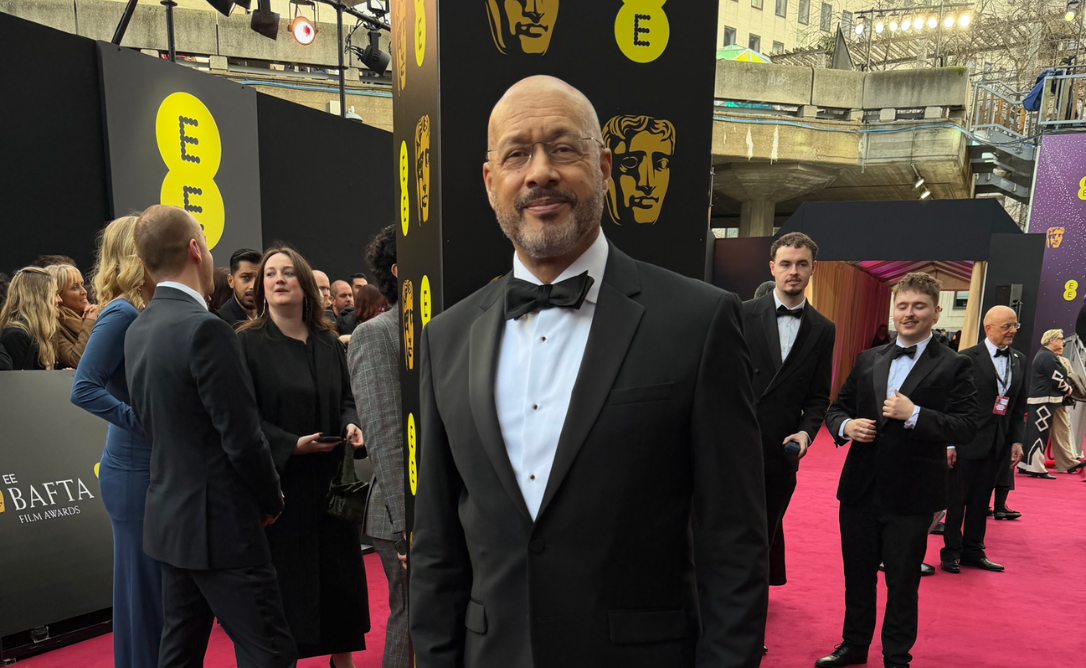
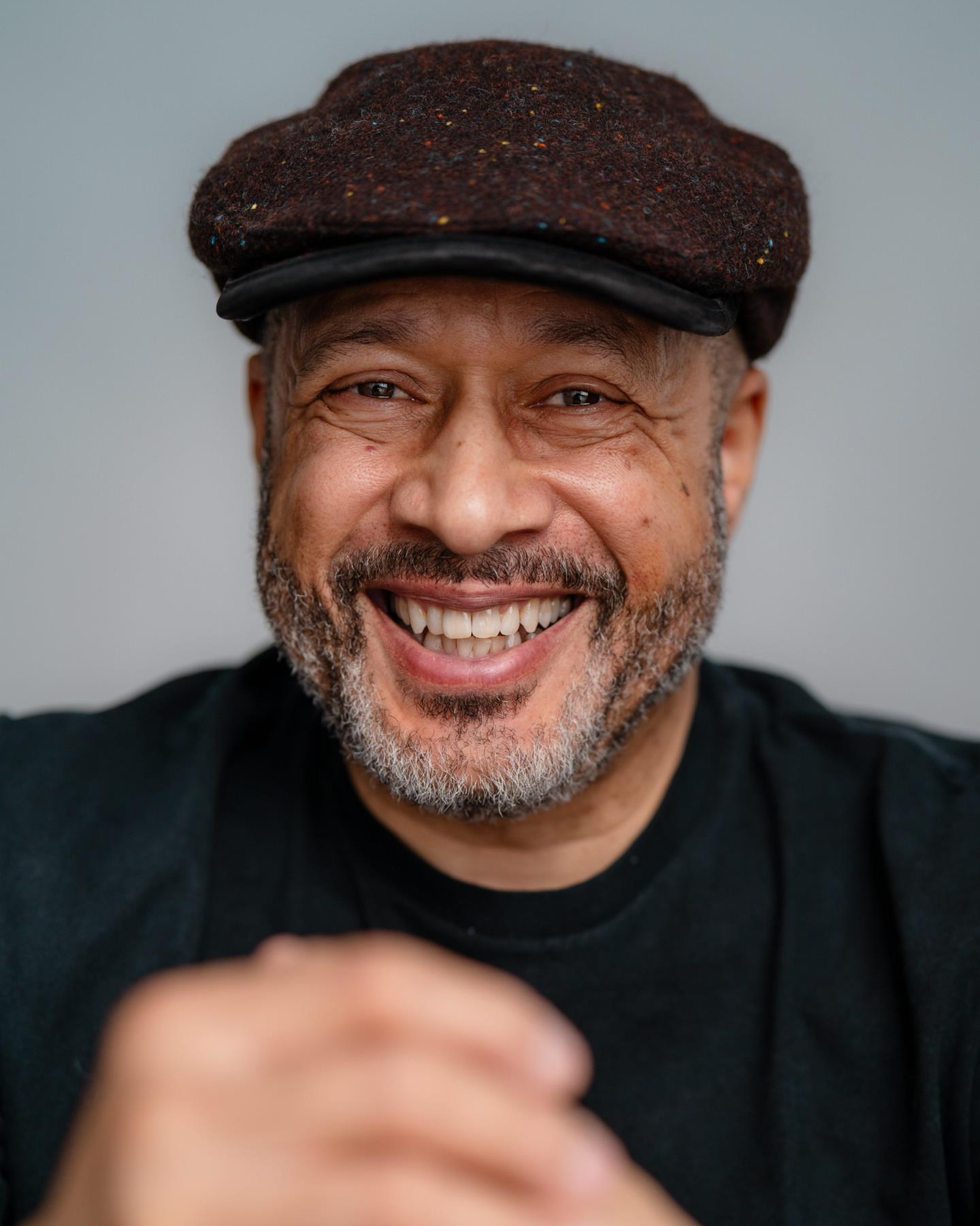
With an unusual path spanning policing, elite sport, theatre, film, television, and voice work, Mark Holden has built a career defined by reinvention and lived experience. In this interview, the Canadian actor and voice artist reflects on the courage of returning to his calling, the richness of working across different performance mediums, and the way his life beyond the arts has helped shape characters with depth, truth, and presence.
Mark, your path before acting was quite unique, including your experiences as a police officer and an athlete. Looking back, how did those chapters of your life help shape the actor you eventually became?
My experiences as a police officer in the Metropolitan Police Service in London from 1981-1987, and the Edmonton Police Service in Alberta Canada 1987-1996 were vast, varied and character building. I was involved in so many different areas of policing which taught me about how to deal with people, from victims of crimes, perpetrators of minor crimes through to serious crimes involving murder, rape, grievous bodily harm. People living in the community that I patrolled that just wanted to chat to the police about issues they were having, suicide victims, lonely souls, people calling the police for incidents that were very sad but that the police didn’t have any powers to deal with, so you ended up advising them to contact a lawyer. I was involved in quite scary situations like riots, IRA bomb explosions……. So I’ve seen and spoken to people of varied economic backgrounds, many ethnic, cultural backgrounds and religious backgrounds.
This has given me such a vast, rich and vibrant collation of knowledge and experiences to pull from as an actor. But funnily enough I think sometimes people in decision making positions for casting films and television don’t fully appreciate the valuable backgrounds some actors have. BUT I do understand that it’s not just about life experience that goes into casting. It’s the look, height, size, hair colour and so on.
You began your professional acting career at a stage in life when many people feel they are supposed to have everything “figured out.” What did that transition teach you about courage, reinvention, and the right timing to follow a calling?
For me I always had many aspirations from a young age about what I wanted to do in life. Acting was something I found at quite a young age (c. 11 years old) when I started doing local community musical shows and pantomimes in Plymouth, Devon around 1972-1974 ish. But I was also very good at athletes, especially sprinting 200m and 400m.
So I had the forethought to put my acting in the back burner, while I concentrated on athletics. I attended the English Schools Championships 3x times, 1976, 1977 and 1979. A friend of mine from The City of Plymouth Athletics Club, which I competed for back in the 70’s joined the Metropolitan Police Cadet Corps. He came back to Plymouth on holiday and told me all about it, especially the sports side, which they did a lot of. So I decided to join up after my exams at the age of 16, and left home for Hendon Cadet Centre in September of 1979. As my friend said we did a lot of sport, athletics, judo, volleyball and so on.
I then went to the Peel Centre in Hendon in March 1981 and studied to be some a police constable and graduated in the July on that year. They placed me at Gerald Road Police Station in Victoria on A Division, which was the same division that I’d spent 6 months as a police cadet shadowing a constable at Rochester Row Police Station. So I competed for the Met Police and British Police on athletics, the highlight was winning a gold medal in the decathlon at the International Police Olympic Games in Austen, Texas USA in 1982. I also skied for the Met Police in the Police World Ski Championships in Trento Italy around 1983/84.
I ended up on the GB Bobsled Team in 1985 and came 16th in the World Bobsleigh Championships Köinigssee in West Germany in March of 1986. In the fall of ‘86 I went to Calgary Canada for pre Olympic training on the new bobsled track there, met a girl and ended up emigrating to Canada in June 1987. I joined the Edmonton Police Service in the November of that year.
I competed for the Alberta Bobsled Team for the next couple of years until I got my Canadian citizenship, competed for Canada for one year, and then retired from bobsledding in December 1990, when I was 28 years old.
I went to the UK to visit my mom and family that Christmas and took a side trip to Stratford Upon Avon to watch some Shakespeare, and decided there and then that my international sporting career was over and that I would start up my acting career alongside being a police officer. So I took several acting, scene study and on camera workshops and courses. Began doing some semi-professional dinner theatre and tv commercials.
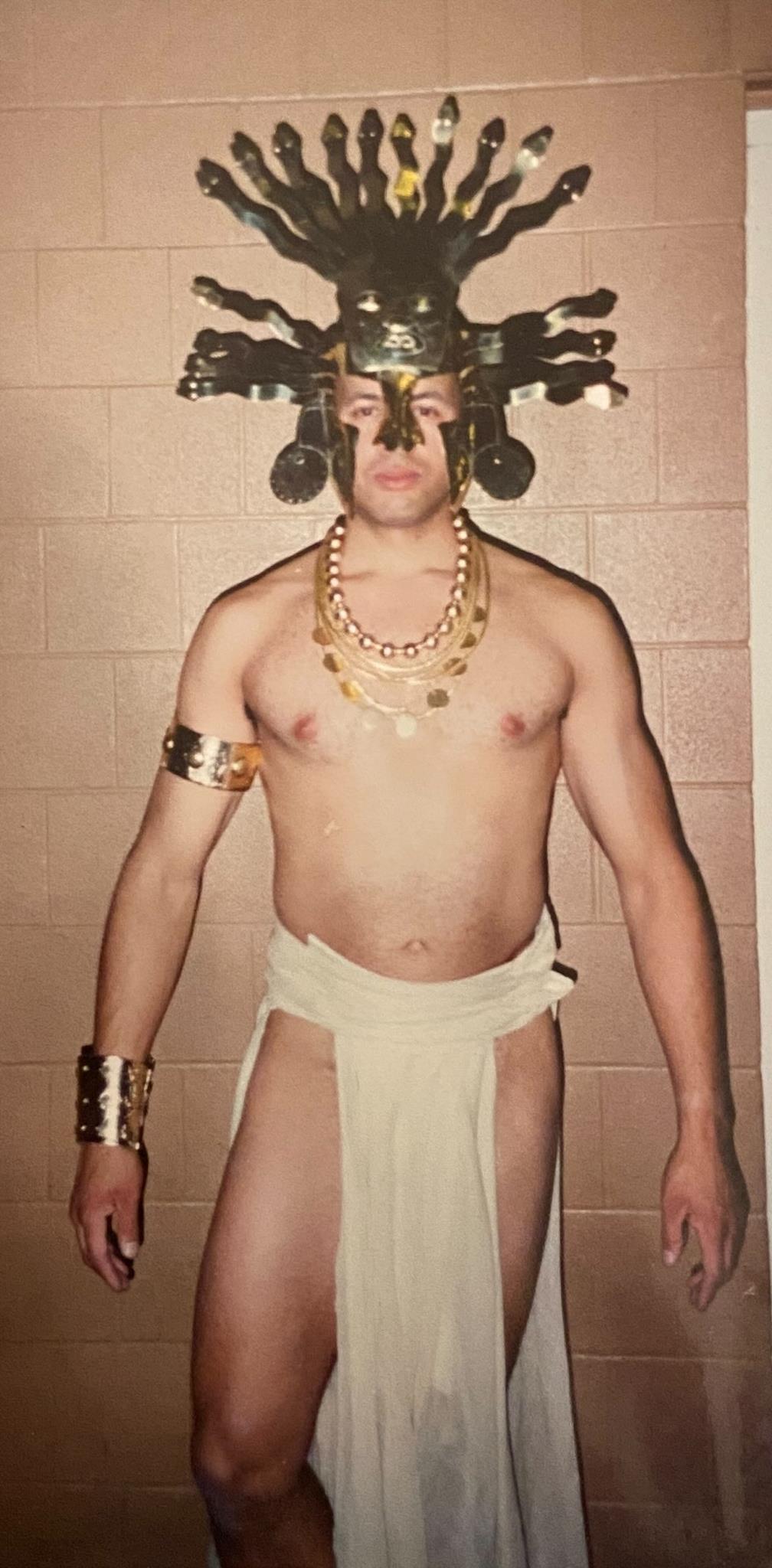
I was then cast as Villac Umu in Pater Shaffer’s play The Royal Hunt of the Sun, and was cast in another 4-5 productions over the next 4 years, and was able to attain my Canadian Equity card. All this whilst being a police officer. In 1996 I landed a movie of the week as a police officer which was shooting in Calgary.
That same year I auditioned for The Prince of Morocco in The Merchant of Venice for the Bard on the Beach Shakespeare Festival and landed the role. So I resigned from the EPS and moved out to Vancouver to do that production along side Much Ado About Nothing where I played Conrad. After the season ended I started my film/tv career in Vancouver and landed roles in such projects as Final Destination, X-Files, Stargate SG1 and Andromeda. Alongside acting I then also became a private investigator licensed in British Columbia, where I used my acting abilities on certain jobs. I also started doing close protection in Vancouver.
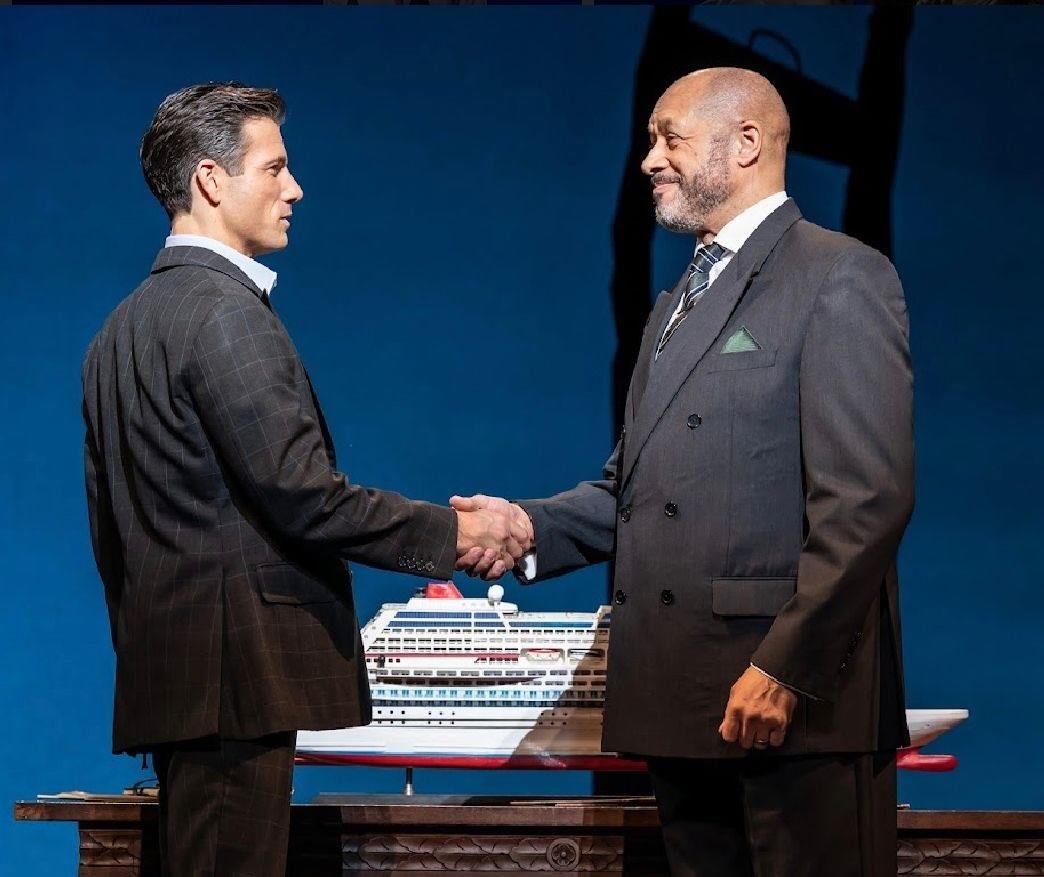
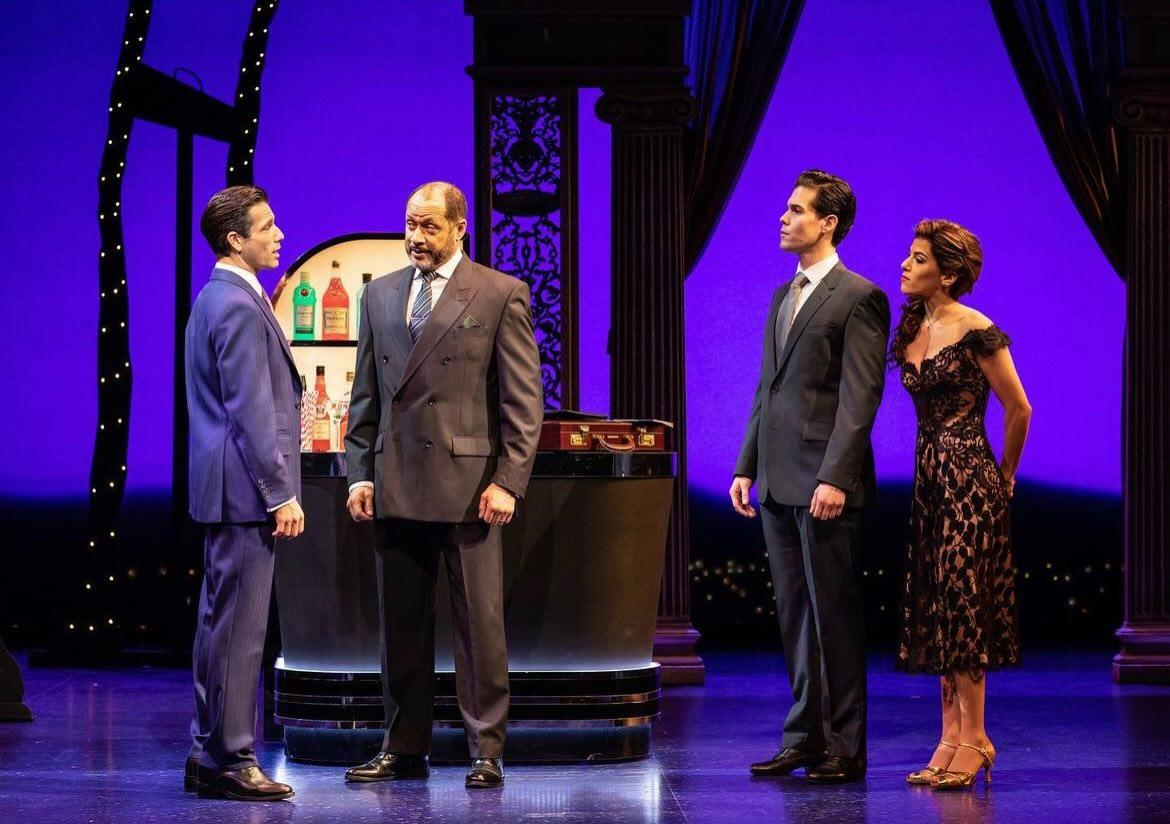
In 2003 I decided to to move back to London, which was more of a hub for acting and security work, which is where I’ve been ever since. I’ve acted in many projects here including television series, films, West End theatre (The Bodyguard Musical and Pretty Woman The Musical), voiced many video games and commercials and have travelled around Europe, South Africa and the Caribbean to do these jobs. I’ve also travelled a lot for executive protection work to similar places as above. So with this life I’ve created I learned many things about a lot of stuff and met many people, which all helps my acting bent.
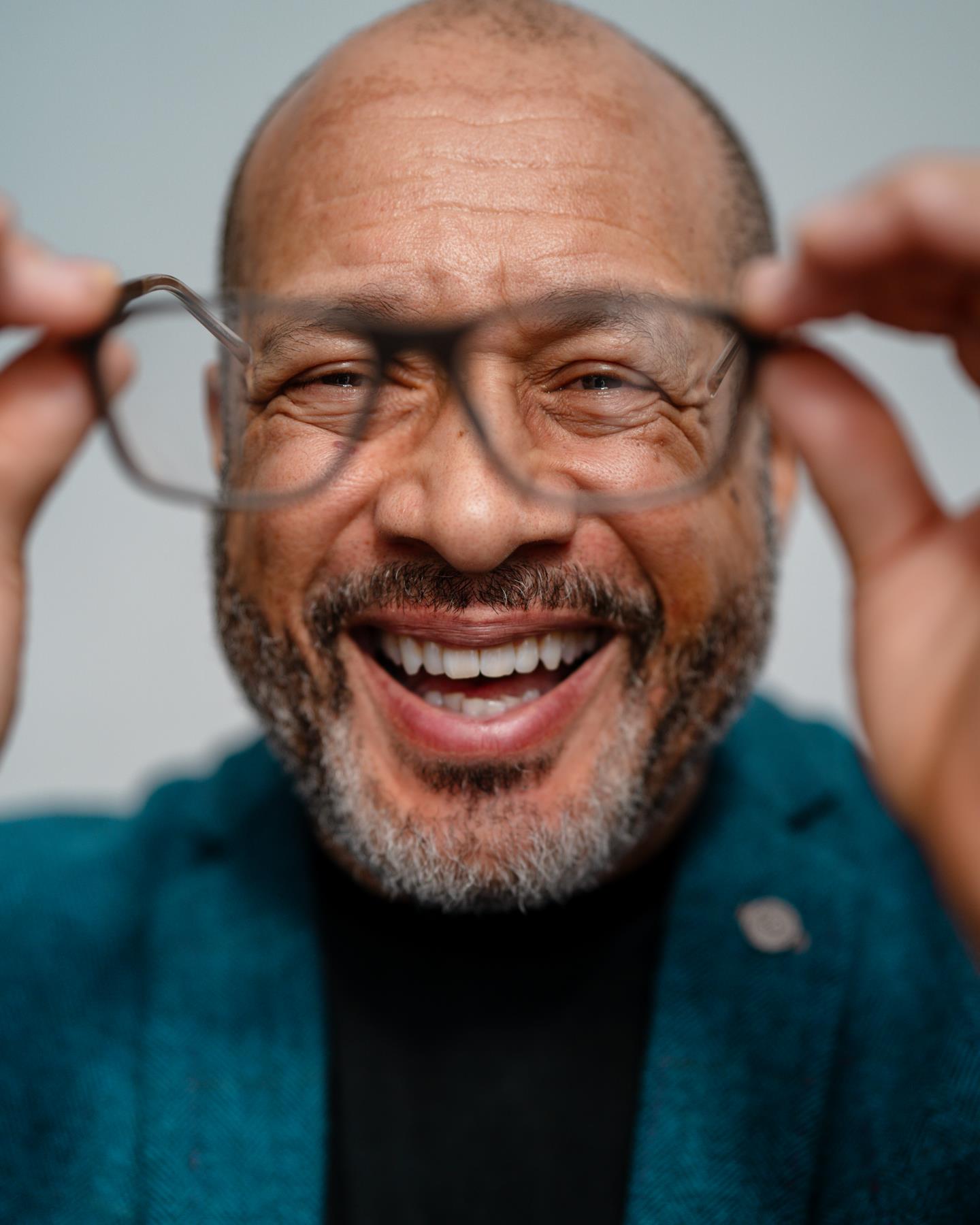
Throughout your career, you have moved between theatre, film, television, musicals, and voice work. What does each of these mediums demand from you as a performer, and which one challenges your way of building a character the most?
All the acting mediums I’ve worked in are slightly different. Theatre gives you the opportunity of performing in front of live audiences every night, and every night can be slightly different, and you can experience slightly new nuances about your character. It makes the adrenaline flow being on stage.
Doing short films gives you the chance to practice your your craft in front of the camera. Low budget films are great to play larger roles and get more confidence whilst doing it. The big budget, Hollywood movies are a lot of fun to be part of if you have the opportunity. Some budgets are so large that they only shoot a page or two a day. Where as low budget and fast moving television series shoot several pages a day and will only do 2 takes and then move on to the next scene whether you’re happy with your performance or not.
Then you have to television series that have big movie budgets, and it feels like you’re shooting a long feature film. I never turn my noise up a doing commercials, it’s another way of practising your craft and can be very lucrative financially. Voice over work is also very fulfilling as an actor if you’re lucky enough to get your foot in the door. I’ve voiced many characters in video games which can be a lot of fun but hard work, especially when asked to die in six different ways. Then you get the narrative voice over work for television documentaries and television commercials.
I guess one of the challenging parts of acting is in a television series or feature film if you get a lead or supporting lead role of creating your character arc and keeping the character within the scoop of who the character is. Because the camera never lies, so you need to be believable in front of it. Although live stage also carries baton for challenging experiences.
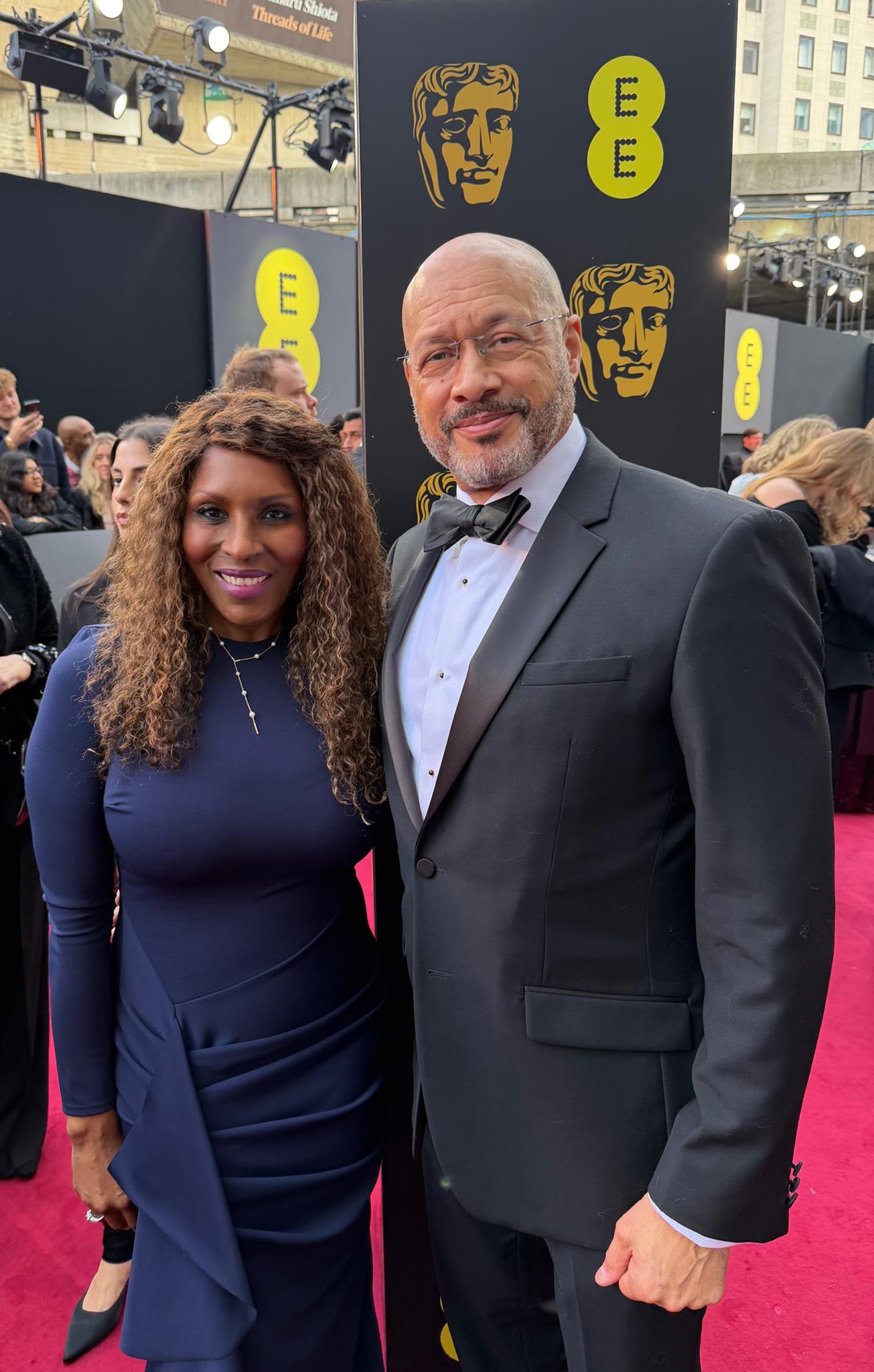
You appeared in the third season of His Dark Materials, HBO’s adaptation of Philip Pullman’s work. Beyond exploring deep philosophical, political, and spiritual conflicts, the series also became a much-loved fantasy among fans. What was it like to be on the set of such a large-scale production, surrounded by such a talented cast and by a story that carries so much meaning for its audience?
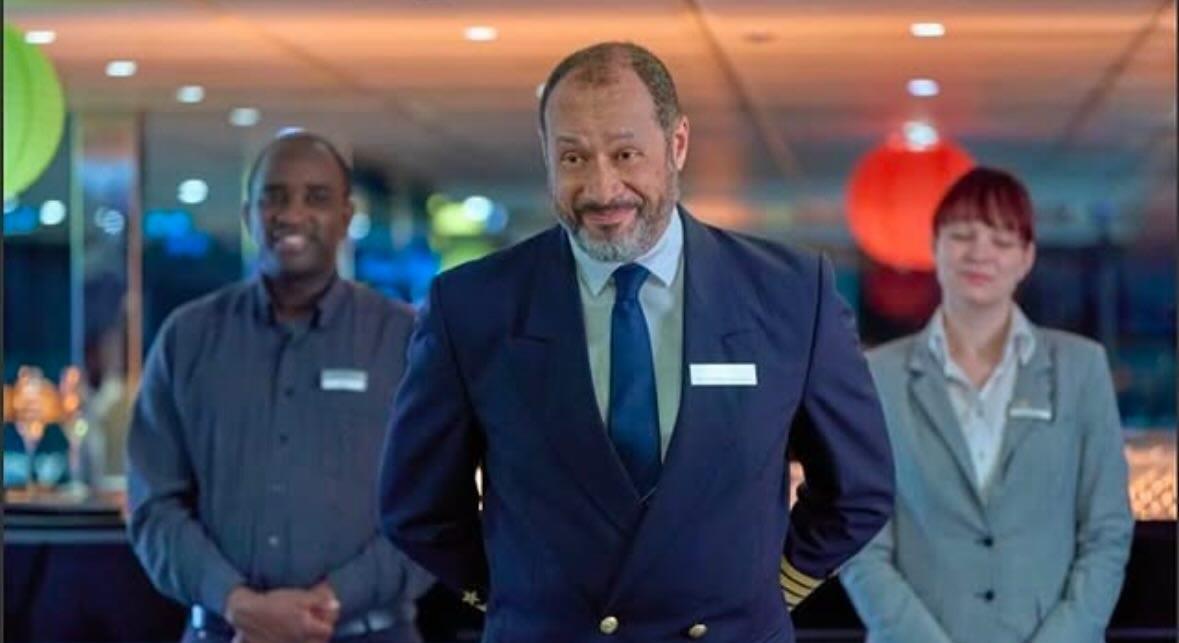
I had a great time on His Dark Materials set, because I was fortunate to work with the two young lead members of the cast Dafne Keen and Amir Wilson who were both wonderful on set, and actually spent time talking to me about life as an actor. Although it was a smaller scene that I was in, it felt good to be part of the overall cast on that production. The makeup was interesting, because I was one of those who was in limbo between life and death, but worked there taking people’s tickets and sending them on to different areas for transportation onwards. My wife Patsy McKay and I watched all the series and enjoyed it.
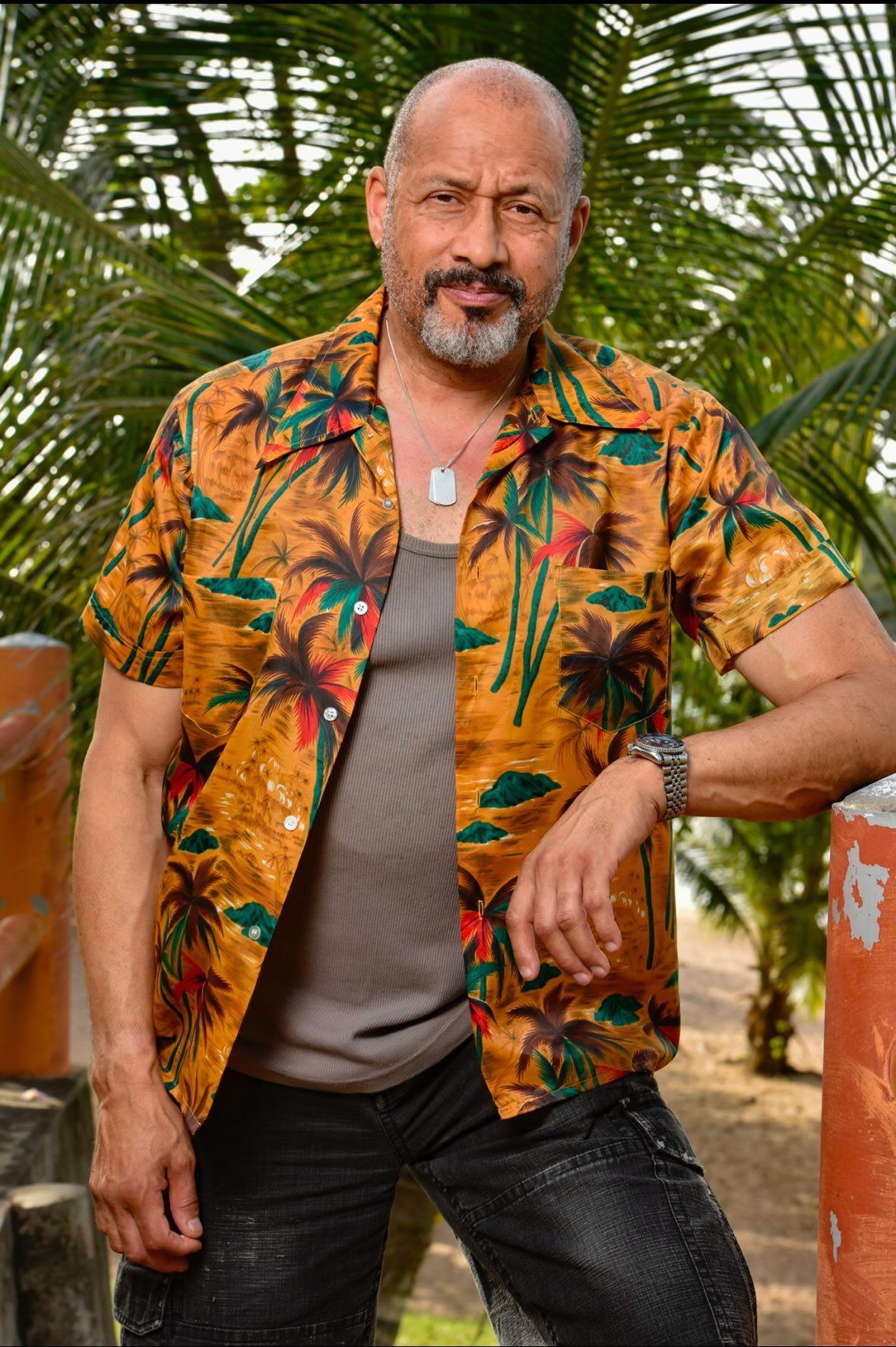
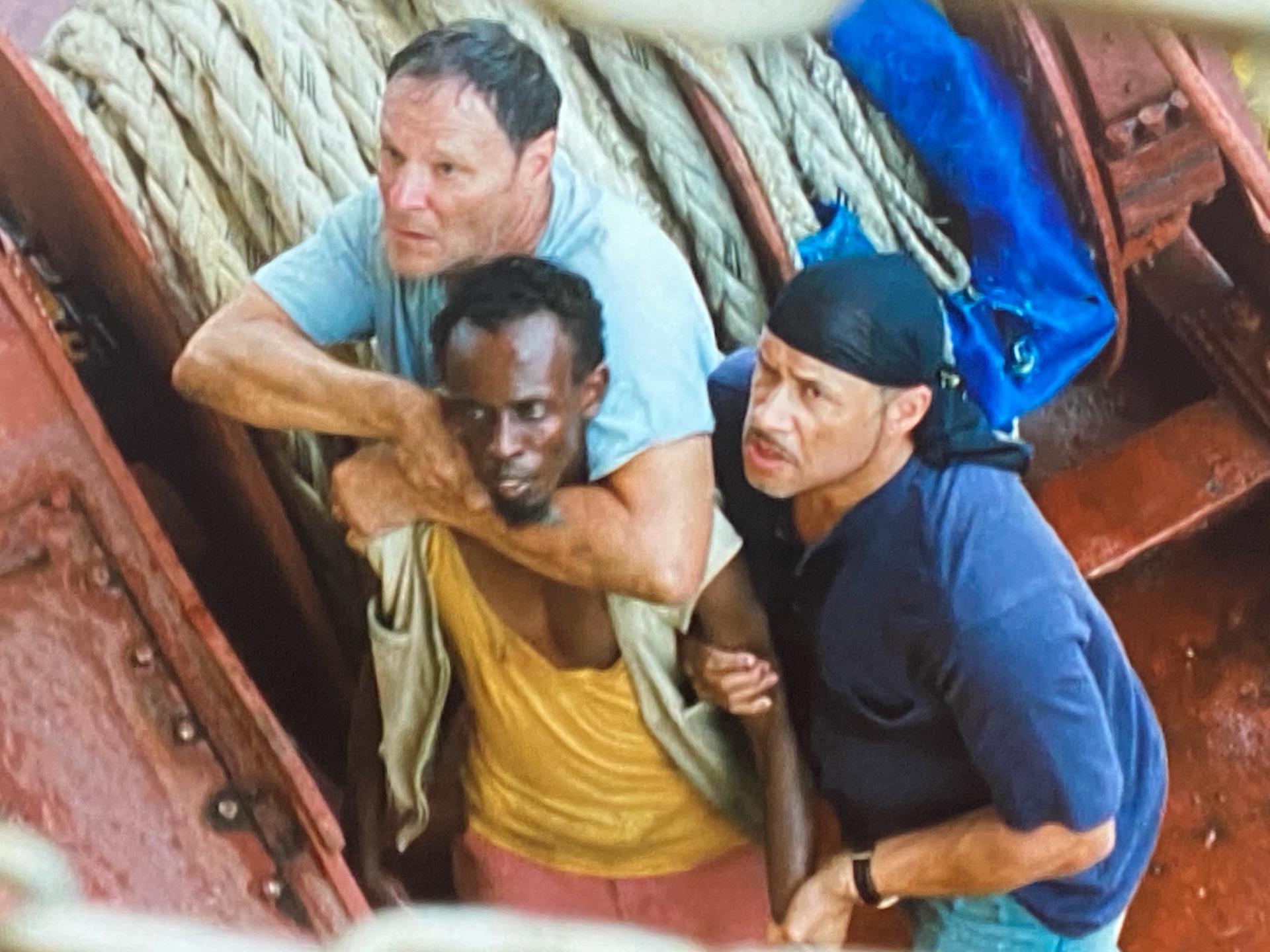
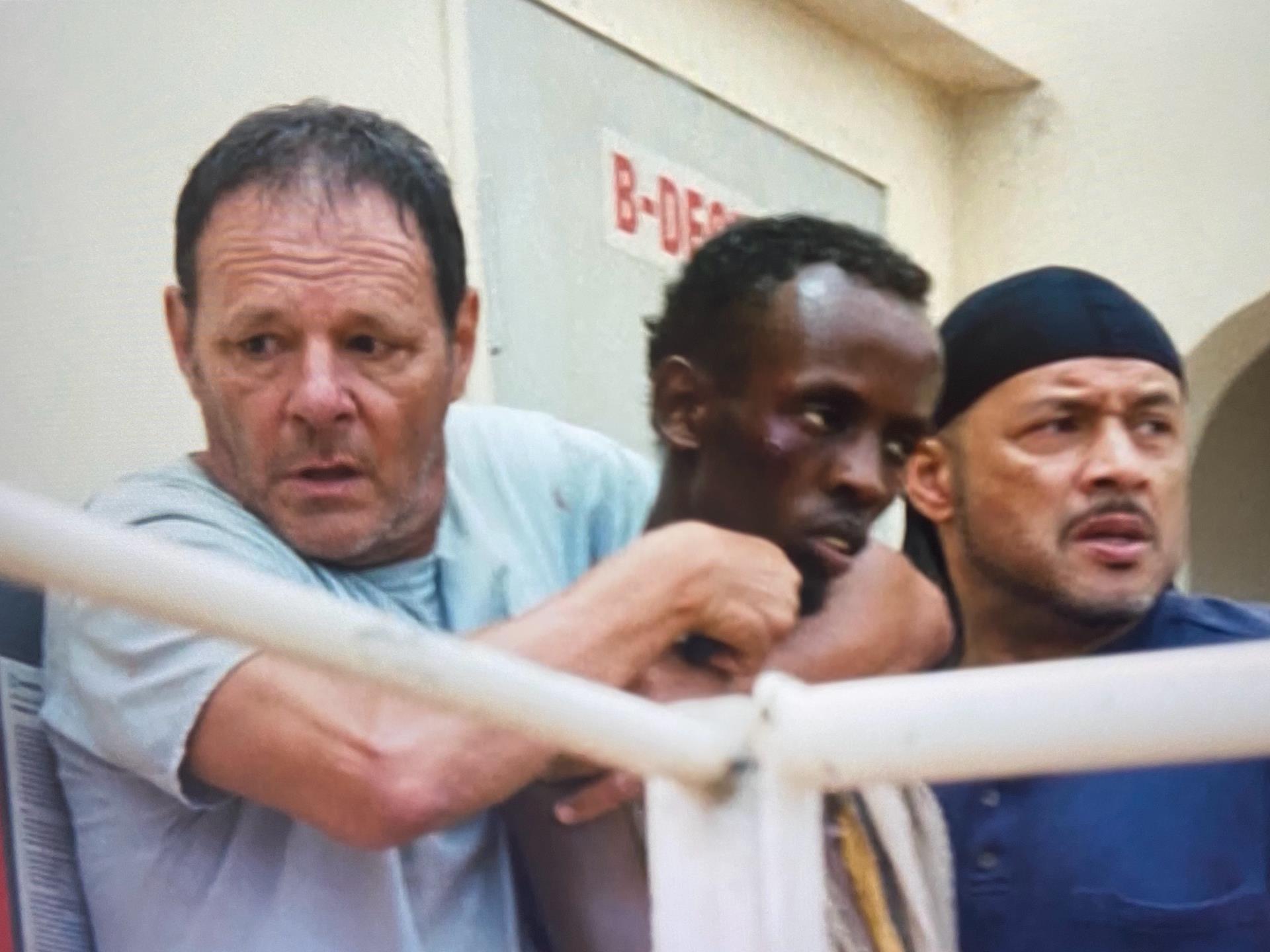
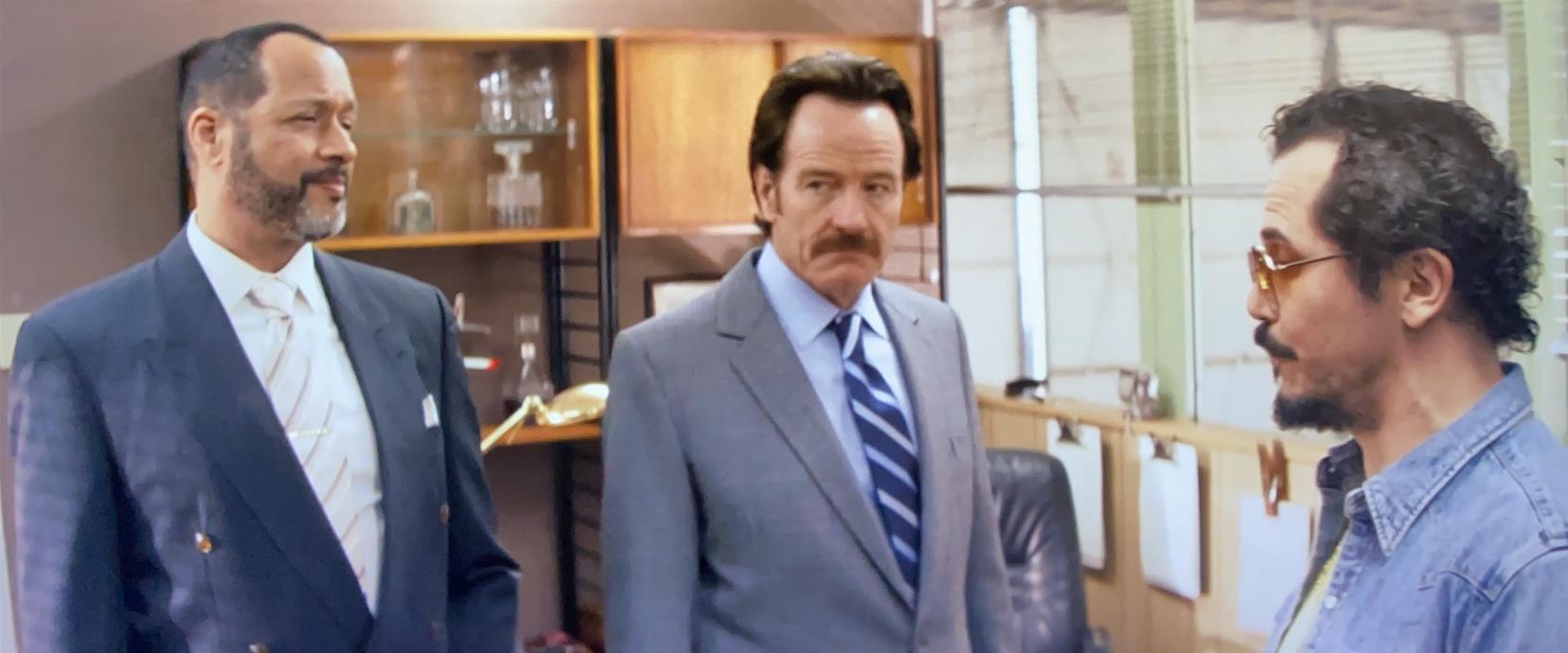
In productions such as Captain Phillips, World War Z, The Infiltrator, and Deep State, you have been part of very intense narrative worlds, often connected to tension, power, politics, and survival. What attracts you the most to characters placed in these high-pressure environments?
These high powered deep state other worldly productions attract me because part of my life already lives in that chaos, through having been a police officer and currently being a close protection operative. A lot of my work has been with CEOs and other high ranking executives on boards of global companies, Middle Eastern Royal Families, departments of the British government, and high net individuals. I’ve travelled many times to Sub-Saharan Africa doing protective security work, around Europe and the UK. So it’s not alien to me being part of this type of film. I’ve played many figures of authority in productions. It’s nice to play something completely different to be honest, a bit of comedy etc….
Your voice work is also very extensive, including video games, documentaries, ADR, and campaigns. When an actor cannot rely on the body or facial expression in front of the camera, what becomes most important in bringing a character to life through voice alone?
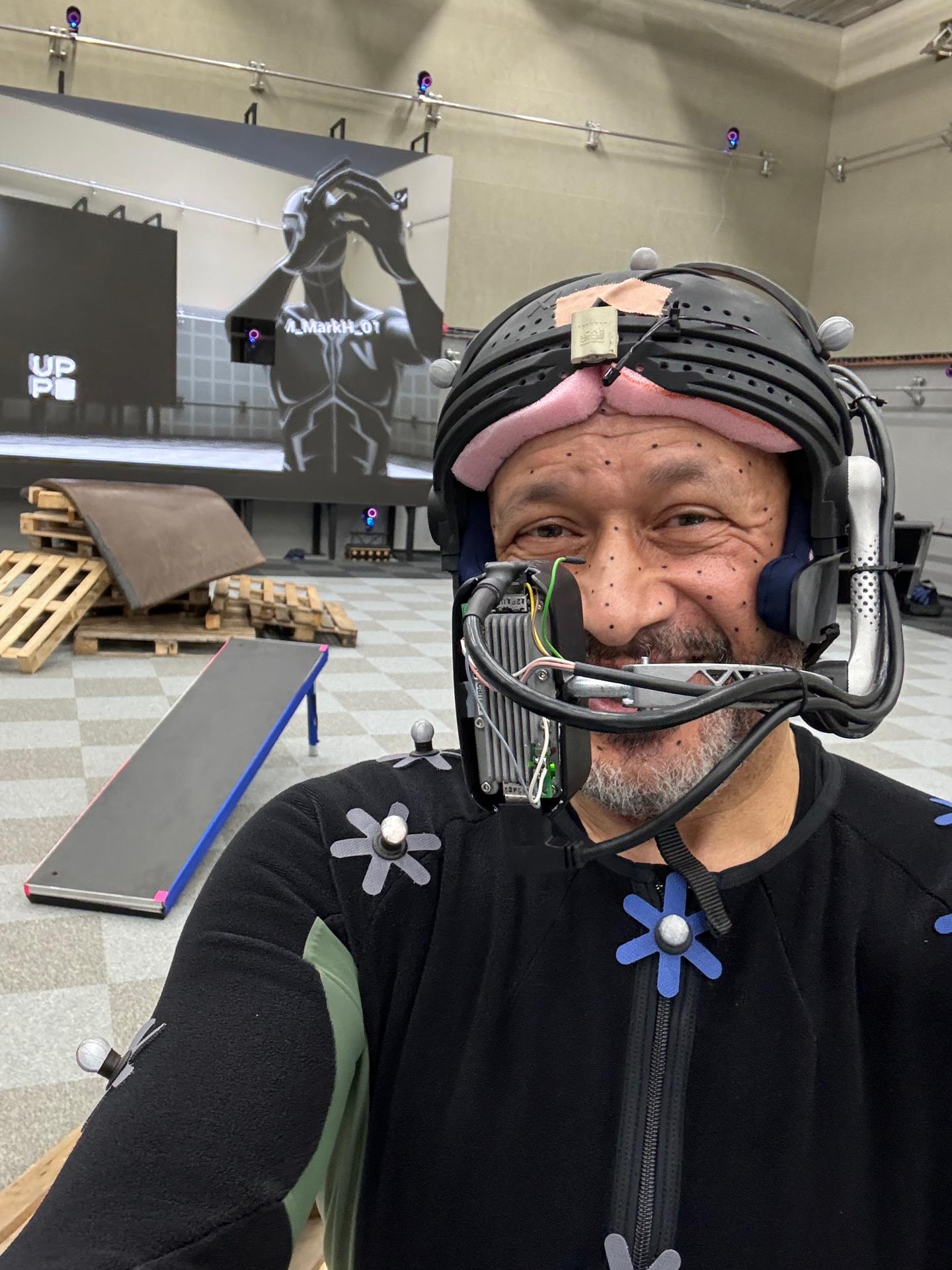
I’ve been told by a few voice directors during voice jobs that they prefer theatre actors as they have a slightly better grasp of what is needed to portray characters with voice only. I guess because as a voice actor one needs to be more animated than a lot of on-camera roles that one plays in television and film. Theatre actors are more animated when playing roles onstage. I tend to told my hands at waist level and move around a lot without making too much thudding sounds on the floor of the booth. Trying out new voices with your mouth, tongue, airway especially when playing multiple characters can be challenging but fun. Voice acting, keeps your chops acting fit when other things are slow.
Besides acting, you also wrote, produced, and starred in The Double Deal, a short film about gambling addiction. What motivated you to tell that story, and how did producing your own project change your relationship with storytelling?
I always wanted to write and produce my own work. What inspired me for writing The Double Deal was my run in with gambling when I was in my 30’s. I was quite out of control, but luckily never spending my rent/mortgage monies but maxing out my credit cards etc. I felt that I needed to to write a short film about it, which was part of giving self help to myself. It felt good to put it to paper, see it through to fruition and then win awards an international film festivals. It was a lot of sweat and hard work which I financed myself, but I thought at the time, this may be one of the only times that I have full control over a project. The Double Deal short film can be viewed on YouTube.
Follow Mark Holden on Instagram