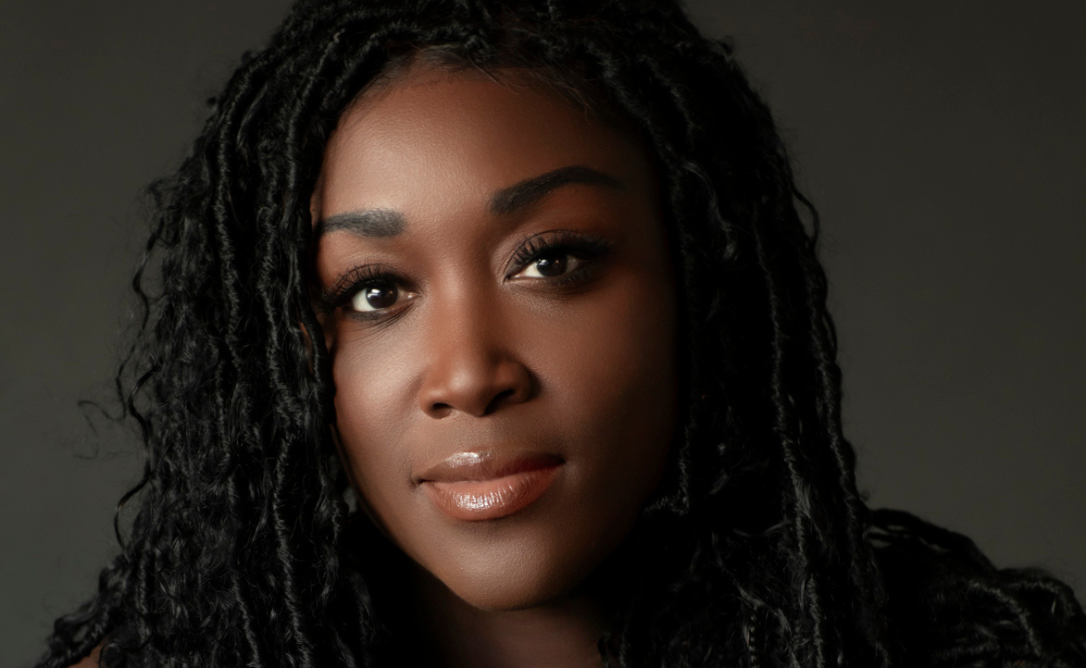
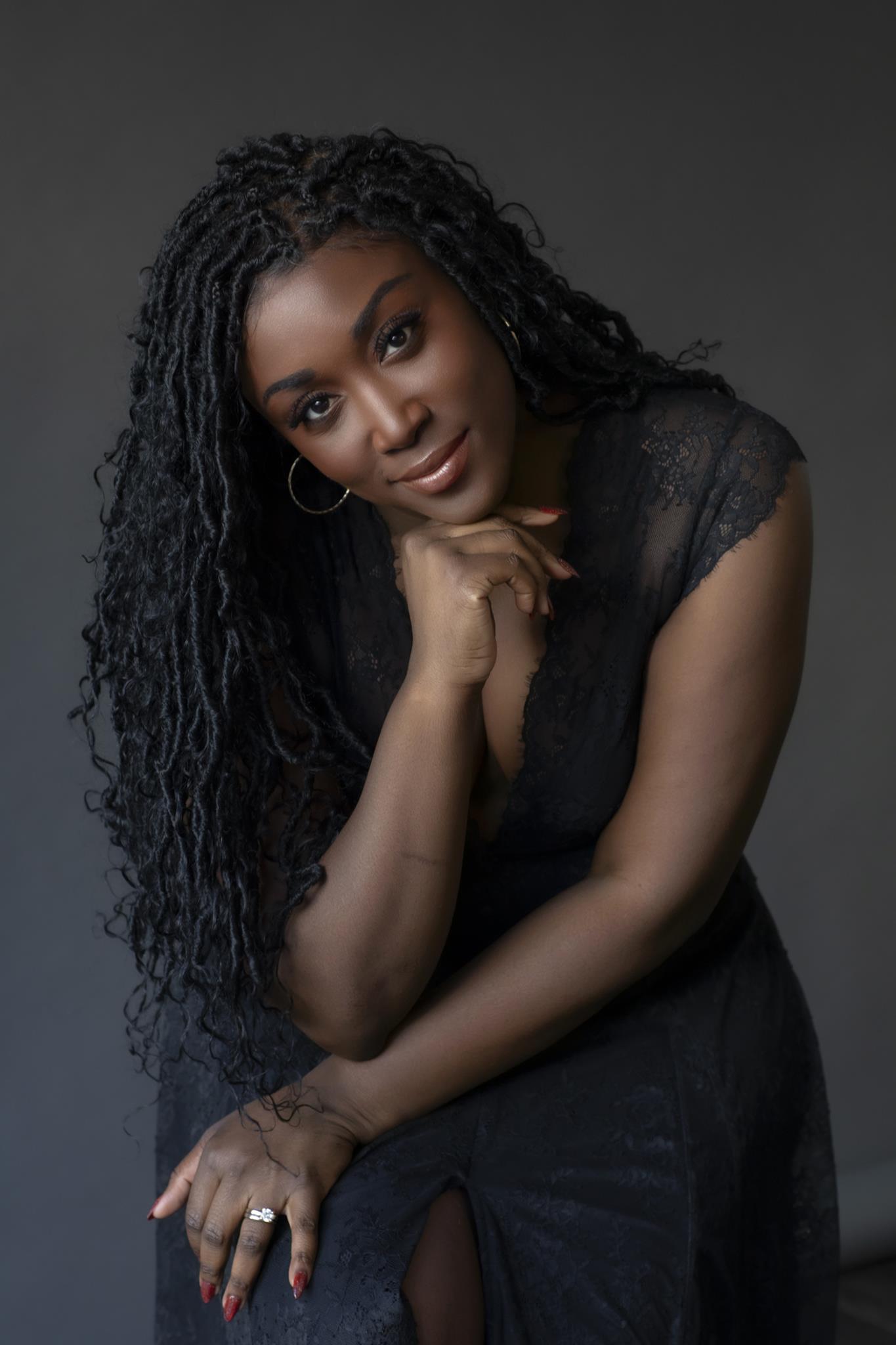
In Bull Street, Malynda Hale brings LouEster Sadie Gibbs to life in a story shaped by questions of privilege, legacy, and belonging through a deeply human lens. In the interview, the actress, producer, and director reflects on identity, Black experience, amplifying voices, and her desire to build stories that normalize marginalized lives while still holding space for depth, warmth, and authenticity.
In Bull Street, you play LouEster Sadie Gibbs in a story that places privilege and legacy in direct conflict. What drew you most to this character and to the world of the film?
LouEster’s relationship with the grandmother hooked me immediately. It reminded me a lot of the closeness that my mom and I share. Watching her navigate this fight for her family’s home and the way her strength showed up in that fight was something I connected to deeply. The world of the film itself sits with something a lot of Black families know intimately — having land that was earned and lived on for generations, suddenly vulnerable because the system never bothered to protect them.

The film has already screened at major festivals such as the Pan African Film Festival and the Sarasota Film Festival. What has it been like to see Bull Street finding its audience on the festival circuit?
It’s been great hearing how people responded to different parts of the film. This is the biggest role of my career, and watching it resonate with audiences who have no personal investment in me, who are simply responding to LouEster and her story, was really special to witness.

Your career moves across acting, music, podcasting, and original projects like Black Voices Heard. How do those different creative languages connect in the way you tell stories?
I think of them less as separate skills and more as different rooms in the same house. Music has always been my first love. Acting is where I get to step into someone else’s shoes for a little moment in time. Black Voices Heard and my podcast are where I get to just listen and then share other people’s stories. Everything comes together for me. The discipline I learned writing songs shows up in how I craft something from a filmmaking standpoint. The empathy I built playing other people’s characters shows up in how I interview someone for Black Voices Heard. It’s all the same muscle, just flexed in different directions.
You also recently completed production on Au Gratin. What does that new project represent for you at this moment in your artistic journey?
Au Gratin really solidified how much I love the process of making film. This is my second short as a director, and getting to lead such a great cast through this story flipped something in my understanding of my own capability behind the camera. It’s already had a strong festival run, and this August it screens at the Martha’s Vineyard African American Film Festival, which qualifies for the Oscars. That milestone matters so much to me because it’s validation that the stories I want to build behind the camera are ones other people want to watch.

Across your work, there seems to be a strong dialogue with themes of identity, Black experience, and amplifying voices. What moves you most about exploring those subjects?
It wasn’t really until my later years that I understood how Black people have always had to study whiteness just to move safely through the world, while white people rarely have to study us back. That imbalance shaped how I see almost everything, and it’s the reason amplifying Black voices feels less like a creative choice and more like a responsibility. What moves me specifically is the chance to give people a fuller picture than the one they’re usually handed. Statistics and headlines are a reductive way to see people. But experiencing them through storytelling humanizes them. Every time I get to do that, through a character, an interview, or an essay, it feels like I’m correcting something, even if just in a small corner of the world.

Beyond your artistic work, you also speak about female empowerment, motherhood, interracial relationships, progressive Christianity, and veganism. How do those lived experiences shape the woman and artist you are today?
All of these parts of my life inform everything that I do. They are all connected. As much as I love being a multi-hyphenate, I also love having layers to what makes me and what I’m passionate about talking about. At the end of the day, whether I’m talking about motherhood, my marriage, my faith, or my ethical stances, I want people to know that all the choices I make and the values I hold are rooted in empathy, love, and compassion. And that everything I do comes from a place of authenticity.
Looking at this stage of your career, what kinds of stories do you most want to tell, and what kind of impact do you hope they leave?
I want to keep building stories that normalize marginalized groups’ experiences. I want to share things that are funny and deep. There’s a big spectrum of stories and narratives I want to cover but they are all deeply human and made for anyone to connect to. Directing a feature is next for me. My husband just finished writing the feature for Curtain Call and I won’t stop until I can get it made. In general, I want to create stories that when someone walks away from them they were able to empathize with someone’s experience that doesn’t look like them but still felt familiar. That’s what matters to me.
Follow Malynda Hale on Instagram