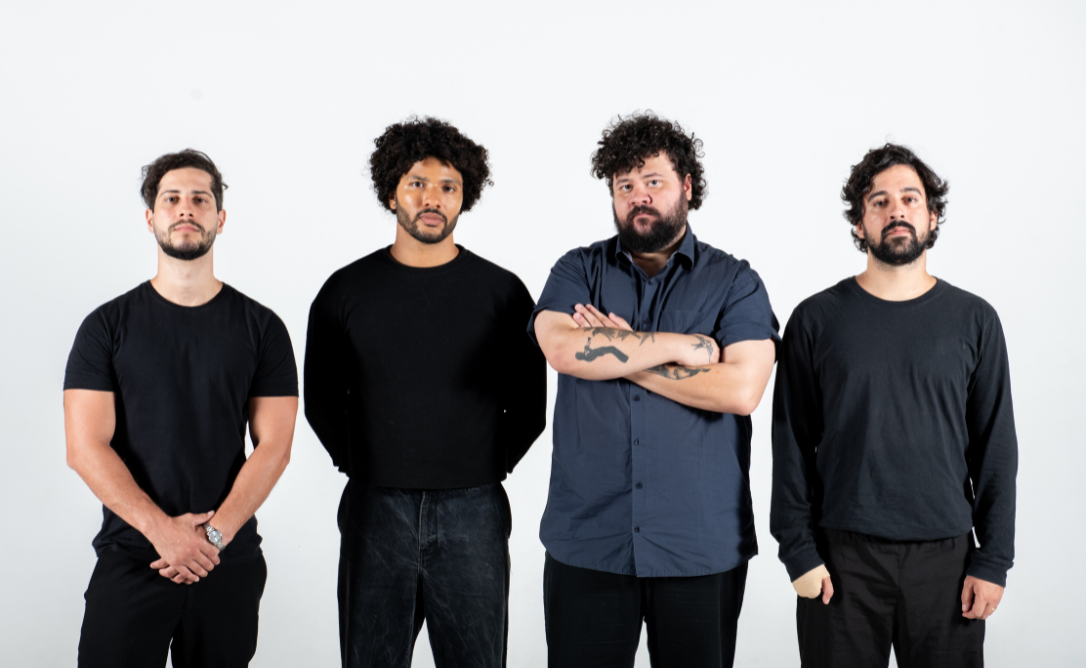
Between the opportunities of a large metropolis and the inequalities that become part of the daily landscape, Zimbra found inspiration for a new facet of their music. With a release date set for August 28th, “Animal Ferido” (Wounded Animal) was born from vocalist Bola’s experiences after moving to São Paulo and presents a raw and direct rock sound reflecting on the contrasts of a city capable of both fascinating and unsettling. In an interview, the band discusses the decision to address a social issue more explicitly, the care taken not to normalize surrounding inequalities, and the new creative phase in which they are taking on greater protagonism over their own musical production.
“Animal Ferido” (Wounded Animal) was born from Bola’s first impressions upon moving to São Paulo, a mix of enchantment, discomfort, and discovery. At what point did this urban experience cease to be merely a personal experience and become music?
I think every experience of mine is born with the potential to become a song at some point, from the very first second, because that’s how I see life. There are things I can and want to translate in that moment in that format, and others that mature over the years. “Animal Ferido” was completely spat out, without asking permission.
The song talks about the contrasts of a large metropolis, where very different realities can coexist on the same street. What struck you most about this clash between plurality, inequality, and routine?
I think that’s precisely it, the fact that we live and see so much good and bad in equal measure, at the same time, all the time, and often fall into the trap of normalizing it simply because it repeats itself thousands and thousands of times. I constantly monitor myself to avoid treating this inequality as normal and also try to take advantage of the plurality that the city has to offer.
You mention that the music also stems from a refusal to normalize certain negative contrasts in the city. How can one maintain a sensitive perspective on problems that daily life insists on turning into part of the landscape?
It’s difficult, I don’t even know exactly how to do it, but I do know that I have my convictions about what I think is right and what I think is wrong – fair/unfair – and I try to maintain that standard daily in my life so I don’t fall into the trap of suddenly seeing this kind of thing as normal. It’s difficult because the repetition of these scenes is brutal, but I consider it necessary for me to always police myself so as not to accept this as normal.
“Animal Ferido” seems to convey a sense of insignificance in the face of the city, but also a constant search for opportunities to be happy. How does this duality manifest in your experience of São Paulo?
I think that when we arrive in a large metropolis, we can see much more easily in our daily lives the smallness of our existence and the fragility of life. We leave our “small town” bubble and start living in a very different universe. Here, everything is much more intense, for better and for worse. It’s exhausting and chaotic in the same measure that it’s rich and fun. Our smallness is revealed when it clashes with this quantity of daily events, which don’t ask permission.
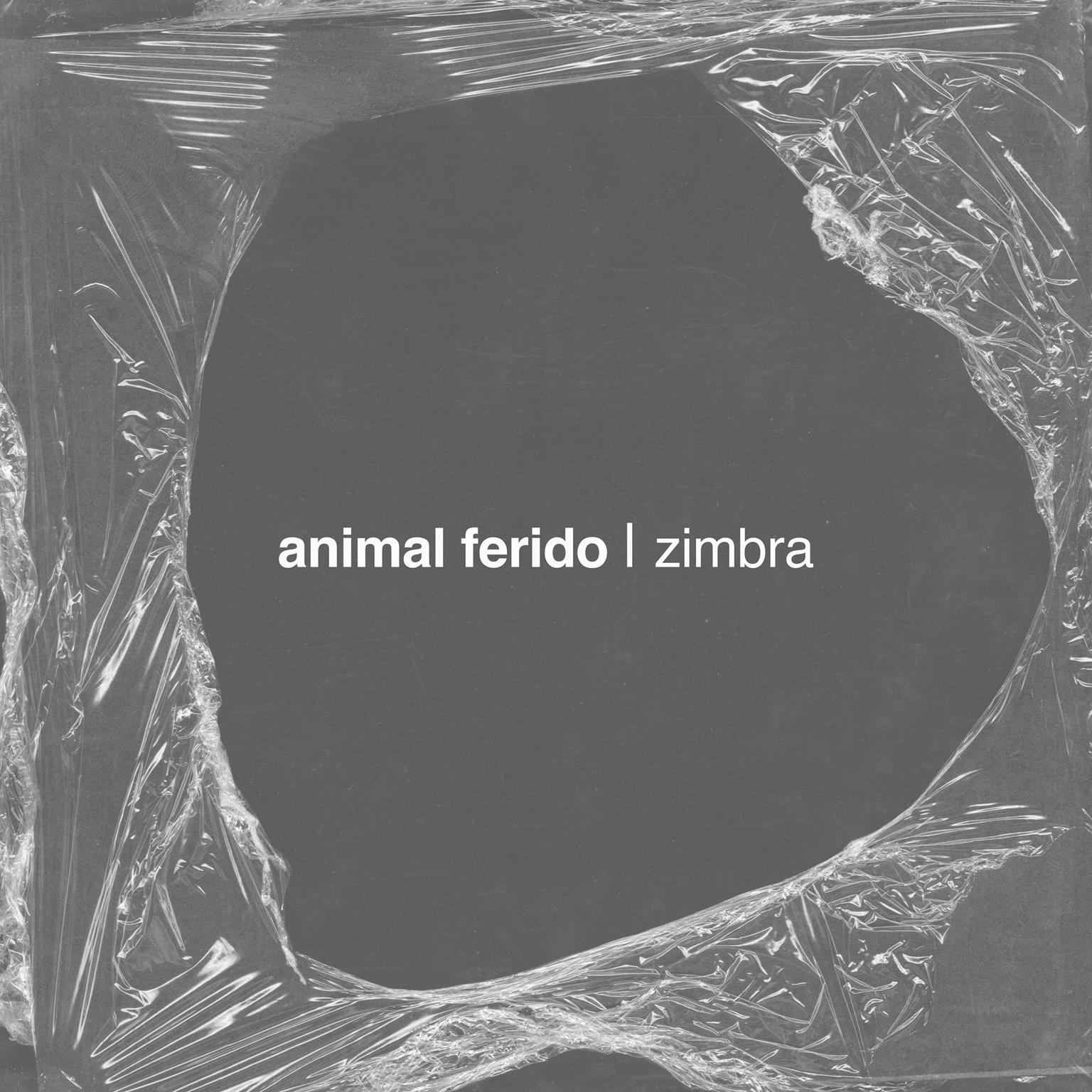
Musically, the band defines the track as raw and direct rock, just like its message. Why was this sonic simplicity the most honest way to tell this story?
I think firstly, it was very natural for the composition itself that the music would be like that, and secondly, I think it was inevitable that the instrumental part would follow the raw and direct idea of the lyrics; the music unfolds and what’s happening is this very raw and direct message.
Zimbra has always expressed its perspective on the world through its songs, but now it addresses a social and urban issue more explicitly. What has changed internally to allow this theme to gain such centrality?

I think that as a composer, the changes in my life and daily routine made it inevitable that I became more exposed and more willing to talk about things that I wasn’t so exposed to when I lived outside of São Paulo. And as a band, for us personally, it’s almost natural to address certain issues as we get older and see the world in different ways.
After five years signed to a record label, the band took on the production of the track alongside Bruno Pelloni and André Calvão. How did this creative freedom influence the sound and intention of “Animal Ferido”?
It was great and enriching to spend 5 years at Midas Music; we learned a lot from the people we worked with, but it’s also great to challenge ourselves again to produce our own material. Before joining the label, Zimbra already had 3 albums and several singles/EPs that the band always produced in collaboration with other producers. At Midas, it was no different; we were always involved in all areas of what we did. What has changed now is that we are completely in control. André and Bruno have always been people who, directly or indirectly, participated in many things we’ve done since the beginning of the band, so it’s very easy and enjoyable to work together again. We’ve had a great rapport for many years, which greatly facilitates the recording and production process.
The song invites the audience to reflect on what we choose to see and what we insist on normalizing. After listening to “Animal Ferido,” what kind of discomfort or awakening would you like to leave in people?
I think that ultimately, my wish with this song is that people strive and watch themselves so that they never fall into the daily trap of normalizing things like social inequality and the way we see others. It’s difficult because life swallows us up and most of the time we don’t even think properly, we’re just there doing what we need to do to survive. And I think this song was born so that, first and foremost, I could always remember to watch myself, and going out into the world, my wish is that this reminder stays in the minds of those who listen to the song as well.
Follow Zimbra on Instagram