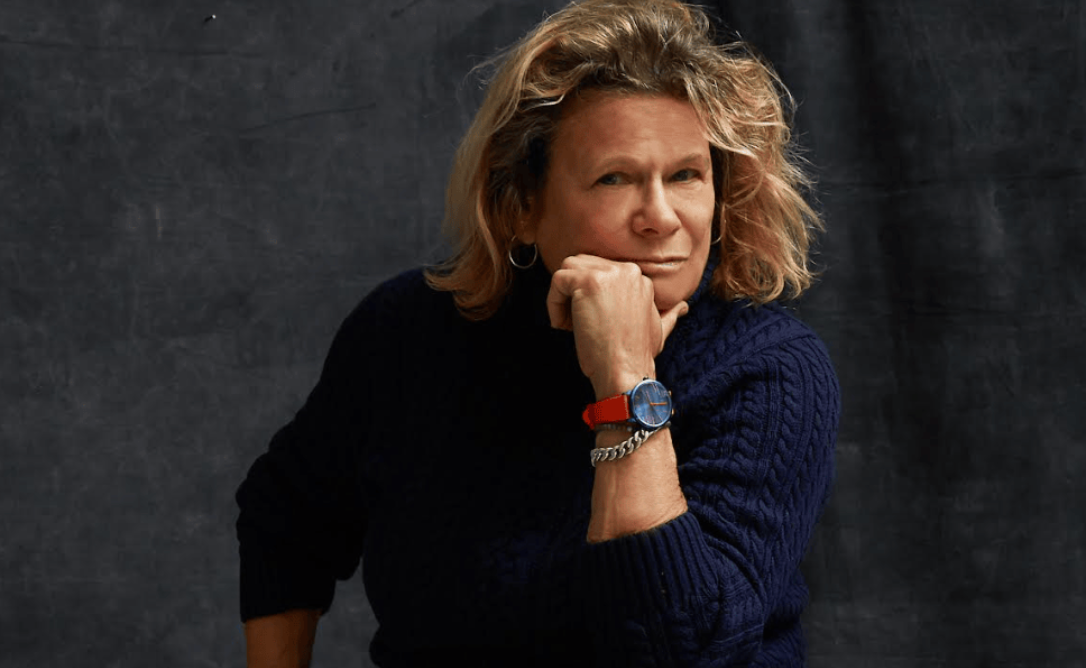
For decades, Denise Marsa refused to let the music industry decide when her opportunity was supposed to arrive. After experiencing early career success as a vocalist on songs she had not written, the American singer-songwriter moved through publishing deals that fell apart, changing teams, unmet expectations, and an industry that has often tied women’s futures to youth. Rather than walk away, she chose to build her own path.
Now, with nine consecutive Top 10 entries on the UK Commercial Pop Dance Chart, including “Ever Die (Until Dawn Remix)” reaching No. 5, Marsa is experiencing a new chapter of success with music that also carries her songwriting, production, and artistic vision. In the interview, she opens up about starting her own label, refusing conditions that would compromise her integrity, learning to stop measuring her career against the industry’s clock, and the belief that has carried her through it all: “If you give up, you are done, but if you keep going and keep believing you just may have your chance, your shot, your moment in the sun.”
You first experienced chart success as a vocalist on songs you did not write, but decades later you have achieved nine consecutive UK Top 10s with music you wrote, produced, and performed yourself. What changed emotionally when success finally carried your authorship as well as your voice?
It’s been such a very long journey, with moments of time to celebrate. Internally I felt relieved and proud of myself for having the energy to never give up, to always believe in myself, and to be grateful for having the determination to keep going and to be able to attract a solid team, while at the same time building a strong catalog of songs and recordings. Emotionally, my will got stronger and I became less attached to the past.
You have said that when you entered the music business, women were told that “it’s all about being young and sexy.” At what point did you realize you had to stop measuring your career against the industry’s clock and start defining your own timing?
It was after my first two publishing deals fell through. I was so excited to be signed and I felt like this is it. Then stuff happened and the key people who supported me left the company. That was a blow. I was expecting big things to happen, and quickly, but then I realized success usually comes with conditions. Conditions I was unable to abide by without compromising my integrity and my peace of mind, which have always been the most important things to me. I had publishing deals, and even a label deal, and yet expectations never came to fruition. There were people coming in and out of my career, I had no real steady team. It was in the late 90s when I realized there was no longer a conventional music biz timeline for me. I was past the typical industry signing age, and it felt like, OK, let’s just go 100% in the direction of what and who I am as an artist, no one chiming in; let’s see what happens. Starting my own label, KeyMedia Group, was the first step in the later chain of events that created the big change. For the first time, I was 100% in control of my art and all that surrounds it. I believed my time was yet to come, and perhaps my success would be focused on focusing on writing the best songs I was capable of and “not giving up.”
“Ever Die (Until Dawn Remix)” reached your highest chart position yet at number five. After so many years in music, do new career highs still bring the same excitement, or do you experience success differently now?
I am exactly like I was when I first started. I wanted Ever Die to go to #1. I felt we could get there this time. That says a lot about how my expectations have remained high. It’s always been about the songs, and my voice together and the sound together. I also know at this stage, with the consecutive hits, 9 top 10 on the UK Commercial Pop Dance Charts, I am an anomaly in the music industry. I’m not sure who else has had success very early in their career and then, after a journey like mine, this late in their career. It’s my story.
There is a persistent narrative that artists need to have their major breakthrough while they are young. What has your journey taught you about creativity, ambition, and artistic confidence that you may not have understood in your twenties or thirties?
Again, I feel that I am a one off in some ways. I’m not sure that too many others would have or could have stayed in the game as long and as persistently as I have while striving to work on my skills. I always would say to myself, “This is my life and I must drive it, direct it. Others cannot tell me what to do with my life and when to do it”. In the end, I am a defiant person. My journey has taught me that if you give up, you are done, but if you keep going and keep believing you just may have your chance, your shot, your moment in the sun.
Beyond performing and songwriting, you produce your own music and run an independent label and PR company. How much of that control came from creative choice, and how much came from having to build opportunities that the traditional industry was not offering you?
Great question, especially the latter part. PR is expensive, and when I released my debut album SELF, I had no idea how to do publicity, however I was a good communicator. I had a keen eye for marketing and ways to set out campaigns, so I handled all my own PR (using a different name) and then it grew. Eventually I created KeyMedia Public Relations. I also took time to build my company and to start earning. Making that first album put me in debt, and when I finally got out of it I said never again! I was never going to allow myself to be in debt again. I had some opportunities and made some decisions that would prove to be beneficial long term. It’s a disservice to yourself if an artist gives everything up for their art. You have to feel good about yourself and your life in order to stay relevant and produce great material. Respecting yourself is key. So my priorities shifted until I was able to go back to releasing music, this time with a budget.

You describe your career as an evolution, a revolution, and an inspiration for other female recording artists. What still needs to change in the industry for aging to stop being treated as a disadvantage for women in music?
The full answer would be longer than ‘War and Peace’ so here’s the short and simple answer: It’s for me and other women recording artists to be so successful that more and more women are inspired to do as we have done. Follow your dreams, your heart and never ever give up.
Your next chapter includes “PERFECT (Until Dawn Remix)” and your fifth album, RISK + HEAL. After finally being able to say, “This is my time,” what do you still feel you have left to prove — to the industry, to audiences, or perhaps to yourself?
And you put the master touch on the final question. I want whatever I can achieve, at whatever time I achieve it. For my music to reach as many people in my lifetime, as it can…around the globe. May “my time – my turn” linger on and on.
Follow Denise Marsa on Instagram