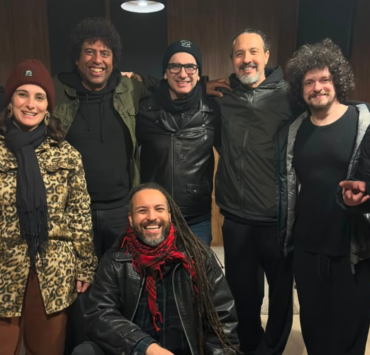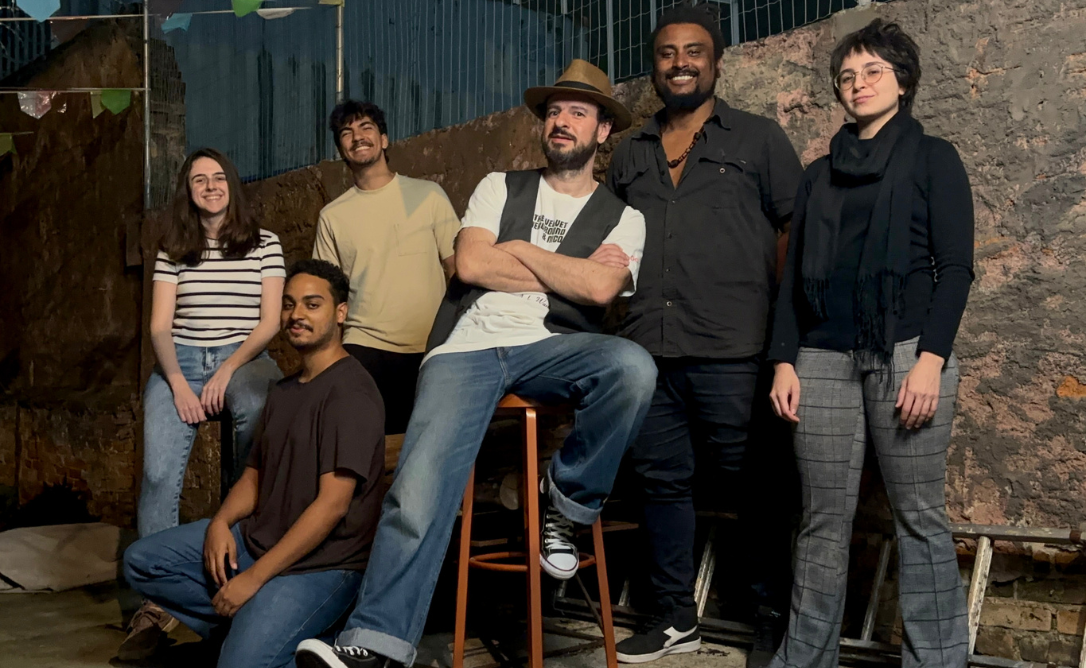
Between natural landscapes, everyday stories, and social critiques, Eric Bê e o Avesso do Avesso find in water the element that connects the different narratives of *Veneno de Cobra e outros Fluidos*, their new studio album that marks the consolidation of the group’s artistic identity. With rock as a starting point, the work incorporates influences from reggae, MPB (Brazilian Popular Music), jazz, and classical music, reflecting the transition from the vocalist’s solo career to an increasingly collective musical construction. In an interview, the band discusses the concept that unites the compositions, the freedom to experiment with different sonic languages, and the creative process that transformed personal experiences and observations of society into a repertoire marked by plurality.
“Veneno de Cobra e outros Fluidos” marks an important transition, consolidating Eric Bê and Avesso do Avesso as a band after a trajectory more linked to his solo career and light MPB (Brazilian Popular Music). At what point did you realize that this new work needed to be born with a collective identity?
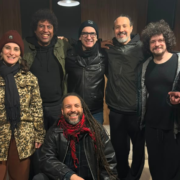
As soon as we started rehearsals for the recordings, we thought about this, because the band’s lineup has been stable for two years, and unlike the songs released in Eric Bê’s solo career, where independent musicians were called in to record/produce each track, this time it was the same group that did the arrangements, chose the repertoire, and recorded. So, it was the collective effort that led us to the conclusion that we should perform as a group, not as individuals.
Water appears as a common thread throughout the album, whether in real landscapes like Ubatuba, Amapá, and Santa Catarina, or in metaphors about adaptation, leaks, and fluidity. How did this element help you discover the stories you wanted to tell?
The first song on this album was “Ilha Feia” (Ugly Island), which emerged at the turn of 2025 to 2026, at a time when there was already a desire to make a more fluid album, with a strong identity, songs that connect through lyrics and sound. From this desire for fluidity and a certain coincidence of landscapes with sea, river and rain in the first songs, the album began to be purposefully built from this element, in landscapes and stories that represent the day, the afternoon and the night, with hints of personal stories and political stance.
The album was written in less than a year, but it seems to encompass a wide universe of themes, characters, and moods. What was it like to experience such an intense and, at the same time, conceptually connected creative process?
Artistic creativity is like weight training; the more you write, the more ideas emerge. If you stop for a while, it’s difficult to come back and create something new, but when you’re active, every piece of information becomes input. When he was writing “Ilha Feia,” for example, Eric was reading John Steinbeck’s book “East of Eden,” from which he borrowed the verb sequence “coleia e serpenteia” (snakes and meanders), and when he was finishing another song, which had the temporary name “cobra-coral” (coral snake), he saw a post from a colleague who, in a heartfelt outburst, said that the moon in Scorpio told her that her enemies would fall. The inspiration became a line in the song, which came to be called “Caboca Venenosa” (Poisonous Cabocla), the artistic name of the inspiring colleague.
Tracks like “Ilha Feia” and “Conversas Vajadas” showcase very different sides of the work, ranging from coastal contemplation to social critique. How did you balance lyricism, humor, politics, and lightness within the same repertoire?
Beyond the conceptual aspect of the album, we thought a lot about songs that sounded good live, and that’s why the rehearsals were so important. In a rock show, there are more electrifying moments and others that are more contemplative, and this relates to the rhythm, the way of playing, but also to the lyrics.
In Eric’s view, as a composer, this light humor can serve to alleviate a sad or tense theme, so it’s present in many of our songs, even if in a very subtle, perhaps imperceptible way. Tereze, for example, is a protest song that carries a scathing critique when it says that she “bothers the subjects of the traditional Brazilian family.”
Although the album is essentially rock, it incorporates pop rock, reggae, MPB (Brazilian Popular Music), jazz, and elements of classical music. How did the collective arrangements and Jonas Paulo’s production help transform this mix into its own unique sound?
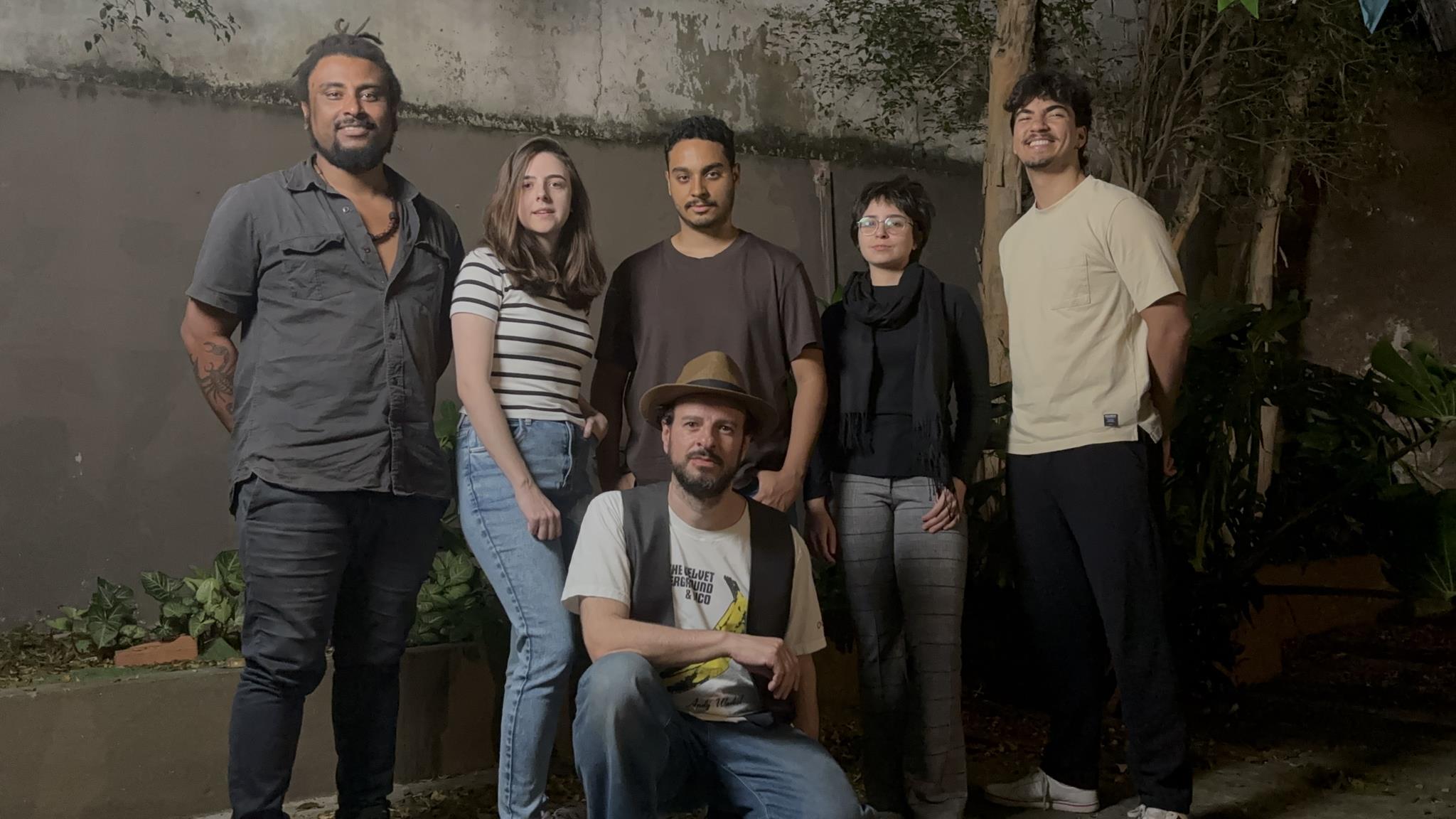
The band has a very eclectic lineup, with at least half of the members having a background in jazz, Brazilian popular music (MPB), and classical music, while the other half are more accustomed to rock and reggae. We are also diverse in terms of age, gender, race, and social class origin. All of this contributes to our melting pot of sounds.
Jonas is a guy who participated in all the recordings, and while we were already working on the songs from rehearsals, he would listen to a first version, share his perceptions, and make contributions that greatly improved each track. He’s a guy with incredible musical training and perception, who can identify a wrong or out-of-time note in the middle of an orchestra, and in a few seconds, he can suggest something different and rewrite a part of the arrangement.
We closed the album with a re-recording of “Sigo andando em frente,” a song from Eric’s solo career, who wanted to make a reference to Tchaikovsky in the introduction. On the day of recording, Jonas further defined this idea and showed each musician how we could make this reference.
Songs like “Sigo andando em frente”, “Fluido”, “Caboca venenosa” and “Bárbara” seem to reveal different facets of the band, from the influence of Tchaikovsky to “brega rock” and classical harmony. Which track do you feel is the most surprising on the album?
It’s common to observe that some songs are easier for the public to enjoy, while others are more appealing to musicians. “Fluido,” for example, was arranged by Eric and Bruna Cassou, who modified/created some melodies that weren’t in the original concept. These contributions made the song much more interesting, in the way musicians like it, but we hope it will surprise and win over the ears of non-musicians as well.
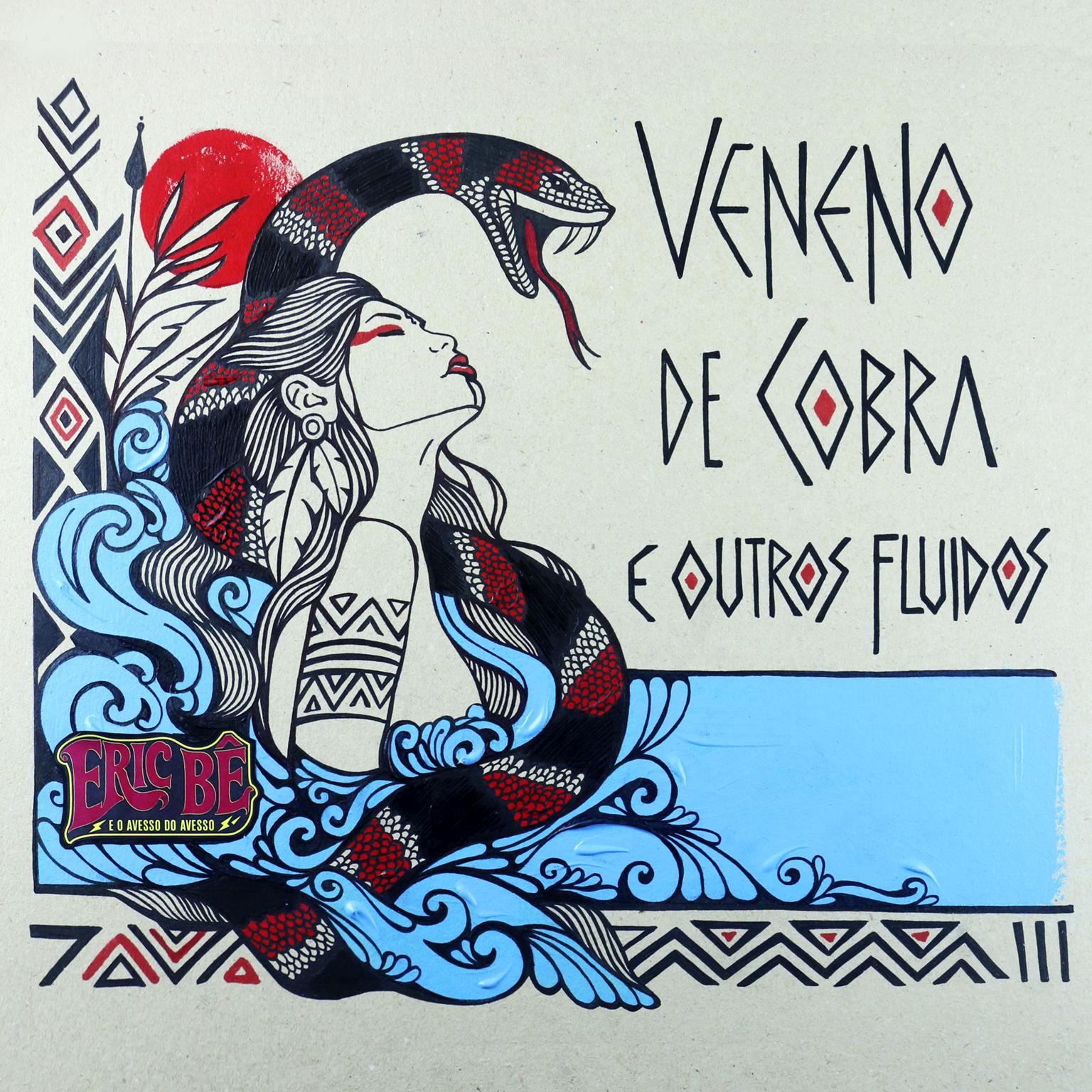
The cover, created by Fernanda Rodante using mixed media on paper, also contributes to the construction of this universe. How did you want the image to visually translate this encounter between poison, water, fluidity, and transformation?
Fernanda is an incredible artist who had already designed covers for Eric’s solo work. This time, we told her the story of the album and several songs. Of all the tracks, we believe that “Caboca Venenosa” convinced Fernanda that she had a stronger personality. Hence, the coral snake, a character from the same song, emerges, and the two characters are involved in this water that bypasses obstacles, adapts to different containers, and symbolizes the ability to flow in the face of change.
The launch show at Cervejaria Disgracera aims to present the album in its entirety, respecting the track order. What kind of experience do you hope to create for the audience by guiding them through this narrative from beginning to end?
This is something we’ve never done before, and the idea is to get the audience flowing with the same vibe as the album, moving from “good morning songs” towards “good night and good early morning songs.” We know that people listen to music differently these days, that the experience of listening to music is more individual than collective, that many people consume playlists instead of albums… and yet, we’re betting on this experience of building something different. Playing the album live can give us an idea of the audience’s reaction to each track, to the sequence, and influence our thinking about future shows.
Follow Eric Bê e o Avesso do Avesso Instagram