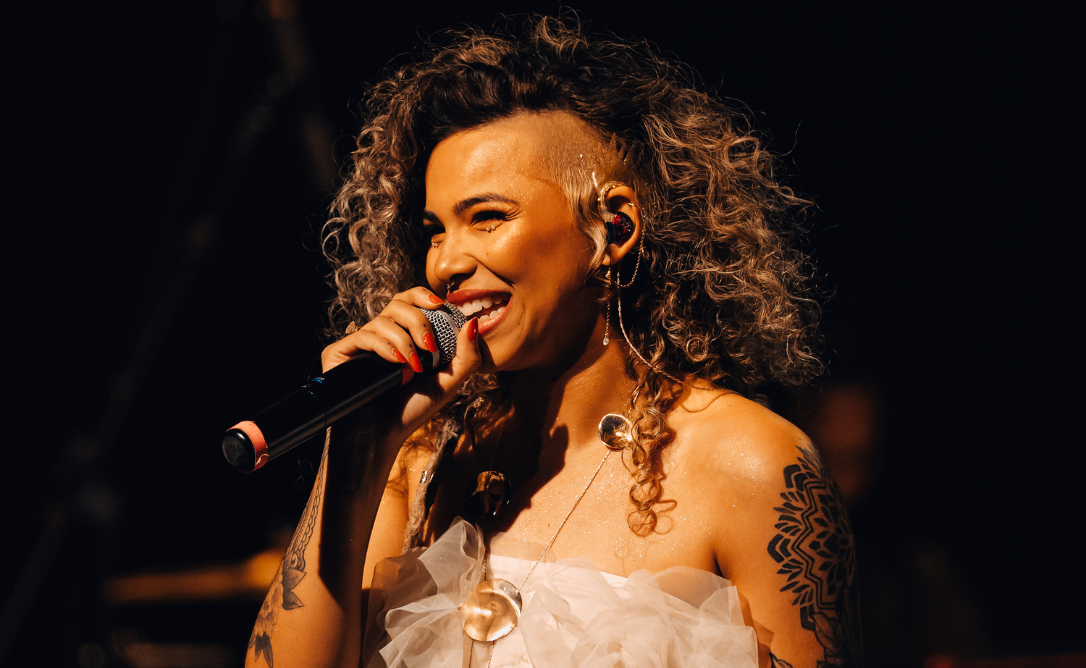
Singer Juliê presents in “Mapa do Coração” a work marked by deep listening and the courage to transform intimate feelings into music. In an interview, the artist reflects on the emotional process behind the EP, the choice to prioritize artistic truth over trends, and the significance of occupying new spaces as the first woman to participate in the #EuSouMS Sessions project. Drawing on influences ranging from pop, R&B, and MPB (Brazilian Popular Music), Juliê constructs an original narrative that blends sensitivity, strength, and female empowerment, solidifying the project as a starting point for new creative and personal paths.
You describe “Map of the Heart” as a very intimate emotional portrait. At what point in your life did you realize you were ready to transform those feelings into music and share them with the public?
I realized I was ready when I understood that vulnerability isn’t weakness, it’s power. There was a moment when keeping things bottled up started to limit me artistically. I had already lived, felt, processed… so sharing stopped being about exposure and became about connection. The EP “Mapa do Coração” (Map of the Heart) was born from this COURAGE to not hide what’s going through me.
The EP was born from a process of “deep listening.” What did you learn about yourself during this creative phase, and how did that change the way you see yourself as an artist and as a person?
I learned that I am much more intuitive than I imagined. During this process, I stopped trying to meet external expectations and began to trust my sensitivity more. This changed everything; from now on I see my dreams more clearly. As an artist, I became more confident in my choices. As a person, I became kinder to myself, I learned to rest with what is beyond my control, I understand today that feeling is part of building my entire process and it’s okay to be vulnerable.
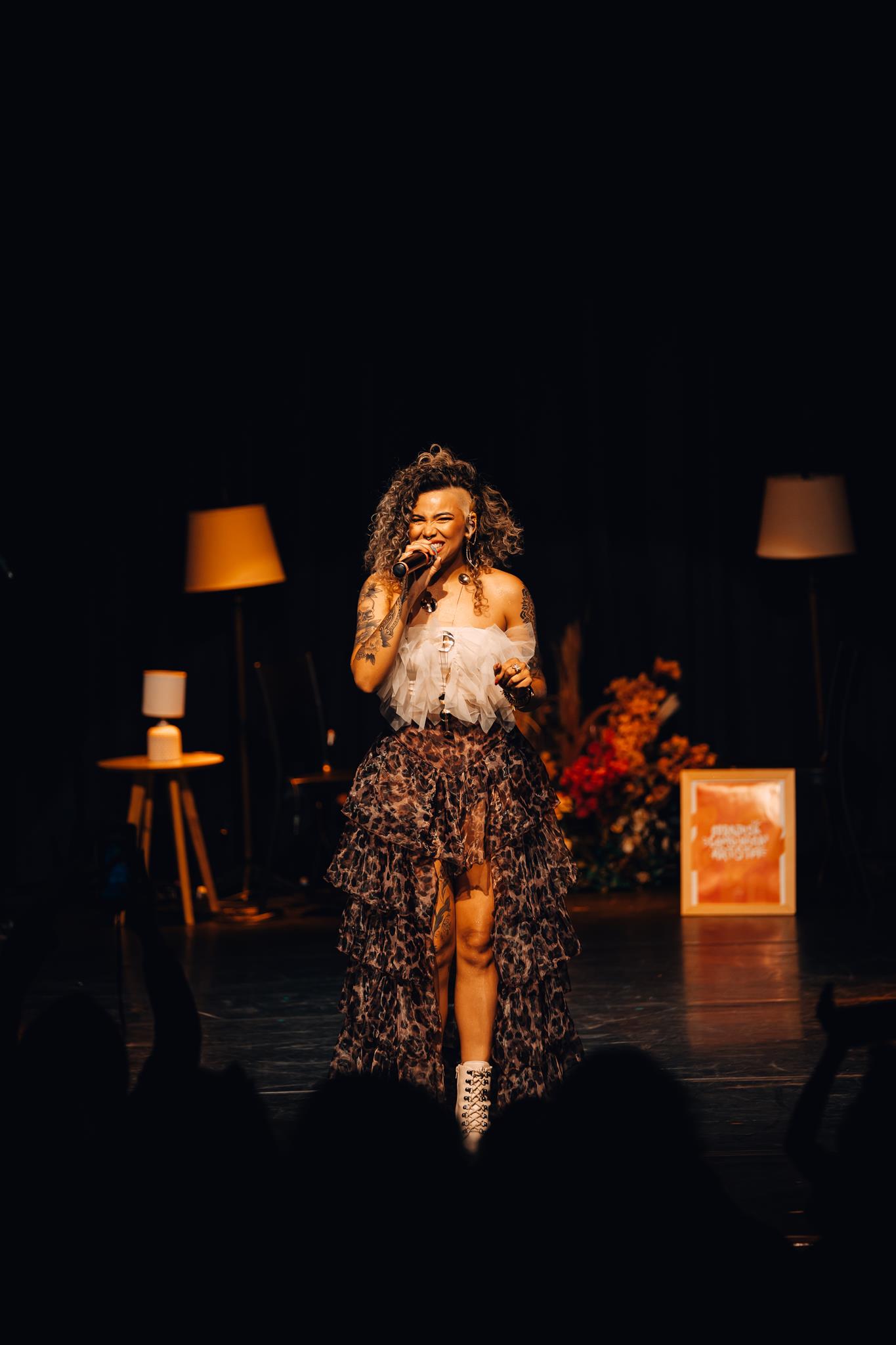
Being the first woman to participate in the #EuSouMS Sessions project carries symbolic meaning. What does this achievement represent for you, and what kind of doors do you believe it can open for other artists?
Being the first woman in the #EuSouMS Sessions is an honor and a responsibility. I confess that initially, besides feeling the weight of it, fear also took over, but now that we have conquered many more spaces together, I feel very fulfilled. And being in this scene in Campo Grande, MS, represents occupying a space that historically hasn’t always been open to us. I hope this helps to normalize the female presence on stages, in shows, and at events, and that other artists from Mato Grosso do Sul feel authorized to occupy, propose, and lead their own projects. When one of us enters, many can follow. I am very grateful for this entire process.
The choice of tracks was guided by emotional truth and not by the pursuit of hits. Was it ever difficult to let go of that pressure and prioritize what truly represented you?
Yes, there’s always a silent pressure for numbers, for trends. But I knew that if I gave in to that now, I would be betraying the moment I was living. It was an exercise in maturity, you know? Choosing the truth was also choosing to build a solid career, and not just a momentary launch; I don’t allow myself to live superficially anymore.
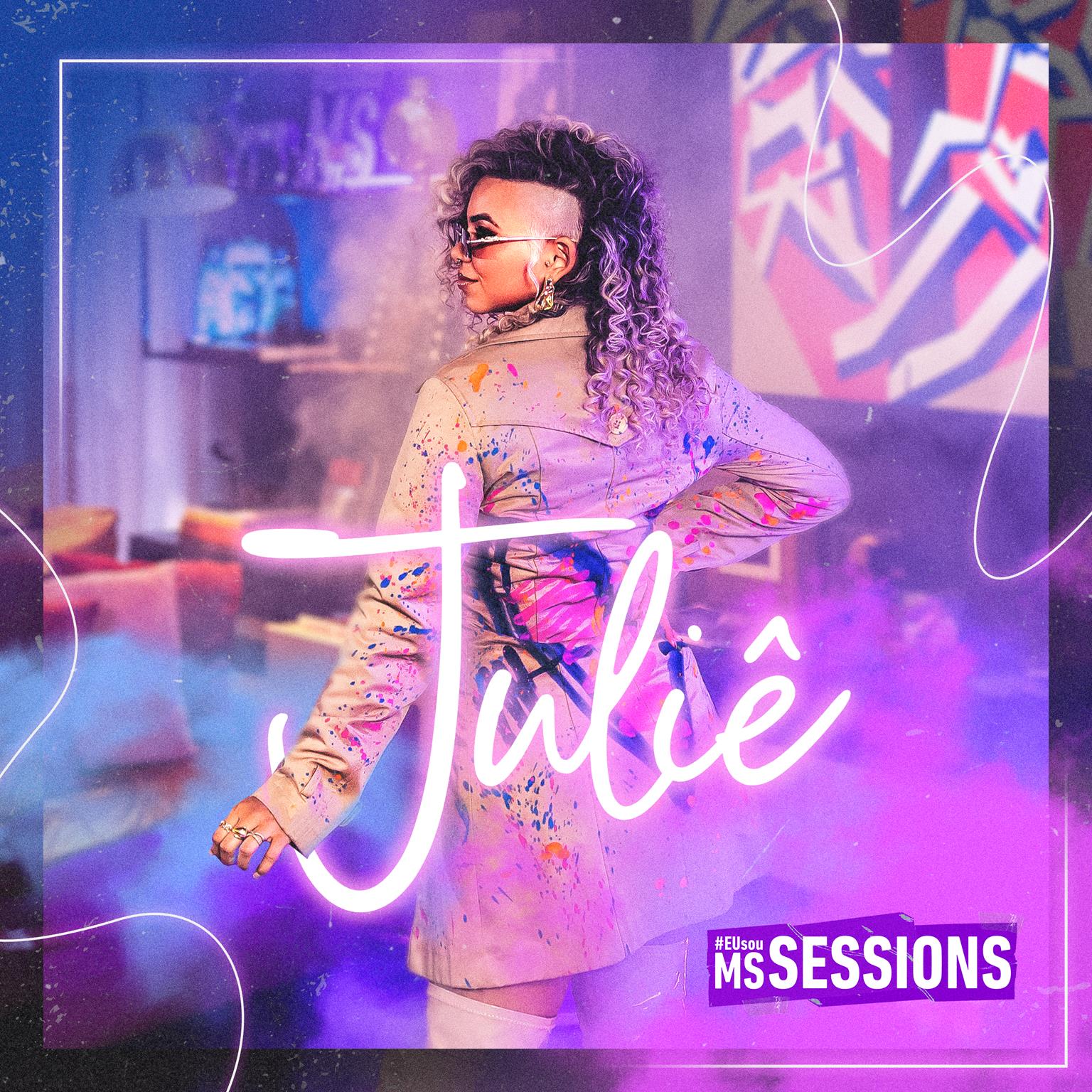
“Ela Tá Braba” emerges as a cry for freedom and female empowerment. What kind of message do you hope women will feel when they hear this song for the first time?
I want them to feel in control of themselves. To understand that being “angry” isn’t about being out of control, it’s about awareness, autonomy, and knowing their own worth. “She’s Angry” is about not apologizing for existing with intensity and authority. It’s dance, it’s strength, it’s presence.
Your work blends pop, R&B, and MPB (Brazilian Popular Music) with a very unique identity. How do you balance your influences with the desire to create something that is genuinely yours?

I always start with emotion. The references come later; pop connects me with the present, R&B comes from the depths of my hip-hop roots—it’s what hits me and makes deep connections—and MPB (Brazilian Popular Music) brings, let’s say, a narrative. But everything goes through my emotional filter. If it doesn’t sound like me, it doesn’t stay. If I don’t dance to the music, it doesn’t stay! The balance lies in understanding that identity isn’t about limiting, it’s about adding.
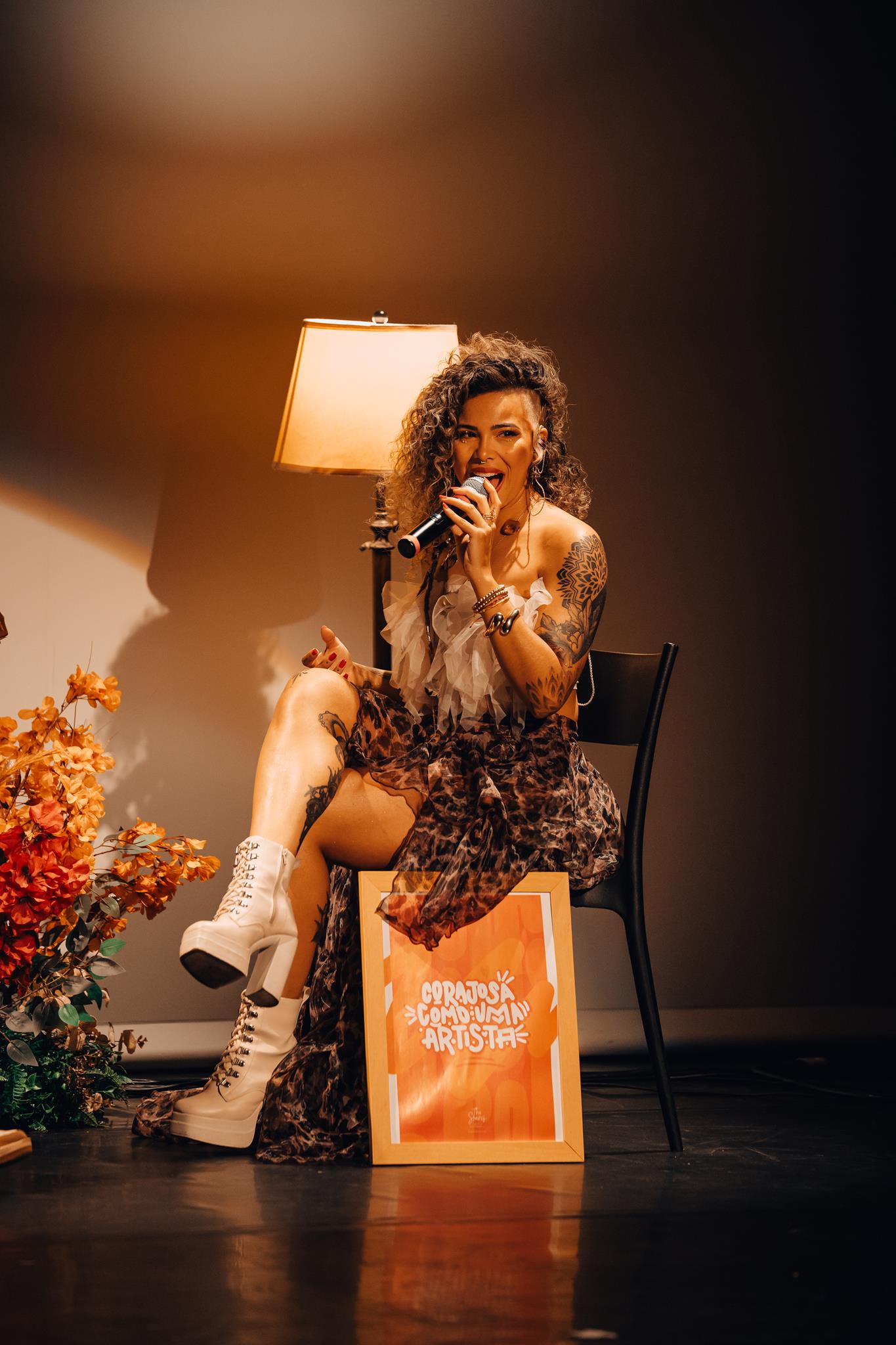
Many of the songs are about affection, encounters, and partings. Was there a particular song from the EP that moved you especially during the recording or that was more difficult to revisit?
Yes. There was a specific track where I needed to take a deep breath before recording because it carries a lot of emotion, and real words that I truly believe in. “Mapa do Coração” (Map of the Heart) is the track, and also the name of the EP. But I remember that at that moment I understood that the emotion I was experiencing was exactly what I needed to be there. And when your voice falters, sometimes that’s where the truth lies. In fact, during the live recording I left it for last in case I needed to touch up my makeup, haha.
You said that this project is a movement of artistic and emotional affirmation. After putting this “map” out into the world, what new paths do you feel like exploring from here on out?
Now that I’ve put this map out into the world, I feel the urge to expand. To explore new sounds, which I know I have potential for, perhaps something more performative, more physical, without losing the essence. I want to continue deepening my narrative, but also to experiment. “Map of the Heart” is a point of arrival, but mainly a point of departure.
Follow Juliê on Instagram