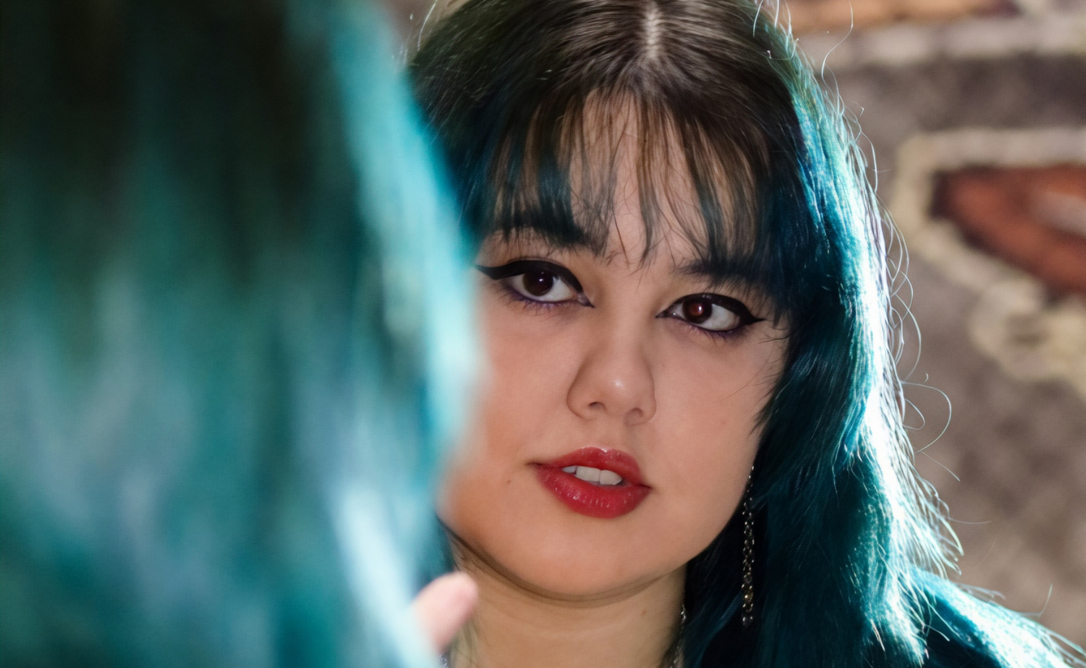
In her debut studio album, IARAH reveals a facet that few know. In “Estilhaços” (Shards), the singer-songwriter transforms experiences marked by loss, toxic relationships, anxiety, fatphobia, and eating disorders into a deeply autobiographical work, in which each song represents a fragment of her journey. In an interview, the artist talks about the process of revisiting delicate memories to create the album, the importance of music as a healing tool, the desire to support people facing similar challenges, and plans to expand this universe with new music videos.
“Estilhaços” is presented as a conceptual and autobiographical album, in which each track functions as a real fragment of your story. At what point did you realize that these broken pieces could form a musical narrative?
From the third song I wrote onwards, I started thinking about the fact that I had some drafts of other lyrics, and I realized that they all spoke of something very profound that had deeply affected me. They were painful themes that left marks from childhood and that transformed me into the person I am today. When I realized this, I talked to my mother, who was always the first person I went to show the lyrics to, and she told me that each one seemed like a fragment of who I am. Thinking about it again, I came up with the name “Estilhaços” (Shards), because it conveys the idea of glass that has broken into many pieces, that if you touch it, it cuts you. For a long time, I was like that, defensive, afraid of being hurt even more than I already was. I had to, with a lot of struggle, rebuild myself, and that’s why the name “Estilhaços” (Shards), because I had to take each little piece of what hurt me and “glue” it back together to become whole again, even with lifelong scars.
The album title carries the idea of something that has broken, but whose pieces still tell a story. What did you discover about yourself by revisiting these “shards” in the form of a song?
I discovered that people hurt, often for pleasure, to humiliate. I discovered that trust is fragile; once lost, it’s gone forever. There were many discoveries, including that I have a strength I never imagined. I always saw myself as fragile, but I always fell and got back up, and I realized how strong I was with everything I lived through. My generation feels everything very intensely and often doesn’t know how to cope and move on, and I managed to. That’s why I often feel different, even beyond my age, because with suffering came maturity. To say that revisiting these pains was easy would be a lie; it was very painful. Many times I tore up lyrics, started from scratch. It was complex to find words to define so much pain, so much hurt, but in the end, the whole process was a great relief.
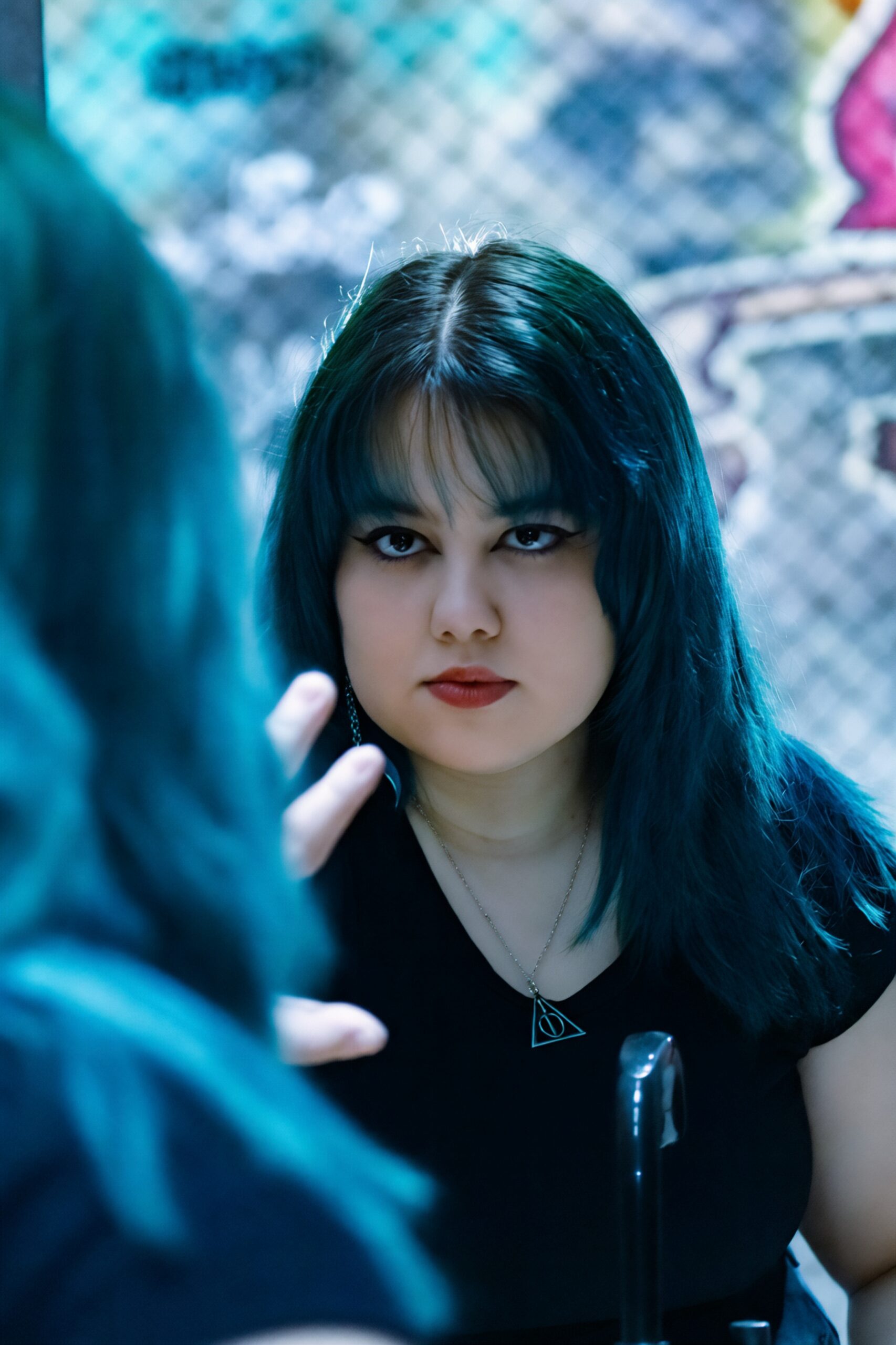
You mention that you’ve often been judged or misinterpreted because of your more reserved demeanor. How does the album help you show the IARAH that exists behind this image of strength?
I’m very reserved, and I’ve been through so much judgment over the years that I lost the will to keep explaining that I wasn’t like people said I was. I would have had to keep explaining why, and I wasn’t ready at the time. Writing these songs and releasing them to the world ended up being the best therapy I could do, and also the best way to show people, especially those who always judged me, that behind this image of strength there’s an Iarah who suffered a lot, and that if I am the way I am today, it’s to protect and defend myself from people like those who hurt me, because there are many of them dressed in sheep’s clothing. You don’t see the malice at first glance, but it’s there, and today I know very well how to perceive it and protect myself from all of that.
“Trauma” revisits the pain of her parents’ separation and the absence in her relationship with her father. How was it to transform such an old and familiar wound into a song open to the public?
To be honest, it was the last one I finished; it was the second one I wrote years ago, but I had a lot of difficulty working on it. Everything I wrote seemed insufficient and unbearable, you know? It always seemed like something was missing—a feeling, a word—or sometimes the words were too strong and carried too much resentment. When I was 12 or 13 years old, I started writing songs in English and released two. “Trauma” already existed at that time, and going back to working on it in Portuguese, in my language, knowing that everyone would understand it, was also very courageous. Today I have a better relationship with my father, and writing this song also helped a lot in this process. It helped me understand that he came from a family that never acknowledged his pain, and he also didn’t know how to acknowledge mine. That’s what it’s about: sometimes our family members hurt others because they were hurt, and I decided to break that cycle, however difficult it was.
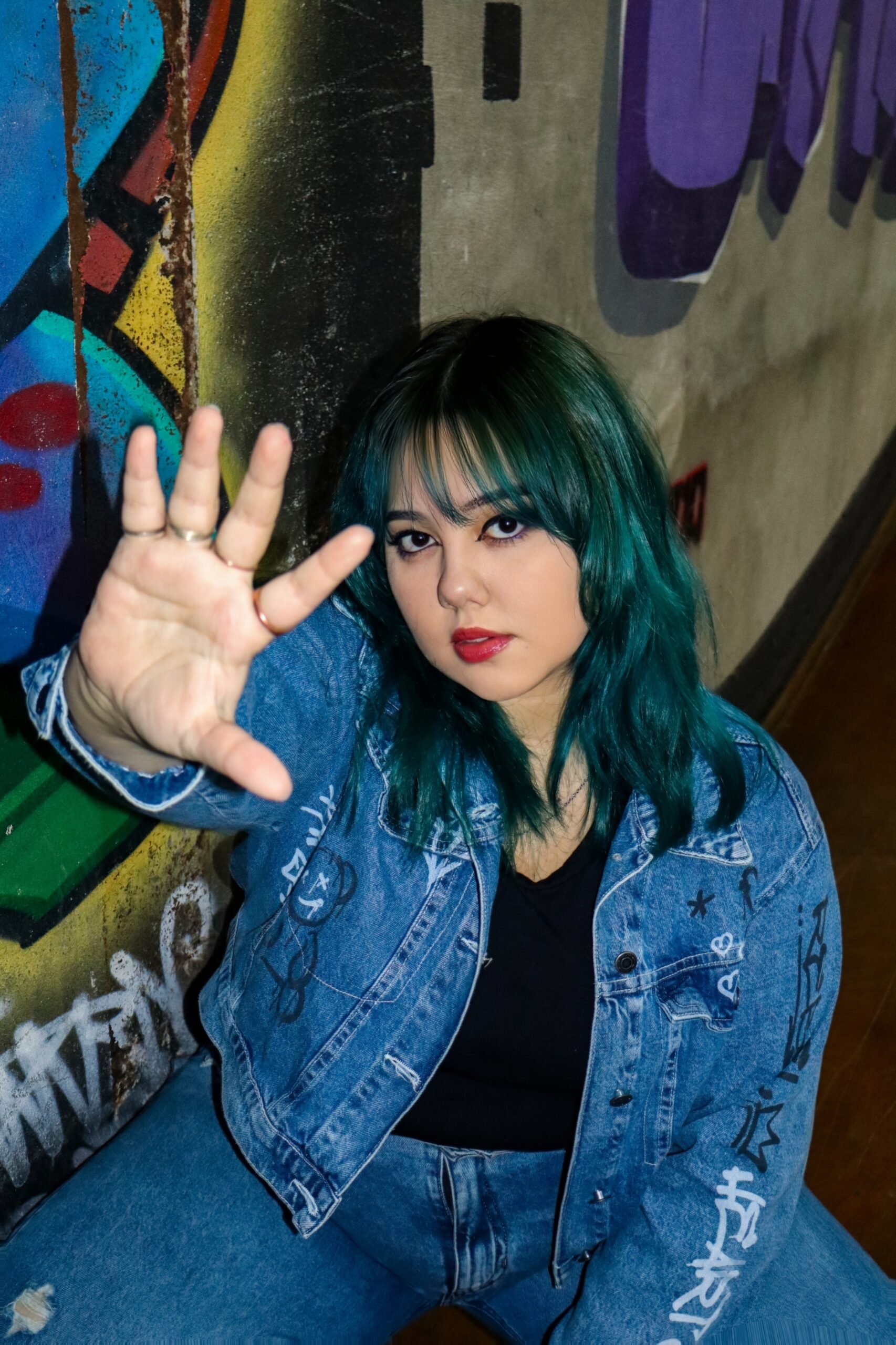
In “Acidity,” you address anxiety, eating disorders, food addiction, and fatphobia with great courage. How important is it to address these issues without downplaying the pain they cause?
Because everyone already does this all the time, they belittle people, judge those who are overweight. I’ve heard so much about it, and never with the proper seriousness and compassion. Overweight people are treated as lazy, gluttonous… When I was little, I was very skinny, and my family pressured my mother to gain weight to be healthy. My mother took me to the pediatrician at the time, but no one accepted that I was healthy. Because of so much interference, my mother tried to do the right thing, but when I was with my grandparents, for example, I was always encouraged to eat a lot of junk food. That’s one point. But when I was about 5 years old, I got sick and discovered I had asthma. At the time, I was working in advertising, and because I was taking corticosteroids, I started gaining weight and became very swollen, and I also started eating more because I felt hungry all the time due to some medications. My mother put me in swimming and I also did taekwondo, but we had a lot of financial problems and I had to stop. All of this happened around the same time my parents separated; they fought a lot and it was unbearable for me, and I took it out even more on food. At the time, I was doing a lot of activities and I did theater, which I loved and was very good at, you know? Without false modesty, I loved acting, but over time I lost the joy of being there because all the girls my age were very thin, and whenever there was an audition, I wasn’t chosen. I always heard that I was too “big,” and I knew exactly what that meant. As time went on, I grew up and realized that to have opportunities I needed to lose weight because they talked openly about it in the auditions, and I started to stop eating. I literally didn’t eat anything, and at the time I wasn’t even that overweight, but I saw myself as huge, and I didn’t have boyfriends like my friends, and I felt terrible. I even tried to take my own life once because everything was so difficult, and that’s when my parents started to get closer to me again to help me. So, talking about fatphobia and eating disorders is very important and fundamental because I’m constantly dieting for my health, and even so, I still see and hear comments that I’m way overweight, as if I didn’t know or didn’t have a mirror at home. But people say it simply for the pleasure of hurting, of humiliating, without caring about the other person’s pain. Without knowing how the person got into that situation, whether it was due to health problems or other reasons. Then they talk about mental health as if they really cared. Eating disorders go far beyond that; I could spend hours talking about it, but to summarize, it’s never been a lack of willpower, courage, or laziness, and people need to learn to respect that because of other people’s judgment, I have anxiety and depression, and if I hadn’t had so much love, conversation, and support from my mother, I certainly wouldn’t be here today.
The album explores toxic relationships, grief, harassment, unrequited love, and disappointment, but it also speaks of healing and acceptance. How to find a balance between exposing pain and offering some kind of shelter to the listener?
I know that many people go through or have gone through what I went through. Throughout my releases, I’ve received several messages from people telling their stories, and in the end, it’s about that: venting, saying, “Look, I understand your pain, you’re not alone.” I think that’s the power of music. I sought healing by writing about all these themes, and I also hope to offer healing and comfort to those who listen. Whenever I can, when I have time, I try to respond to those who write to me, because when I needed it most, many didn’t understand and turned their backs on me. I hope that my music can help as many people as possible, so that even without knowing me personally, they know that I understand and respect each person as they are, with all their life experiences, so that they can feel understood and supported through my music and experiences. In times of AI-generated music, I think that opening up my life in this way is an act of resistance; it’s acknowledging that our strength to overcome so many trials lies within ourselves; it’s knowing how to assert ourselves and clearly state our limits.

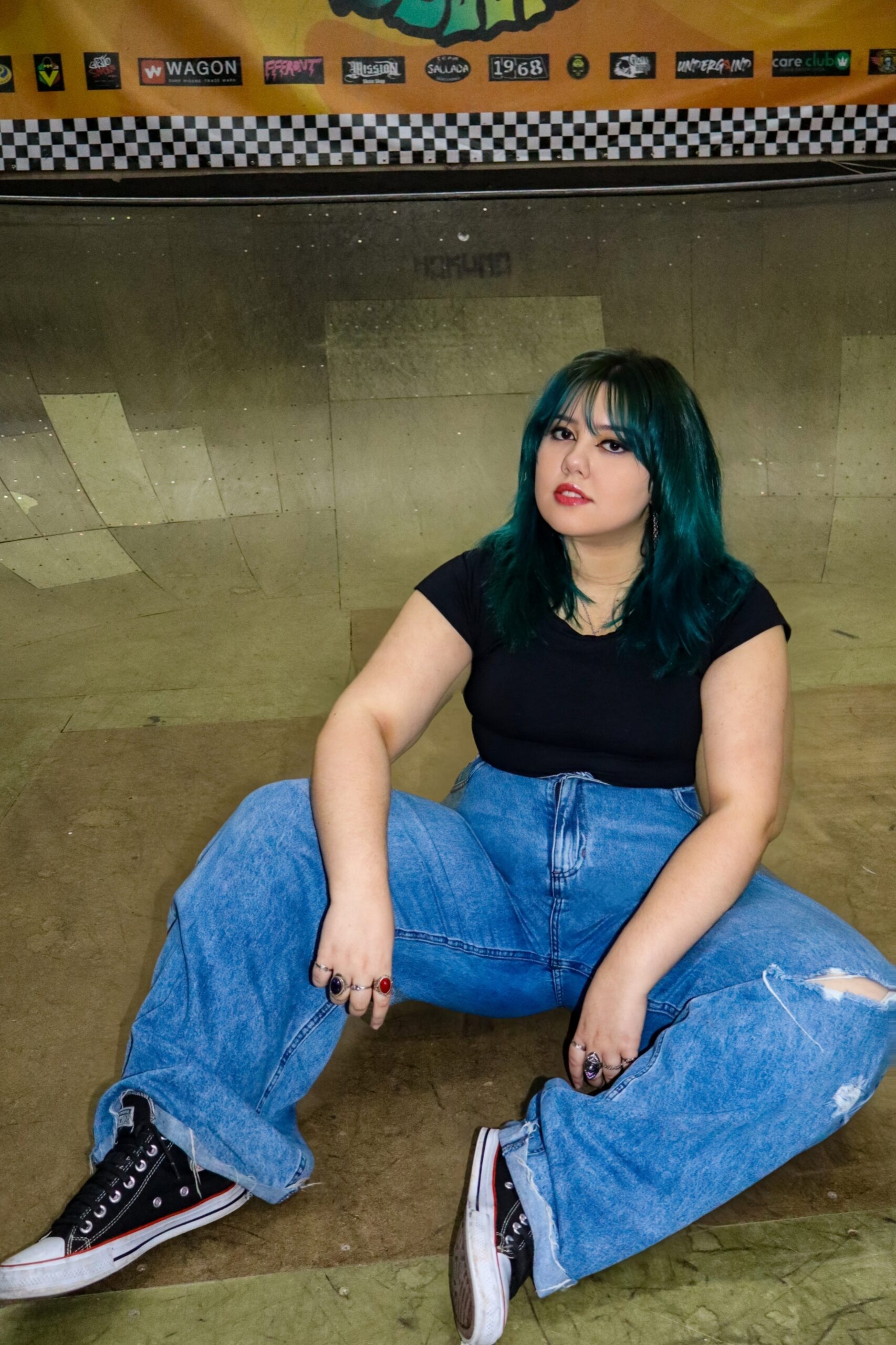
The arrangements seek to unite sweetness, melancholy, and instrumental weight to translate the density of these experiences. How has your band helped transform difficult memories into a sound that is also welcoming?
When I wrote the songs, I didn’t yet have a fully formed band, so they weren’t involved. All the instrumental work was done by my producer, Maurício Hoffman from One Produtora, along with me during the recordings. We would talk beforehand about what I wanted in each song, and when it came time to record, everything flowed very naturally.
You deliver “Fragments” with a mixture of anxiety and relief, as if offering more than just an album, but a safe haven. What message would you like to convey to those who also feel broken, judged, or alone?
That they are not alone, that there are many people going through the same thing and that, however painful and difficult, it is possible to move forward, because life is much more than everything that hurts us; we just can never give up, be resilient and fight, and not let ourselves be brought down by criticism from malicious people.

Follow IARAH on Instagram